


Nomadic Flatweave Carpet
A nomadic flatweave carpet brings the geometric clarity and rich cultural history of tribal weaving traditions directly into domestic spaces.
Nomadic Flatweave Carpet
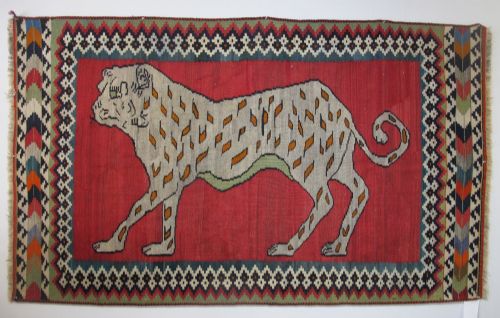
A nomadic flatweave carpet encompasses utilitarian textiles created by tribal and nomadic groups across Persia, Central Asia, the Caucasus, and Anatolia. These pieces are typically encountered in forms such as kilims, runner rugs, storage bags like mafrashes and chuvals, and tent bands dating from the late nineteenth and early twentieth centuries.
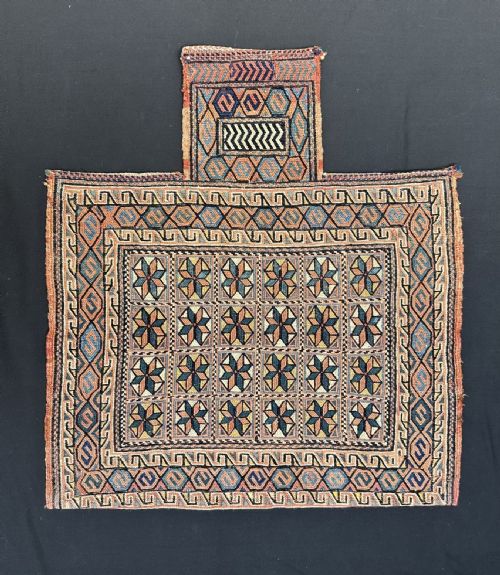
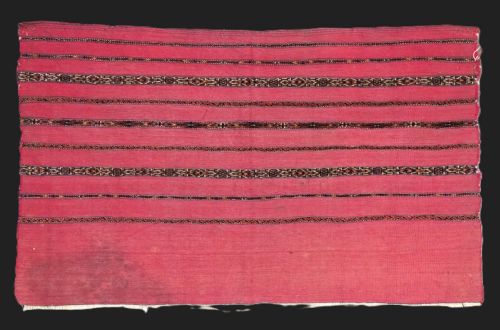
Buyers seeking a nomadic flatweave carpet will discover items ranging from complete storage containers and eating cloths to multi-panel covers and wall-hanging fragments. The selection reflects diverse regional identities, including Qashqai, Afshar, Yomut, Tekke Turkmen, Uzbek, Baluch, and Shahsavan makers.
Many of these textiles were originally woven in distinct sections, such as two-part or multi-strip formats, designed for practical transport and daily camp life. Their survival in varied states, from complete bags with backs to large flatweave carpets, offers a direct link to historical nomadic existence.
How They Were Made
The construction of a nomadic flatweave carpet relies primarily on wool, hand-spun wool, and cotton foundations, often supplemented by structural elements of goat hair and camel hair. Weavers utilised natural dyes to achieve deep palettes, interspersing warp and weft threads without producing a raised pile.
Techniques varied from simple banded designs and weftwork decoration to complex brocade and Soumac wrapping. Larger pieces were frequently woven in multiple narrower strips or parts and subsequently joined together to create substantial floor coverings or storage textiles.
Nomadic Flatweave Carpet Retail Price Guide 2026
Typical asking prices for nomadic flatweave carpet among the pieces listed under this phrase on Sellingantiques today, from the lower quarter to the upper quarter. They describe what is for sale here now, not the wider market.
What Varies in Quality
The fineness of the weave distinguishes standard utility items from exceptional workshop or tribal examples, with tightly packed wefts indicating superior structural integrity. The crispness of graphic execution in geometric medallions, chevron patterns, and banded designs also separates ordinary work from master craftsmanship.
The preservation of original structural elements, such as complete backs on storage bags or intact borders on tent bands, elevates an example's integrity. Furthermore, the vibrancy and depth achieved through natural dye use determine the visual distinction of individual textiles.
Qashqai·Afshar·Tekke Turkmen·Yomut Turkmen·Shahsavan·Baluch
The Nomadic Flatweave Carpet Glossary
- Kilim
- A flat-piled textile woven with a tapestry technique, lacking any raised nap. These versatile rugs were used for floor coverings, wall hangings, and horse covers.
- Chuval
- A large storage bag produced by Turkmen tribes, traditionally used inside the yurt for household goods. Surviving examples often appear as cut faces or complete items retaining their backs.
- Mafrash
- A rectangular storage chest or large bag used by nomadic groups for bedding and possessions during migration. Panels from these items are frequently reconfigured into small carpets.
- Sofreh
- An eating cloth or spread utilised during meals by tribal communities in regions such as Afghanistan and Persia. They are typically characterised by practical flatweave construction.
- Soumac
- A wrapping technique producing a brocade-like surface structure with visible threads on the reverse side. This method adds durability and texture to tribal bags and rugs.
Nomadic Flatweave Carpet: Frequently Asked Questions
How were nomadic flatweave carpets used?
These textiles served primarily functional roles within nomadic and tribal daily life, functioning as floor coverings, blankets, and eating cloths. Women also wove specialised bags and storage containers to transport household possessions during seasonal migrations.
Smaller panels and strips often doubled as tent bands to secure the portable dwellings against harsh weather. Over time, many utility items transitioned into decorative domestic furnishings while retaining their original structural identity.
What is the difference between a kilim and a bag face?
A kilim is a flatweave textile produced as an open rug, runner, or cover designed to lie flat on the ground or hang vertically. In contrast, a bag face represents the decorative front panel of a utilitarian storage sack, such as a chuval or torba.
Bag faces were originally part of three-dimensional containers used inside tents and frequently display denser knotting or specialised weave structures. When separated from their original backs, these panels function similarly to small decorative rugs.
How do you identify regional tribal designs?
Regional attribution relies on specific structural formats, colour palettes, and characteristic geometric motifs unique to individual tribal confederations. For instance, Shahsavan and Caucasian weavers often employ precise banded designs and Soumac wrapping techniques, whereas Baluch pieces frequently incorporate deep indigo and camel hair.
Uzbek and Turkmen workshops are readily distinguished by distinct primary göls, striking graphic borders, and multi-strip construction methods. Examining the choice of foundation materials, such as goat hair or hand-spun wool, further clarifies the geographic origin.
How should I care for an antique flatweave?
Preserving these textiles involves minimising direct exposure to strong sunlight, which can fade natural dyes over extended periods. Regular, gentle vacuuming without a rotating brush roll prevents dust accumulation within the flatweave structure.
Utilising a quality underlay beneath floor rugs prevents slipping and reduces friction against hard surfaces. For structural repairs or major cleaning, consultation with a textile conservator specialising in tribal carpets is recommended.