




Nineteenth Century Turkmen Textile
A nineteenth century turkmen textile brings nomadic tribal artistry into a modern interior through rich wool weave and distinct geometric guls.
Nineteenth Century Turkmen Textile
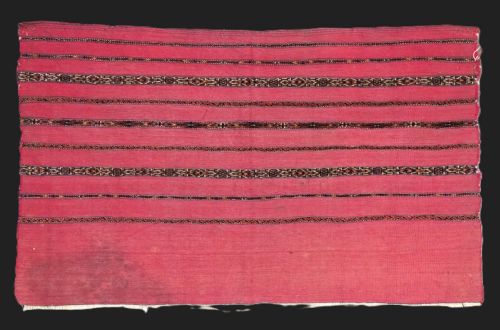
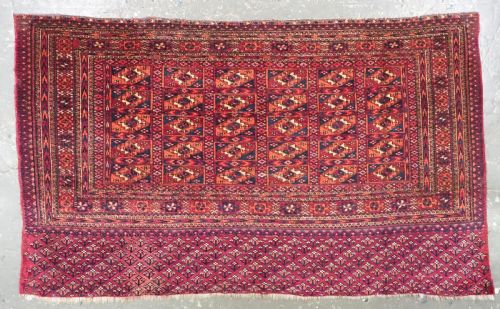
The pieces appearing on this page date from the middle decades through the end of the nineteenth century, including specific years like 1850, 1870, 1880, and 1890. Tekke Turkmen examples dominate the selection, alongside Yomut and Ersari Beshir pieces.
Most items survive as bag faces or complete chuvals with original backs intact, preserved from daily tribal use. Collectors look for these traditional formats because they display the primary weaving traditions of Central Asian tribes.
Materials and construction methods
Weavers utilised wool as the primary material for the pile and structure of each nineteenth century turkmen textile, often combined with cotton for foundations or specific details. Natural dyes provided the deep, saturated palette seen across the tribal and nomadic pieces.
The construction relies on fine weave techniques executed on horizontal looms set up in camps. Artisans knotted wool yarn meticulously to build dense surfaces that could withstand heavy daily use inside tents.
Nomadic weavers packed these vibrant bags with everyday bedding, turning utilitarian tent storage into mobile art galleries.
Distinctions in quality
Quality in a nineteenth century turkmen textile rests upon the density of the weave and the precision of the drawing. Finer knots create sharper definition within the guls and structural borders.
The depth and brilliance of the natural dyes separate standard examples from superior ones. Better pieces exhibit harmonious colour balances and complex tribal motifs such as Salor guls or flower elem panels.
The Nineteenth Century Turkmen Textile Glossary
- Chuval
- A large storage bag used by nomadic tribes for bedding and household goods. These were often made in pairs and feature prominent guls on the face.
- Torba
- A smaller storage bag hung on the tent wall for personal items or utensils. Torba faces display detailed tribal patterning similar to larger bags.
- Gul
- A primary medallion motif repeated across the field of a textile. Different tribal groups utilised distinct gul designs to signal identity and heritage.
- Elem
- The decorative lower panel of a bag face or rug, frequently containing floral or shrub designs beneath the main field of guls.
- Ikat
- A dyeing technique where yarn is tied and dyed before weaving to create characteristic feathered pattern edges.
Nineteenth Century Turkmen Textile: Frequently Asked Questions
How were these tribal textiles used?
Nomadic families utilised large bags called chuvals to store heavy bedding, clothing, and household provisions inside their yurts. Smaller torbas and bags held personal possessions and small utensils.
Tent bands secured the structural framework of the dwelling, combining structural utility with decorative tribal display.
How do I identify different tribal styles?
Tribal attribution relies on the specific gul motifs and structural colour palettes woven into the piece. Tekke, Yomut, and Ersari weavers each employed characteristic medallion shapes and border arrangements.
Secondary ornaments like flower elem panels and banded designs help narrow down the specific nomadic subgroup responsible for the weaving.
How do I live with these textiles?
Many collectors mount these historic textile faces onto walls as decorative art pieces. Their durable wool construction and rich natural palettes complement varied interior settings.
Keeping them away from direct sunlight protects the natural wool dyes from fading over time.