






Nineteenth Century Japanese Bronze
Nineteenth century japanese bronze works bring the formidable metalwork skill of Meiji period artisans directly into your room.
Nineteenth Century Japanese Bronze
When you search for nineteenth century japanese bronze, you find heavy cast metal objects spanning vases, jardinières, and animal studies. These pieces demonstrate the diverse output of Japanese metalworkers during the nineteenth century, including the Meiji and Edo periods.
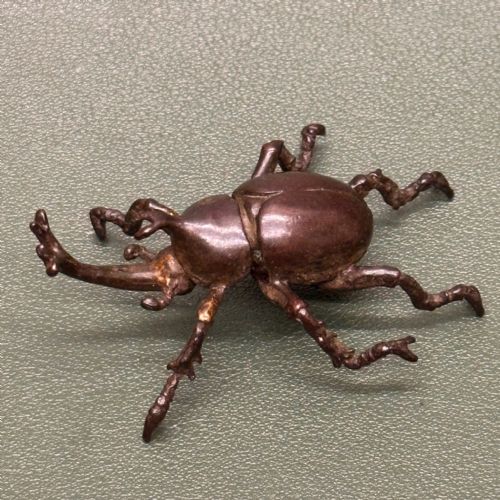
Vases and censers dominate the available forms, often arriving in matched pairs or substantial sizes. You also encounter intricate animal studies depicting subjects such as elephants, tigers, rhinoceros beetles, and French bulldogs.
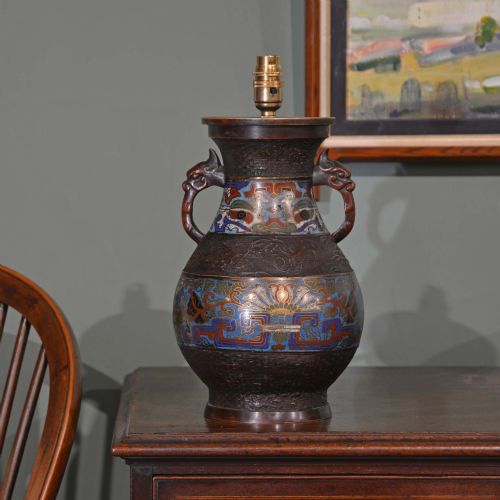
Functional items like sake kettles and table lamps appear alongside purely decorative sculptures and okimono figures. The works range from domestic table ornaments to monumental vessels weighing several kilograms.
How they were made
The objects rely on bronze casting, utilising patinated, silvered, and gilt surfaces to achieve varied tonal effects. Artisans manipulated the metal surface through chemical patination to produce deep browns, blacks, and metallic sheens.
Many examples incorporate champlevé and cloisonné enamel work, fusing colourful glass pastes into metal cells on lids and body panels. Hardwood elements occasionally accompany the metal components, particularly as bases or fitted lids for vessels.
Current listings feature nineteenth century Japanese bronze works spanning patinated, silvered, and gilt finishes, alongside combinations with enamel and hardwood.
What varies in quality
The standard of chasing and surface finish distinguishes standard production from finer creations. Superior animal studies capture anatomical tension and texture with microscopic precision, whereas simpler castings lack fine articulation in fur, feather, or muscle.
The weight and balance of vessels indicate the original ambition of the foundry. Large vases and jardinières demonstrate greater structural command when the cast wall thickness remains uniform and decorative panels align cleanly.
The Nineteenth Century Japanese Bronze Glossary
- Meiji Period
- The era in Japanese history running from 1868 to 1912, noted for a surge in artistic metalwork destined for export. Works from this period show exceptional technical control in casting.
- Okimono
- A small Japanese decorative figurine designed for display on a tokonoma alcove or shelf. These independent sculptures often depict animals or figures with realistic detail.
- Cloisonné
- A metalwork technique where thin wire partitions are soldered to a base to form cells filled with enamel paste. These enamel sections frequently adorn the lids of censers and sake kettles.
- Champlevé
- An enamelling method where troughs or cavities are dug directly into the bronze body to hold coloured enamel. This creates flat colour fields flush with the surrounding metal surface.
- Tsubo
- A traditional Japanese jar or vase form with a bulbous body and a narrow neck. These vessels often serve as prominent display pieces in nineteenth century interiors.
Nineteenth Century Japanese Bronze: Frequently Asked Questions
How do I clean nineteenth century japanese bronze?
Dust the surface gently with a soft, dry brush to prevent the accumulation of grit in recessed details. Avoid using commercial metal polishes or water, as these abrasive substances strip away the historic patination.
Apply a very light coat of microcrystalline wax if the metal requires protection against atmospheric moisture. Buff the surface softly with a clean flannel cloth after application.
Are these bronze pieces signed by makers?
Some pieces carry cast or incised signatures on the underside or lower body, identifying the individual foundry or artist. These signatures usually appear in Japanese characters embedded directly within the bronze casting.
Unsigned pieces remain common and were produced by skilled workshops catering to the late nineteenth century export market. The quality of the casting and finish matters more for identification than the presence of a mark.
How do I distinguish Meiji period works from Edo period pieces?
Meiji period metalwork often displays naturalistic animal studies and highly ornate decorative schemes intended for Western collectors. These items reflect the rapid industrialisation and artistic freedom following the opening of trade ports.
Edo period pieces, such as earlier sake kettles, typically exhibit traditional domestic utility and restrained ornamentation. The manufacturing techniques and stylistic influences shift perceptibly around the middle of the nineteenth century.
Can I use these antique vases for fresh flowers?
Many nineteenth century bronze vases were manufactured as decorative display items rather than waterproof vessels. Placing water directly inside unlined metal bodies can cause internal corrosion and damage historic patination.
Insert a modern glass or plastic test tube inside the vase if you wish to hold fresh stems. This practice protects the interior metal from moisture while keeping the antique exterior safe.