


Japanese Cast Bronze Sculpture
A Japanese cast bronze sculpture brings tactile realism and narrative depth into a room, capturing figures, animals and garden forms from the Meiji and Showa periods.
Japanese Cast Bronze Sculpture
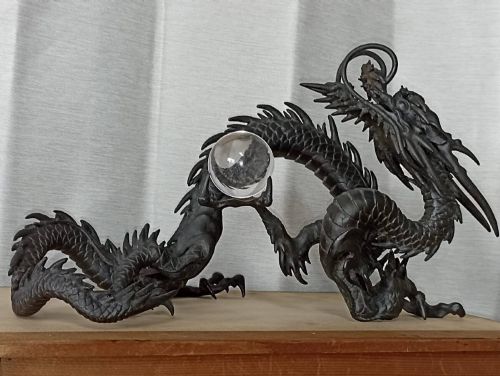
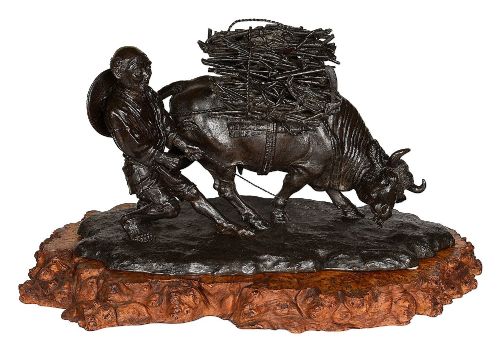
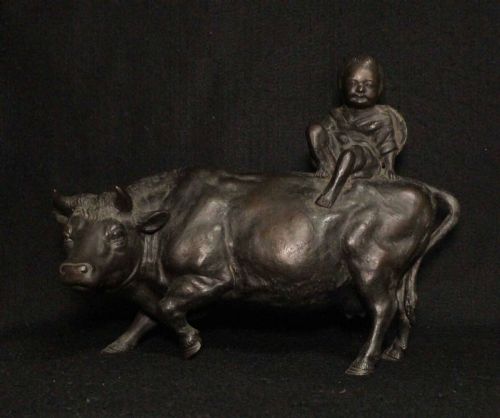
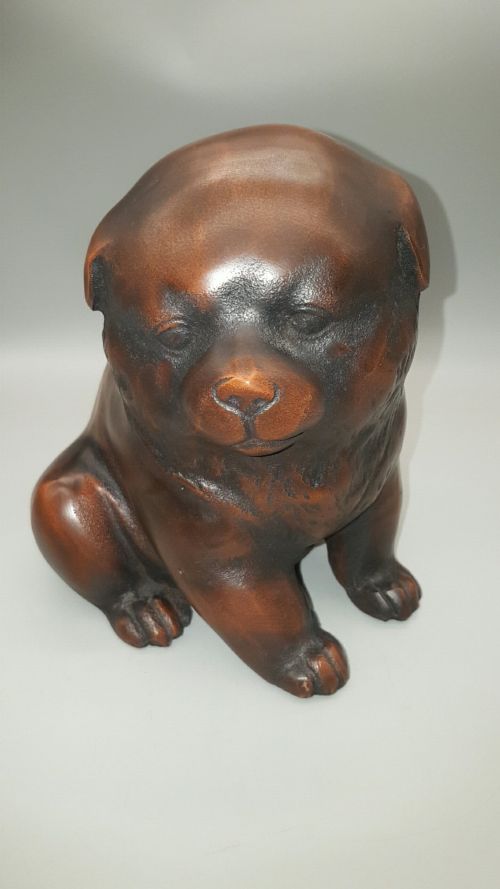
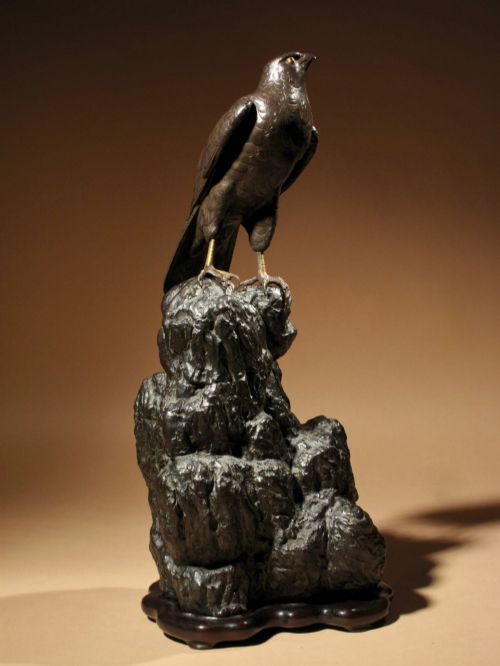
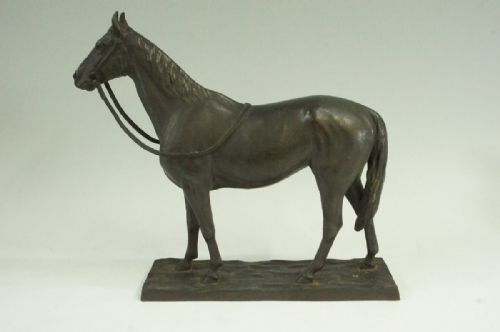
When you search for japanese cast bronze sculpture, you encounter figures, animals and architectural objects spanning the nineteenth and twentieth centuries. These works range from small tabletop okimono depicting rats, puppies and woodcutters to monumental garden pieces such as dragons, geese and bridges.
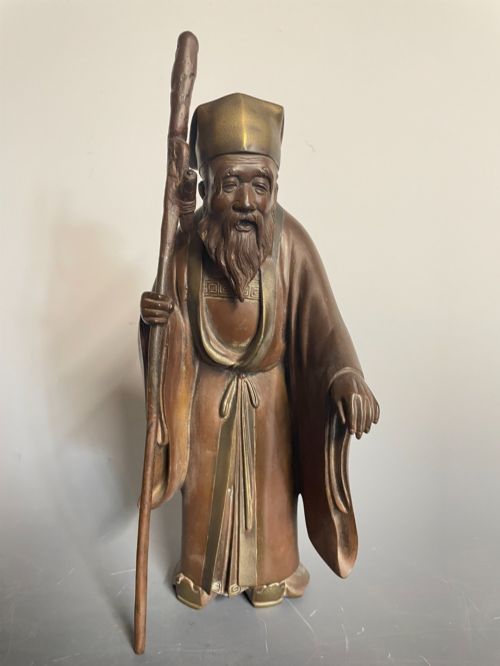
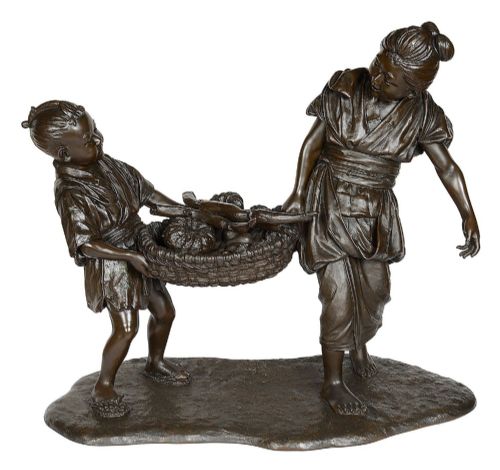
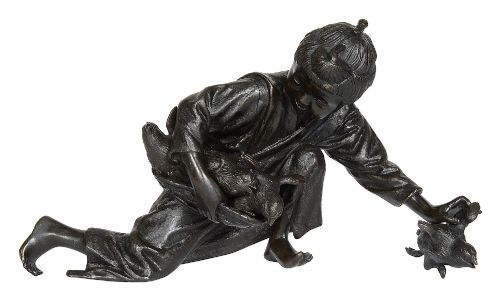
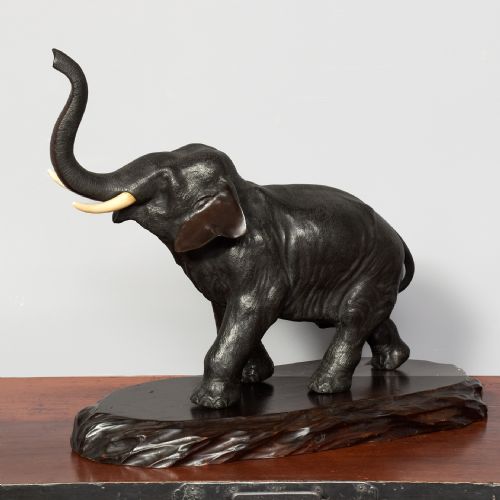
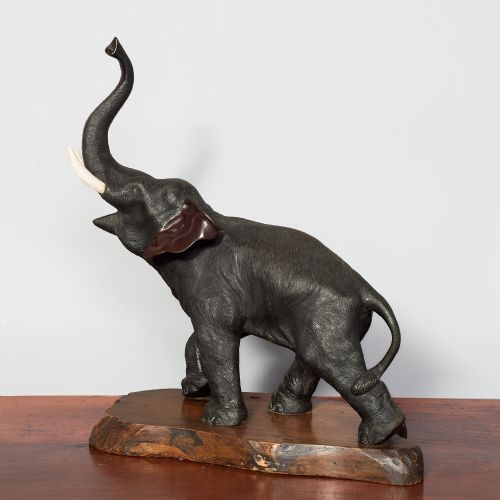
The version you are most likely to meet on this page is a Meiji period okimono rendered in patinated bronze, often incorporating inlaid details like ivory or bone. Figures of humans and animals display acute observation of natural movement and traditional costume.
What varies in quality
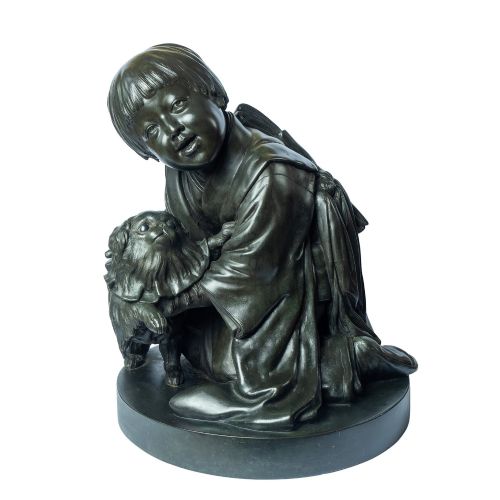
Quality rests in the fidelity of the casting and the sensitivity of the surface patination. Superior pieces display anatomical precision and lively expressions, whether portraying a working woodsman, a domestic puppy or a mythical dragon.
The integration of secondary materials like ivory tusks or diamond eyes elevates the status of a work, while monumental garden pieces depend on structural integrity and commanding presence within an outdoor landscape.
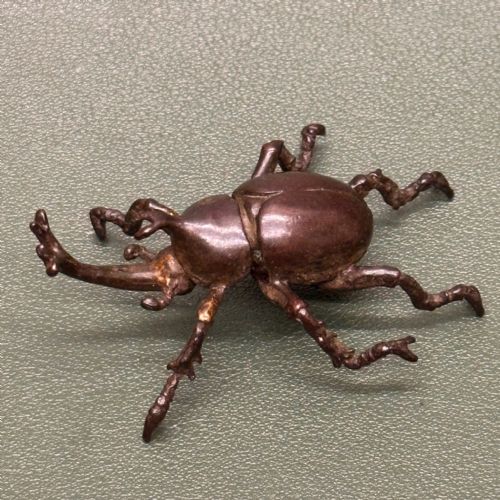
Among the menagerie of bronze animals, a rhinoceros beetle stands ready for action alongside charging elephants and domestic puppies.
Tsunemitsu·Masaaki·Kunio Itô·Kaniya Kuniharu·Sakai Kōzan
The Japanese Cast Bronze Sculpture Glossary
- Okimono
- A Japanese freestanding decorative display object designed for placement on a shelf or tokonoma. These miniature or medium-scale sculptures depict animals, figures and mythical beings.
- Meiji Period
- The era in Japanese history lasting from 1868 to 1912, characterised by rapid modernisation and exceptional metalwork artistry. Works from this period dominate traditional bronze sculpture collections.
- Patinated Bronze
- Metal treated with chemicals or heat to produce a specific surface colour and finish. This process protects the bronze while giving depth to the sculpture.
- Showa Period
- The period spanning from 1926 to 1989, representing later twentieth-century production. Pieces from this era continue traditional casting methods while reflecting modern aesthetic shifts.
- Japonisme
- The influence of Japanese art on Western aesthetics during the late nineteenth century. This movement inspired European collectors to seek out authentic bronzes from Japan.
Japanese Cast Bronze Sculpture: Frequently Asked Questions
What is an okimono?
An okimono is a traditional Japanese display piece intended for interior decoration. These sculptures sit on flat surfaces rather than hanging on walls.
They represent animals, humans and folklore subjects with remarkable detail.
How do I care for bronze?
Bronze requires minimal maintenance beyond dusting with a soft cloth. Avoid harsh cleaning products that can strip the patinated surface.
Keeping the metal away from excessive moisture protects the underlying alloy and its finish.
What is the Meiji period?
The Meiji period spans the reign of the Emperor Meiji from 1868 to 1912. This era marked a flourishing of decorative arts exported to Western markets.
Metalworkers during these decades achieved unprecedented standards in casting and patination.
Where were these sculptures placed?
Smaller okimono were displayed inside homes on display stands or shelves. Larger bronzes and garden statuary stood outdoors in courtyards or temple grounds.
Domestic figures brought nature and narrative storytelling into daily living spaces.