
Nineteenth Century Giltwood
Nineteenth century giltwood brings warmth and reflective depth to an interior through gilded mirrors, seating and tables shaped in Regency, Victorian and French styles.
Nineteenth Century Giltwood
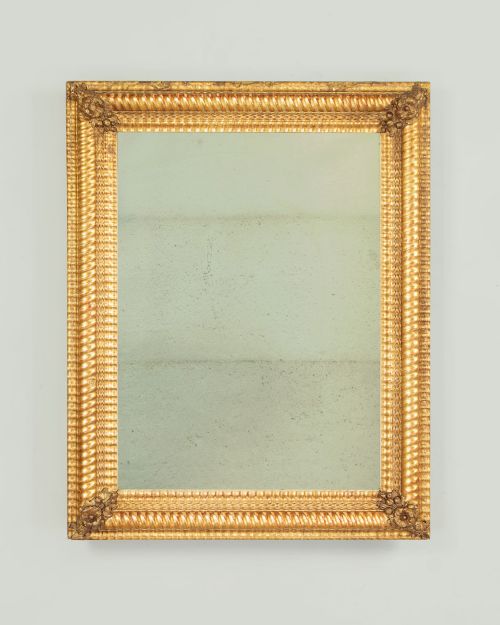
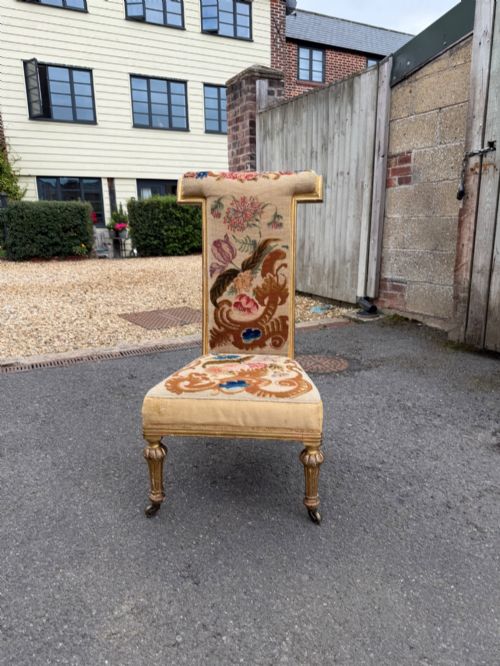
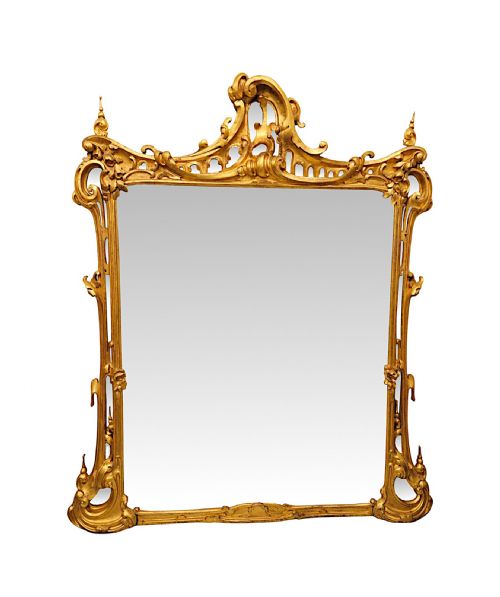
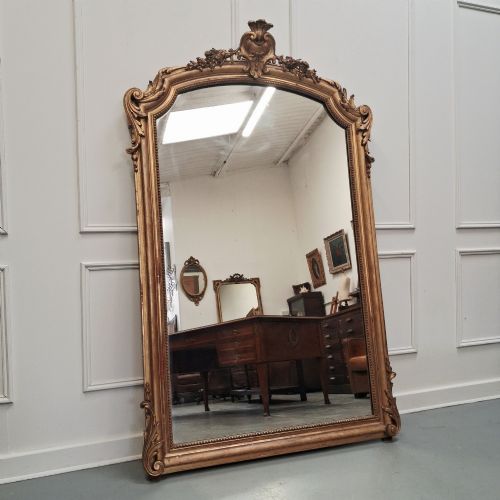
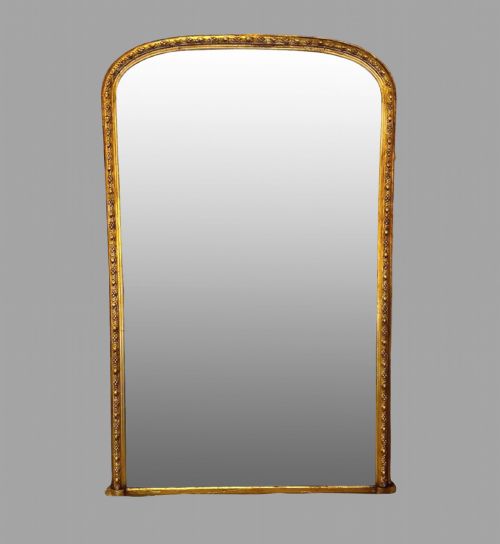
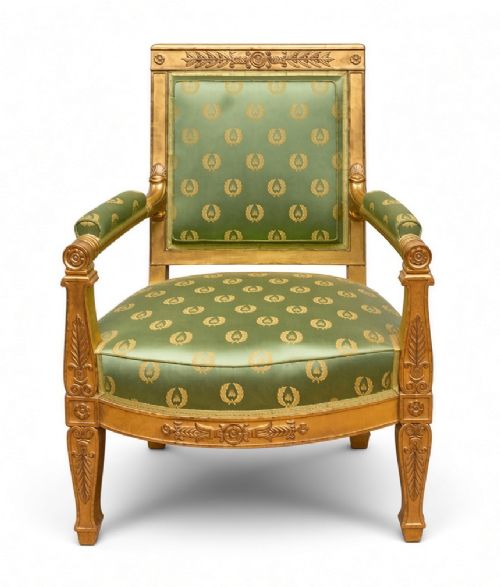
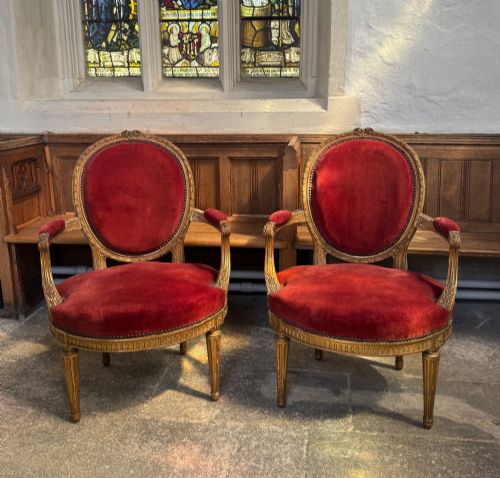
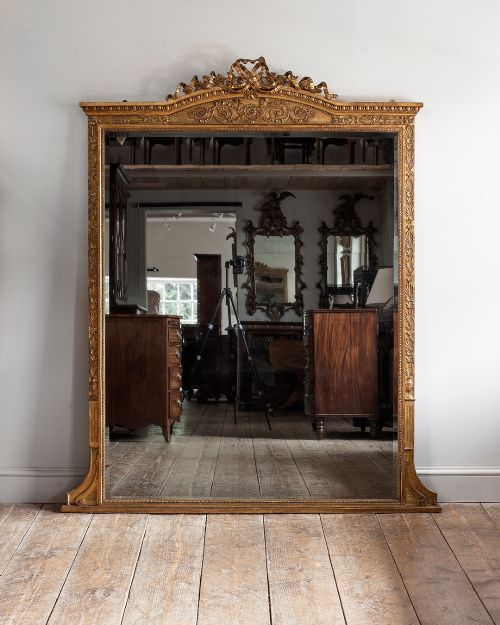
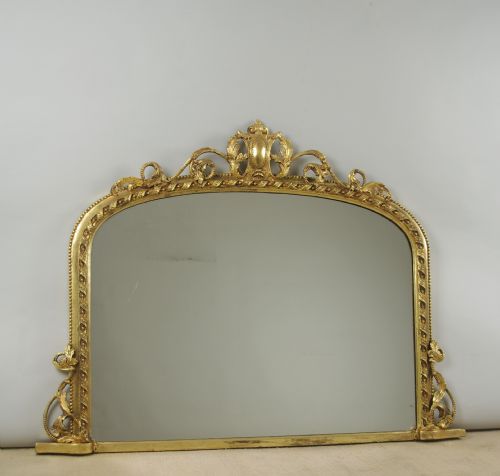
When hunting for nineteenth century giltwood, you are primarily looking at large wall and overmantel mirrors alongside seating like armchairs, fauteuils and stools. These items originate from English and French workshops spanning the Regency, Victorian and Louis XVI styles.
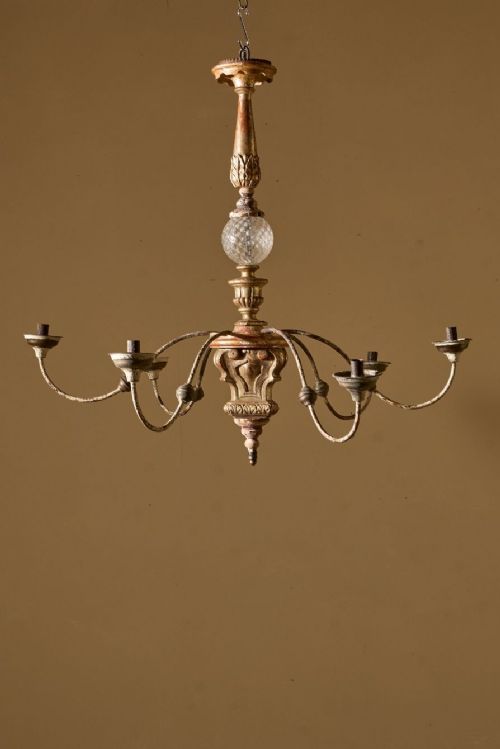
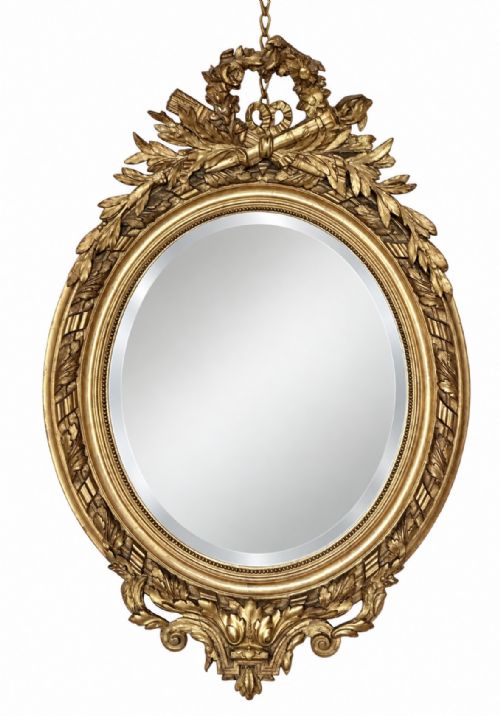
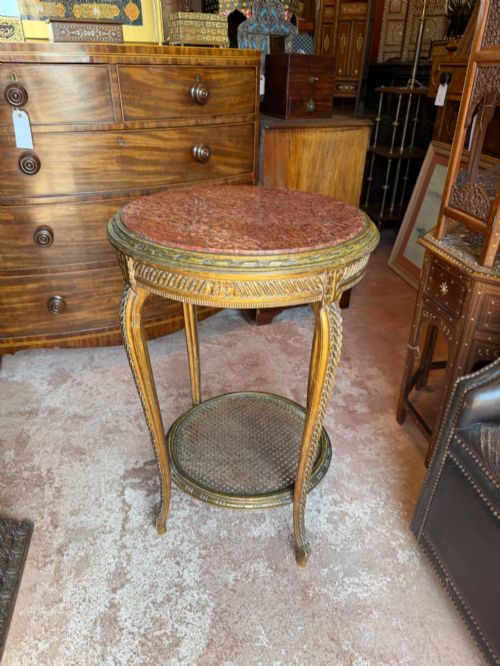
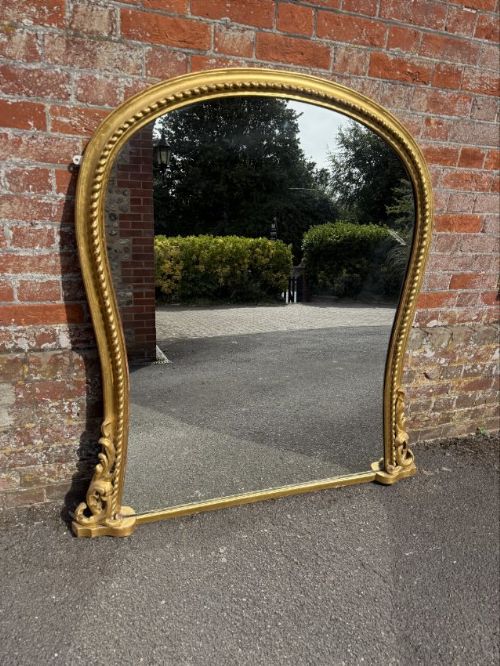
The most common items you will meet on this page are overmantel mirrors and wall mirrors framed in carved wood and gesso. Alongside these, occasional tables, console tables and candle chandeliers appear regularly.
Makers and designers from the period produced these furnishings to catch and multiply candlelight and daylight within formal reception rooms. Their forms range from simple cushion frames to ornate French chateau designs adorned with acanthus leaves and flowers.
Materials and construction
Makers built these pieces using timber frames enriched with carved wood and moulded composition or gesso layers. Gold leaf was then applied over a prepared ground to give surfaces their characteristic metallic brilliance.
Mirrors frequently incorporate original mercury plate or bevelled glass set within the gilded structure. Tables and seating utilise underlying woods like rosewood alongside structural brass elements and silk work upholstery.
Assessing quality
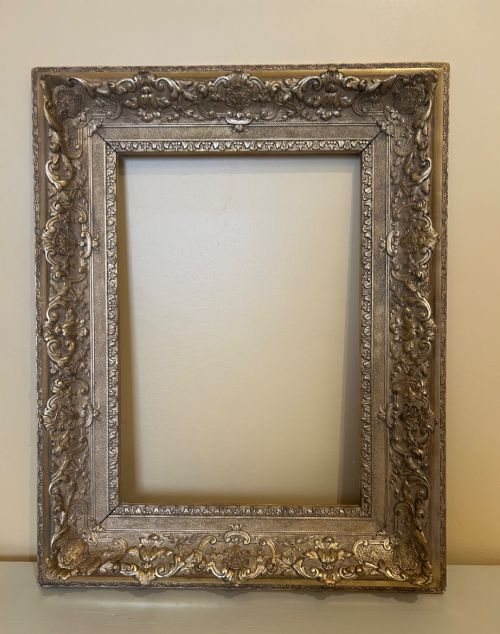
The distinction between tiers rests on the crispness of the hand-carved detail within the wood and gesso relative to moulded composition. Depth of relief and the vitality of ornamentation, such as acanthus foliage, set finer examples apart.
Surface preparation and the preservation of the original gold leaf layer dictate visual richness. Pieces retaining their early mirror glass plates or undisturbed gilding show greater integrity than later heavily restored items.
Jacob-Desmalter
The Nineteenth Century Giltwood Glossary
- Giltwood
- Wood that has been coated with gold leaf. This finish defines the reflective frames and decorative furniture of the period.
- Gesso
- A plaster-like mixture applied to wooden frames as a smooth base for gilding. It allows intricate low-relief ornamentation to be modelled before application of gold leaf.
- Overmantel mirror
- A large mirror designed to hang directly above a fireplace mantelpiece. These pieces frequently feature arched tops and landscape orientations.
- Pier mirror
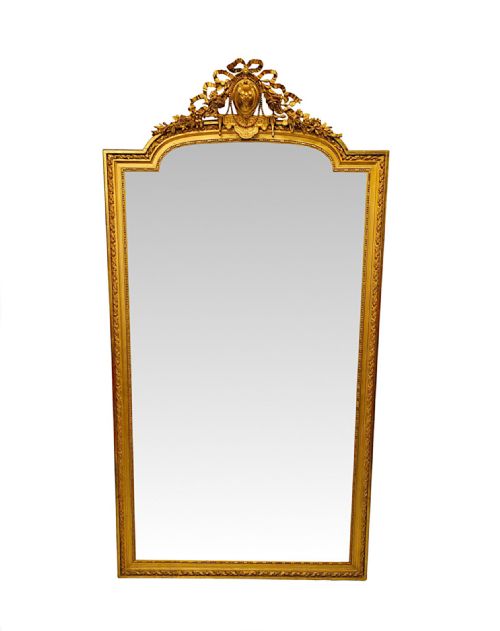
- A tall narrow mirror made to hang on the wall space between windows. They often stand above console tables.
- Fauteuil
- An open-armed upholstered armchair with exposed wooden sides. French examples from the period often display giltwood frames in various revival styles.
Nineteenth Century Giltwood: Frequently Asked Questions
How do I care for nineteenth century giltwood?
Dust surfaces gently using a soft dry brush without applying commercial polishes or water. Moisture and abrasive cloths damage delicate gold leaf and historical gesso.
Keep pieces away from direct heat sources and strong sunlight to protect the wood substrate and prevent the gilding from drying out or flaking.
What is the difference between pier and overmantel mirrors?
Pier mirrors are tall and narrow, specifically proportioned to fit the wall space situated between two windows. Overmantel mirrors are wider and built to sit horizontally above a fireplace.
Both forms utilise giltwood frames, but their intended architectural placement dictates their different dimensions and frame ornamentation.
Are French and English styles very different?
French pieces often follow Louis XVI, Louis Philippe or Second Empire aesthetics with heavy ornate carving and painted highlights. English pieces lean toward Regency, Victorian or Chinese Chippendale interpretations.
Both traditions rely on carved wood and gesso foundations covered in gold leaf, though French models frequently emphasise exuberant floral and scroll motifs.