


Antique Mirrored Bracket
An antique mirrored bracket combines reflective glass with a display shelf, bringing decorative elegance and practical charm to interior spaces.
Antique Mirrored Bracket
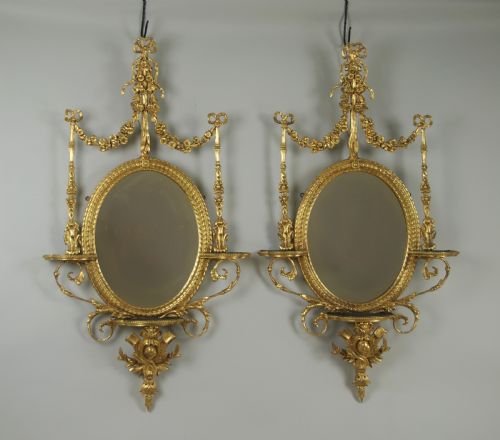
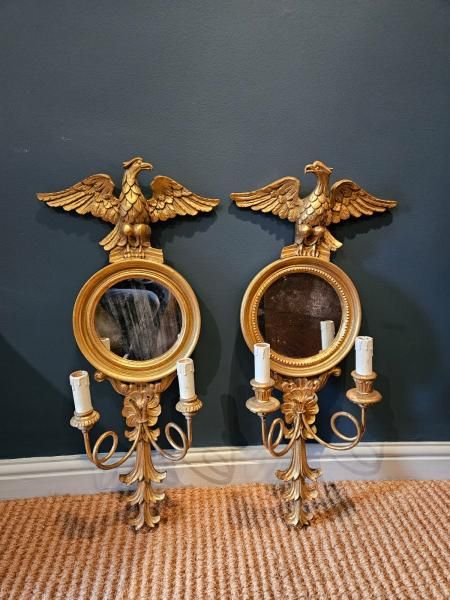
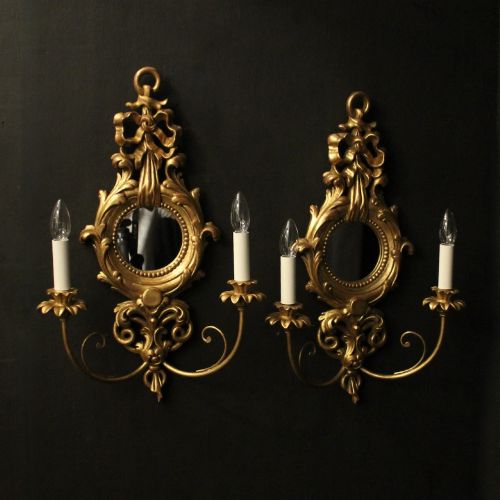
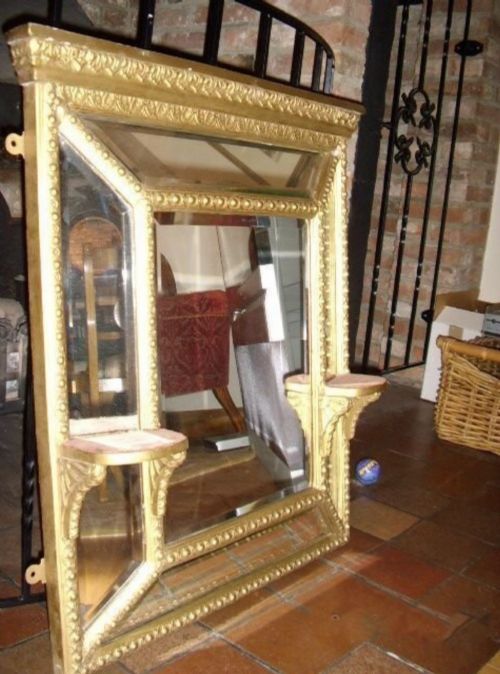
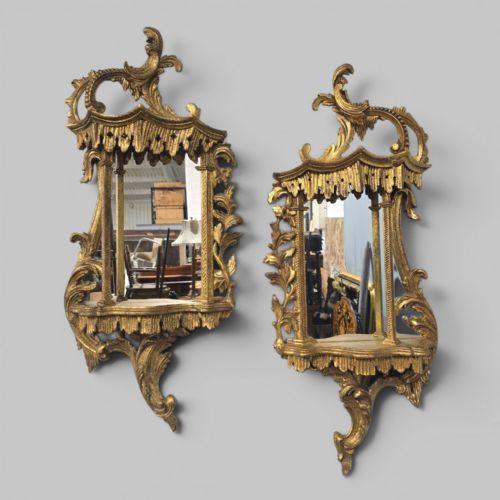
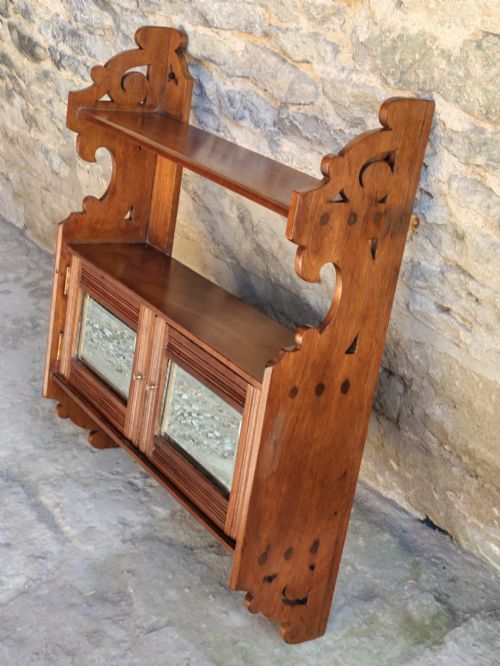
The antique mirrored bracket encompasses wall-mounted pieces that integrate reflective glass with display ledges, shelves, or twin arms for holding objects and candles. Buyers seeking an antique mirrored bracket will encounter a range of forms, from Victorian gilt display shelves to Rococo Revival girandoles and Edwardian walnut cabinets.
The evidence shows these pieces span the nineteenth and early twentieth centuries, with Victorian examples appearing frequently alongside items from the nineteen-twenties and nineteen-thirties. Materials recorded in the inventory include giltwood, gesso, mirror glass, walnut, brass, mahogany, oak, pine, and yew wood.
Stylistic variety runs from French Chateau and Neoclassical designs to Chinese Chippendale and Regency revivals. Wall mirrors, wall shelves, sconces, and pier mirrors all contribute to the diverse physical formats available to collectors.
Materials and construction methods
Makers utilised carved timber frames shaped from walnut, mahogany, oak, pine, and yew wood, often applying layers of gesso to build up intricate ornamentation before gilding the surface. Giltwood and parcel-gilt finishes require careful preparation of the wooden substrate to hold the metallic leaf securely.
Mirror glass plates were bevel cut by hand in many nineteenth-century pieces, reflecting light deeply into the room. Structural joints in hanging cabinets and console mirrors relied on traditional cabinetmaking joinery to support the combined weight of timber, glass, and displayed items.
Current listings feature wood types including walnut, mahogany, oak, pine, and yew wood alongside giltwood and gesso finishes.
Distinctions in quality and execution
Depth and crispness of hand-carved detail set finer examples apart from simpler production pieces, particularly where gesso ornaments meet wooden mouldings. The quality of the original gilding and the preservation of the silvering on the antique glass plate determine the visual impact of the piece.
Proportion and structural balance between the mirror back and the protruding display bracket indicate the skill of the original workshop. Finer pieces demonstrate harmonious integration between the reflective surface and the supporting shelf or arms.
Strahan of Dublin
The Antique Mirrored Bracket Glossary
- Giltwood
- Wood that has been coated with gold leaf or a gold-coloured finish. This technique creates a luminous surface common in Victorian and revival wall mirrors.
- Gesso
- A plaster-like mixture applied to wood frames to create a smooth surface for carving and gilding. Artisans used it to build up high-relief decorative motifs.
- Girandole
- A branched wall-mounted bracket equipped with candles or lights, paired with a mirror. The reflective glass amplifies the candlelight in the room.
- Pier glass
- A tall mirror designed to hang on the wall between windows, often placed above a matching console table or bracket. These pieces maximise light in domestic interiors.
- Bevel cut
- An angled edge ground along the perimeter of a mirror plate. This technique creates a prismatic light refraction characteristic of better glass.
Antique Mirrored Bracket: Frequently Asked Questions
How were mirrored brackets used originally?
These pieces served to hold small decorative objects, porcelain, or candles while reflecting ambient light into darker corners of nineteenth-century rooms.
Positioned between windows or above console tables, they maximised illumination before the widespread adoption of electric lighting.
What styles are most common?
Victorian and Rococo Revival designs dominate the selection, featuring elaborate giltwood frames and carved display shelves.
Edwardian and later twentieth-century pieces also appear, offering cleaner lines in walnut, mahogany, or oak.
Can these brackets support heavy objects?
The display ledges are generally suited for light porcelain, small clocks, or decorative ornaments rather than heavy items.
Wall attachment method and frame construction dictate the actual weight capacity of each individual bracket.
How do I distinguish between periods?
Nineteenth-century examples frequently employ heavy gesso over carved wood with mercury or early silvered mirror plates.
Later pieces from the nineteen-twenties and thirties often feature simpler timber frames or distinct revival styling.