



Nineteenth Century Fire Screen
These nineteenth century fire screen examples range from tripod pole screens to gilt bronze panels, keeping domestic hearths comfortable while adding period character.
What a nineteenth century fire screen is
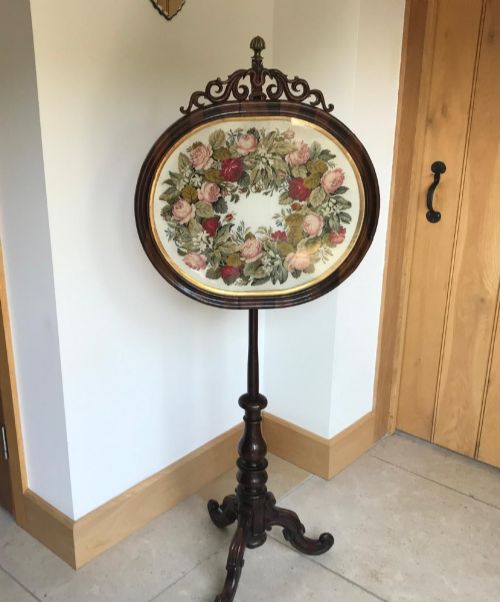
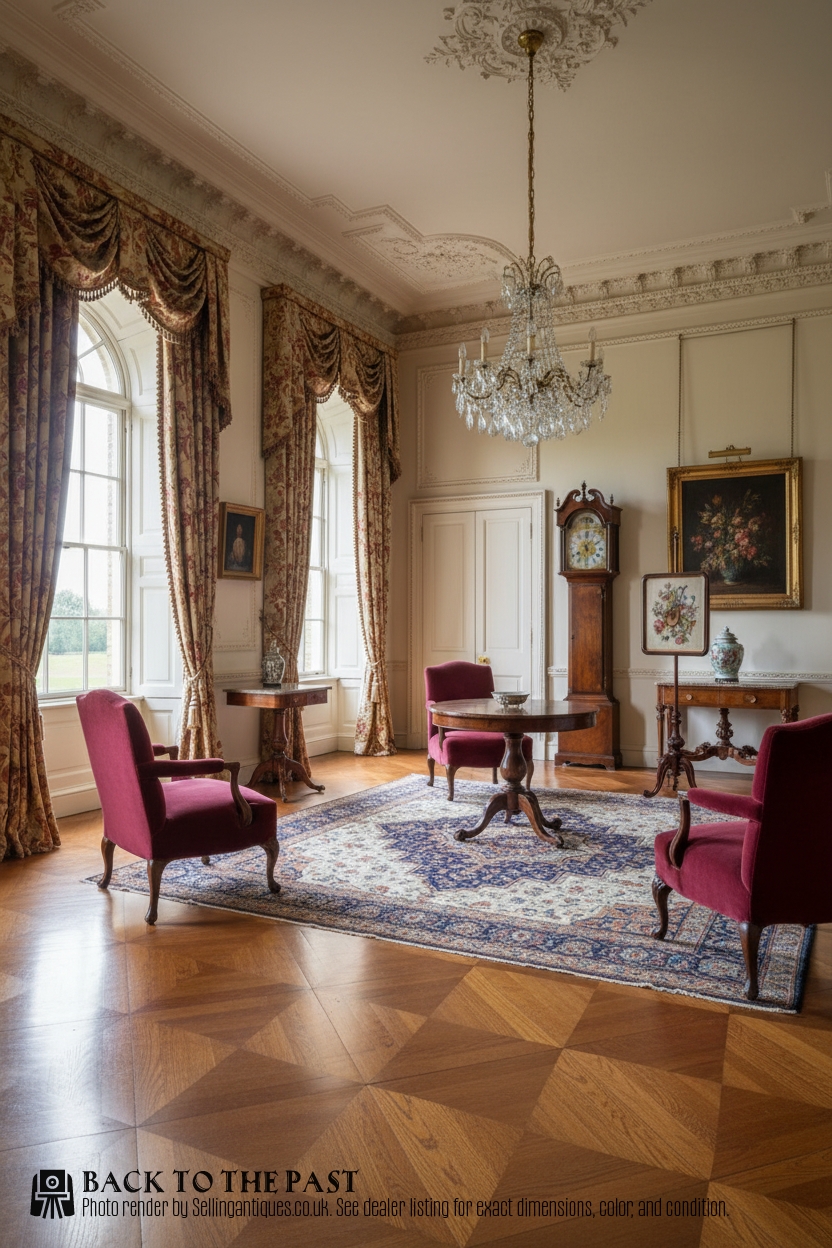
A nineteenth century fire screen sits before a domestic hearth to block excess radiant heat or to conceal an unlit grate during warmer months. The selection typically takes the form of either a pole screen standing on a tripod base or a folding panel screen.
Most entries belong to the Victorian period, appearing alongside pieces from the 1850s to the 1870s. Regional British examples sit alongside French Empire Revival items.
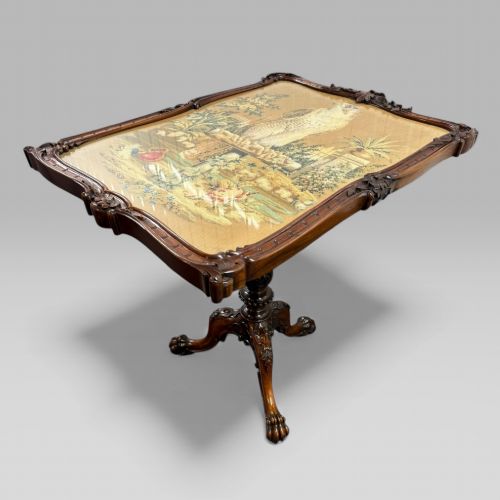
The dominant formats comprise rosewood and mahogany pole screens accompanied by carved walnut and gilt bronze standing screens. Textile panels feature prominently as the central visual element.
Materials and construction
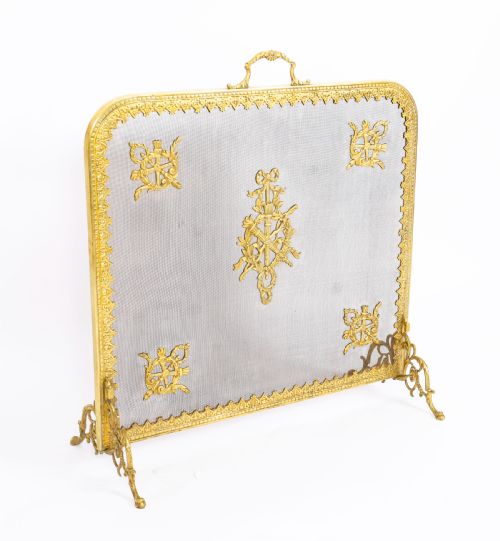
Frames utilise dense timbers including rosewood, mahogany, satinwood and walnut, shaped through turning and carving. Certain iterations incorporate gilt bronze mounts to articulate classical revival motifs.
Working surfaces rely on textile insertions, specifically wool textiles and floral tapestry. Pole variations mount these panels upon adjustable vertical shafts supported by tripod bases.
Protective elements incorporate wire mesh in specific configurations. Joinery methods reflect standard nineteenth-century cabinet-making practices suited to domestic furniture.
Retail Price Guide 2026
Typical UK retail prices for nineteenth century fire screen, calculated from the Sellingantiques database of over a million retail prices indexed since 2003. This retail price guide relies exclusively on Sellingantiques data; no external sources or auction records are used, so the figures do not describe the wider market.
Current listings span the Victorian era specifically between 1850 and 1870, incorporating rosewood, mahogany, satinwood, walnut, brass, gilt bronze and wire mesh.
Distinctions in quality
Quality rests in the sculptural ambition of the woodwork and the fidelity of the revival style applied. Carved walnut baronial designs and French Empire gilt bronze pieces represent more elaborate undertakings than plain turned supports.
The sophistication of the textile insert dictates visual success. Hand-worked floral tapestry and classical trophies demand greater artisanal input than simpler woven textiles.
Materials selection establishes the baseline, with richly grained rosewood and satinwood sitting above standard domestic hardwoods.
The Nineteenth Century Fire Screen Glossary
- Pole screen
- A vertical standing screen with an adjustable panel that slides up and down a central wooden shaft. This form allowed occupants to adjust the screen height to shield their faces from hearth heat.
- Tripod base
- A three-legged support structure commonly found beneath pole screens. It provides stability on uneven floorboards.
- Tapestry
- Hand-woven or hand-stitched textile art mounted within the frame of the screen. These panels frequently display floral or classical pictorial subjects.
- Gilt bronze
- Metal cast and treated with a gold-coloured finish. This material appears on French Empire Revival frames to highlight decorative mounts.
Frequently Asked Questions
What was the purpose of a nineteenth century fire screen?
These screens served a practical domestic function by shielding individuals from the intense heat of coal or wood fires. They also masked empty hearths during the summer months.
Positioned strategically in the room, they protected facial complexions from excessive heat while contributing to the overall interior scheme.
How do pole screens differ from panel screens?
Pole screens feature a vertically adjustable panel mounted on a central standing pole, typically with a tripod base. This allows the user to raise or lower the textile insert.
Panel screens stand independently on feet without an adjustable central shaft, offering a fixed surface area for display.
What woods were used for nineteenth century fire screens?
Cabinet makers utilised a range of dense hardwoods suited to carving and turning. Rosewood, mahogany, satinwood and walnut appear frequently across the period.
Choice of timber often aligns with prevailing interior fashions, from dark polished rosewood to lighter satinwood.
How do you identify French Empire Revival styles?
French Empire Revival pieces often incorporate gilt bronze mounts and classical motifs. These designs draw inspiration from earlier continental forms.
The inclusion of specific decorative elements like classical trophies distinguishes them from standard British country house furniture.