




Nineteenth Century Earthenware
Nineteenth century earthenware comprises diverse ceramic objects created for domestic display and utility, offering collectors rich historical character and varied traditional forms.
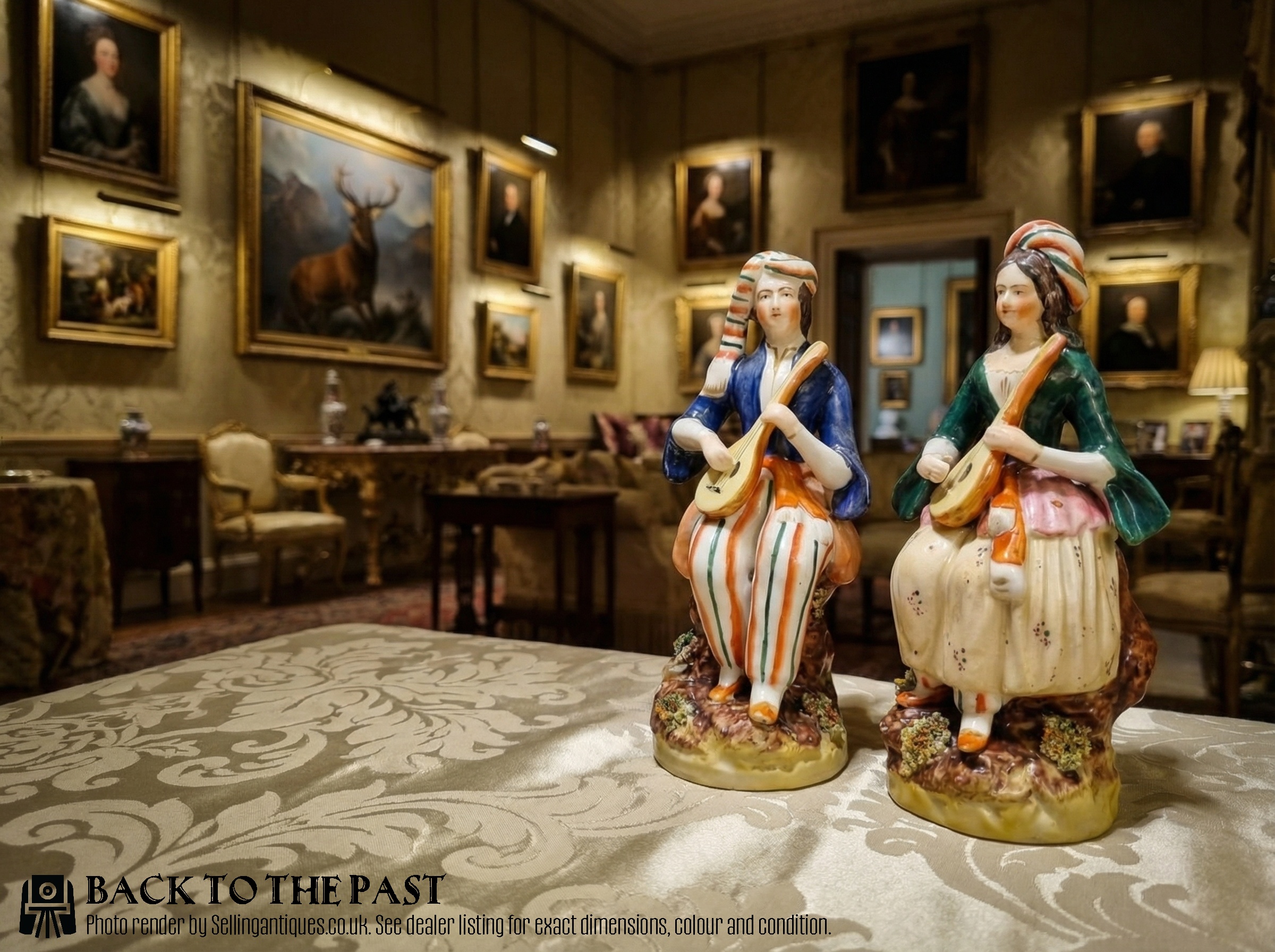
Nineteenth Century Earthenware
Nineteenth century earthenware encompasses a wide variety of utilitarian and decorative objects produced across Britain, Europe, and Asia. Collectors searching this phrase encounter everything from functional kitchenware to ornate mantel ornaments.
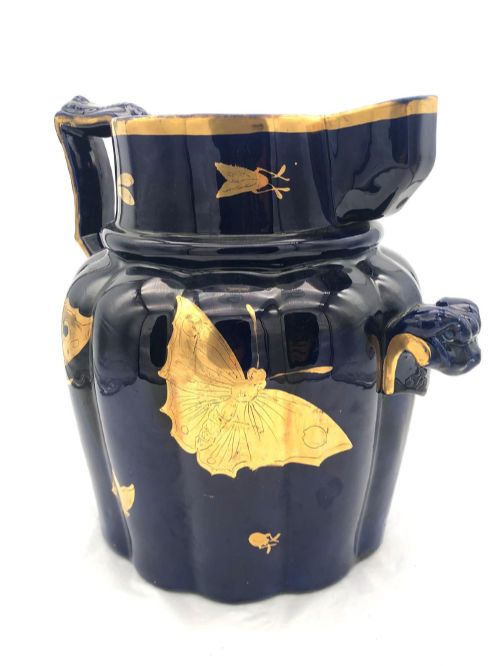
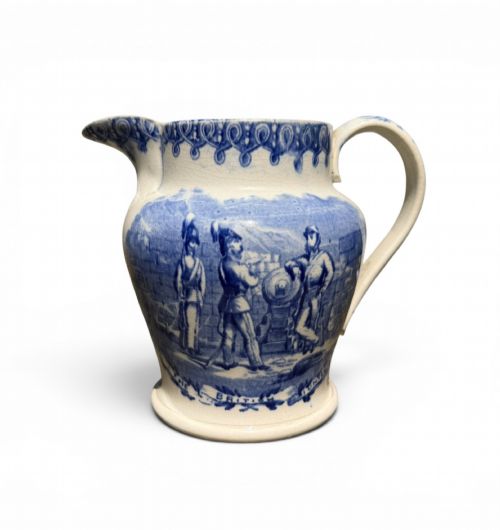
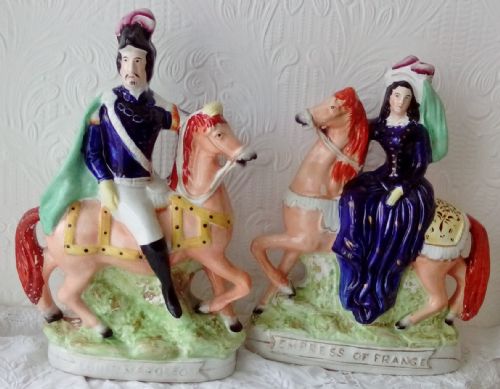
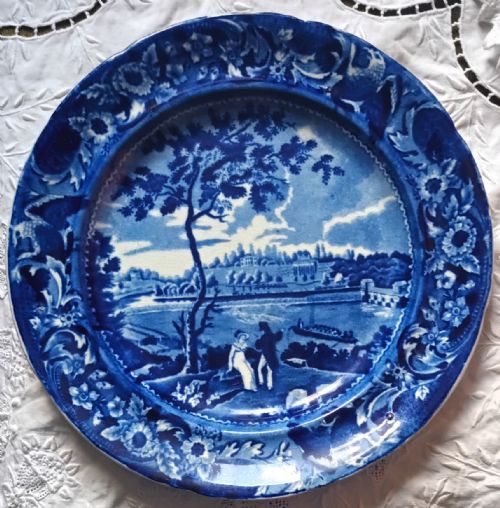
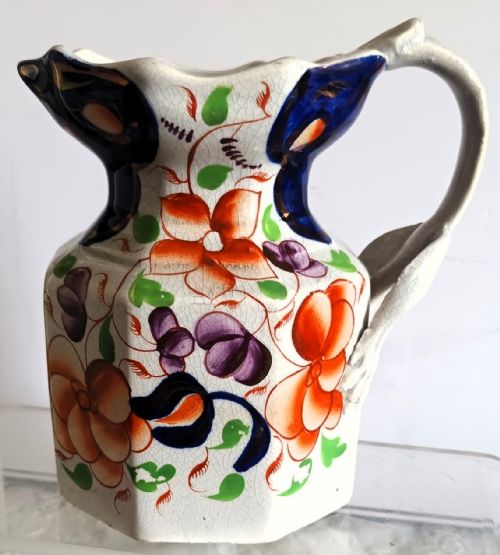
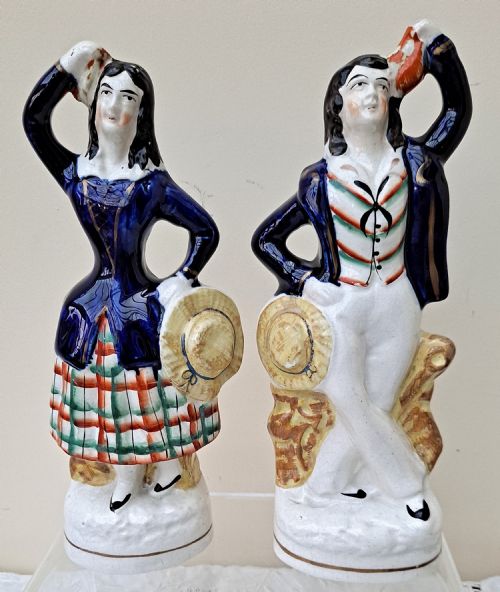
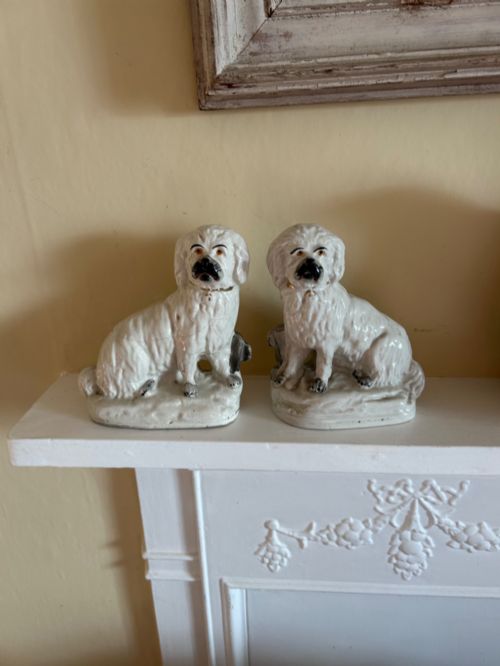
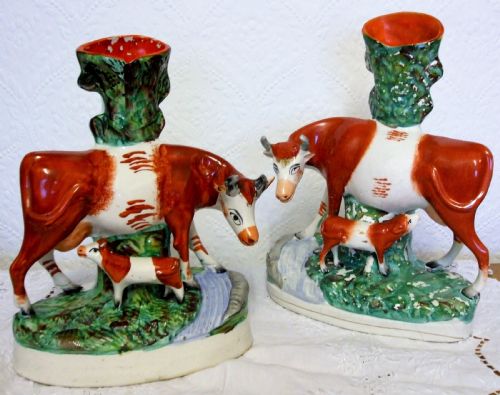
The pieces appearing on this page most frequently include Staffordshire portrait figures, animal models, transfer-printed plates, and glazed jugs. These objects reflect the changing tastes of domestic interiors throughout the Victorian and Georgian eras.
Vessels and figures from this period bridge the gap between industrial production and traditional craftsmanship. Many survive in remarkable condition, showing the everyday material culture of the nineteenth century.
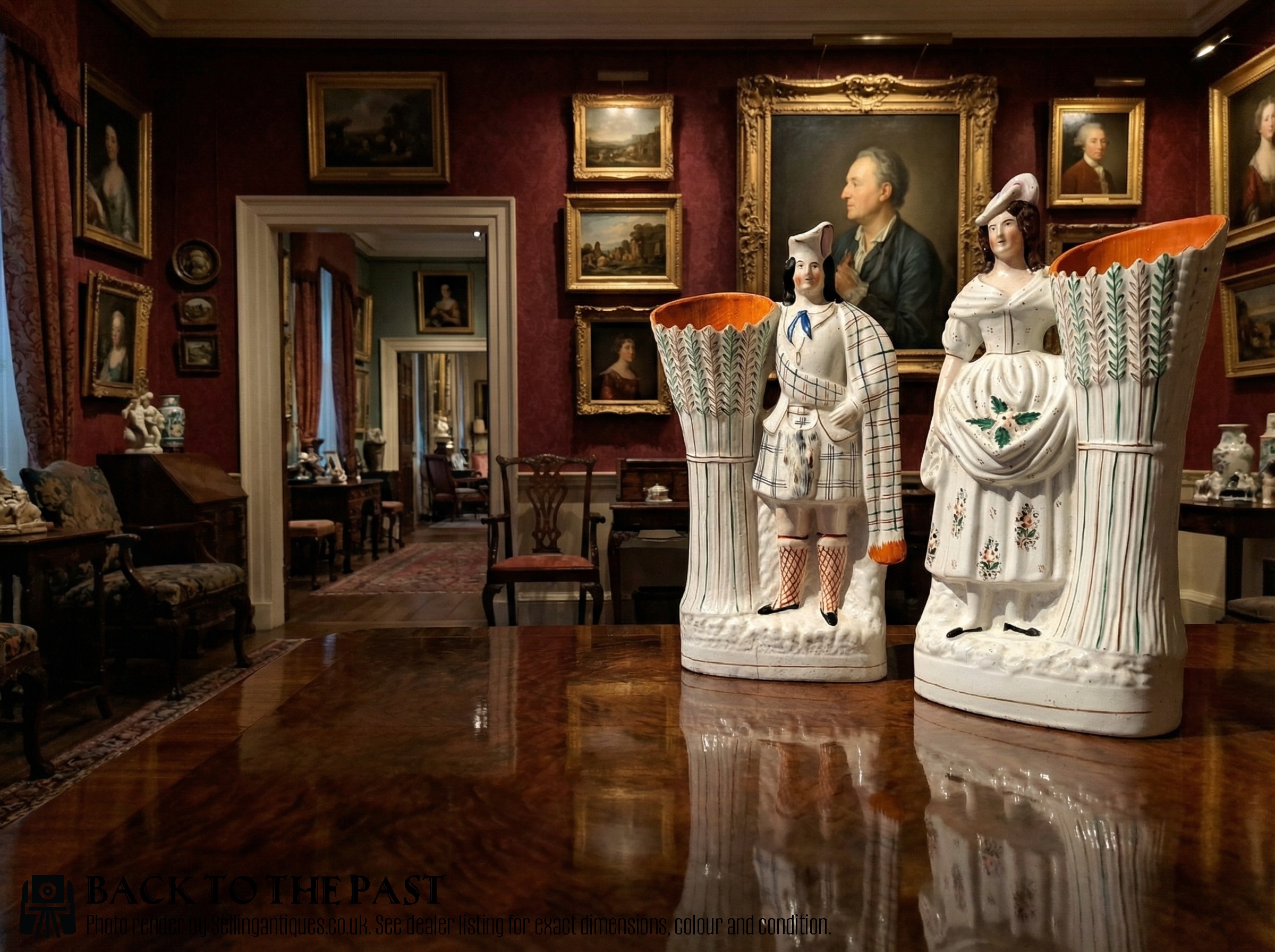
Materials and production methods
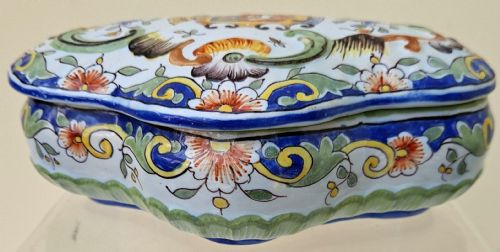
Potters utilised porous clay bodies finished with transparent lead glazes, tin opacifiers, or colourful enamel decoration. Ironstone and pearlware provided refined surfaces suitable for detailed transfer-printing and hand-painting.
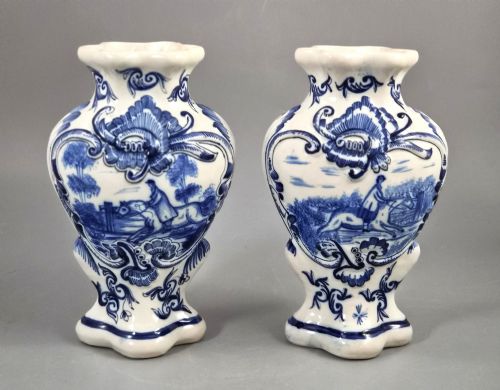
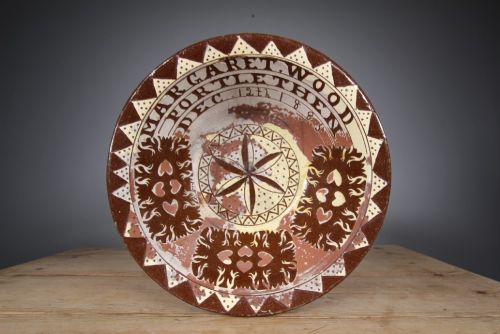
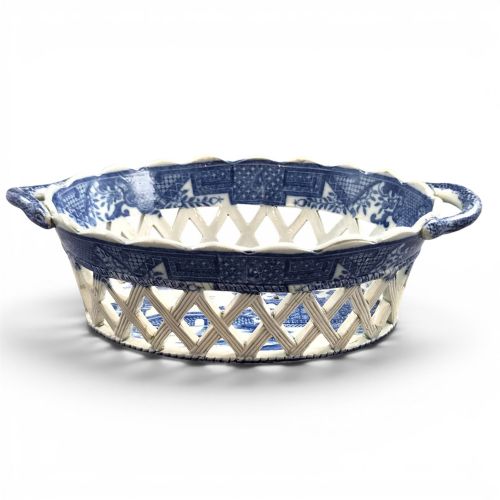
Techniques ranged from slipware trailing and press-moulding to elaborate majolica moulding and rich blue and white transfer printing. Kiln firing methods determined the final hardness and absorption rate of the ceramic body.
A curious Victorian pottery pig sculpture from Normandy shares shelf space with fierce ceramic lions and a watchful frog mug.
Distinctions in quality
The application of glaze and enamel colours also separates standard production items from masterworks. Clean firing without heavy kiln blemishes marks the upper tier of these wares.
Fourmaintraux-Courquin·Royal Bonn·Spode·Stubbs·Mann Co·Bernard Bloch·C.J. Mason
The Nineteenth Century Earthenware Glossary
- Pearlware
- A refined earthenware developed in the late eighteenth century featuring a subtle bluish glaze that pooled in recesses. This body served as a popular canvas for transfer-printed landscapes and botanical patterns.
- Slipware
- Pottery decorated with liquid clay applied to a contrasting clay body before firing. Artisans manipulated the slip to create distinctive marbled or trailed patterns.
- Transfer printing
- A mechanical method of applying complex decorative patterns to ceramics using engraved copper plates and tissue paper. This technique allowed potteries to produce uniform narrative scenes and botanical designs efficiently.
- Majolica
- A heavy earthenware covered with an opaque tin-lead glaze and brightly coloured metallic oxide paints. Victorian potteries used this style to create sculptural jardinières and garden seats.
- Spongeware
- Earthenware decorated by dabbing pigment onto the porous surface using a natural sponge. The resulting mottled effect created rustic, durable patterns for everyday household vessels.
Nineteenth Century Earthenware: Frequently Asked Questions
What are nineteenth century earthenware figures?
These decorative ceramic sculptures typically depict historical personalities, theatrical characters, domestic animals, and pastoral scenes designed for mantelpiece display.
Potters cast them in moulds and hand-painted the details with enamel colours over a glaze before firing them in kilns.
How should I care for earthenware?
Keep these pieces away from direct sunlight and dramatic temperature fluctuations to protect the glaze and enamel decorations. Dust them gently with a dry, soft cloth rather than submerging them in water.
Because earthenware is a porous ceramic body, washing old pieces risks driving moisture into historic hairline cracks or crazing.
What is the difference between ironstone and standard earthenware?
Ironstone is a dense, highly durable type of vitrified earthenware patented to achieve the strength of porcelain while remaining cheaper to produce. It withstands heavier daily use than traditional porous earthenware bodies.
Plates and footbaths made from ironstone generally feel heavier and exhibit greater resistance to chipping than standard nineteenth-century kitchen ceramics.