
Nineteenth Century Commode
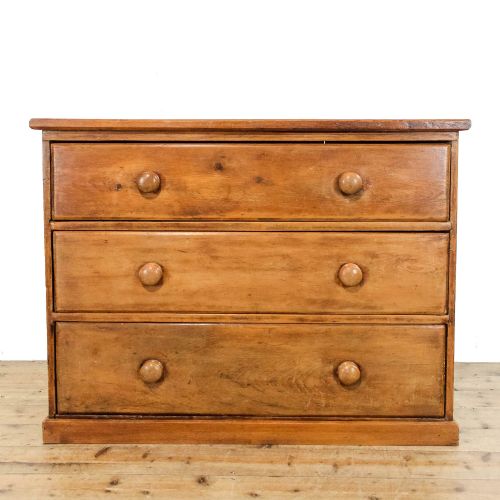
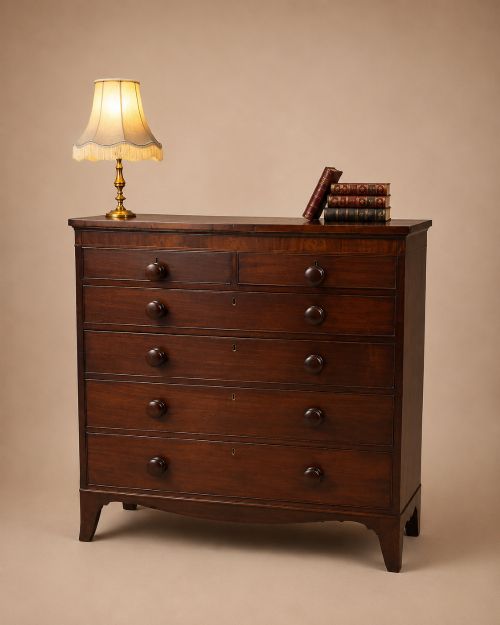
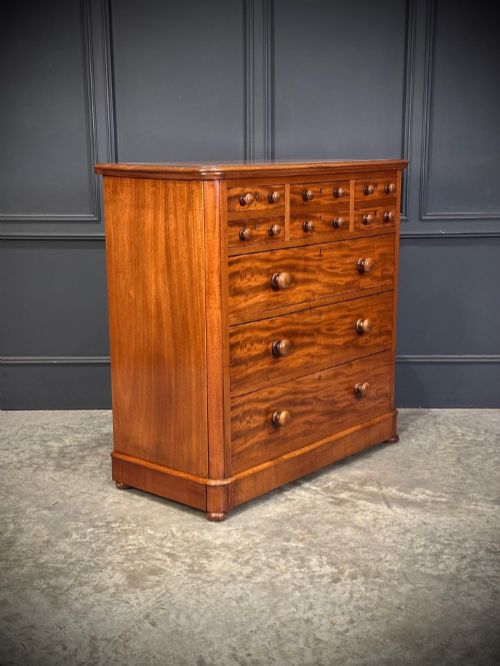
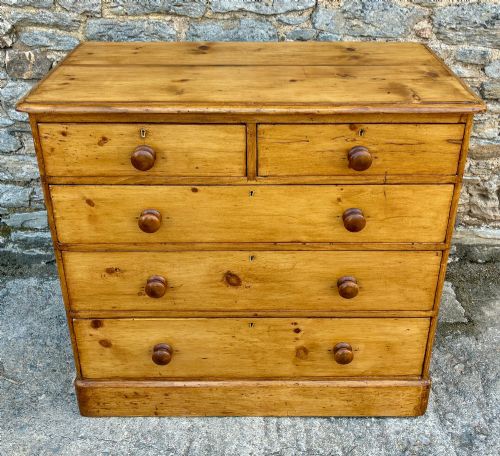
A nineteenth century commode brings together practical storage and striking craftsmanship, offering substantial presence and rich timber figures for the home.
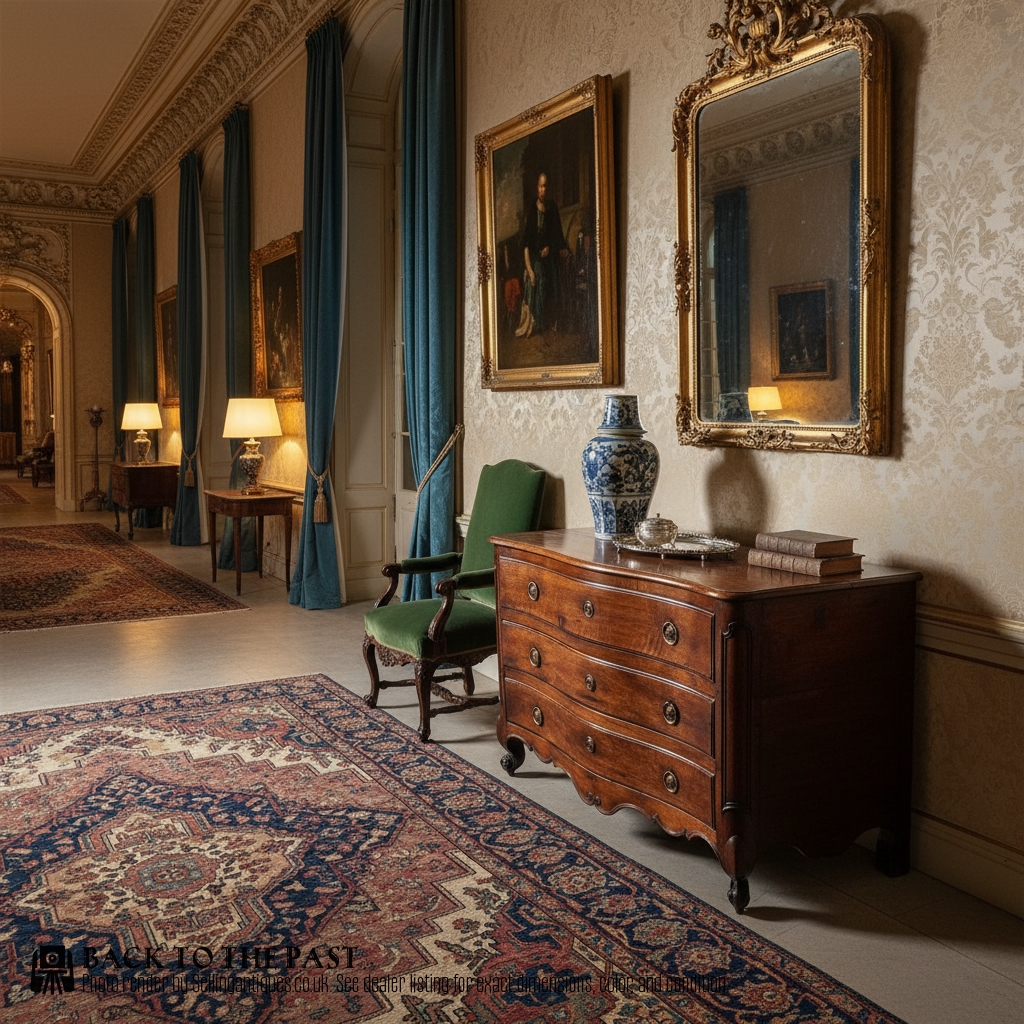
Nineteenth Century Commode
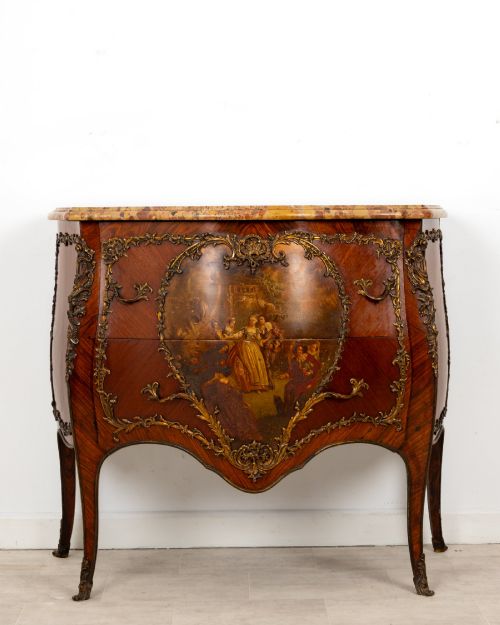
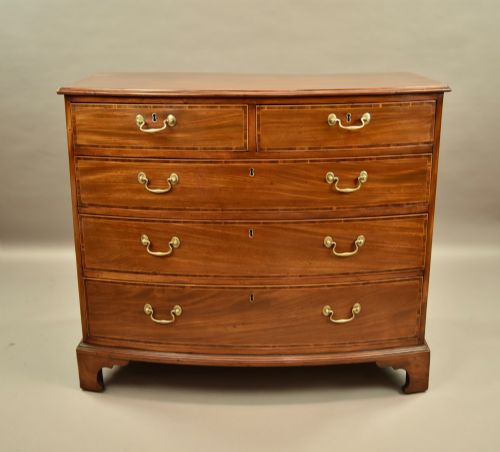
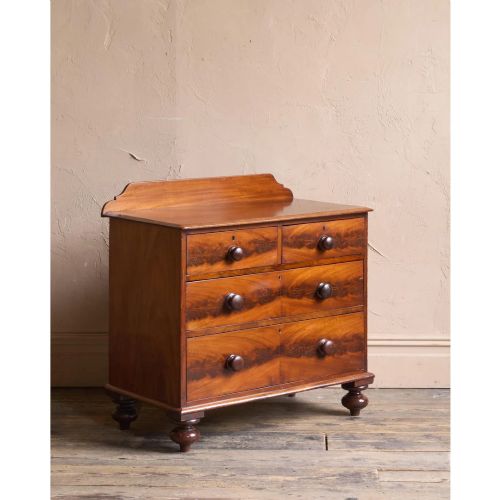
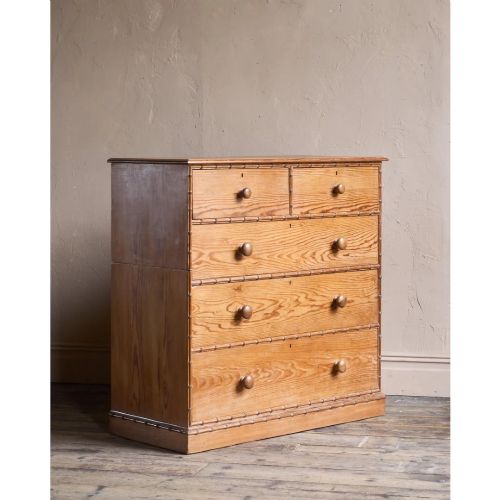
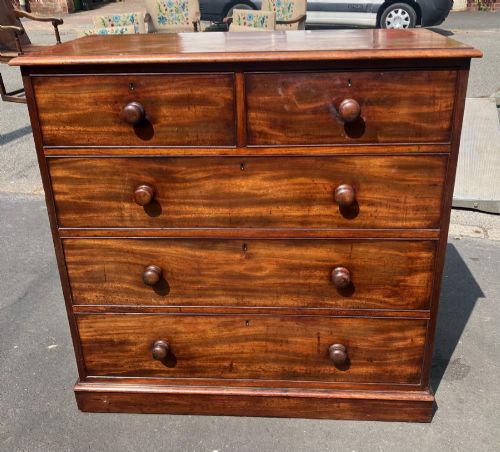
When you search for a nineteenth century commode, you encounter a wide variety of robust storage forms rooted in periods from Regency to Victorian. The selection spans straightforward timber chests of drawers alongside French marble-topped commodes and serpentine shapes.
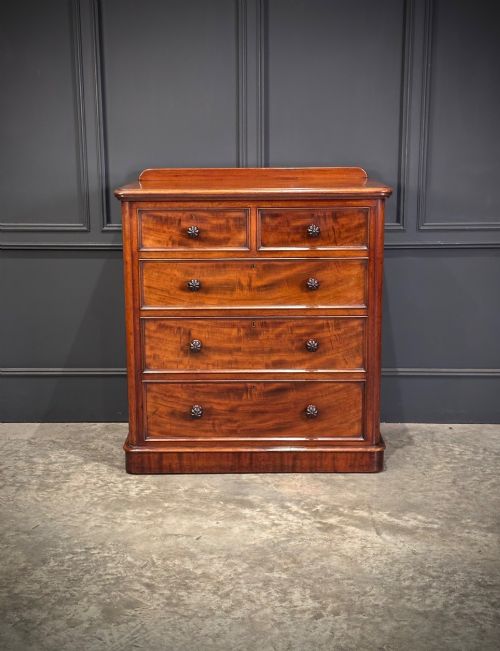
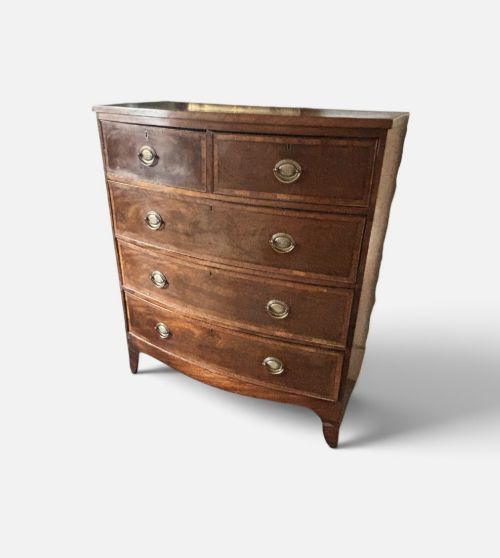
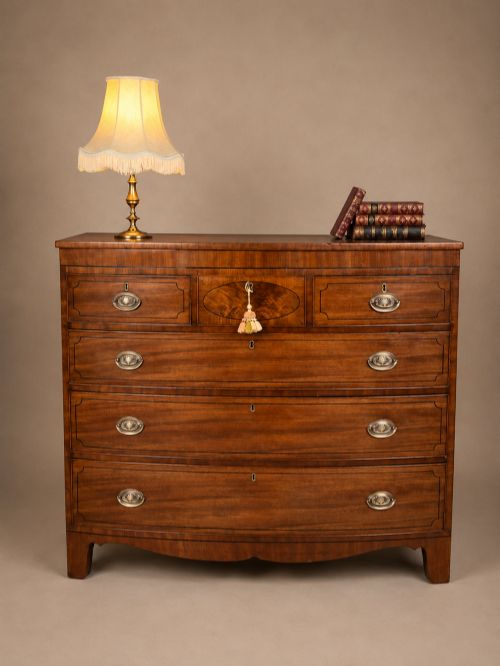
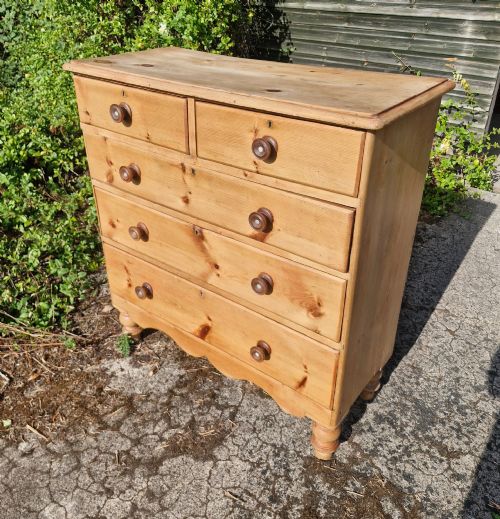
Mahogany and pine dominate the pieces seen here, often enhanced by flame veneers or satinwood crossbanding. Formats range from bow fronts to tall four-height chests and specialised side cabinets.
English examples favour linear mahogany constructions, while continental pieces frequently introduce marble surfaces and painted finishes. Biedermeier and Louis XV Revival influences appear across the inventory, reflecting diverse continental tastes.
What varies in quality
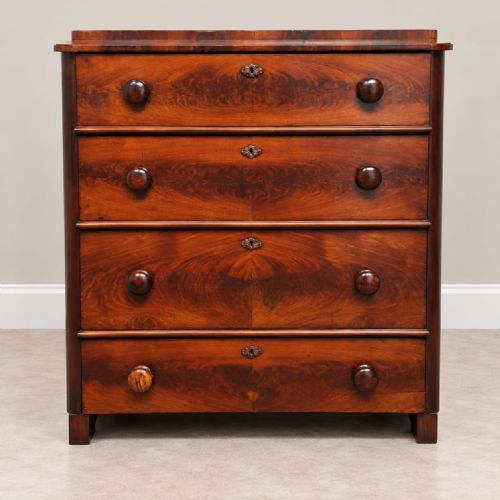
The choice of timber creates a fundamental distinction, moving from utilitarian pine to finely figured flame mahogany or kingwood veneers. Matched grains across drawer fronts demand higher skill from the cabinet maker.
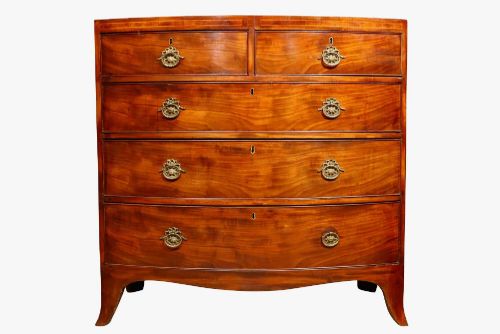
Hardware and mounts separate standard production from superior output. Hand-chased gilt-bronze mounts or original brass handles elevate French commodes and English chests alike.
Proportion and secondary woods dictate refinement. Oak linings and harmonious bow fronts or serpentine contours reflect careful planning, whereas simpler constructions prioritize plain utility.
Nineteenth Century Commode Retail Price Guide 2026
Typical asking prices for nineteenth century commode among the pieces listed under this phrase on Sellingantiques today, from the lower quarter to the upper quarter. They describe what is for sale here now, not the wider market.
The inventory combines English bow front chests with continental marble top commodes and side cabinets.

Howard and Sons·Edwards and Roberts
The Nineteenth Century Commode Glossary
- Bow front
- A convex curved cabinet or chest front that projects outwards in the centre. This shape was particularly popular during the Regency and Victorian periods.
- Crossbanding
- A narrow strip of veneer applied perpendicularly to the grain of the main surface. It creates a contrasting border around drawer fronts or tabletops.
- Serpentine
- A wave-like shape featuring a convex centre flanked by concave sides. It requires advanced woodworking skill to execute cleanly on large case pieces.
- Vernis Martin
- A type of translucent lacquer finish developed in France to imitate East Asian lacquer work. It is found on decorative continental commodes.
- Biedermeier
- A Central European style characterised by utilitarian comfort and clean lines. It highlights natural wood grain rather than ornate carving.
Nineteenth Century Commode: Frequently Asked Questions
What is a nineteenth century commode?
A nineteenth century commode is a freestanding storage piece encompassing English chests of drawers and continental marble-topped cabinets. They were produced in styles ranging from plain pine to ornate Louis XV Revival.
Cabinet makers utilised mahogany, walnut, and exotic veneers to build these sturdy storage units. They served primarily for clothing and linen storage in bedrooms and reception rooms.
How do I style one at home?
These pieces fit naturally into both traditional and modern interiors, providing a grounding focal point against plain walls. Their generous top surfaces accommodate lamps, mirrors, or art displays.
Because they offer deep drawers, they function well in hallways, living rooms, or bedrooms for everyday organisation. Matching the rich wood tones with neutral surroundings allows the grain to stand out.
How do I tell Regency from Victorian?
Regency pieces often display cleaner architectural lines, restrained brass accents, and rich flame mahogany veneers. They frequently feature bow fronts constructed around the early decades of the century.
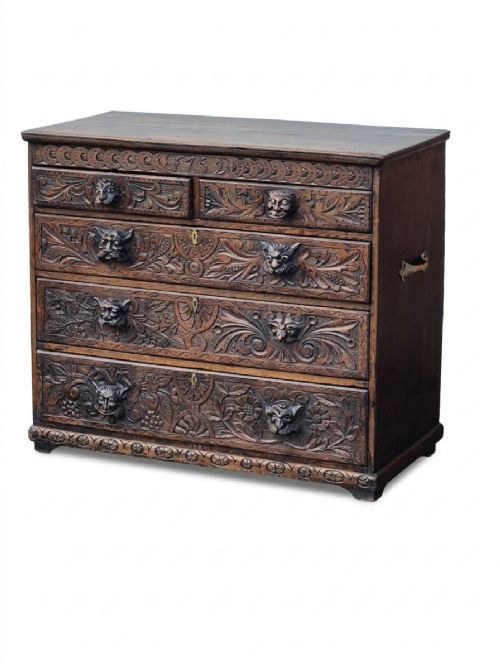
Victorian examples tend towards heavier proportions, darker finishes, and occasionally elaborate carving such as Green Man motifs. Pine variants and Gothic Revival styles also emerge more frequently in the later Victorian era.
What is the difference between English and French pieces?
English pieces seen here lean towards utilitarian mahogany and satinwood chests of drawers with straight or bow fronts. They rely on timber figure and brass hardware for their decorative impact.
French commodes frequently incorporate shaped bombe bodies, marble tops, and gilt-bronze mounts. They often feature painted finishes or kingwood veneers in revival styles.