


Nineteenth Century Coffee Table
Nineteenth century coffee table pieces combine period craftsmanship with low-slung proportions, offering practical surfaces that anchor a modern sitting room.
Nineteenth Century Coffee Table
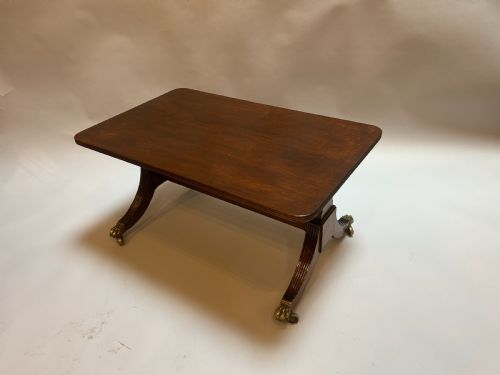
A nineteenth century coffee table is frequently formed from converted earlier furniture, such as lowered wine tables, tray stands, luggage racks, and ottomans, rather than pieces originally built at low table height. These items arrive from diverse origins including Victorian workshops, French studios, Swedish provinces, and Anglo-Indian makers.
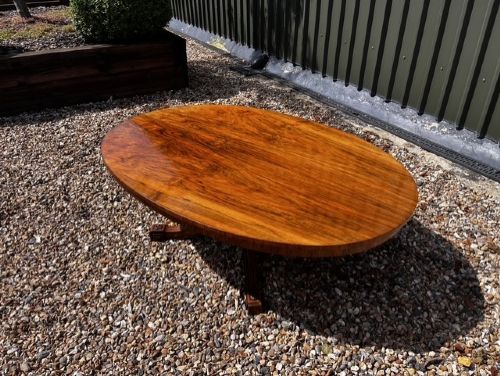
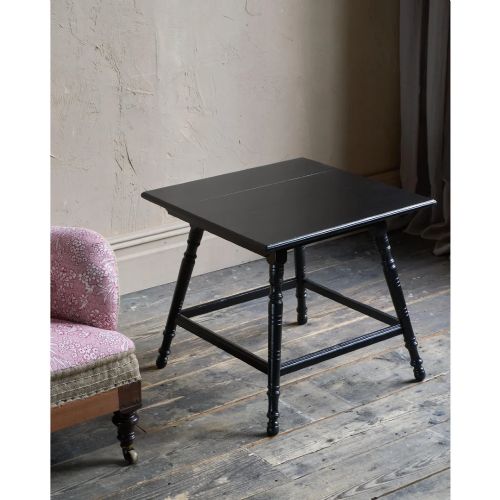
The selection on this page demonstrates various forms ranging from nests of tables and games tables to painted pine cobblers benches and carved camel tables. Walnut, mahogany, and ebonised wood dominate the selection, alongside lacquer and teak surfaces.
Buyers will most commonly encounter walnut and mahogany examples dating from the Victorian era and mid-nineteenth century, often adapted for modern domestic use by having their legs shortened to traditional coffee table heights.
How they were made
Cabinetmakers utilised dense hardwoods such as mahogany, walnut, and teak, constructing frames with traditional joinery before applying polished or ebonised finishes. Lacquered pieces received layers of decoration, while Swedish makers employed alder root veneers to create distinct grain patterns.
Many low tables began life as taller occasional furniture, wine tables, or luggage stands, requiring skilled adaptation to lower the underframe while retaining structural integrity. Metal components like brass hardware and papier mache supports appear alongside hand-painted timber surfaces.
Listings feature woods such as walnut, mahogany, teak, pine, and alder root alongside brass hardware and papier mache.
What varies in quality
Quality rests in the integrity of the timber selection and the precision of the joinery, distinguishing finely figured walnut or mahogany from standard commercial pine and secondary woods. Maker attribution, such as work bearing stamps from established London firms, elevates a piece significantly.
The execution of the conversion process determines structural success, separating professional height reductions that preserve proportions from heavy-handed alterations that compromise the balance of the original design. Surface decoration, whether hand-painted Chinoiserie lacquer or carved detailing, displays varying degrees of artisan skill.
Holland and Sons Of London·Hindley and Sons
The Nineteenth Century Coffee Table Glossary
- Ebonised wood
- Timber stained or painted black to imitate expensive ebony. This finish was widely utilised in nineteenth-century cabinetmaking to create a striking, formal appearance.
- Chinoiserie
- European decorative style reflecting Chinese artistic influences. It frequently appears on lacquer trays and furniture featuring hand-painted gilt motifs.
- Luggage stand
- A folding or rigid low frame originally designed for resting travel trunks. These pieces are frequently adapted to serve as sturdy bases for low tables.
- Biedermeier
- Central European style spanning the mid-nineteenth century emphasising clean lines and polished domestic woods. It prioritises utility and clean wood grains over heavy ornamentation.
Nineteenth Century Coffee Table: Frequently Asked Questions
Are these tables converted from older furniture?
Many nineteenth century coffee tables began life as wine tables, luggage stands, or tea trays on stands. Craftsmen often lowered these pieces to suit modern seating heights.
This historical adaptation is standard practice for this category, turning taller antique furniture into functional domestic items.
What is Swedish Biedermeier style?
Swedish Biedermeier furniture dates from the mid-nineteenth century and focuses on warm wood grains and understated forms. These pieces avoid heavy carving in favour of elegant, practical shapes.
They pair well with contemporary interiors due to their minimalist aesthetic and rich timber tones.
How do I identify a Victorian walnut table?
Victorian walnut tables often display rich grain patterns and warm brown tones, sometimes featuring carved pedestals or turned legs. Makers from this period utilised both light and dark walnut varieties.
Examining the underside reveals period construction methods and timber ageing consistent with the nineteenth century.