



Nineteenth Century Bronzes
Nineteenth century bronzes bring substance and classical gravitas to a room, captured in patinated metal and mounted on marble or wood.
Nineteenth Century Bronzes
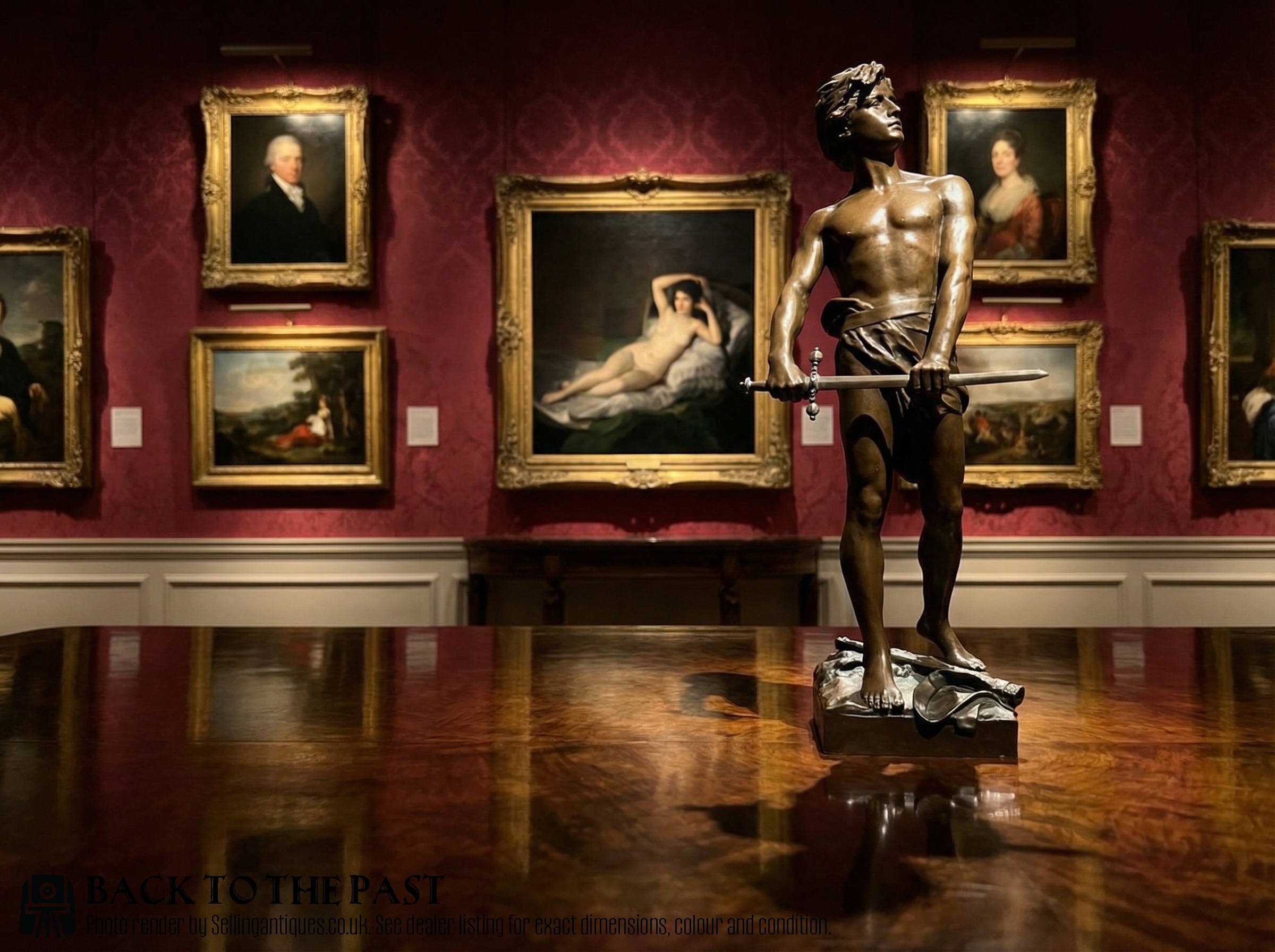
Nineteenth century bronzes span classical figures, animalier studies and monumental decorative vases produced across Europe and Asia. When you search for nineteenth century bronzes, you encounter cast metal works ranging from grand tour deities to French academic sculptures.
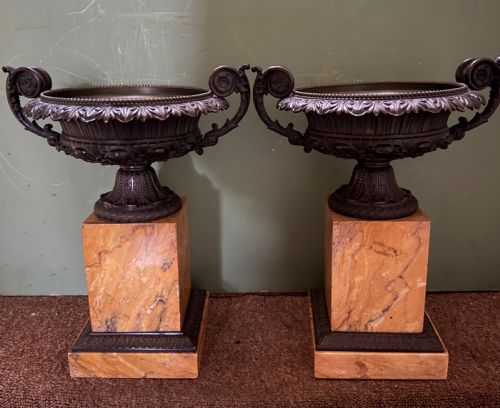
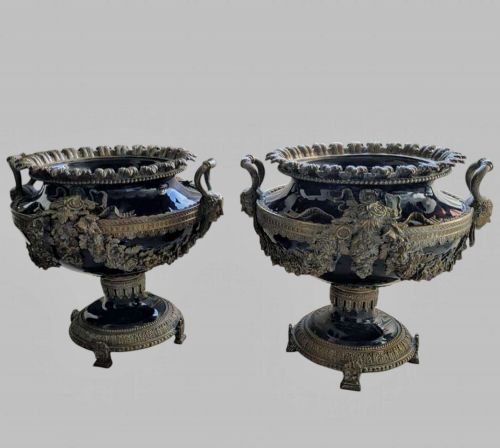
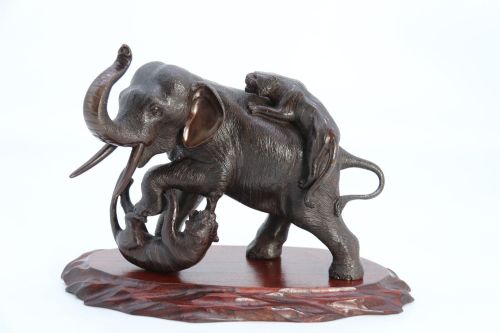
The pieces represented on this page lean heavily towards pairs, including dragon vases, sphinxes, horses and putti groups. Subjects drawn from literature, mythology and ancient civilisations dominate the selection alongside spirited animal figures.
How they were made
Foundries utilised traditional casting methods to shape molten metal into complex figures and vessels, finishing the surfaces with patination or gilding. Gilt bronze highlights specific decorative details on pieces such as Chinese dragon vases and Italian horse sculptures.
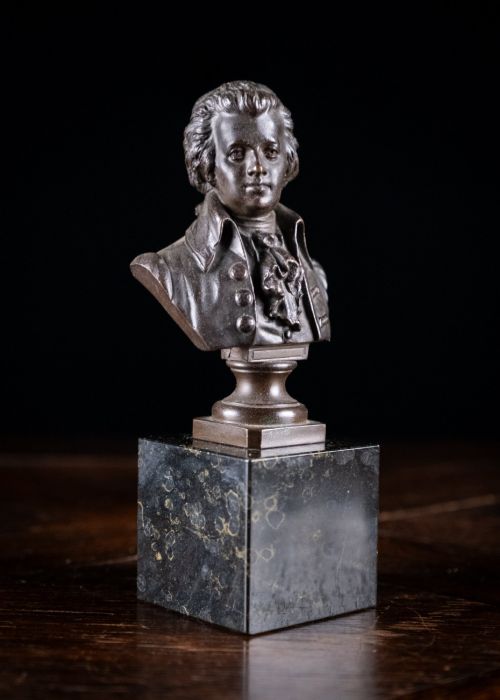
Makers integrated natural stone and timber as structural foundations, securing bronze sculptures onto Carrara marble and olive wood bases. These mixed media constructions required precise fitting between the heavy metal castings and their respective plinths.
Nineteenth Century Bronzes Retail Price Guide 2026
Typical asking prices for nineteenth century bronzes among the pieces listed under this phrase on Sellingantiques today, from the lower quarter to the upper quarter. They describe what is for sale here now, not the wider market.
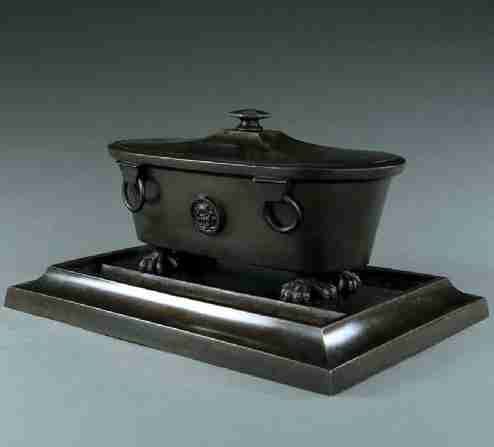
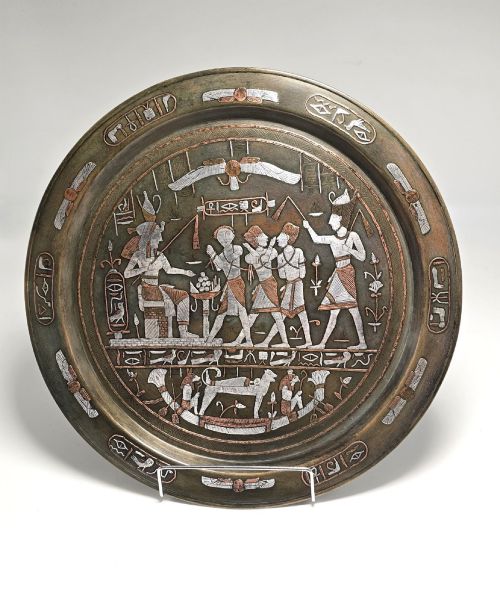
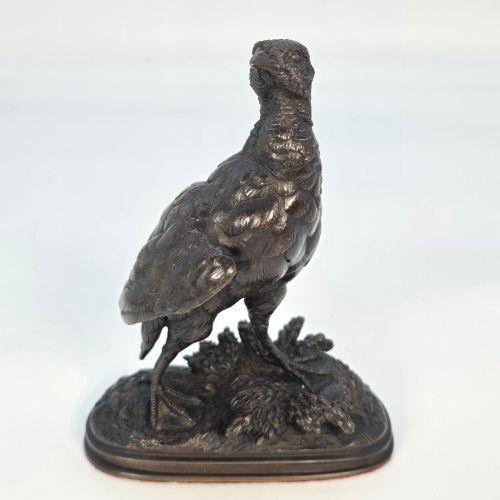
The selection includes animalier studies, Egyptian Revival motifs and Neoclassical figures.
What varies in quality
Quality rests in the crispness of the chase work and the subtlety of the surface patination across each cast. Finer examples display sharp musculature, distinct facial expressions and clean articulation on smaller elements like putti or animal fur.
The integration of the base material distinguishes standard production from superior work. Well executed pieces feature dense Carrara marble or finely grained olive wood that complements the weight and proportion of the bronze above it.
The Nineteenth Century Bronzes Glossary
- Patinated bronze
- Bronze treated with chemical solutions to produce a controlled surface colour and tone. This process protects the metal while enhancing visual depth.
- Gilt bronze
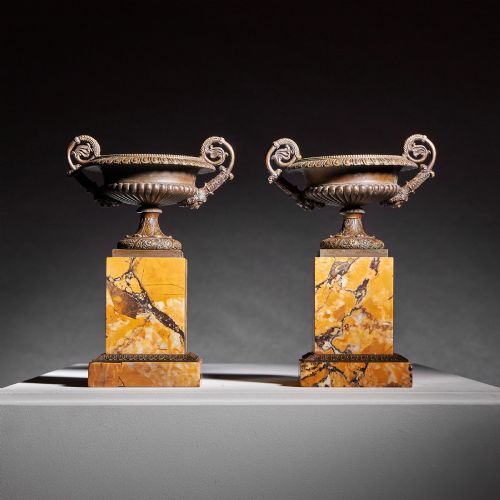
- Metal coated with a thin layer of gold or gold leaf to create a luminous surface. It appears frequently on decorative vases and mounts.
- Carrara marble
- A white or blue grey stone quarried in Italy, valued for its fine grain. Sculptors use it extensively for classical architectural bases and plinths.
- Animalier
- A nineteenth century artistic movement focused on realistic depictions of animals. Sculptors in this genre captured beasts in dynamic or resting poses.
- Grand tour
- A cultural journey undertaken by wealthy Europeans to study classical antiquities. Souvenirs from these travels included miniature bronze deities and historical figures.
Nineteenth Century Bronzes: Frequently Asked Questions
How do I clean nineteenth century bronzes?
Dust the surface gently with a soft brush to prevent particulate buildup in recessed details. Avoid using commercial metal polishes, which can strip away original patination.
Maintain a stable indoor environment away from excessive moisture to protect both the metal and any attached marble or wood bases.
What does animalier mean in sculpture?
Animalier refers to nineteenth century works that concentrate on the accurate anatomical study of animals. Artists in this tradition observed beasts in motion or repose to capture authentic behaviour.
Subjects ranged from domestic horses to wild bears, often rendered with high levels of physical detail.
Why are some bronzes mounted on marble?
Marble plinths provided architectural weight and stability for heavy metal sculptures while offering a clean visual contrast to dark patination. Carrara marble was a preferred material for French and Italian workshops.
These bases also elevated the artwork, protecting surrounding furniture surfaces from direct contact with the metal.
How do I identify a grand tour bronze?
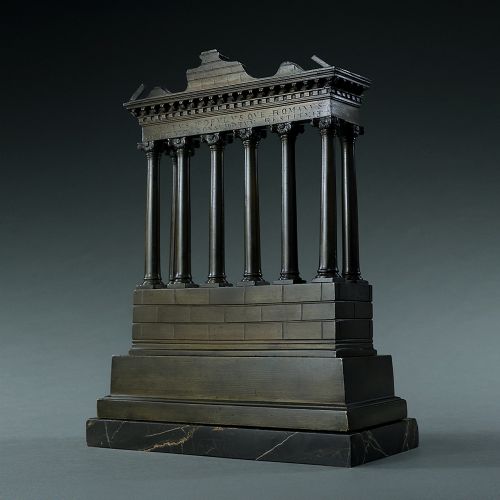
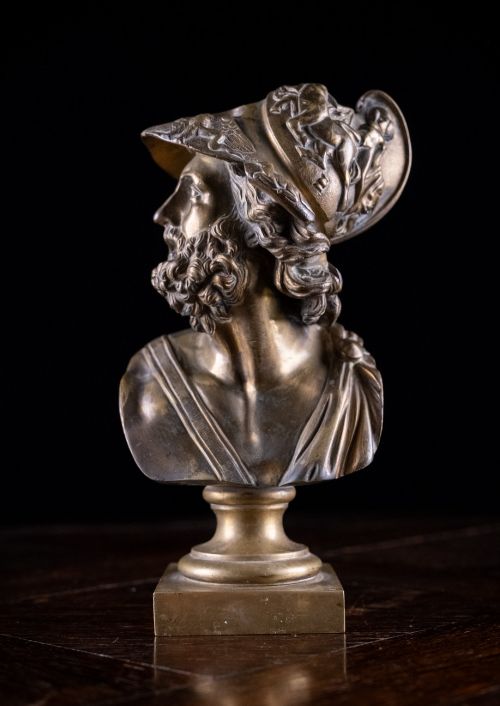
Grand tour bronzes typically depict classical deities, mythological figures or famous architectural monuments purchased during European travels. They were produced as portable souvenirs for collectors during the nineteenth century.
Scale is usually modest, allowing the figures to sit comfortably on desks, libraries or mantelpieces.