



Nineteenth Century Bronze Cherub
A nineteenth century bronze cherub captures classical mythology in tactile metal, adding sculptural charm to period interiors.
Nineteenth Century Bronze Cherub
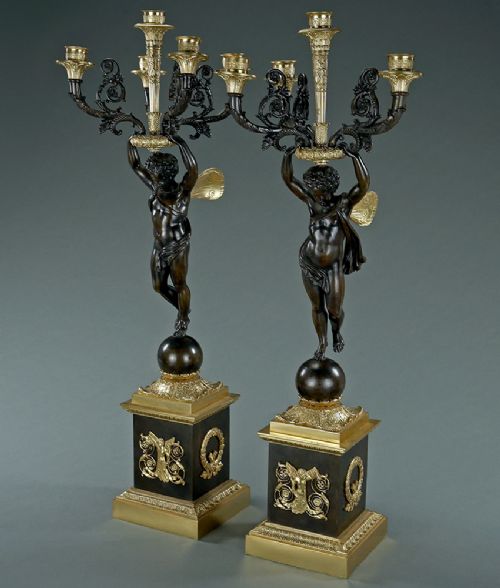
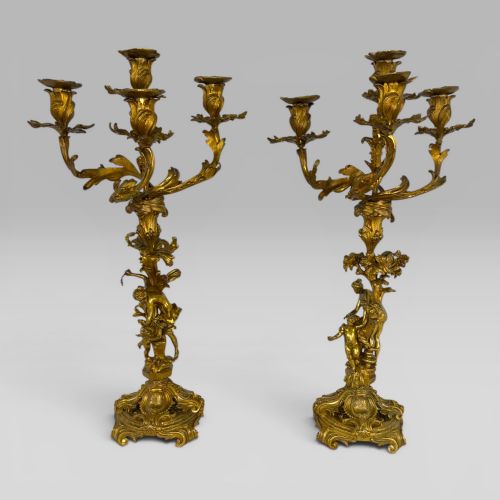
A nineteenth century bronze cherub brings winged mythological figures into domestic decorative arts through mantel clocks, candelabra, and table lamps.
Buyers encounter these works primarily through French figural clock sets and candelabra cast across the Victorian era.
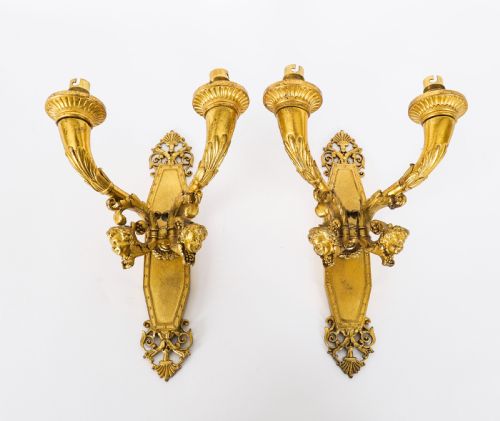
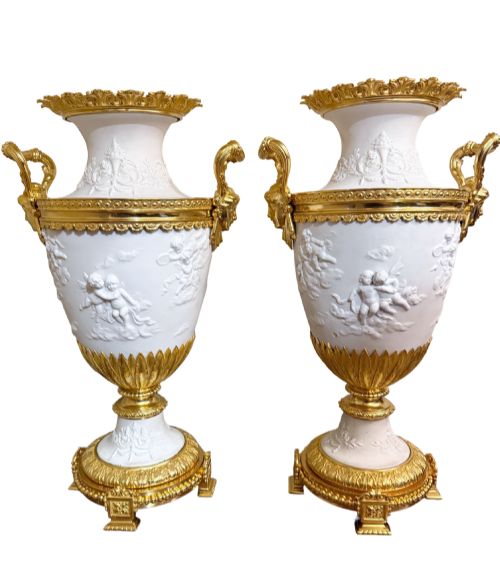
These pieces merge classical putti motifs with functional nineteenth-century objects like desk sets, vases, and wall lights.
Materials and technique
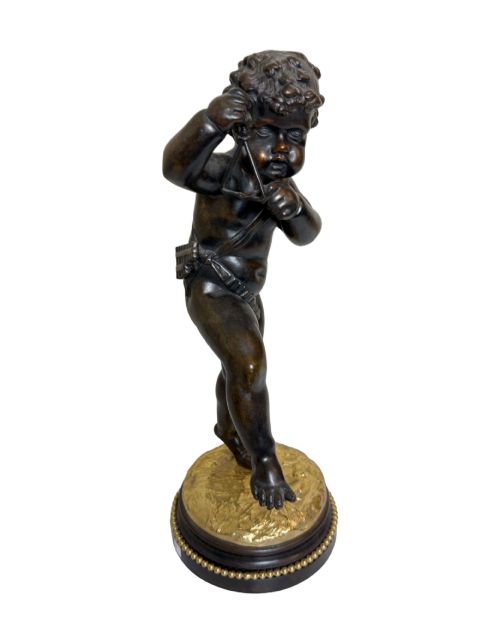
Foundry artisans utilised traditional casting methods to produce detailed bronze and ormolu figures, often combining patinated bronze with bright gilt highlights.
Makers integrated supporting elements of white porcelain, marble, and onyx into clock cases and candelabra bases.
Surface finishing involved manual chiselling and hand-painting on enamel dials or porcelain plaques to achieve depth.
Listings feature French Rococo Revival and Empire styles executed in patinated bronze, ormolu, marble, and porcelain.
Determining quality
Quality rests upon the crispness of the bronze chasing and the harmony between the patinated figure and its gilt mounts.
Superior examples demonstrate fluid anatomy in the cherub sculpture and integrated weight in supportive marble or onyx bases.
Maker attribution and the inclusion of original works such as movement components elevate the standing of individual pieces.
Henry Dasson·Japy Freres·Louis Auguste Moreau·H Luppens Paris·JP Delettrez
The Nineteenth Century Bronze Cherub Glossary
- Ormolu
- Gilt bronze created by applying a finely ground high-carat gold mercury amalgam to a bronze base. This technique yields a durable and luminous golden surface common in French decorative arts.
- Patinated bronze
- Metal treated chemically or thermally to produce a rich surface colour ranging from deep brown to near black. It provides contrast against brighter gilt elements.
- Putto
- A plump, often winged child figure derived from classical art and frequently depicted in Renaissance and Revival sculpture. These figures form the central subject of cherub candelabra and clocks.
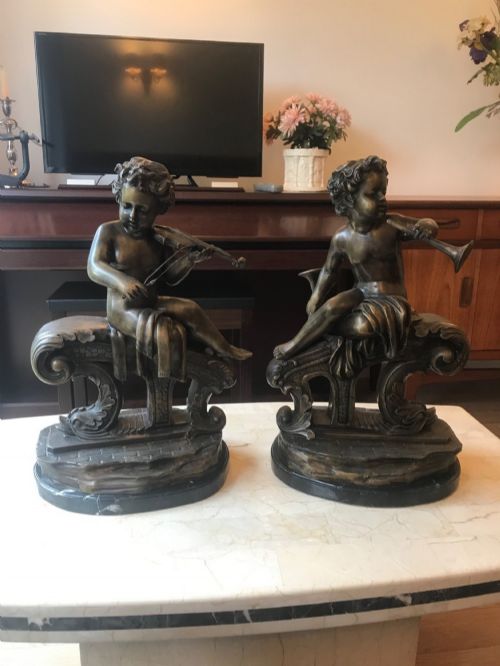
- Chenet
- An ornamental firedog placed at the front of a hearth to support logs. Paired examples often incorporate bronze cherubs or classical mounts.
- Candelabra
- Branched lighting fixtures designed to hold multiple candles. Nineteenth-century versions frequently employ figural bronze cherub shafts.
Nineteenth Century Bronze Cherub: Frequently Asked Questions
How do I clean a bronze cherub?
Dust the surface gently with a soft dry cloth to prevent accumulation in recessed crevices. Avoid commercial metal polishes that can strip delicate patination or surface gilding.
Keep pieces away from direct moisture and fluctuating heat sources to protect underlying marble, onyx, or porcelain components.
Where were these cherub figures made?
The majority of these decorative objects originate from French foundries and clockmakers active during the nineteenth century. Parisian workshops dominated the production of gilt bronze and ormolu luxury goods.
Design influences draw heavily from earlier French reigns, particularly Louis XIV and Louis XVI styles.
Are these figures solid bronze?
Most figural sculptures and structural mounts utilise cast bronze, though some decorative companion pieces incorporate bronzed spelter. Heavier clock cases often combine bronze with stone bases.
Internal clock movements and structural armatures utilise brass and steel components appropriate for mechanical timepieces.
How do I date a nineteenth-century clock?
Examine the movement backplate for maker stamps, serial numbers, and exhibition medals awarded to the foundry. Stylistic clues in the dial typography and case mounts also indicate specific decades.
Consulting recorded working dates of makers provides a reliable timeframe for manufacture.