


Dark Bronze Cherub Figures
Dark bronze cherub figures capture winged mythological infants in solid metal, offering collectors classical charm and sculptural presence.
Dark Bronze Cherub Figures
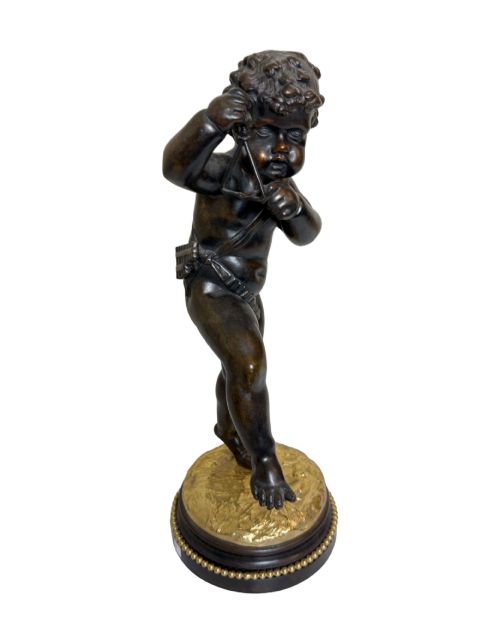
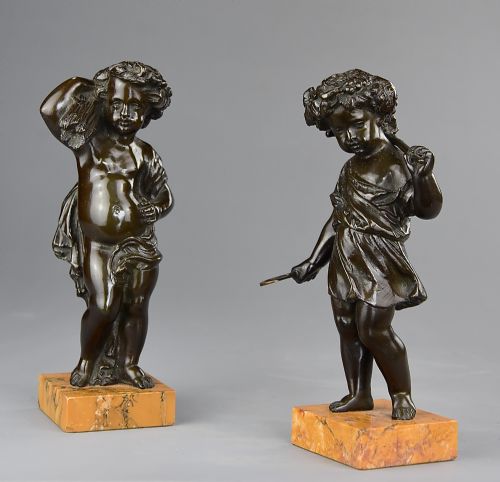
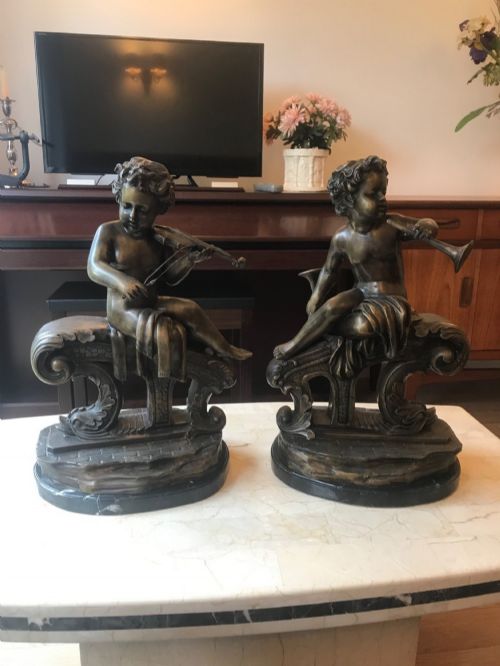
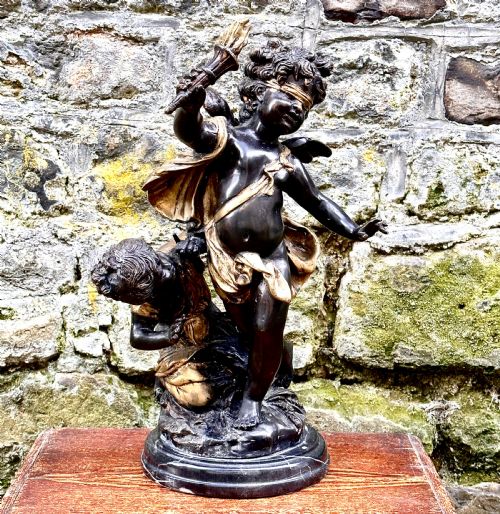
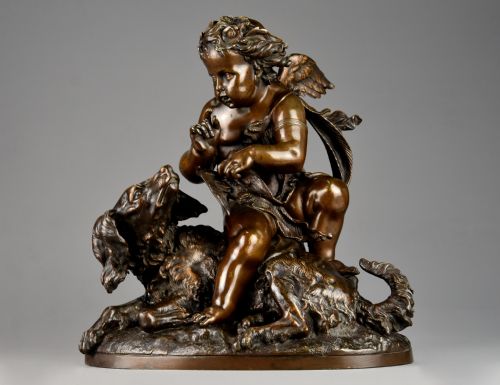
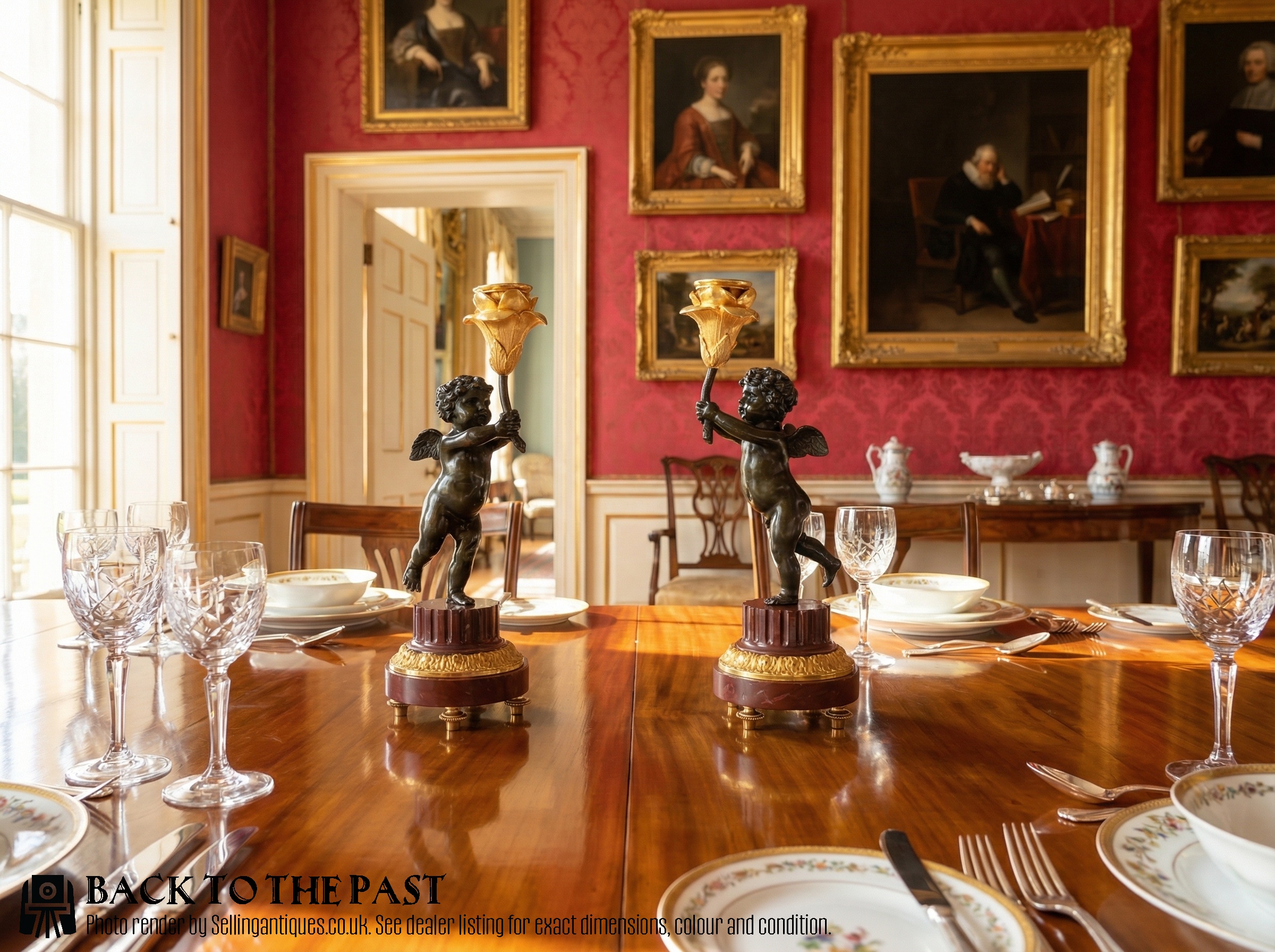
Dark bronze cherub figures depict winged putti, cupid or amorini engaged in musical, agricultural or mythological pursuits. You will frequently encounter these works configured as pairs of candlesticks, candelabra, bookends or freestanding cabinet sculptures.
The objects stem predominantly from nineteenth-century French and Italian workshops, reflecting a deep fascination with classical antiquity and Renaissance ideals. Many pieces adopt specific functional roles, serving as decorative lamps, doorstops or architectural ornaments alongside pure statuary.
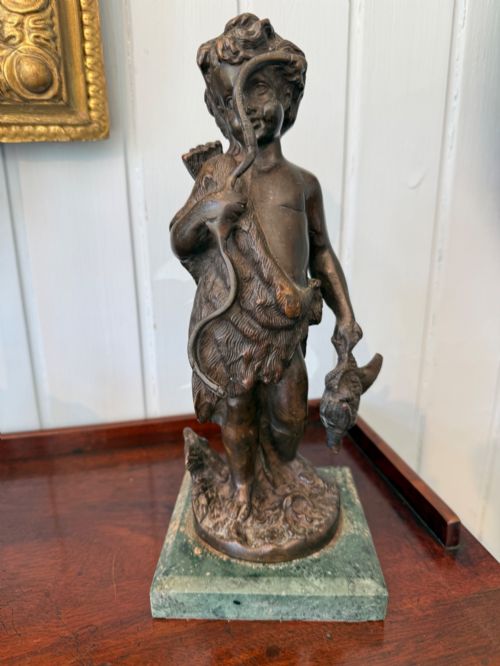
The forms range from solitary playing figures to elaborate multi-figure groups mounted on marble or inlaid wood bases. Sculptural attitudes capture sleeping infants, grape harvesters and hunters modelled with expressive realism.
Materials and casting methods
The primary material is cast bronze, frequently finished with a dark patination that accentuates surface detail. Foundries often combined this dark bronze with gilt bronze, or ormolu, to create contrasting highlights on drapery, wings and accessories.
The object forms span candelabra, bookends, table lamps, and freestanding sculptures depicting children with animals, fruit, and musical instruments.
Assessing sculptural merit
Quality rests in the crispness of the chasing and the liveliness of the modelling, distinguishing fluid anatomical studies from stiff or mechanical casts. Finer pieces display subtle textures in the hair, feathers and surrounding elements like grapes or musical instruments.
The integrity of the dark patina and the harmonious integration with secondary materials such as marble plinths determine the overall visual success of the piece. Signed works by recorded modellers command greater attention for their documented artistic authorship.
Claude Michael Clodion·Louis Auguste Moreau·Charles Cumberworth·Ferrand·Pigale
The Dark Bronze Cherub Figures Glossary
- Putto
- A plump, naked male child, frequently winged, appearing in classical and Renaissance art. These figures form the central subject of the majority of these sculptures.
- Patination
- The chemical or natural surface treatment applied to bronze to achieve a specific colouration. Dark patination provides a rich, subdued tone that highlights the underlying metal contours.
- Ormolu
- Finely ground high-carat gold applied to bronze through a mercury amalgamation process, or simply gilded bronze. It often appears alongside dark bronze to accentuate decorative details.
- Grand Tour
- The nineteenth-century practice of affluent travellers collecting classical antiquities and smaller bronzes across Italy and France. Many decorative figures originate from this travel tradition.
- Chasing
- The manual finishing process applied to a raw metal casting using hammers and punches. Skilled chasing restores lost detail and sharpens contours after the mould is removed.
Dark Bronze Cherub Figures: Frequently Asked Questions
How were these figures used originally?
Many examples served utilitarian roles in nineteenth-century interiors as mantel candelabra, decorative candlesticks, desk bookends or table lamps. Others functioned purely as cabinet sculptures and decorative statuettes.
Functional pieces integrated bronze casting with lighting hardware or weighted bases to support daily domestic use.
How do I style them at home?
Their compact scale allows them to sit comfortably on mantelpieces, bookshelves, side tables or paired on architectural desks. The dark metal tones blend easily with both traditional wood furniture and modern interiors.
Pairing matching figures creates symmetry, while single statues offer a strong focal point within a room.
How do I recognise nineteenth-century pieces?
Nineteenth-century examples typically display deep patination, heavy sand or lost-wax casting, and occasional foundry marks or signatures. The mounting materials, such as specific Italian or French marbles, also point to this era.
Stylistic cues often reference the French nineteenth-century revival of Rococo and Neoclassical motifs.