




Winged Putto Figure
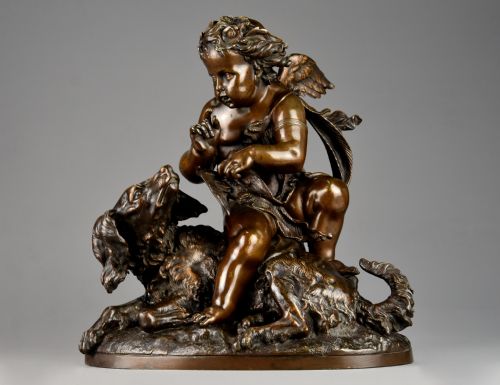
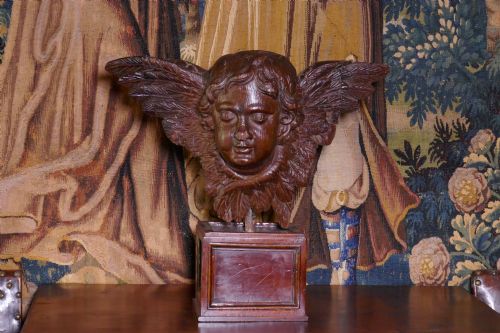
A winged putto figure brings mythological charm into a room, taking the form of a cherub or Cupid cast in bronze or carved from wood.
Winged Putto Figure
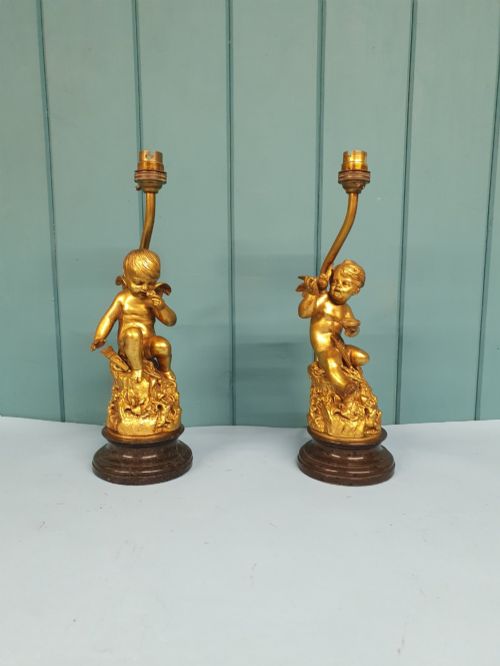
When searching for a winged putto figure, you encounter depictions of winged cherubs and Cupids rendered as freestanding sculptures, table lamps, and candelabra. These pieces span the eighteenth, nineteenth, and early twentieth centuries, drawing heavily on French and Italian decorative traditions.
You are most likely to meet nineteenth-century French and Italian examples cast in bronze, frequently mounted on marble or inlaid wood bases. The forms range from small decorative figurines to substantial sculptures and pairs designed for mantelpieces or side tables.
How they were made
These figures rely on metalcasting techniques, predominantly utilising bronze, gilt bronze, and brass, alongside carved wood and porcelain. Patination and gilding bring surface depth and colour variation to the metal forms.
Many sculptures incorporate multi-part construction, joining cast figures to bases of marble, gilt brass, or wood. Hand-carving defines the wooden cherub heads and architectural fragments.
Periods represented span the eighteenth, nineteenth, and early twentieth centuries, alongside specific dates from eighteen seventy to nineteen twenty.
What varies in quality
The refinement of the casting and the clarity of the chasing separate standard decorative items from superior works. Finer bronzes retain crisp feather detail in the wings and subtle anatomical definition in the limbs.
The choice of secondary materials, such as heavy variegated marble bases or intricate gilt mounts, indicates the original ambition of the piece. Signatures from recognised sculptors also distinguish the top tier of works.
Louis Auguste Moreau·Aug. Moreau·Charles Cumberworth·Ferrand·Johann Joachim Kändler
The Winged Putto Figure Glossary
- Putto
- A figure of a small winged infant, frequently appearing in Renaissance and later art. These figures often represent Cupid or mythological cherubs.
- Patinated Bronze
- Bronze treated with chemical solutions to produce a specific surface colour and finish. This process protects the metal and adds visual warmth.
- Gilt Bronze
- Bronze coated with a thin layer of gold or gold leaf. The technique creates a bright, reflective surface often seen in French decorative arts.
- Rococo Revival
- A nineteenth-century style reviving the asymmetrical scrolls and ornamental flourishes of the eighteenth century. Figures from this period often display theatrical poses and elaborate bases.
Winged Putto Figure: Frequently Asked Questions
What is a winged putto figure?
A winged putto figure represents a cherub, angel, or Cupid, often depicted with feathered wings and infantile proportions. These decorative objects draw on classical mythology and religious art.
They appear across various European traditions, serving as standalone sculptures, lamp bases, or architectural ornaments from the eighteenth century onward.
How were these figures used originally?
Historically, these figures functioned as ornamental items within domestic interiors, often placed upon mantelpieces, tables, or altars. Pairs frequently anchored candelabra or flanked larger decorative objects.
Some examples integrated utility with art, forming the bases of table lamps or supporting clock cases and candelabra arms.
How do I style a putto figure at home?
These sculptures suit traditional interiors, sitting comfortably on mantelpieces, bookshelves, or side tables where their material qualities can be appreciated. Bronze and marble pieces pair well with wooden furniture and classical decor.
Larger candelabra and lamp versions provide ambient lighting while functioning as sculptural focal points within a room.
How do I distinguish eighteenth and nineteenth century pieces?
Eighteenth-century examples often comprise porcelain figures from factories like Meissen or early wood carvings with distinct regional styles. Their modelling reflects the artistic conventions of the Baroque and Rococo periods.
Nineteenth-century pieces frequently utilise bronze casting techniques, incorporating revival styles such as French Empire and Italian Baroque alongside signatures from known artists.