



Nineteenth Century Animalier
Nineteenth century animalier bronzes and paintings capture fierce wildlife and domestic companions with vivid realism.
Nineteenth Century Animalier
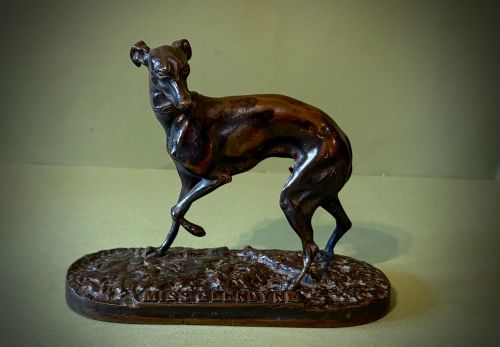
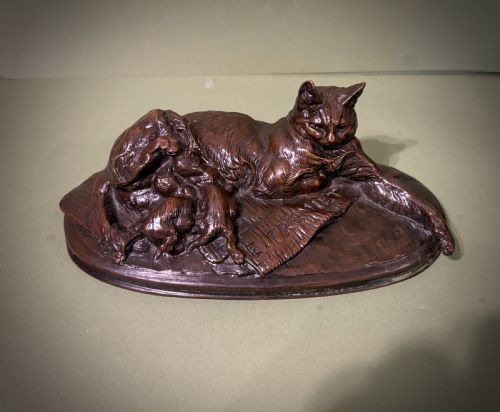
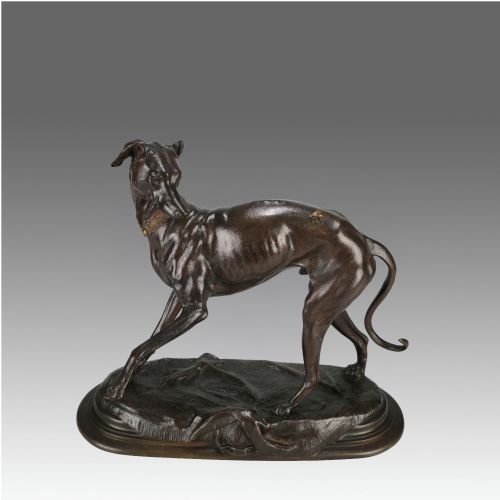
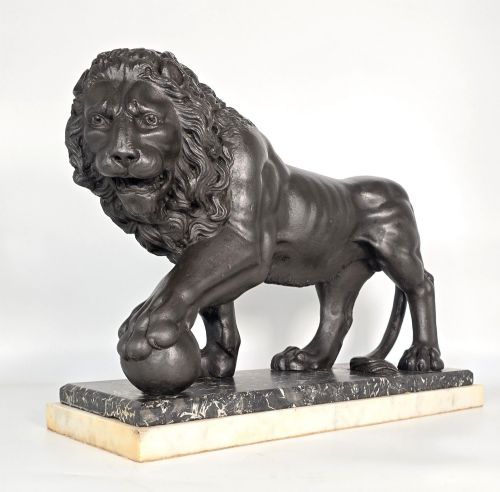
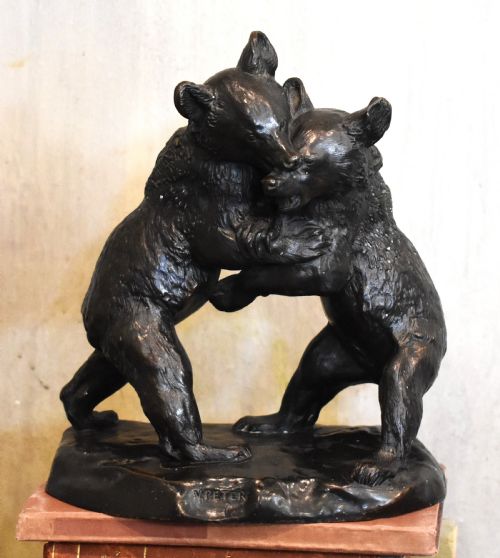
Nineteenth century animalier works focus entirely on creatures, ranging from domestic dogs and cats to wild big cats, bears and elephants. These pieces emerge chiefly from French and Victorian studios, capturing beasts in tense natural moments like hunts or play.
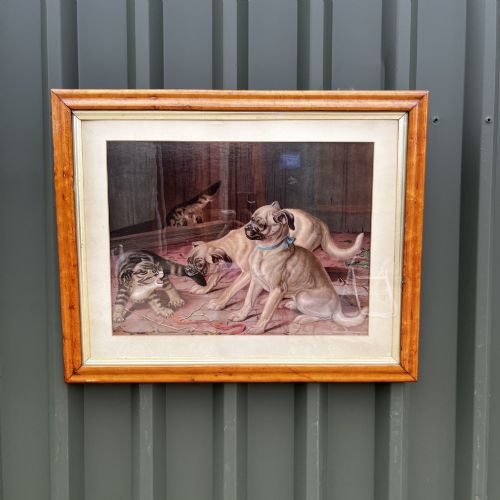
Most examples found here are cast bronze sculptures, often mounted on marble plinths or naturalistic bases. Oil paintings and chromolithographs also appear, depicting lions, pugs and leopards with precise anatomical observation.
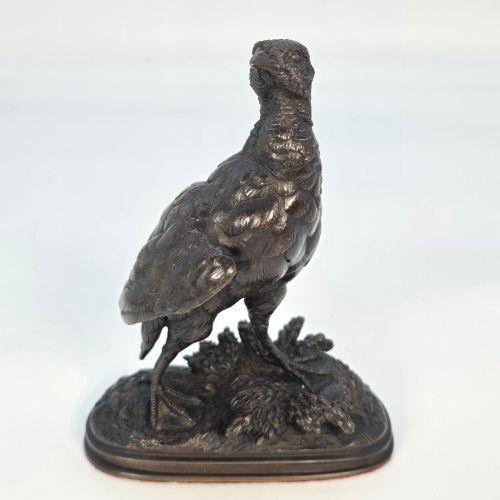
The subjects span from native European hounds and gamebirds to exotic tigers, panthers and bears. Artists render these animals with great fidelity, showing bone, muscle and fur through dynamic casting and painting techniques.
Materials and Casting Methods
Bronze serves as the primary medium for these sculptures, utilised alongside patinated finishes and cold-painted enamel details. Foundries cast these figures using traditional methods, often mounting them upon heavy marble plinths or hardwood bases.
Painters and printmakers employ canvas, paper and glass for two-dimensional works, utilising oil and chromolithography. Founders such as the Siot establishment and Barbedienne apply patinas to bronze surfaces to create varied metallic tones.
Cold-painted techniques bring bright colour to small bird and animal figures without firing them in a kiln. Artisans chisel and polish the metal surfaces after casting to define fur textures, claws and facial expressions.
Nineteenth Century Animalier Retail Price Guide 2026
Typical asking prices for nineteenth century animalier among the pieces listed under this phrase on Sellingantiques today, from the lower quarter to the upper quarter. They describe what is for sale here now, not the wider market.
Listings feature nineteenth century animalier works in bronze, patinated bronze, marble, canvas, paper and glass across various sculptural and painted forms.
Assessing Artistic Excellence
Quality rests upon the sharpness of the casting and the precision of anatomical detail. Master sculptors capture tension in muscle and accuracy in bone structure that lesser casters miss.
The reputation of the foundry and the clarity of the artist signature elevate a piece significantly. Fine patination and well-preserved cold-painted colours demonstrate superior preservation and original craftsmanship.
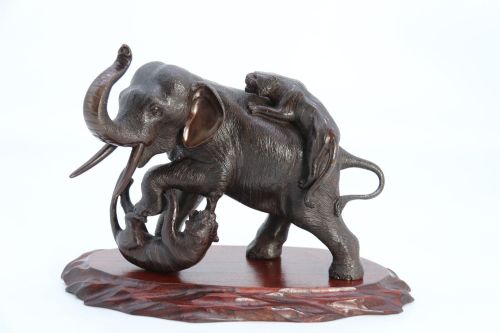
Dynamic composition separates standard studies from exceptional works. Pieces depicting complex interactions, such as an elephant fighting tigers or a panther subduing a python, demand greater technical skill.
Fremiet·Ferdinand Pautrot·Alfred Barye·Victor Peter·Franz Bergman·P. J. Mene·Auguste Nicholas Cain·Georges Gardet·Barbedienne·Siot Foundry·Jules Moigniez
The Nineteenth Century Animalier Glossary
- Animalier
- A nineteenth-century artistic movement dedicated to the realistic portrayal of animals, particularly in sculpture. Practitioners focused on anatomy, movement and wild behaviour.
- Patinated Bronze
- Bronze treated with chemical solutions to produce a specific surface colour, ranging from dark brown to green. This layer protects the metal and adds visual depth.
- Cold-Painted Bronze
- A method where enamel paint is applied to a cast bronze figure without high-temperature firing. This technique is typical of Viennese animal sculptures.
- Chromolithograph
- A multicoloured print produced through lithography, using a separate stone for each ink colour. These prints faithfully reproduced oil paintings for Victorian collectors.
- Grand Tour
- A traditional trip through Europe undertaken by upper-class young men to collect art and antiquities. Figures like the Medici Lion often commemorated these journeys.
Nineteenth Century Animalier: Frequently Asked Questions
What is an animalier sculpture?
An animalier sculpture is a nineteenth-century artwork depicting animals with high anatomical accuracy. These pieces focus on beasts in motion, combat or repose.
French and Viennese workshops produced the vast majority of these bronze figures. They range from small tabletop ornaments to heavy statues mounted on marble.
How do I identify a signed bronze?
Signatures typically appear cast directly into the bronze base or inscribed into the metal while it was still warm. Foundry marks may also be stamped nearby.
Matching the signature to known nineteenth-century founders and sculptors helps confirm authenticity. Close inspection under magnification reveals whether the signature is contemporary to the cast.
What is cold-painted bronze?
Cold-painting involves applying non-fired enamel colours directly onto a finished bronze casting. This method was widely used in Vienna to create vibrant bird and animal ornaments.
Because the paint was not baked on, these delicate finishes are prone to chipping. Surviving examples with intact paint require careful handling and display away from direct sunlight.
Where should I display these sculptures?
These bronze and marble pieces suit sturdy tabletops, desks or dedicated display cabinets. Their heavy weight requires stable surfaces that can support the mass, especially for pieces mounted on stone plinths.
Keeping them in dry indoor environments prevents moisture damage to the metal patinas and painted surfaces. Good lighting highlights the fine texture of the cast fur and muscles.