

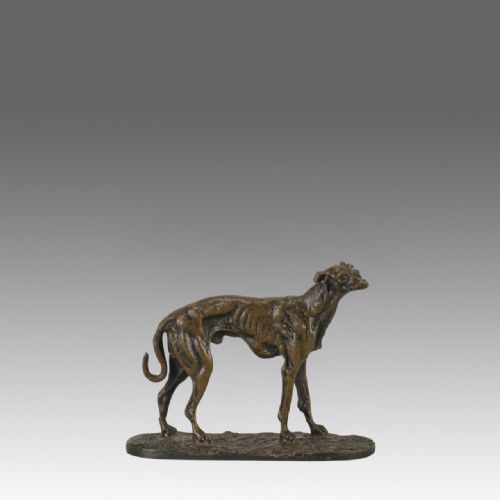
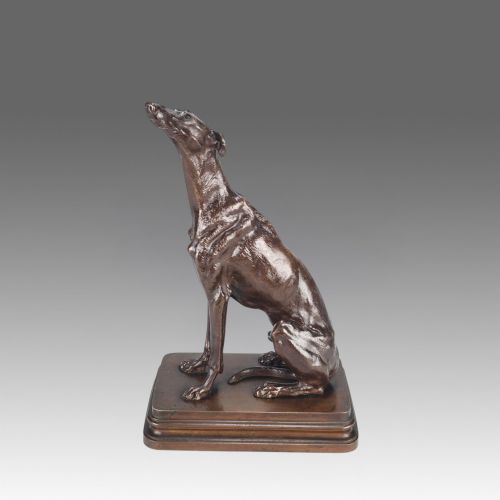


Bronze Greyhound Sculpture
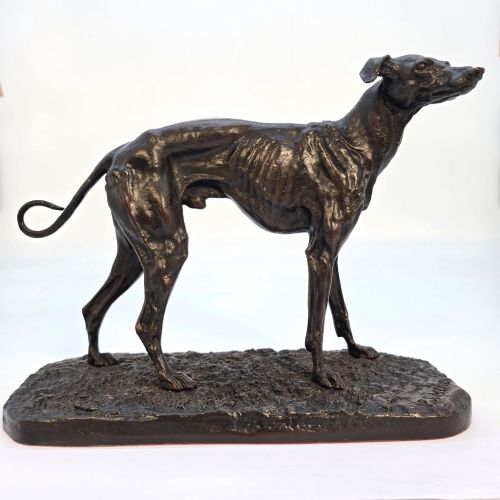
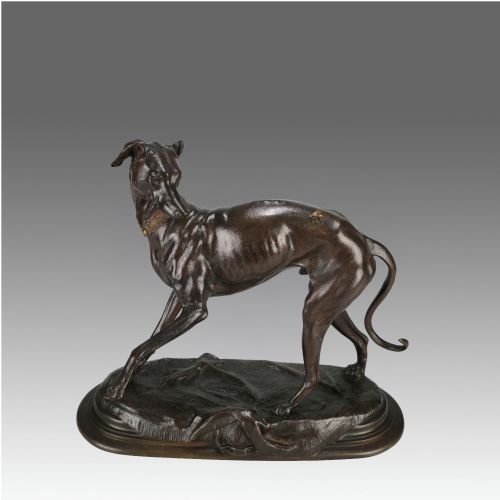
A bronze greyhound sculpture captures the sleek lines and swift elegance of the breed in solid metal, making it a striking decorative accent for any interior.
Bronze Greyhound Sculpture
A bronze greyhound sculpture represents the athletic form of the dog, capturing both sitting and running postures across various historical periods.
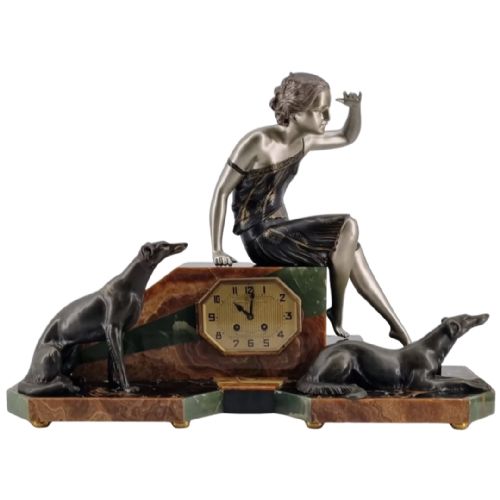
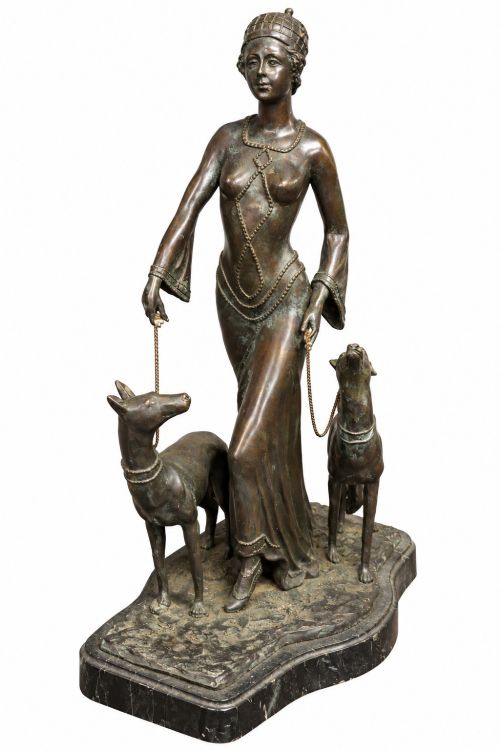
Buyers encountering this search phrase frequently meet French animalier works from the nineteenth century alongside later twentieth-century Art Deco interpretations.
These pieces appear in diverse functional forms, including desk ornaments, paperweights, night lights, and architectural table lamps mounted on stone bases.
Materials and Methods
Foundry artisans utilised traditional casting methods to shape molten metal into detailed animal figures, often mounting the finished sculptures on heavy marble or stone plinths.
Surface treatments range from dark patinated finishes and bright ormolu to delicate silvered bronze and cold-painted polychrome highlights.
Bronze Greyhound Sculpture Retail Price Guide 2026
Typical asking prices for bronze greyhound sculpture among the pieces listed under this phrase on Sellingantiques today, from the lower quarter to the upper quarter. They describe what is for sale here now, not the wider market.
The listings on this site record bronze greyhound sculptures paired with marble plinths, stone bases, and ormolu mounts across Victorian and Art Deco periods.
Assessing Craftsmanship
Quality rests in the anatomical precision of the musculature and the subtlety of the surface patina, which together define the lifelike presence of the animal.
The sophistication of the casting finish and the quality of the associated marble or ormolu mounts distinguish standard foundry output from masterworks.
Alfred Dubucand·Alfred Barye·P J Mêne·Karl Hagenauer·Geo Maxim·Joseph Francois Victor Chemin·Christophe Fratin·Emile Brégeon·Arthur Waagen
The Bronze Greyhound Sculpture Glossary
- Animalier
- A nineteenth-century artistic movement dedicated to the realistic portrayal of animals. Sculptors in this tradition focused heavily on anatomical accuracy and natural movement.
- Patina
- The surface coloration and sheen developed through chemical treatment or natural age. This finish protects the metal and adds visual depth to the sculpture.
- Ormolu
- Gilt bronze ornamentation applied to decorative objects or furniture mounts. The technique involves bonding finely ground gold to a bronze base.
- Spelter
- A zinc alloy frequently utilised as a substitute for bronze in decorative figures. It provides a lighter and more affordable alternative for period castings.
- Vienna Bronze
- Small, highly detailed cold-painted bronze figures produced in Austrian workshops. These pieces are particularly noted for their vibrant enamel coloration.
Bronze Greyhound Sculpture: Frequently Asked Questions
Where were these sculptures placed?
Nineteenth-century animalier bronzes typically stood on mantelpieces, library desks, or dedicated side tables in prominent rooms. Their solid construction allowed them to function both as standalone art and as heavy paperweights.
Later Art Deco examples often integrated into functional items such as night lights, car mascots, or decorative caskets. Owners displayed them to demonstrate a refined taste in domestic ornamentation and fine metalwork.
How do I identify an animalier piece?
Animalier sculptures emphasise realistic anatomy, musculature, and the dynamic tension of the animal in motion or repose. Look closely at the rendering of the paws, ribcage, and facial expression for signs of careful observation.
Signatures or foundry marks cast directly into the bronze base often help confirm the maker and origin. Many nineteenth-century French pieces bear the distinct stamp of the artist on the upper surface of the plinth.
What is the difference between bronze and spelter?
Bronze is an alloy of copper and tin that yields a durable, heavy metal capable of holding crisp details over centuries. Spelter is a zinc-based alloy that feels lighter and softer to the touch.
Examining the underside or areas of wear reveals the underlying metal colour. Spelter typically shows a greyish tone beneath chipped paint or surface finishes, whereas bronze displays a warm coppery hue.
How should I care for a bronze figure?
Dust the sculpture regularly with a soft, dry cloth to prevent the accumulation of grit in the crevices of the patina. Avoid using commercial metal polishes, which strip away the historic surface finish.
Occasional application of microcrystalline wax helps protect the metal from atmospheric moisture and handling oils. Keep the piece away from direct heat sources and humid environments to preserve the stone base and surface integrity.