

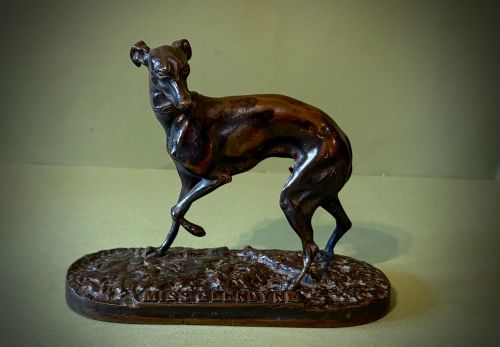
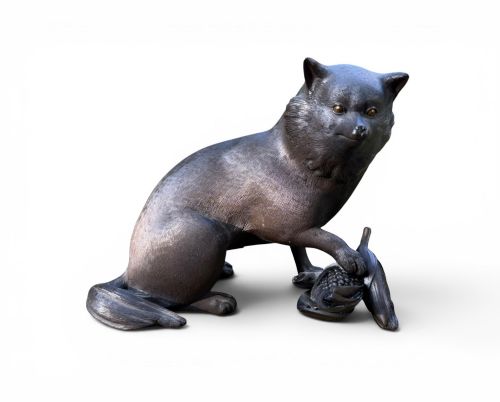


Patinated Metal Dog Statue
A patinated metal dog statue brings character and presence to a room, offering enduring sculptural form through cast surfaces and metalwork.
Patinated Metal Dog Statue
When you search for a patinated metal dog statue, you encounter a diverse array of sculptural forms ranging from French Animalier greyhounds to Art Deco spaniels and cold-painted bulldogs. These pieces capture canine subjects through varied artistic lenses across different centuries.
The selection on this page relies heavily on nineteenth-century examples and 1930s creations, including French fireside figures and specific dog bookends. Makers utilised techniques spanning traditional bronze casting to cold-painting.
Originating from periods such as the Victorian era and the Art Deco movement, these statues reflect both European animalier traditions and distinct regional styles. Buyers find everything from single begging poses to pairs designed for functional bookend use.
Construction and materials
The objects on this page are constructed from materials including bronze, cast iron, spelter, and patinated metal, often enhanced by surface treatments or gold inlay. Artisans shaped these metals through casting processes to achieve durable, detailed animal forms.
Surface finishes play a defining role, utilising patination and cold-painted techniques to impart depth, colour, and texture to the metal. These treatments highlight the musculature and expression of the canine subjects.
Patinated Metal Dog Statue Retail Price Guide 2026
Typical asking prices for patinated metal dog statue among the pieces listed under this phrase on Sellingantiques today, from the lower quarter to the upper quarter. They describe what is for sale here now, not the wider market.
Several dogs here sit forever in a begging pose, requiring no treats whatsoever.
Assessing quality and craftsmanship
Quality in these sculptures rests upon the crispness of the casting and the sensitivity of the modelling, where finer pieces capture realistic anatomy and subtle textures with precision. The skill of the artisan dictates how convincingly fur, expression, and posture are rendered.
The depth and preservation of the patination significantly influence the visual appeal of a piece, separating standard production from superior examples. Skilled application of surface finishes ensures the metal ages with character rather than losing definition.
P.de Soete·H. Bal·Unno Shomin
The Patinated Metal Dog Statue Glossary
- Animalier
- A nineteenth-century artistic movement focused on the realistic depiction of animals, particularly in sculpture. Practitioners often cast subjects in bronze with careful attention to natural movement.
- Patination
- The natural or artificial process of altering the surface colour and texture of metal. This treatment protects the material while adding aesthetic depth.
- Cold-painted
- A method where paint is applied to metal objects without subsequent firing. This technique was frequently utilised on small bronzes to add vibrant polychrome details.
- Spelter
- A zinc alloy commonly used as a less expensive substitute for bronze in decorative figures. It accepts metallic finishes well to simulate heavier bronzes.
Patinated Metal Dog Statue: Frequently Asked Questions
What is a patinated metal dog statue?
A patinated metal dog statue is a sculptural figure cast in bronze, iron, or spelter, treated with a surface finish to create an aged or coloured appearance.
These pieces range from realistic nineteenth-century French animalier hounds to stylised Art Deco bookends.
How do I care for my metal dog statue?
Care involves keeping the piece away from excessive moisture and dusting gently with a soft, dry cloth.
Avoid using harsh chemical polishes that can strip the original patination from the metal surface.
Are these statues solid bronze?
The pieces utilise a variety of metals, including solid bronze, cast iron, and spelter.
Each material offers a different weight and texture, which influences how the patinated finish appears on the surface.
How can I tell the period of a statue?
Dating relies on stylistic clues such as the lean lines of nineteenth-century animalier work or the geometric styling of 1930s Art Deco pieces.
Signatures, casting marks, and the specific type of metal patination also help establish the era of origin.