




Neoclassical Silver Urn
These neoclassical silver urn pieces bring classical antiquity into domestic spaces with balanced proportions and restrained ornament.
Neoclassical Silver Urn
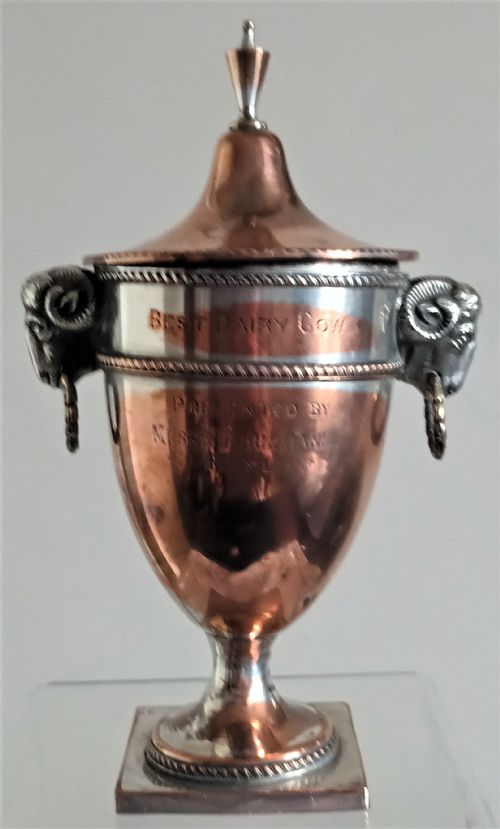
A neoclassical silver urn represents the enduring appeal of Greek and Roman forms translated into functional and decorative objects for the home. When you search for neoclassical silver urn, you encounter vessels ranging from miniature chestnut containers to large tea urns and wine coolers.
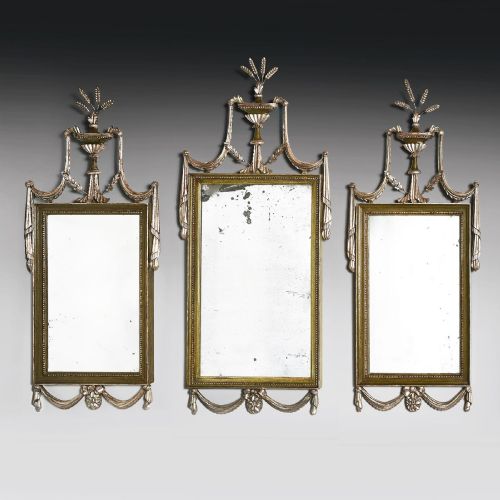
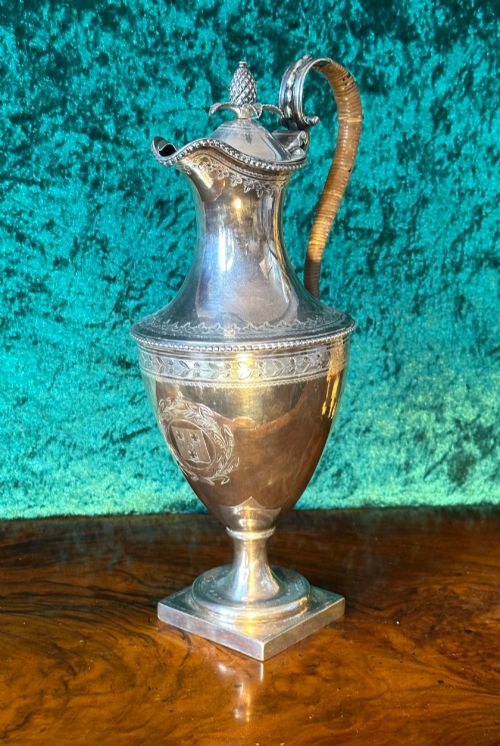
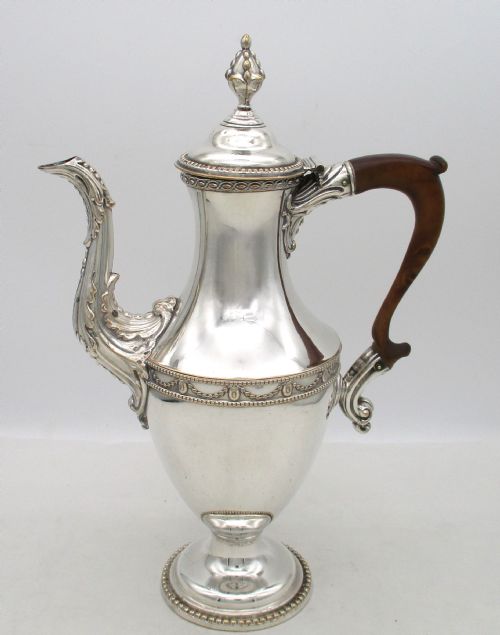
The pieces appearing on this page span several centuries, including Georgian, Victorian, and Edwardian periods. Alongside solid silver and silver plate, the selection includes related forms such as tea caddies, ewers, and lamps carrying neoclassical styling.
Georgian examples lean towards the strict architectural discipline of the late eighteenth century, whilst later Victorian and Edwardian revivals introduce heavier ornamentation or alternative metalwork. Whatever the precise decade, each object borrows its vocabulary from classical architecture, utilising urn bodies, pedestal bases, and handled shoulders.
How they were made
Makers shaped these vessels using silver, silver plate, and Old Sheffield Plate, often combining hammered bodies with cast handles and finials. Silversmiths raised sheet metal over wooden or iron stakes, annealing the material repeatedly to soften it before applying chasing, engraving, or applied wire borders.
Old Sheffield Plate pieces involve a thin sheet of sterling silver fused to a copper base before forming, a technique requiring immense skill to prevent the base metal from showing through edges. Silver-plated items from later periods typically employ an electroplated deposition method over a white metal or copper foundation.
Functional forms among these neoclassical listings range from tea urns, coffee pots, and wine coolers to miniature chestnut urns and table lamps.
What varies in quality
Quality rests upon the crispness of the classical detailing, from beaded borders to acanthus leaves, and the harmony of the vessel's proportions. Superior pieces display hand-chased ornament with sharp relief and clean junctions where handles meet the body.
In plated examples, the integrity of the surviving silver layer across high points dictates the grade, alongside the weight and balance of the object in the hand. Maker marks and hallmarks further distinguish exceptional studio output from standard commercial production.
Gillows Of Lancaster·Harrison Brothers And Howson·Goldsmiths And Silversmiths Co
The Neoclassical Silver Urn Glossary
- Old Sheffield Plate
- A composite material made by fusing a sheet of silver to a thicker copper core. This early method creates a warm, rich surface where the underlying copper occasionally shows through at points of wear.
- Chasing
- A method of ornamenting metal by hammering tools into the front surface to push the metal inward without removing it. This technique gives depth and texture to leaves, fluting, and classical drapery.
- Finial
- A decorative knob or terminal attached to the lid of an urn or tea caddy. In neoclassical design, these often take the form of flames, urns, or pinecones.
- Ewer
- A large jug with a wide spout and a large loop handle. They share the graceful tapering silhouette typical of neoclassical urns.
- Hallmark
- A stamp or series of stamps applied to precious metals indicating the standard of purity, the maker, and the year of assay. These marks provide a reliable anchor for dating solid silver items.
Neoclassical Silver Urn: Frequently Asked Questions
What is a neoclassical silver urn used for?
These vessels originally served practical dining and domestic roles, functioning as tea dispensers, wine coolers, or elegant containers for chestnuts at the table. Over time, many transitioned into pure decorative showpieces.
Today, they act as focal points on sideboards, mantelpieces, or central tables, bringing symmetry and historical weight to an interior.
How do I care for silver plated urns?
Cleaning requires a soft cloth and a gentle, non-abrasive silver polish formulated to protect thin plating layers. Regular dusting prevents tarnish buildup without wearing down the metallic surface.
Avoid harsh chemical dips, especially on Old Sheffield Plate or plated items, as these can strip the silver coating away from the base metal.
How can I tell Georgian urns from later revivals?
Georgian pieces generally exhibit lighter, more restrained classical proportions with hand-beaten or cast details that reflect eighteenth-century architectural ideals. Their construction often relies on Old Sheffield Plate or early solid silver.
Later Victorian and Edwardian revivals tend to feature heavier gauge metals, electroplated finishes, and sometimes busier ornamentation that echoes the past with a heavier hand.
What materials are common in these urns?
The primary materials include solid silver, traditional Old Sheffield Plate, and later silver plate over copper or white metal. Some related decorative pieces also incorporate wood, gesso, or glass.
Each material responds differently to age and cleaning, with solid silver retaining its integrity indefinitely and plated items showing characteristic softening of the silver layer over time.