






Georgian Style Silver Server
A georgian style silver server brings formal dining tradition to the table, offering functional elegance through classic forms.
Georgian Style Silver Server
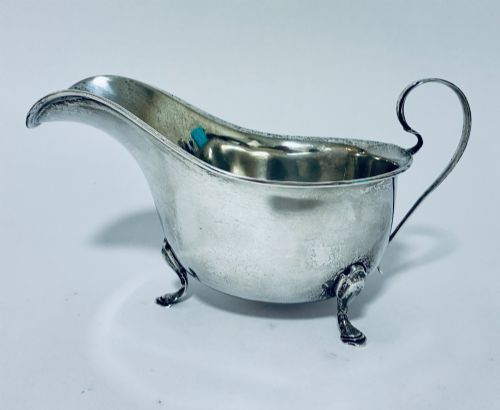
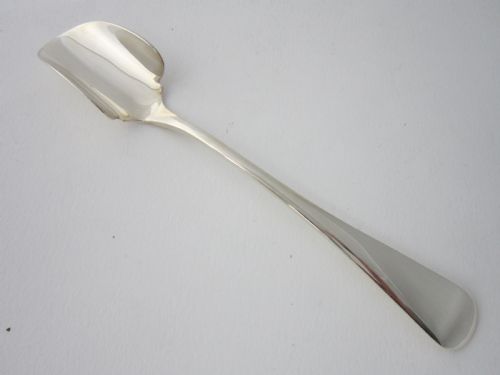
A georgian style silver server encompasses a range of serving vessels and utensils designed for formal dining, including sauce boats, cheese scoops, tea urns, fish slices, and ladles. Buyers examining this category encounter pieces originating from the Georgian period itself, alongside later revival interpretations from the Victorian, Edwardian, and early twentieth-century eras.
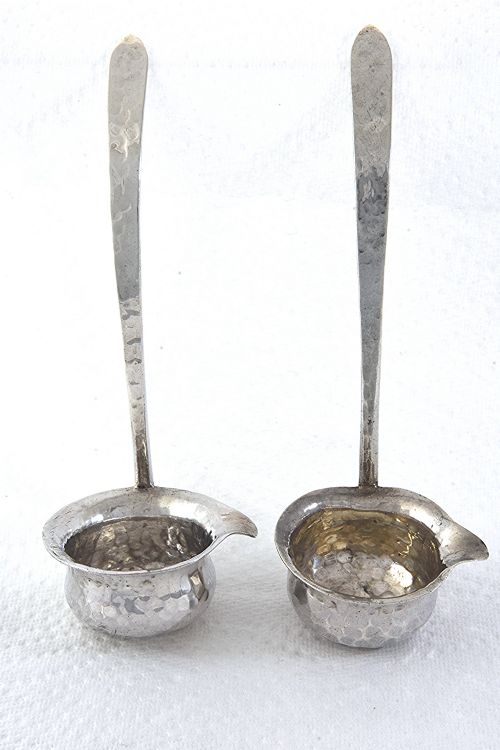
The selection includes specific forms such as sterling silver sauce boats, old English stilton scoops, mustard pots, toddy ladles, and serving dishes with covers. Many items utilise sterling silver or silver plate, sometimes combined with materials like ebony, bone, mahogany, or brass.
Stylistic influences span Georgian Neoclassical, Chippendale Revival, French eighteenth-century designs, and Arts and Crafts movements. The pieces reflect both authentic eighteenth-century craftsmanship and subsequent revival periods that replicated earlier aesthetic traditions.
How they were made
Makers utilised sterling silver and silver plate as primary metallic components, shaping vessels through traditional smithing and casting techniques. Piercing work appears on specific serving pieces, demonstrating detailed metal cutting.
Handles and complementary elements frequently incorporate organic materials such as bone, ebony, and mahogany, secured to metal components to provide contrast and insulation during use.
Early cheese scoops were engineered specifically to excavate Stilton without destroying the social integrity of the rind.
What varies in quality
The distinction between tiers rests upon the crispness of chased and pierced ornamentation, the integrity of joints on handles and feet, and the balance of the utensil in the hand. Earlier or high-revival pieces display heavier gauge metal and more precise hand-finished detailing.
Materials also influence the standard of an item, with solid sterling silver constructions and genuine organic handle inserts marking out superior examples compared to plated base metals or simplified modern reproductions.
Elkington and Co
The Georgian Style Silver Server Glossary
- Sauce boat
- An open vessel with a lip and handle used for serving gravies or sauces at the table. These typically sit on an integrated or separate footed base.
- Stilton scoop
- A long-handled utensil designed specifically for digging out portions of hard cheese. The curved blade allows the user to harvest the core cleanly.
- Fish slice
- A wide, flat server often pierced with decorative patterns, used for transferring portions of fish. The blade provides sufficient surface area to support delicate fillets.
- Toddy ladle
- A small ladle with a bowl designed for serving hot alcoholic punches. Handles on these items frequently incorporate twisted whalebone or turned wood.
- Sterling silver
- An alloy consisting of pure silver and other metals, usually copper, meeting a specific fineness standard. This material forms the durable foundation for quality tableware.
Georgian Style Silver Server: Frequently Asked Questions
What is a georgian style silver server used for?
These servers are utilised for portioning and presenting specific foodstuffs during formal meals, ranging from liquids like gravies and toddies to solid items such as cheese and fish.
Each utensil shape corresponds to a particular culinary requirement, fulfilling a distinct role at the dining table.
How do I identify the period of a silver server?
Dating relies on examining hallmarks, manufacturing techniques, and stylistic markers such as neoclassical symmetry or Chippendale-inspired motifs.
Later revival pieces from the Victorian and Edwardian eras often imitate eighteenth-century forms but carry hallmarks or construction methods specific to their actual production date.
Are these servers made of solid silver?
The pieces utilise a mixture of materials, including solid sterling silver, silver plate over base metals, and mixed media components.
Handles and secondary parts frequently incorporate ebony, bone, mahogany, or brass alongside the primary silver or plated surfaces.
How should I care for silver serving pieces?
Maintenance involves regular, gentle cleaning with appropriate silver polishes to remove tarnish without abrading the metal surface.
Items with organic handles like bone or wood require careful handling to avoid prolonged immersion in water during washing.