




Victorian Silver Serving Bowl
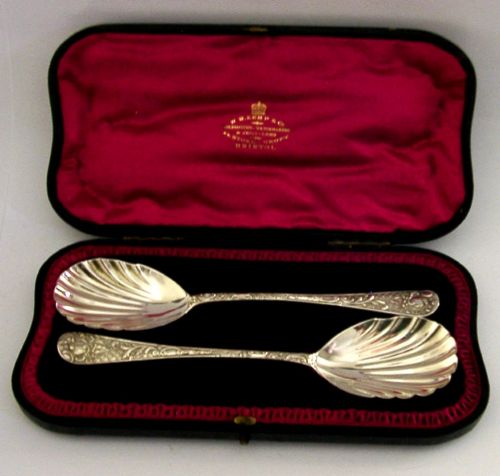
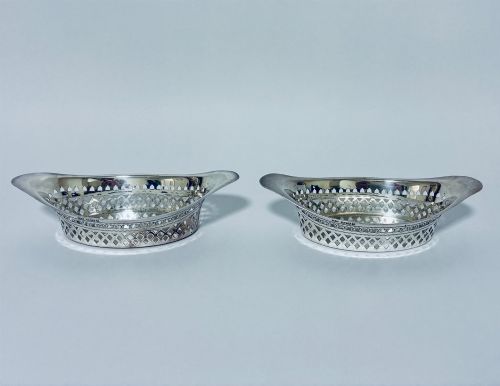
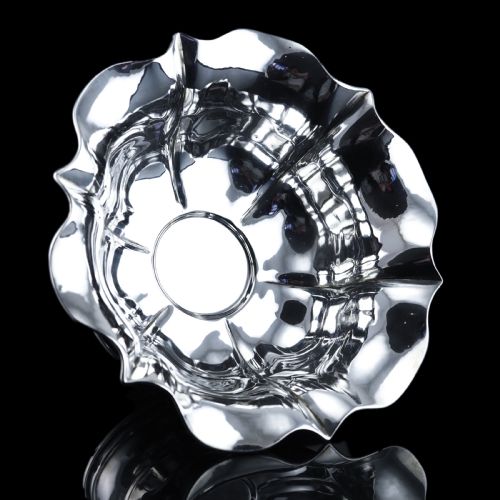
These pieces are a victorian silver serving bowl, chosen for the table to present fruit, vegetables or sweets with period weight and sheen.
Victorian Silver Serving Bowl
When you search for a victorian silver serving bowl, you encounter holloware and serveware spanning the nineteenth century and into the early twentieth century. The selection ranges from sterling silver vessels to silver plate, alongside ceramic, stoneware and polished oak bodies mounted in silver.
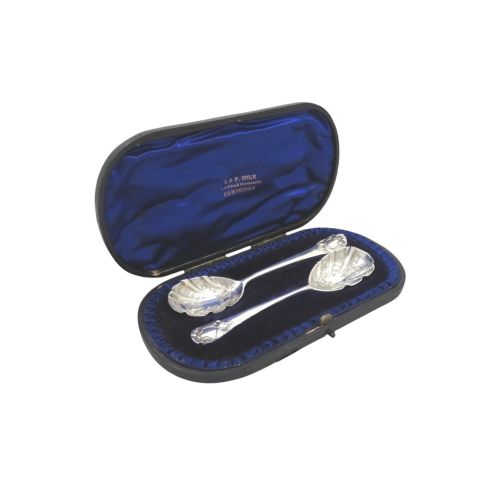
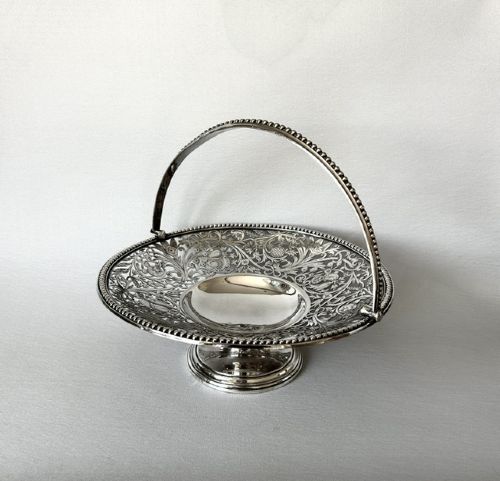
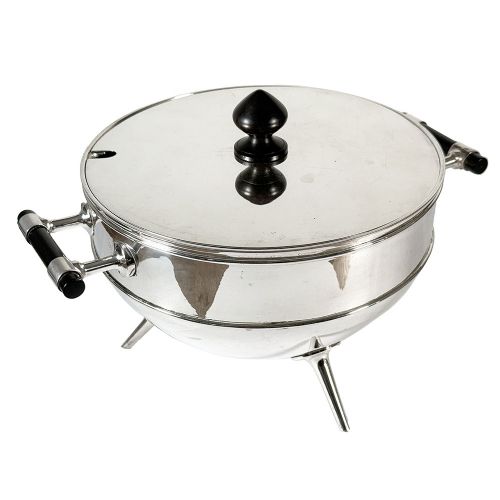
Forms include large fruit baskets, deep punch bowls, handled tureens, entree dishes with covers, and specialised vessels for bonbons, butter or salad. Many items appear alongside matching spoons or original servers.
Origins stretch across English makers in Sheffield and Birmingham, alongside continental pieces like Austro-Hungarian designs and occasional Anglo-Indian or American examples from Tiffany.
How they were made
Silversmiths hammered and pierced sterling silver, creating intricate openwork lattices and floral engravings on bowls and baskets. Electroplated nickel silver and standard silver plate provided durable alternatives, bonding thin silver layers to base metals.
Craftsmen combined silver mounts with diverse materials such as Doulton Lambeth stoneware, majolica ceramics, cut glass crystals, ebonised wood and turned oak. Handles, feet and rims were cast separately and soldered or pinned to the main bodies.
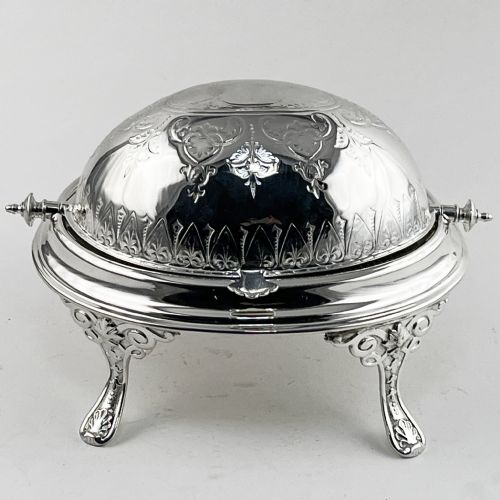
Revolving lidded butter dishes let Victorian diners access chilled dairy without lifting heavy covers.
What varies in quality
Quality rests on the crispness of the hand-chased floral engraving, the depth of the piercing, and the weight of the silver or the resilience of the underlying plate. Maker marks from established firms indicate higher standards of workshop execution.
The integration of mixed materials alters the character of the piece, as seen in cleanly fitted oak staves, unblemished cut glass liners, and majolica earthenware with intact glazes.
Hukin & Heath·Walker & Hall·Hamilton & Inches·Tiffany & Co·Martin Hall·Roberts and Belk·Daniel and Arter·Elkington & Co·James Dixon·William Padley
The Victorian Silver Serving Bowl Glossary
- Sterling silver
- A silver alloy containing 92.5 percent pure silver by mass, marked with traditional hallmarks to guarantee standard purity.
- Silver plate
- A base metal such as copper or nickel silver coated with a thin layer of silver, often via electroplating.
- Tureen
- A deep, covered bowl used for serving soups, stews or entrees at the dining table.
- Bonbon dish
- A small, shallow vessel designed specifically to hold sweets, sugar plums or confectionery.
- Gilt
- A thin layer of gold applied to the interior surface of a silver bowl or spoon bowl.
Victorian Silver Serving Bowl: Frequently Asked Questions
What is a silver tureen used for?
These covered vessels held hot soups, vegetables or entree portions at the Victorian dining table. The lid kept the contents warm between the kitchen and the guests.
Today they function as impressive centrepieces or container bowls for heavier table items.
How do I clean silver plate bowls?
Wash them gently in warm soapy water using a soft cloth, avoiding abrasive pads that strip the thin silver layer. Dry thoroughly with a lint-free towel to prevent water spots.
Use a specialist silver polish sparingly only when necessary to remove tarnish.
Are these bowls made of solid silver?
Some pieces consist of solid sterling silver bearing assay office hallmarks for towns like Sheffield or Birmingham. Many others utilise silver plate over a base metal, ceramic, stoneware or oak.
Check the descriptions and hallmarks to determine the exact metal composition of each piece.
Can I use these bowls for daily dining?
Solid silver and plated bowls remain robust enough for regular serving if handled with care. Ceramic, glass and oak combinations require gentle hand washing rather than immersion or machine cleaning.
Their historical nature makes them well suited to special gatherings and holiday tables.