



Neoclassical Plaster Sculpture
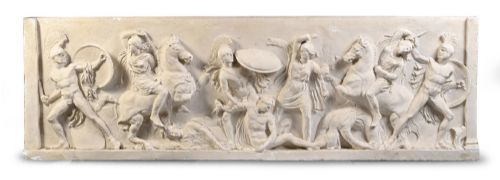
Neoclassical plaster sculpture brings classical antiquity into private rooms through figures, busts, and wall plaques modelled after Greek and Roman ideals.
Neoclassical Plaster Sculpture
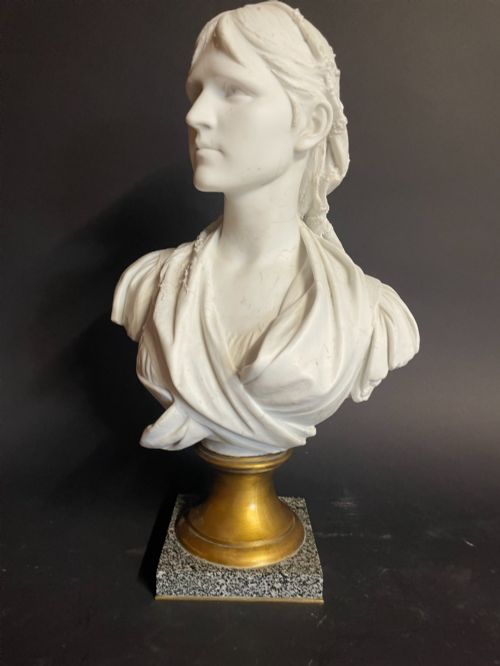
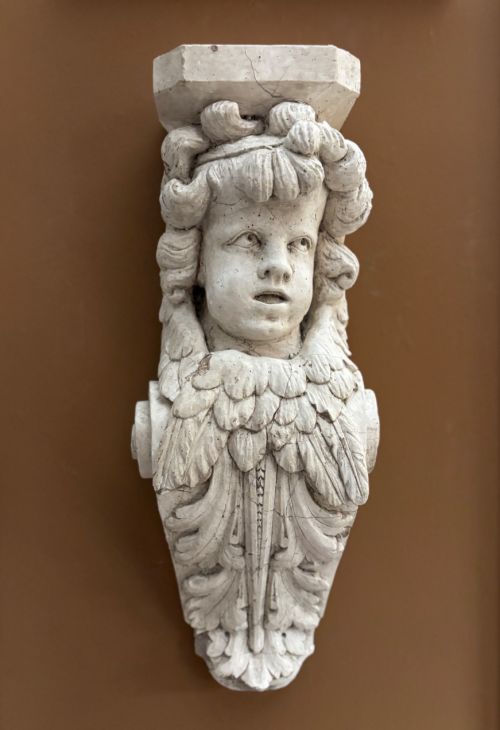
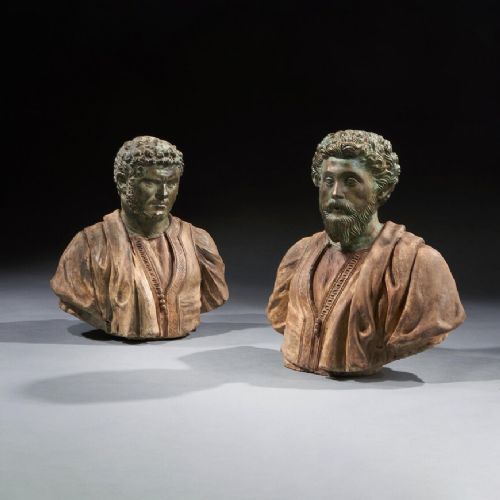
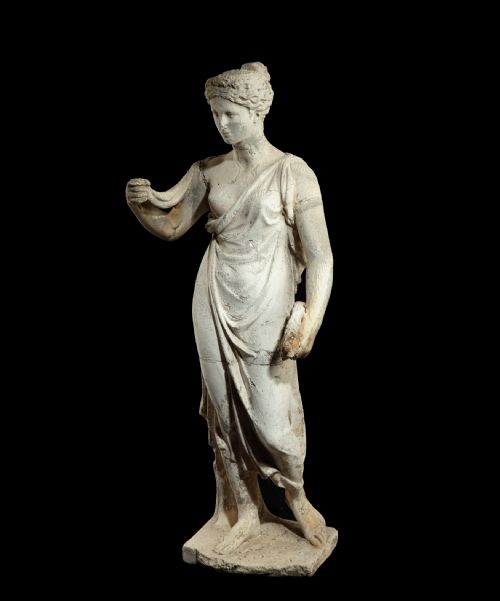
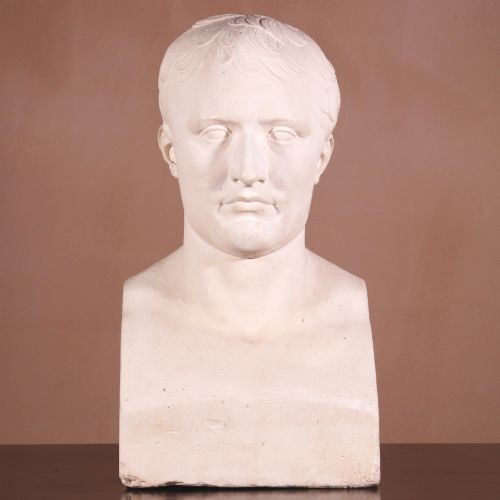
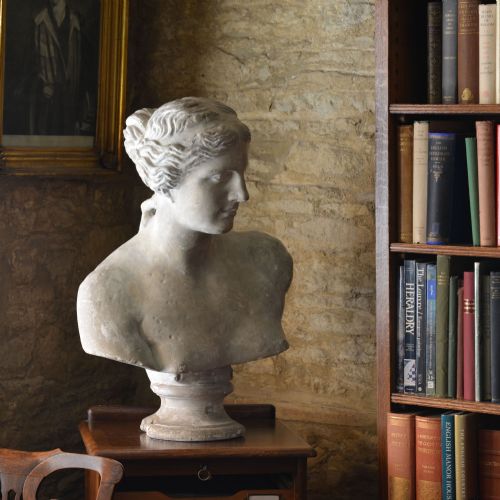
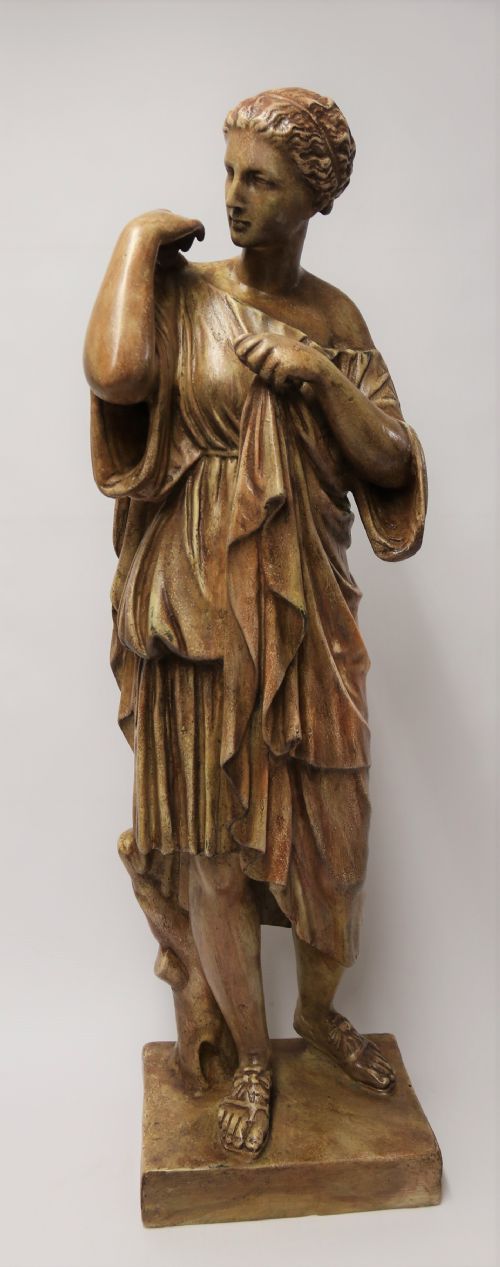
Neoclassical plaster sculpture encompasses library busts, figures of muses, and wall corbels drawing directly from ancient forms. These pieces often depict historical rulers, mythological figures such as Venus, Diana, and Bacchus, or literary figures like Walter Scott and Homer.
Buyers will encounter items ranging from Regency figures and Victorian library busts to early twentieth-century library pieces. Forms extend from independent sculptures and busts to wall plaques, torcheres, and pedestals in scagliola or painted plaster.
Origins represented in these works include English, French, and Italian schools, alongside Grand Tour examples produced for collectors. The aesthetic relies heavily on proportion, restraint, and direct homage to classical antiquity.
Materials and construction
Makers utilised plaster, gypsum, and occasionally marble dust combined with binders to cast these classical forms into moulds. Surfaces frequently received paint, gold finishes, or patination to emulate stone, bronze, or terracotta originals.
Support elements incorporate wood, brass, or terracotta components where figures require brackets, torcheres, or pedestals. Scagliola appears alongside traditional plaster to create decorative architectural supports and pedestals.
Periods represented span from the Georgian and Regency eras through the Victorian period to the early twentieth century.
Assessing quality
Quality rests in the crispness of the modelling and the fidelity of the classical detail across the face, drapery, and hair. Superior examples capture the subtle expression and anatomical precision seen in ancient marble archetypes without softening the contours.
The sophistication of the surface treatment and patination distinguishes finer library busts and figures from simpler casts. Structural integrity in the underlying plaster and any associated brackets or pedestals also dictates the standing of a piece.
Humphrey Hopper
The Neoclassical Plaster Sculpture Glossary
- Library bust
- A sculptural head and shoulders, typically cast in plaster, designed for display on a bookshelf or mantelpiece. These often represent classical philosophers, poets, or emperors.
- Scagliola
- A composite material made from selenite, glue, and pigments, used to imitate marble and other fine stones on pedestals and architectural ornaments.
- Torchere
- A tall stand or pedestal designed to support a lamp, figure, or urn. In neoclassical interiors, these often take the form of columns or classical figures.
- Grand Tour
- The traditional travel excursion undertaken by European upper-class young men to continental cultural sites, resulting in the acquisition of classical art and plaster reproductions.
- Corbel
- A structural or decorative bracket projecting from a wall to support a weight, frequently taking figural forms such as putti in neoclassical design.
Neoclassical Plaster Sculpture: Frequently Asked Questions
What subjects do these sculptures represent?
These pieces primarily depict figures from Greek and Roman mythology, including deities, muses, and figures such as Venus, Diana, and Bacchus. They also portray historical emperors, classical philosophers, and literary figures.
Alongside full figures, the subjects extend to portrait busts of Caesars, allegorical figures like water carriers, and decorative wall masks.
How were library busts displayed historically?
Library busts were positioned atop bookshelves, library cabinets, and dedicated wall brackets or pedestals to signal scholarly pursuits. They served as decorative focal points within nineteenth-century domestic interiors.
Their scale allowed them to sit comfortably among book collections while referencing the art of antiquity.
How do I distinguish Regency pieces from later casts?
Regency and early nineteenth-century works often reflect specific neoclassical revival styles associated with makers like Humphrey Hopper, showing distinct patination and crisp modelling. Later twentieth-century examples incorporate materials like marble dust or distinct surface paints.
Examining the treatment of the plaster surface and the mounting hardware provides further clues to the period of manufacture.
How should I care for antique plaster?
Antique plaster requires a stable indoor environment away from excessive moisture and direct sunlight, which can damage painted or patinated surfaces. Dusting should be performed gently with a dry, soft brush.
Avoid using water or liquid cleaning agents on porous plaster or painted finishes to preserve the original material integrity.