
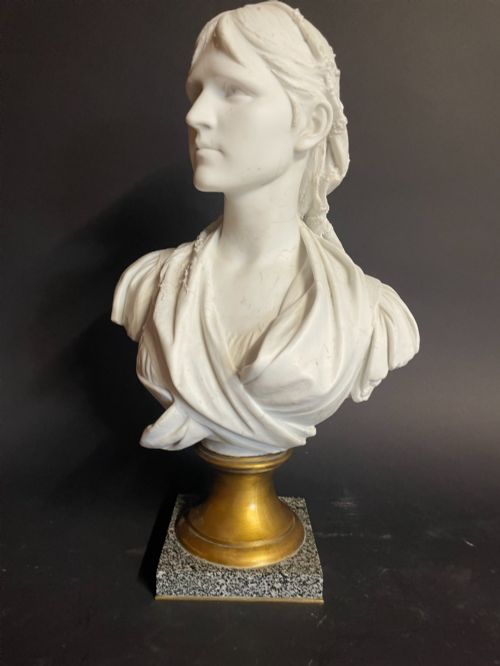
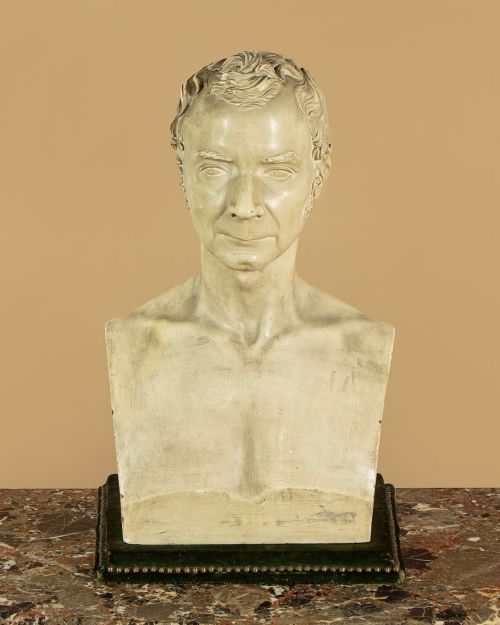
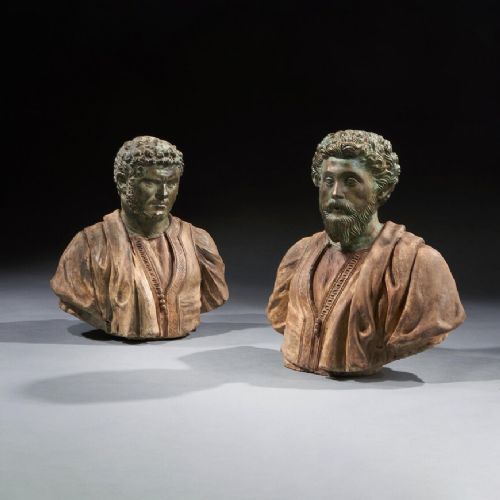
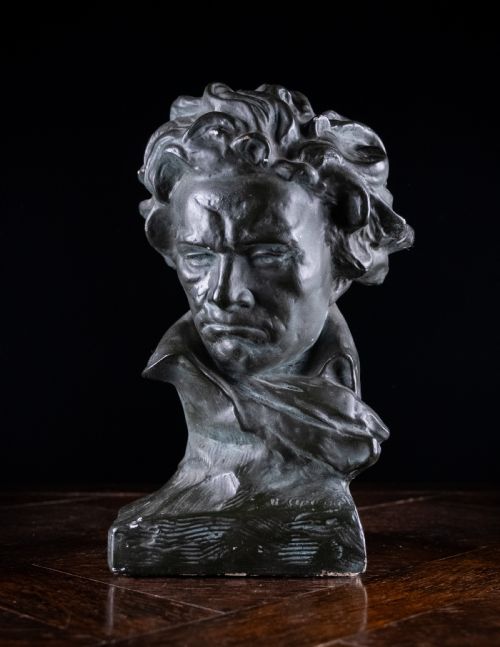
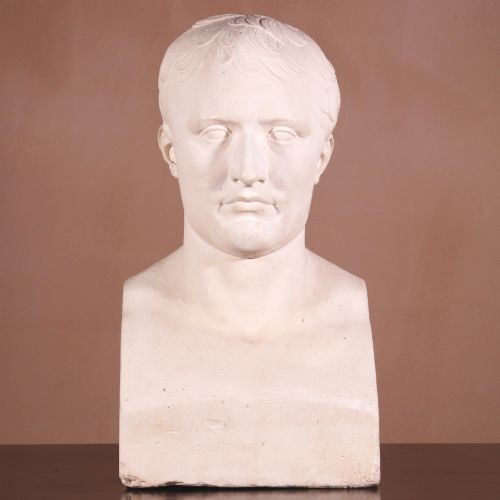
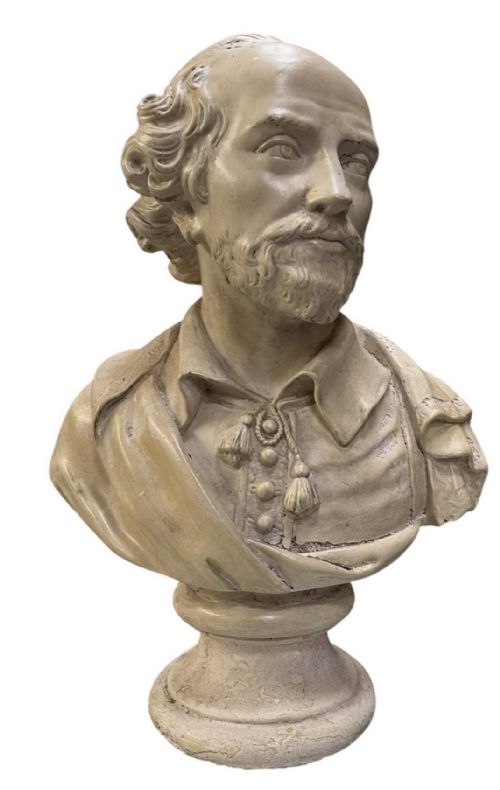
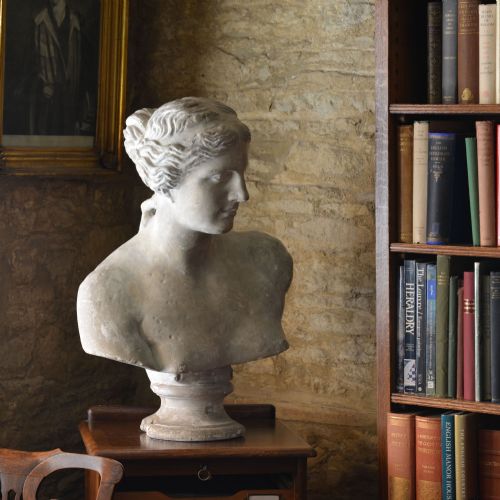


Plaster Classical Bust
These plaster classical bust pieces bring the quiet gravity of antiquity into a room, shaped in gypsum and plaster across the nineteenth and twentieth centuries.
Plaster Classical Bust
A plaster classical bust represents figures from history, literature and myth, ranging from Roman emperors like Marcus Aurelius and Augustus to poets such as Homer and Walter Scott. These sculptures draw heavily upon Neoclassical and Classical Revival tastes, capturing likenesses of cultural giants and classical subjects in solid form.
Most examples encountered here date from the nineteenth century up through the nineteen-thirties, spanning Victorian and Edwardian periods into the Art Deco era. Makers often modelled these pieces after antique marbles or Renaissance bronzes, making classical portraiture accessible for domestic libraries and studies.
Forms vary from modest library busts mounted on brackets to large scale sculptures paired with columns or scagliola pedestals. While plaster is the dominant medium, related pieces also appear in terracotta, with painted, patinated or bronzed finishes that mimic heavier materials.
Materials and methods
Makers produced these works primarily using plaster and gypsum, pouring the material into moulds taken from original sculptures or newly sculpted clay models. Once set, the casts received surface treatments including paint, verdigris patina and bronzed finishes to simulate aged bronze or stone.
Some variations utilise terracotta or incorporate brass and granite elements for structural support or mounting. Pedestals and display columns are frequently cast in scagliola, a composite material made from glue and pigmented gypsum that mimics marble.
The site's inventory records pieces spanning the nineteenth century, Edwardian era, and the nineteen-twenties and thirties.
Judging quality in sculpture
Surface finish and patination also drive distinction, where layered paint, patinated plaster or bronzed treatments create convincing depth rather than flat, uniform colour. The integration of maker stamps, proper mounting brackets or matching pedestals adds further weight to a piece.
Raffaelo Monti·Antonio Rossellino·D Brucciani
The Plaster Classical Bust Glossary
- Plaster
- A workable mixture of gypsum, water and other ingredients that hardens into a solid form when dry. It serves as the primary medium for sculptural casts and library busts.
- Scagliola
- A composite material made from pigmented gypsum, glue and sometimes marble splinters. Artisans apply it to create columns and pedestals that imitate expensive stones.
- Patination
- The surface ageing, colouring or treatment applied to sculpture. This process gives plaster the appearance of aged bronze, verdigris or weathered stone.
- Neoclassical
- An artistic style drawing inspiration from the classical art and culture of ancient Greece and Rome. It heavily influences the subject matter and proportions of these busts.
- Bracket
- A supporting architectural fixture attached to a wall. Library busts are frequently mounted upon these to display them securely above eye level.
Plaster Classical Bust: Frequently Asked Questions
How do I style a plaster classical bust at home?
Place library busts on sturdy bookshelves, mantelpieces or dedicated pedestals where their monochrome tones can stand against a contrasting wall.
Pairing them with wooden furniture or neutral backgrounds allows the sculptural form and patinated surface to anchor the room's design.
Were these busts made for education or decoration?
Nineteenth and twentieth-century workshops produced these pieces primarily for domestic libraries, academic study and refined home decoration.
They allowed collectors to bring representations of classical figures and literary icons into private spaces without acquiring expensive marble originals.
How should I clean and care for antique plaster?
Dust plaster sculptures gently with a dry, soft brush or a microfiber cloth to prevent dirt from settling into fine crevices.
Avoid using water or chemical cleaners, as moisture can soften the gypsum material and damage painted or patinated surfaces.
How can I tell the age of a plaster bust?
Examine the surface patination, the type of paint used, and any maker stamps or signatures pressed into the material.
Twentieth-century pieces often reflect Art Deco styling or carry dates, while nineteenth-century examples frequently feature patinated finishes mimicking bronze.