




Vintage Plaster Bust Sculpture
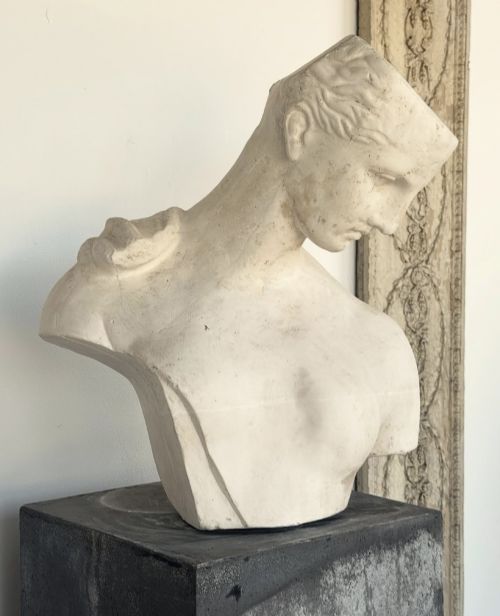
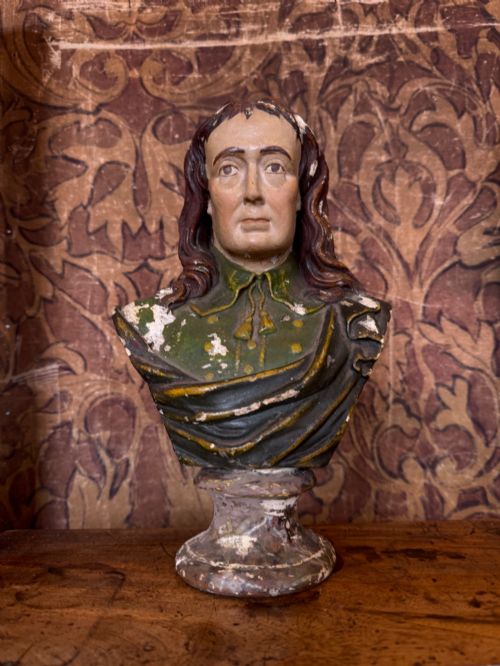
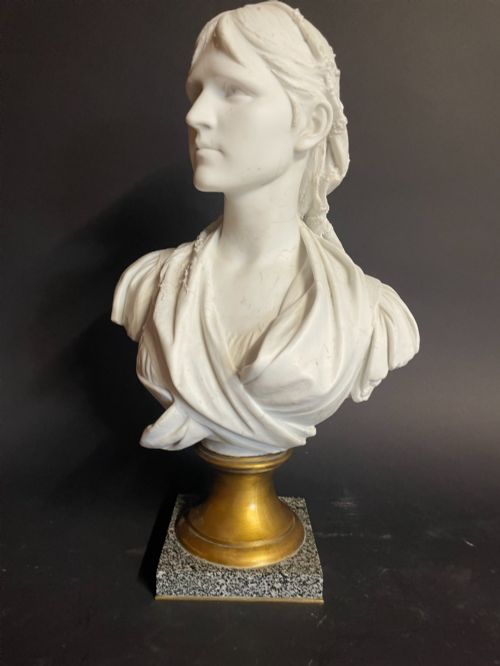
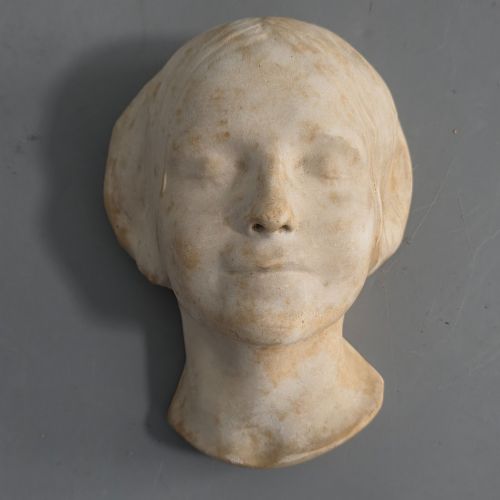
These vintage plaster bust sculpture pieces bring classical presence and historical character into a room through moulded relief and sculptural form.
Vintage Plaster Bust Sculpture
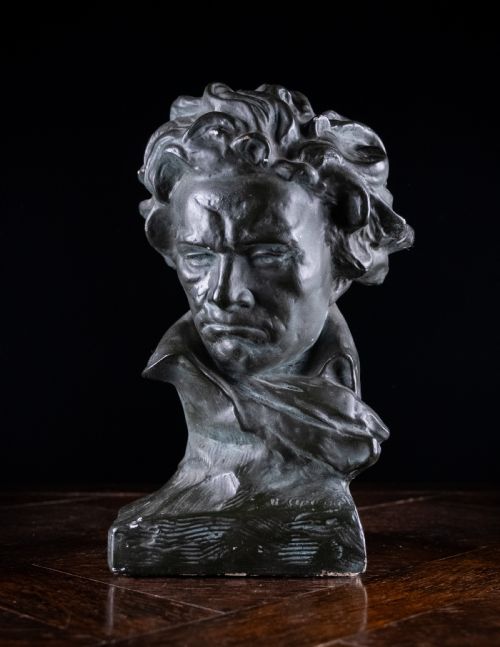
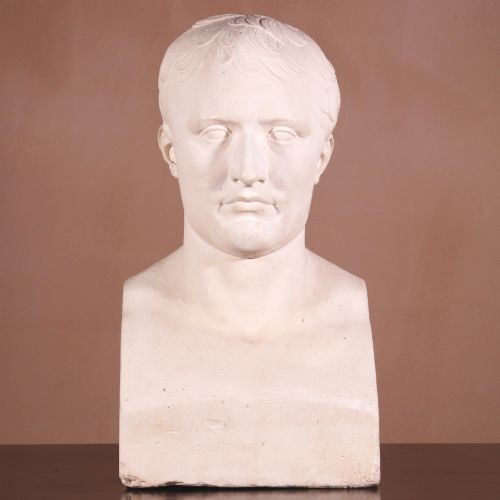
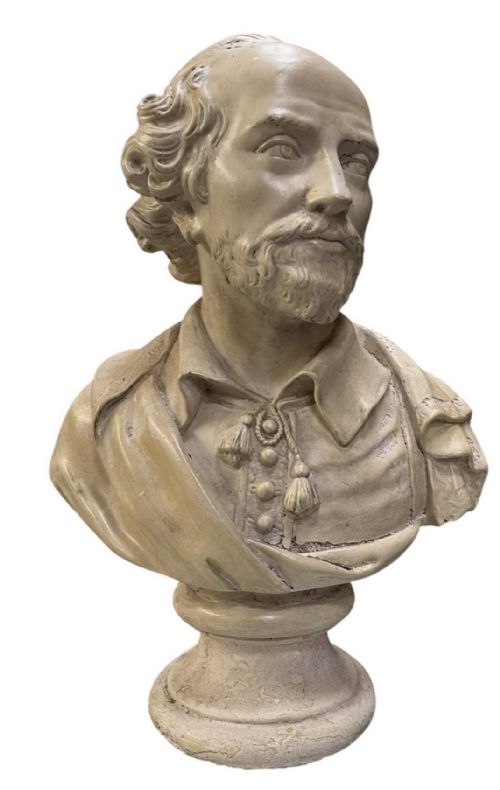
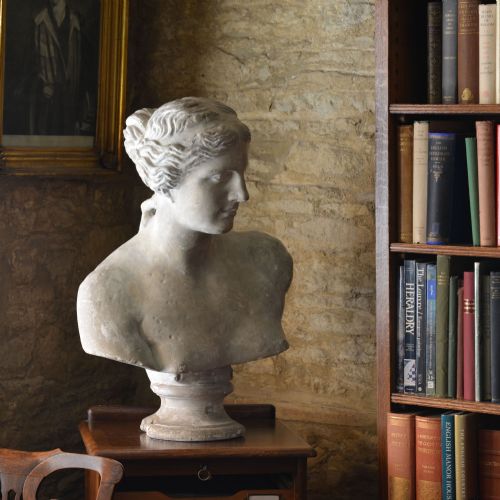
When you search for vintage plaster bust sculpture, you encounter portrait studies and classical figures rendered in gypsum and plaster, alongside related sculptural forms. The selections span historical portraiture, literary figures, and classical emperors originating from the nineteenth century through the Art Deco era.
The most common examples you meet on this page are classical and historical subjects, including depictions of Beethoven, Shakespeare, and Roman emperors. These pieces often arrive with painted surfaces or patinated finishes that record their age and past placement in libraries or studies.
Alongside traditional portrait busts, the form extends to wall sculptures, animal studies such as horses' heads, and figures mounted on stands or pedestals. These objects range from life-size library pieces to smaller decorative works reflecting neoclassical, Victorian, and Edwardian tastes.
How they were made
The primary material is plaster or gypsum, poured into moulds taken from original sculpted models and sometimes finished with painted surfaces or mounted on wood bases. Certain pieces incorporate terracotta, marble, brass, or granite elements to provide structural support or decorative contrast.
Makers utilised traditional casting techniques to capture fine details in the facial expressions, hair, and drapery of each subject. Surface decoration often involved oil or distemper paint applied to simulate stone or bronze, which naturally develops a characteristic craquelure and wear over decades.
Vintage Plaster Bust Sculpture Retail Price Guide 2026
Typical asking prices for vintage plaster bust sculpture among the pieces listed under this phrase on Sellingantiques today, from the lower quarter to the upper quarter. They describe what is for sale here now, not the wider market.
Several historical figures keep a silent watch over modern rooms, having spent a century observing library quiet.
What varies in quality
The handling of the painted or patinated surface contributes significantly to the visual weight of the piece. Skilful polychrome or monochrome finishing enhances the depth of the modelling, whereas flat or heavy-handed overpainting obscures the underlying detail.
Raffaelo Monti·Bohumil Rezl
The Vintage Plaster Bust Sculpture Glossary
- Plaster
- A building material consisting of a powder of calcined gypsum that is mixed with water and moulded. It allows for intricate detail capture when poured into wet or dry forms.
- Neoclassical
- A style originating in the mid-eighteenth century inspired by the art of classical antiquity. It values symmetry, restraint, and direct reference to Greek and Roman precedents.
- Patination
- The natural or artificial ageing of a surface that produces a characteristic sheen or colour change. On plaster, this often appears as subtle darkening or mellowing of the paint.
- Gypsum
- A soft sulphate mineral used as the principal raw material for plaster casts. Its fine grain permits smooth surfaces and sharp edges on finished portraiture.
Vintage Plaster Bust Sculpture: Frequently Asked Questions
How should I clean a plaster bust?
Dust the surface gently with a soft, dry brush or a feather duster to prevent dirt settling into the porous material. Avoid using water or liquid cleaners, which can dissolve the plaster or damage historical paint layers.
For stubborn marks, consult a professional conservator rather than attempting chemical removal at home. Keeping the piece away from direct moisture preserves the integrity of the gypsum.
Were these originally made for libraries?
Many nineteenth-century portrait busts of classical figures, poets, and philosophers were produced specifically for home libraries and studies. They served as decorative objects that signified scholarly pursuits and classical education.
Publishers and plaster-figure makers distributed these works widely to satisfy the Victorian and Edwardian desire for cultured interior decoration.
How do I date a plaster bust?
Examine the base, construction marks, and the style of the mounting for clues to the period. Evidence of early wood screws, handwritten inscriptions, or specific foundry stamps can narrow down the decade of production.
The style of the subject's dress and the type of paint or surface finish also offer reliable chronological indicators.
Are these pieces fragile?
Plaster is a relatively soft and brittle material that can chip or crack if dropped or handled roughly. Heavy impacts pose a risk to projecting details such as noses, ears, and drapery folds.
Position the bust on a stable surface away from high-traffic areas or vibrations to ensure it remains secure over time.