



Literary Portrait Bust
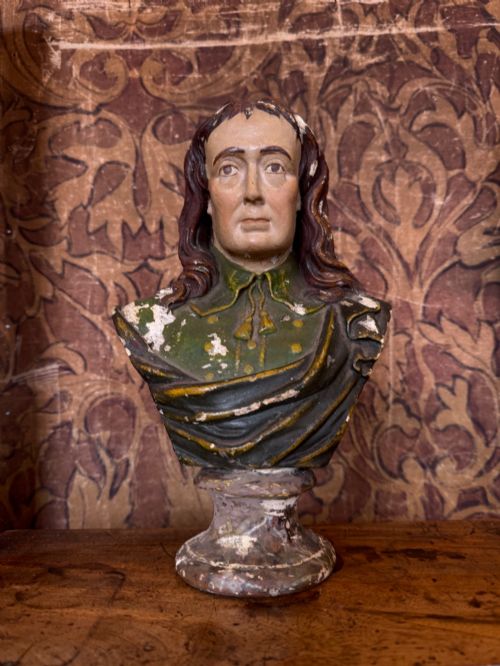
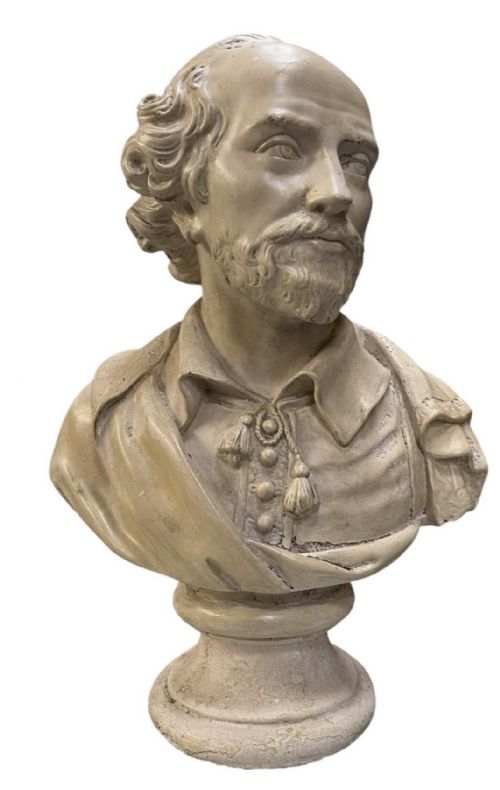
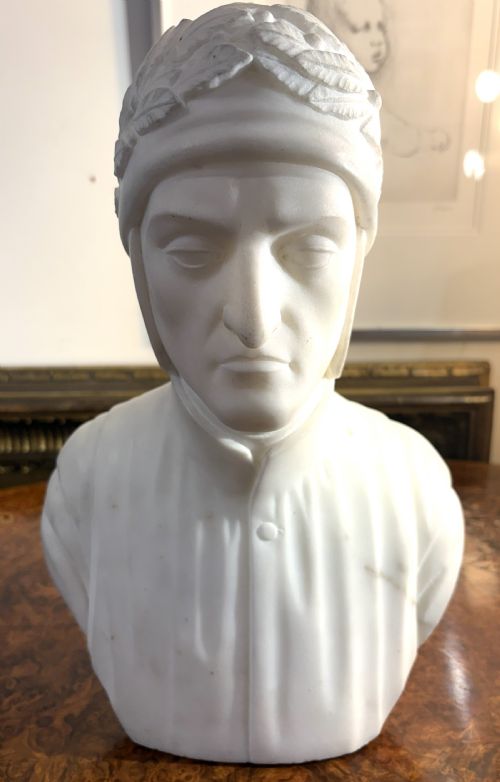
These literary portrait bust pieces bring writers into a room, offering sculpted likenesses of poets and dramatists.
Literary Portrait Bust
A literary portrait bust captures the likeness of a celebrated writer, poet, or thinker in three dimensions. These sculptures span the eighteenth, nineteenth, and early twentieth centuries, drawing on Georgian, Victorian, Classical Revival, Neoclassical, and Art Deco styles.
The pieces on this page take several distinct forms, from library busts set on marble bases or brackets to decorative bookends and fine art paintings. Subjects include canonical figures such as William Shakespeare, Dante Alighieri, Walter Scott, Lord Byron, John Milton, and Dr Samuel Johnson.
Sculptures appear across multiple scales, functioning either as substantial library pieces or as functional objects like bookends. Most examples rely on classical portrait traditions, depicting subjects with varying degrees of idealisation or naturalism.
How they were made
Materials span carved marble, cast bronze, plaster, earthenware with glaze, pearlware, cast metal, gesso, and black marble. Sculptors and manufacturers selected materials to suit the intended gravity and setting of the piece, whether for a private library or a domestic mantelpiece.
Techniques range from hand-carved stone and cast metal to studio pottery and moulded plaster finishes. Many works incorporate mixed elements, pairing bronze or plaster busts with marble plinths and supportive brackets.
Literary Portrait Bust Retail Price Guide 2026
Typical asking prices for literary portrait bust among the pieces listed under this phrase on Sellingantiques today, from the lower quarter to the upper quarter. They describe what is for sale here now, not the wider market.
William Shakespeare makes more appearances than any other writer, immortalised in everything from heavy bronze and carved marble to humble plaster and functional bookends.
What varies in quality
Quality depends upon the fidelity of the likeness and the precision of the modeling in the chosen medium. A sharply rendered plaster or bronze captures facial expression and drapery with greater clarity than a softer or more generic casting.
The selection of base materials and structural supports also dictates overall standard, such as the inclusion of substantial marble plinths or bespoke brackets. Finer pieces demonstrate careful attention to surface finish, patination, and the integration of the bust with its mounting.
Raffaelo Monti
The Literary Portrait Bust Glossary
- Library bust
- A sculptural portrait intended for display within a study or library, typically sized for a desk, shelf, or bracket. These pieces often feature historical or literary figures.
- Patination
- The surface appearance or coloration acquired by bronze and metal through age or chemical treatment. It reveals the depth of the metalwork.
- Plinth
- A heavy block or base supporting a statue or bust. It provides stability and visual elevation to the sculpture.
- Pearlware
- A fine earthenware developed in England during the late eighteenth century, characterised by a bluish-white glaze. It provides a smooth surface for early ceramic figures.
Literary Portrait Bust: Frequently Asked Questions
What materials were used for literary portrait busts?
Makers utilised a diverse range of materials depending on the period and function of the piece. Common substances include carved marble, cast bronze, moulded plaster, earthenware, pearlware, and cast metal.
Support elements often incorporate gesso or contrasting black marble plinths and wooden brackets. Each material contributes a distinct weight and visual character to the sculpture.
Who are the typical subjects shown on these busts?
The subjects are overwhelmingly canonical writers, poets, and thinkers from British and European literary history. William Shakespeare, Dante Alighieri, Walter Scott, Lord Byron, John Milton, and Dr Samuel Johnson appear frequently across the listings.
These historical figures were chosen to signal intellectual taste and literary appreciation within a nineteenth- or early twentieth-century interior.
How do you date a plaster or bronze bust?
Dating relies on stylistic markers such as Neoclassical, Victorian, or Art Deco design elements, alongside the handling of the material and casting techniques. Documentation, signatures, or inscriptions on the base often provide direct attribution to a specific sculptor or period.
Wear patterns, the composition of the base, and manufacturing methods also help distinguish eighteenth-century ceramics from later nineteenth-century casts.
Where were these sculptures originally displayed?
These pieces were designed primarily for domestic spaces associated with reading, study, and contemplation. They sat upon library shelves, desks, specialised wall brackets, and mantelpieces.
Some functional iterations, such as metal bookends featuring Shakespeare, served to organise volumes on a private shelf while maintaining a decorative literary theme.