




Neoclassical Plant Pedestal
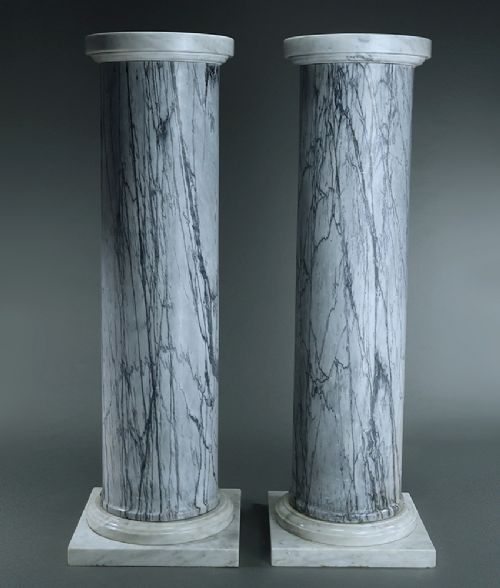
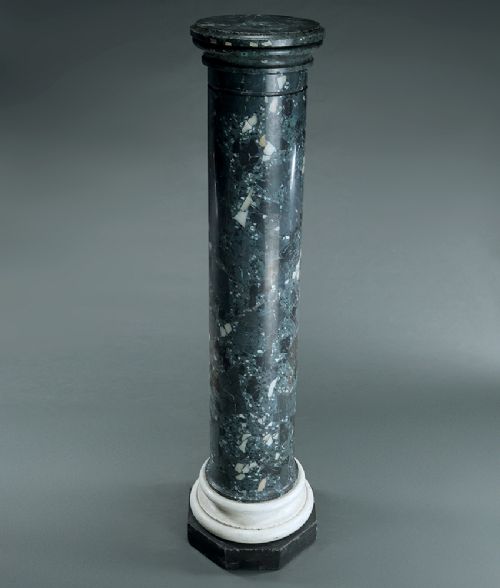
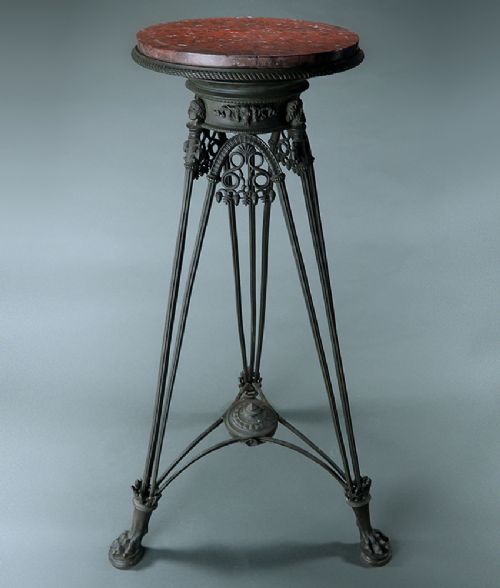
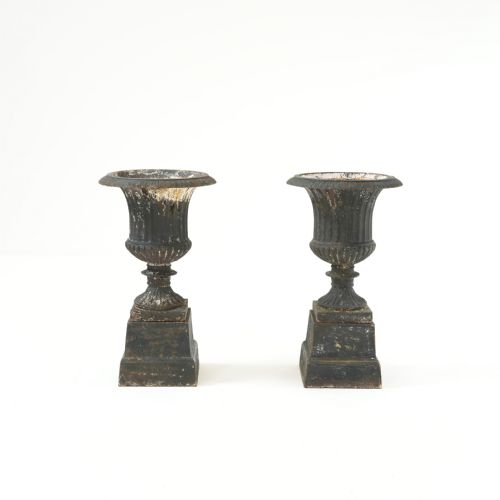
These neoclassical plant pedestal options bring classical architectural form and stone or wood surfaces directly into domestic interiors.
Neoclassical Plant Pedestal
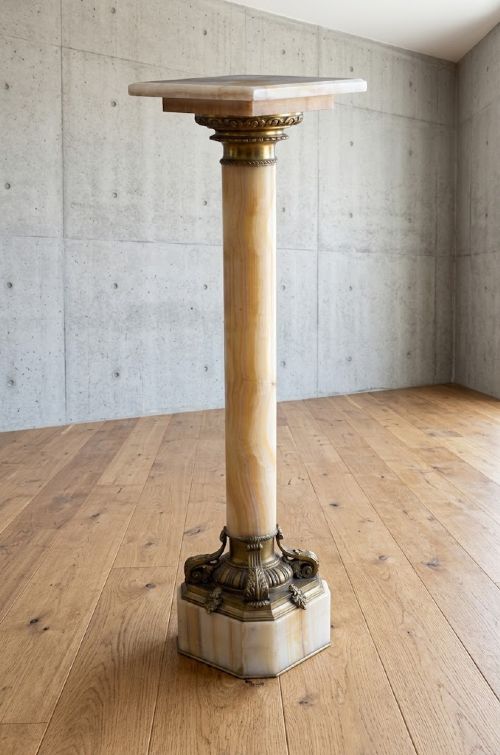
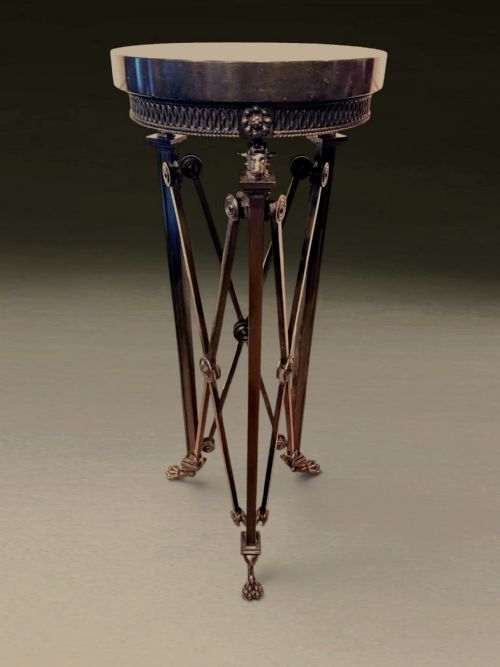
A neoclassical plant pedestal stands as a column, plinth, or torcher that elevates floral arrangements and sculpture inside rooms. Buyers encounter items functioning as side tables, gueridons, and occasional stands alongside dedicated plant supports.
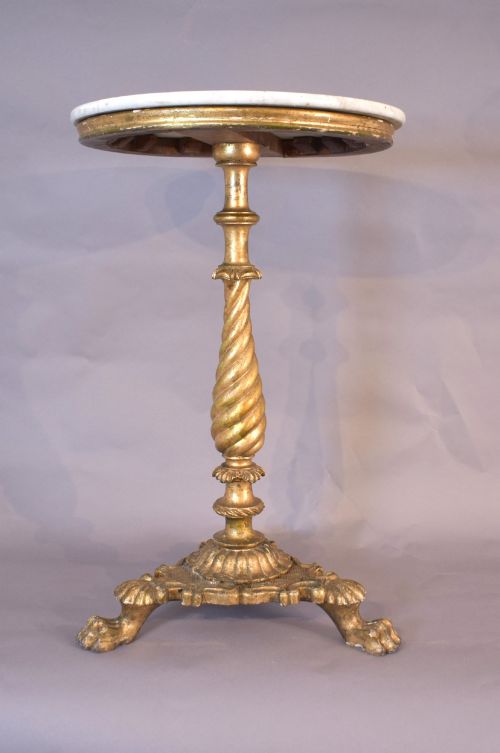
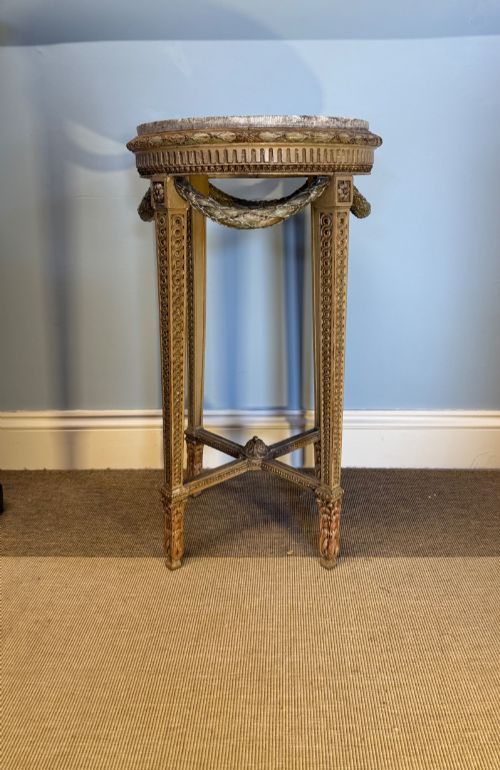
The material vocabulary draws heavily from classical antiquity, featuring columns and capitals in marble, scagliola, mahogany, and giltwood. Makers built these forms across the nineteenth century and into the early twentieth century within French, Regency, and Victorian revivals.
Surviving examples span simple turned timber stands to elaborate stonework columns fitted with ormolu collars and bronze mounts. Most specimens on this page emerge from nineteenth-century workshops and early twentieth-century revival periods.
Materials and construction
Stonework constructions utilise solid blocks of marble, onyx, alabaster, and scagliola turned on lathes or carved by hand. Artisans combined these mineral tops with cast iron, bronze, or brass mounts to secure structural integrity.
Timber examples employ mahogany, satinwood, and birch, often finished with gesso, paint, or gilding. Joiners built round tables, tripods, and square plinths using traditional cabinetmaking techniques suited to supporting heavy weights.
Several columns disguise their true weight entirely, appearing as solid ancient marble until someone attempts to move them and discovers painted plaster.
Distinctions in craftsmanship
Quality rests in the selection of the stone and the precision of the carving across capitals and bases. Finer pieces employ genuine verde antico, bardiglio, or arabescato marble rather than painted plaster or basic faux finishes.
Metalwork details differentiate standard items from superior productions through chased ormolu collars, crisp brass mounts, and solid bronze attachments. The weight of the timber and the execution of hand-applied gilding separate workshop levels.
Thomas Hope·Weisweller
The Neoclassical Plant Pedestal Glossary
- Scagliola
- A composite material made from selenite, glue, and pigments that mimics the appearance of true marble. Artisans applied this technique to produce columns and plinths with complex veining.
- Gueridon
- A small French table supported by one or more columns, often topped with marble or onyx. These pieces serve as plant stands and occasional tables.
- Ormolu
- Gilt bronze mounts applied to furniture and decorative columns for ornamental effect. The technique involves treating metal with a mercury and gold amalgam.
- Torchere
- A tall, slender stand designed to hold a light or a decorative plant. They frequently incorporate carved wood, gilt gesso, or stone shafts.
- Socle
- A short plinth or footing that supports a column, statue, or pedestal base. It provides physical stability and visual grounding to taller vertical forms.
Neoclassical Plant Pedestal: Frequently Asked Questions
What is a neoclassical plant pedestal used for?
These pieces function primarily to elevate urns, botanical displays, and decorative sculptures within a room. Their height draws the eye upward while creating a focal point in corners or empty wall spaces.
Historically, they also served as side tables or gueridons for holding lighting and small decorative objects. Today, they integrate into residential schemes to display plants and sculptural items at eye level.
Where should I place a heavy stone pedestal?
Heavy stone columns require stable, level flooring to prevent tipping due to their high centre of gravity. Placing them against solid walls or in low-traffic corners protects the piece from accidental impacts.
Ensure the weight is distributed evenly across the top plinth or marble surface. For antique timber stands, verify that the floor surface does not cause the piece to rock.
How can I date a nineteenth-century pedestal?
Dating relies on stylistic revival cues, such as French Empire, Regency, or Etruscan Revival motifs, alongside material construction methods. Tool marks on hidden timber surfaces and the composition of metal mounts offer clues to the decade of manufacture.
Nineteenth-century pieces often exhibit hand-turned wooden components or individually cast bronze elements. Revival periods in the early twentieth century replicated these historical forms using contemporary workshop standards.