



Neoclassical Pier Mirror
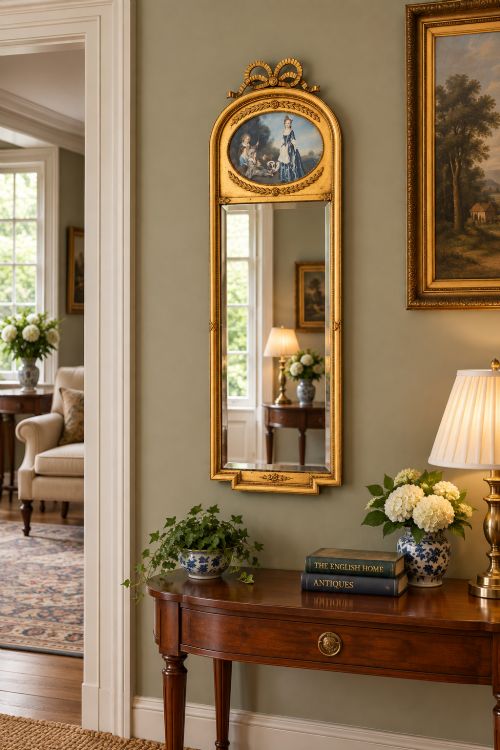
A neoclassical pier mirror brings architectural proportion and reflective light into a room, suspended precisely between two windows.
Neoclassical Pier Mirror
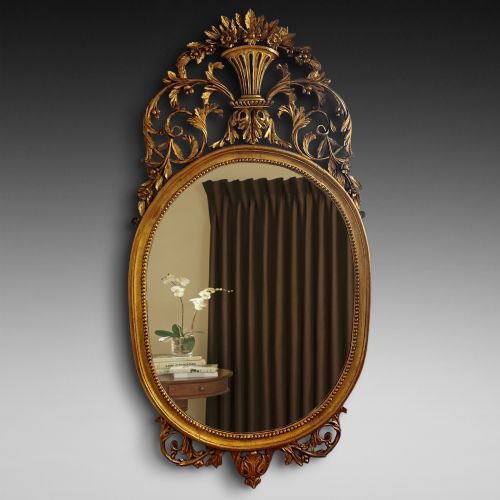
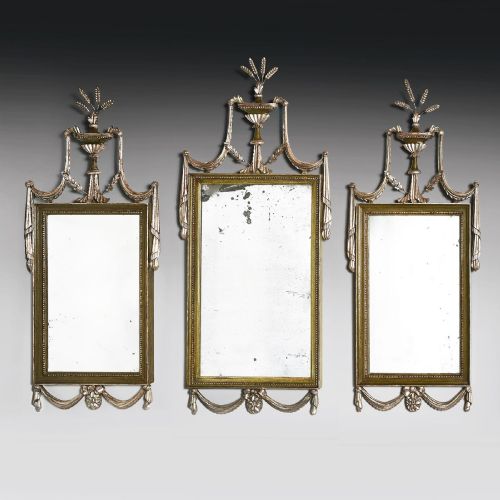
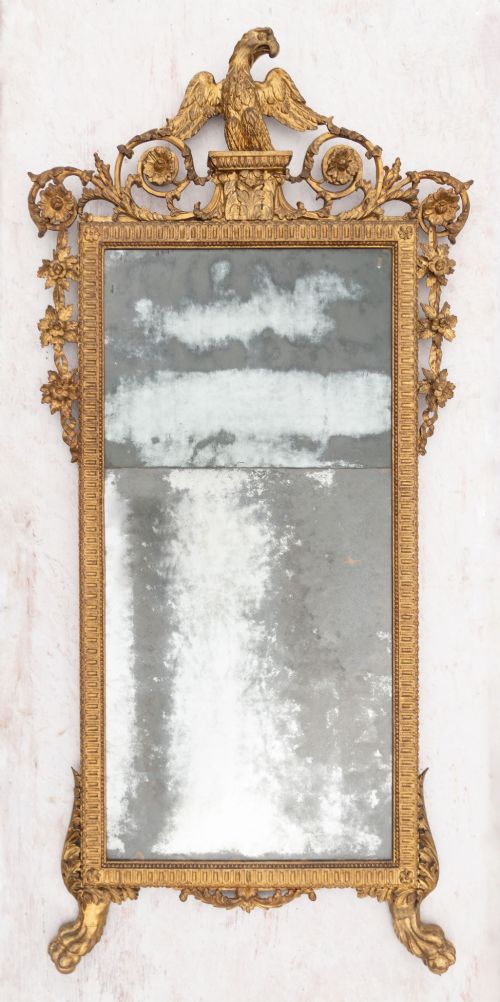
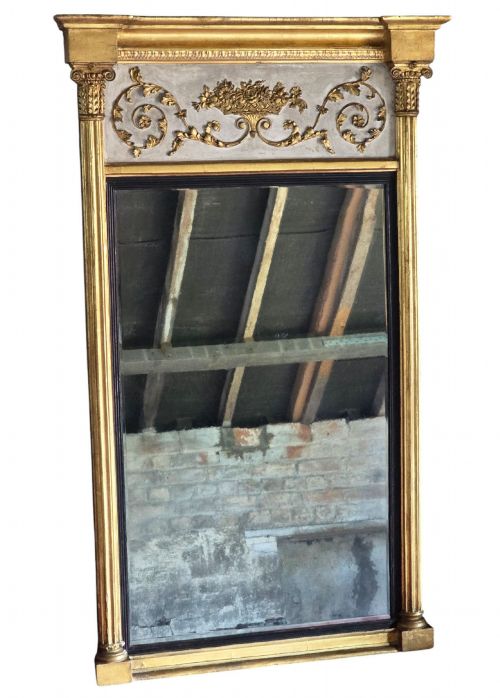
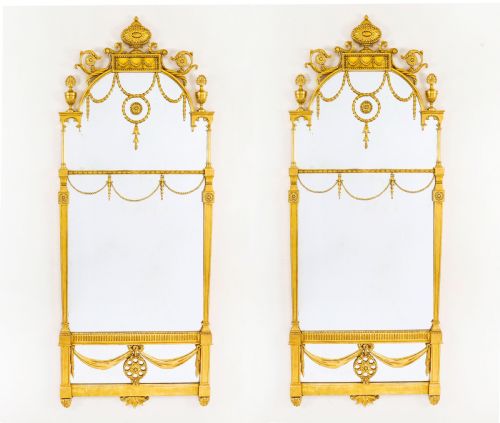
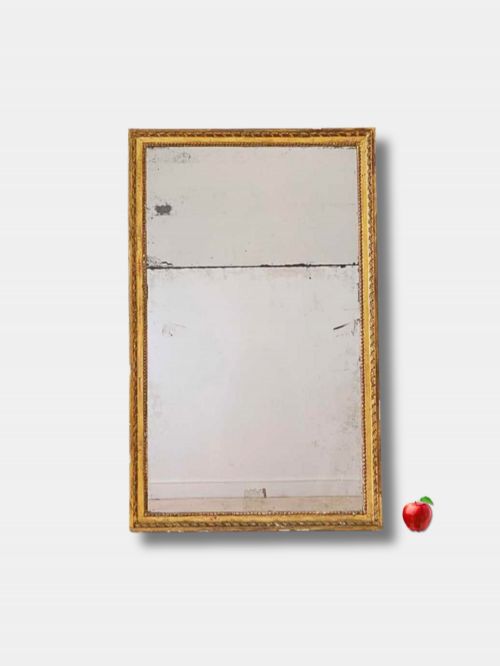
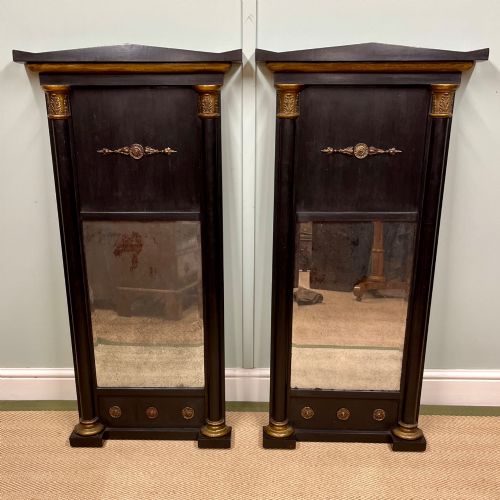
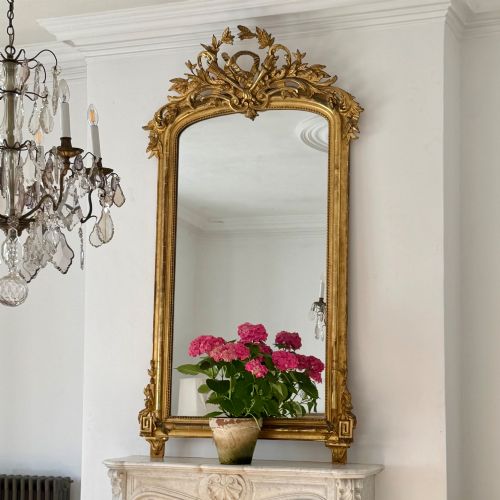
A neoclassical pier mirror is a tall, vertical wall glass designed specifically to hang on the narrow wall space between windows, reflecting natural light deeper into a room. When you examine a neoclassical pier mirror on this page, you find examples originating from Georgian, Regency, and nineteenth-century periods, as well as revival pieces executed in the Louis XVI and Adam manners.
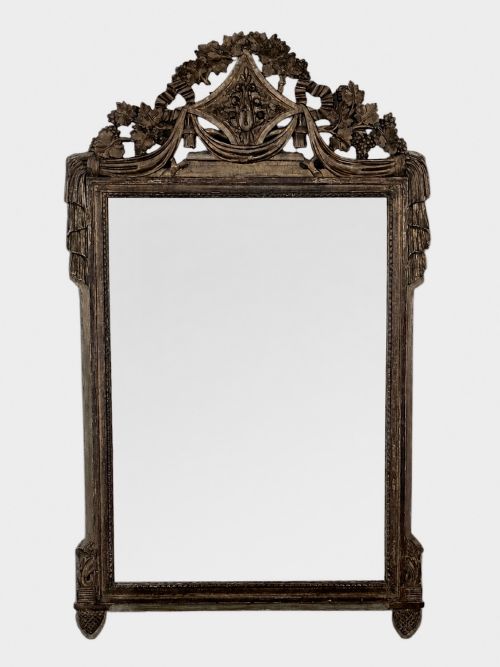
The forms range from restrained rectangular plates to elaborate tall formats incorporating carved console tables, lion masks, or rams' head details. French, English, and Swedish workshops all contributed distinct regional interpretations to this enduring decorative type.
How they were made
These frames rely upon carved wood, often mahogany or softwoods, built up with layers of gesso to receive intricate surface ornamentation. Artisans applied thin sheets of gold leaf or paint over the gesso base to achieve a brilliant gilded finish.
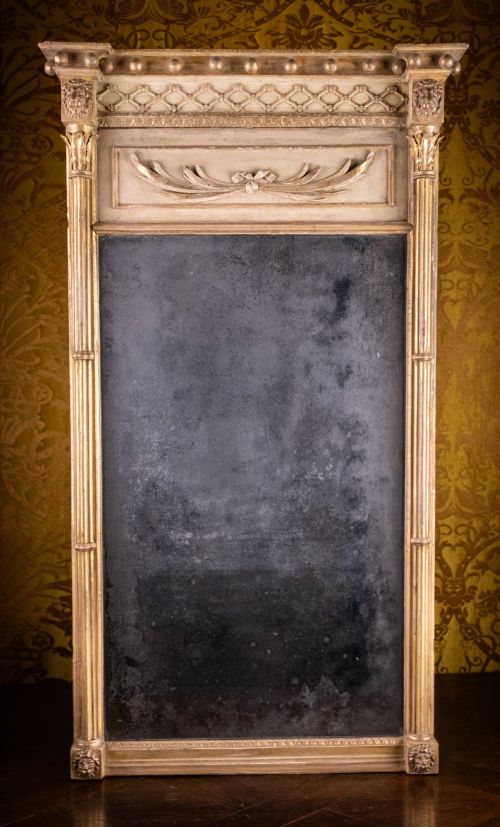
Early examples frequently utilise mercury glass plates, possessing a distinct deep sheen and minor imperfections inherent to period silvering techniques. Carved wooden elements like classical motifs, parcel gilt highlights, and applied ornamentation were shaped by hand before gilding.
Listings feature frames finished in giltwood, painted wood, and gold leaf, housing traditional mirror glass and mercury glass plates.
What varies in quality
Quality rests in the crispness of the hand-carved gesso and wood details, where sharp relief and balanced classical proportions distinguish superior workshops from later mass production. The depth and integrity of the original mercury glass plate, together with the preservation of the authentic gilding, set the finest specimens apart.
Construction solidity also dictates value, particularly in tall or heavy frames that must support substantial glass weight without structural warping over centuries.
Gillows Of Lancaster
The Neoclassical Pier Mirror Glossary
- Pier glass
- A large mirror made specifically to hang on the narrow pier of wall between two windows. It often stands above a matching console table.
- Gesso
- A plaster mixture applied to wood frames to create a smooth surface for gilding. Artisans carved intricate details directly into this hardened layer.
- Mercury glass
- An early type of mirror plate produced using a tin and mercury amalgam before the invention of modern chemical silvering. It creates a dark, atmospheric reflection.
- Parcel gilt
- A finishing technique where only specific raised portions of a painted or wood frame receive gold leaf. This creates a striking contrast between the gilded motifs and the painted background.
- Trumeau
- A decorative wall panel that incorporates a painted scene or mirror glass within carved wooden framing. These were popular in grand eighteenth-century interiors.
Neoclassical Pier Mirror: Frequently Asked Questions
Where should I hang a pier mirror?
These mirrors traditionally hang on the narrow wall space between two windows, where they reflect natural daylight back into the interior. They also work effectively above mantelpieces or console tables in principal reception rooms.
Because of their tall, vertical proportions, ensure the wall anchors are secure and able to bear the substantial weight of the timber frame and glass plate.
How do I identify a mercury glass plate?
Mercury glass typically exhibits a slightly darker, warmer reflection with subtle clouding, small spots, or tiny bubbles trapped within the historical manufacturing process. These characteristics confirm the plate predates modern industrial silvering methods.
While modern mirrors offer a clinical reflection, period plates display an aged depth that collectors particularly prize.
How do I clean an antique giltwood frame?
Dust the carved gesso and giltwood surfaces gently with a soft, dry brush or feather duster to prevent dislodging delicate leaf. Avoid using water, chemical cleaners, or damp cloths, which can dissolve the historical gesso beneath the gold leaf.
Professional conservators should handle any structural repairs or deep cleaning of fragile gilded surfaces.