





Antique Hall Stand Mirror
An antique hall stand mirror combines practical entryway storage with a reflective surface, bringing period character and utility to entrance halls.
Antique Hall Stand Mirror
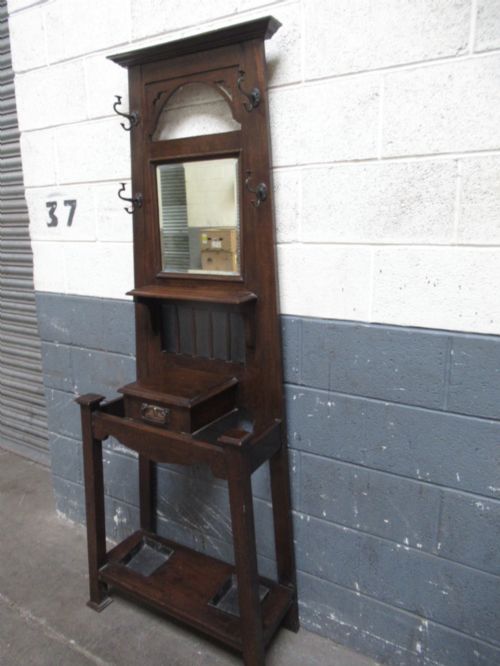
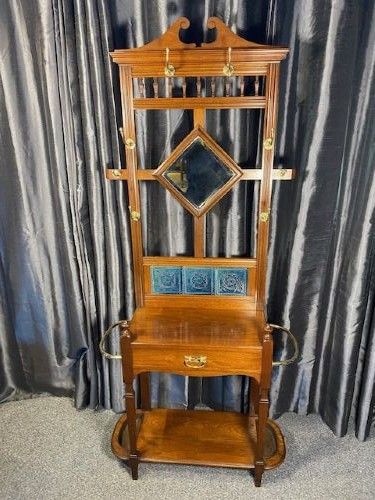
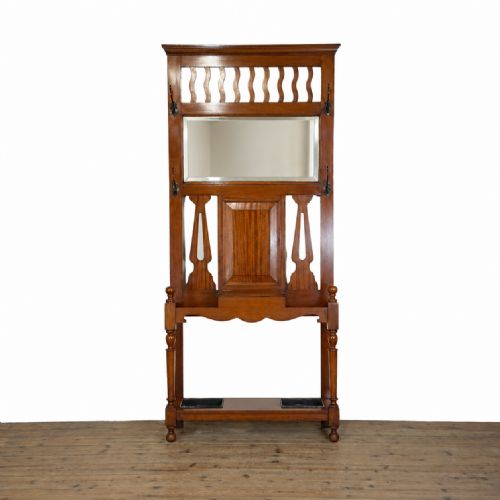
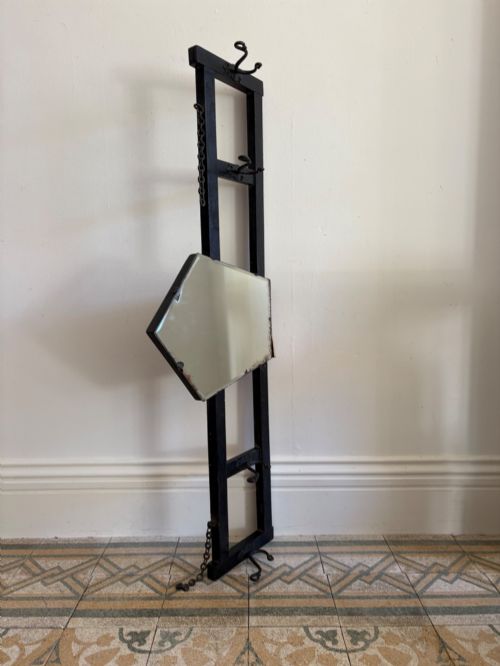
An antique hall stand mirror is a multi-functional piece of furniture designed for the entrance hall, combining coat hooks, umbrella holders, and an integrated mirror.
The pieces seen here range from the 19th century into the early 20th century, encompassing Victorian, Edwardian, Arts and Crafts, and Aesthetic Movement designs.
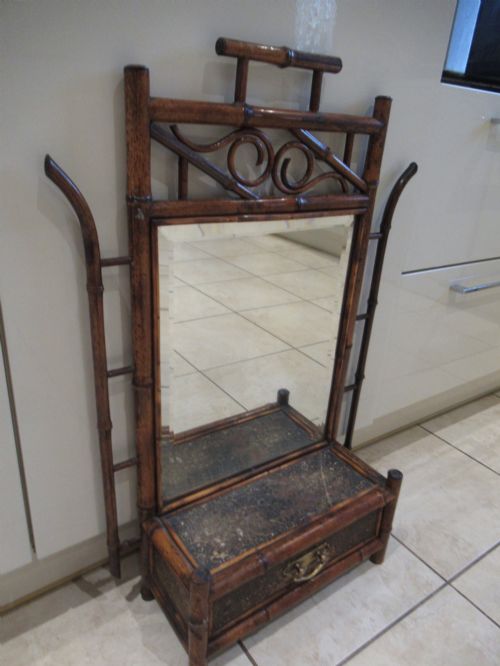
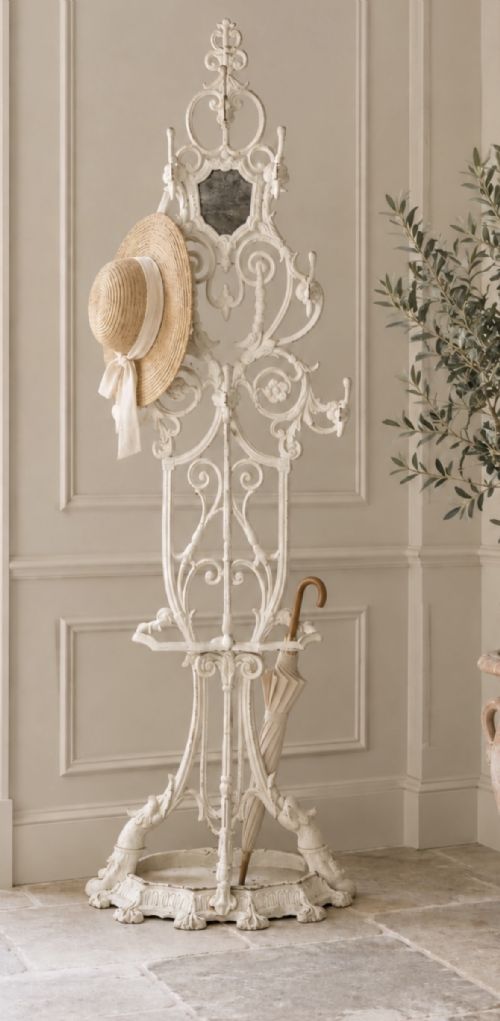
Oak and mahogany form the core of the wooden examples, whilst bamboo and cast iron appear frequently in French and late 19th-century variants.
Materials and construction methods
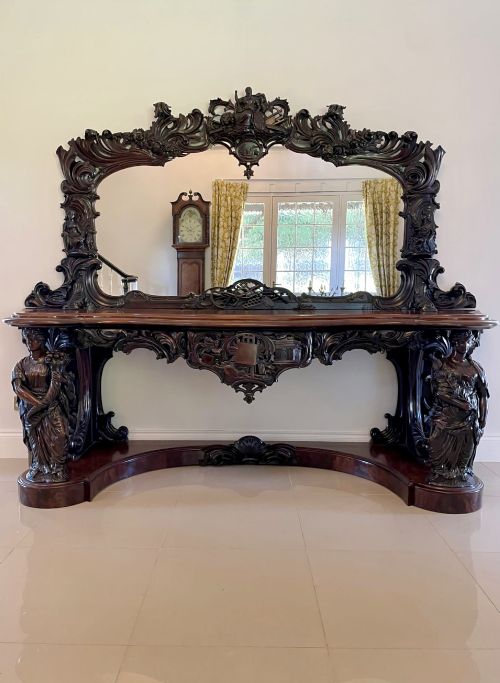
Joinery relies on solid hardwoods like oak, walnut, and mahogany, often enhanced with carved details, applied mouldings, or inlaid sections.
Metal elements such as brass coat hooks and cast iron frames provide structural support for heavy outerwear and umbrellas.
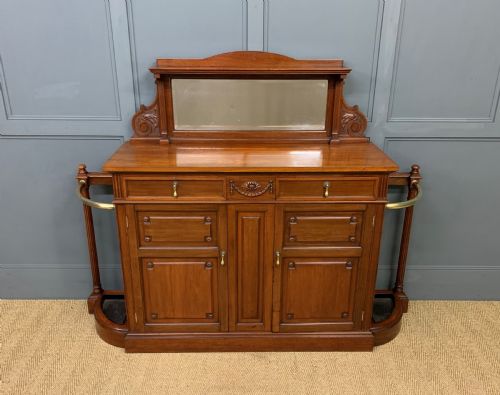
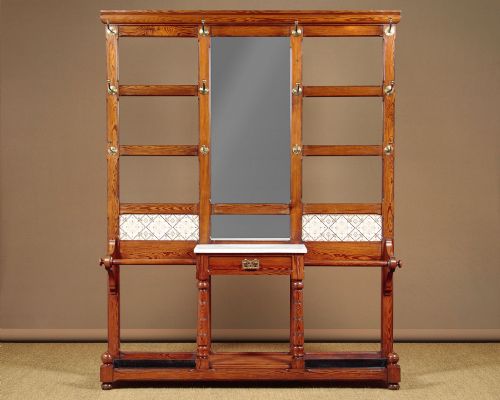
Mirrors are securely set into wooden frames or carved backs, occasionally featuring bevelled edges alongside marble shelves or console bases.
Antique Hall Stand Mirror Retail Price Guide 2026
Typical asking prices for hall stand mirror among the pieces listed under this phrase on Sellingantiques today, from the lower quarter to the upper quarter. They describe what is for sale here now, not the wider market.
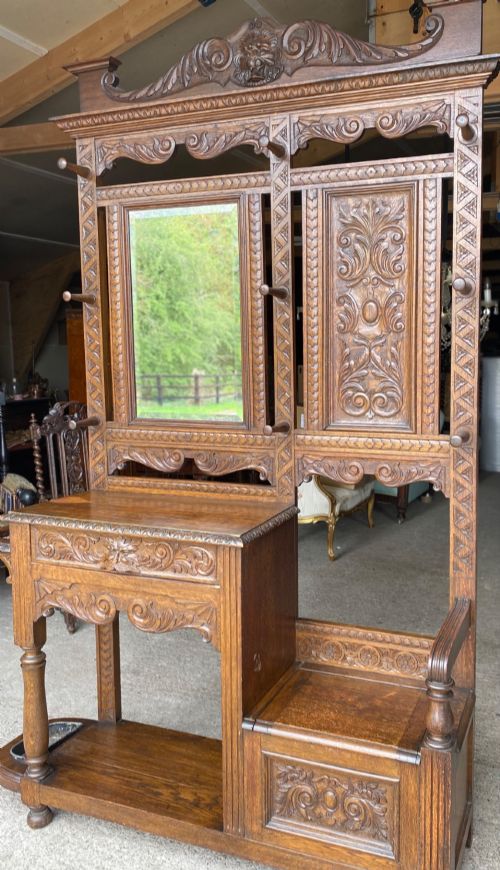
Green Man carvings peer out from the oak foliage, keeping a silent, leafy watch over every visitor's hat.
Distinguishing quality in hall stands
Quality rests upon the depth and crispness of the wood carving, the weight and finish of the brass or cast iron hardware, and the integrity of the integrated mirror plate.
Substantial exhibition pieces display superior timber selection and complex joinery, whereas simpler examples rely on straightforward utility and clean lines.
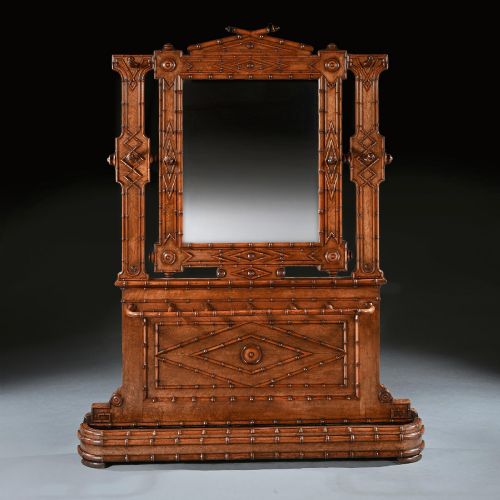
The choice of materials, from standard oak to birdseye maple or faux bamboo, dictates the decorative ambition of the piece.
Shoolbred & Co.·Thonet
The Antique Hall Stand Mirror Glossary
- Aesthetic Movement
- A late 19th-century design style emphasising visual beauty over narrative content, often incorporating Japanese influences.
- Faux bamboo
- Wood turned or carved to imitate the segmented appearance of natural bamboo stalks.
- Console table
- A table designed to fit flush against a wall, frequently incorporated into the base of a larger hall stand.
- Bevelled glass
- Mirror glass with an angled edge polished around the perimeter to catch the light.
Antique Hall Stand Mirror: Frequently Asked Questions
How do I secure a hall stand safely?
Because these stands hold heavy coats and balance tall structures against walls, secure fixing to the wall is essential for stability. Most tall examples include designated fixing points near the top.
Ensuring the piece is anchored properly prevents tipping, especially when loaded with winter garments and umbrellas.
What periods do these hall stands cover?
The pieces span from the mid-19th century through the Victorian and Edwardian eras up to the early 20th century. Styles range from heavy carved oak to lighter bamboo and cast iron designs.
Each period brings distinct materials and decorative motifs, reflecting changing domestic fashions in entrance hall furniture.
How were these pieces used originally?
Victorians and Edwardians utilised them immediately upon entering the home to deposit hats, coats, gloves, and walking sticks. The mirror allowed a final check of attire before stepping out.
Lower trays or metal wells caught dripping water from umbrellas, protecting the hallway flooring beneath.
Are marble shelves common on hall stands?
Marble inserts appear on select mahogany and oak stands, usually forming a durable surface on the console table base. They provided a moisture-resistant spot for visiting cards or small items.
These marble tops add considerable weight to the base, improving overall stability.