
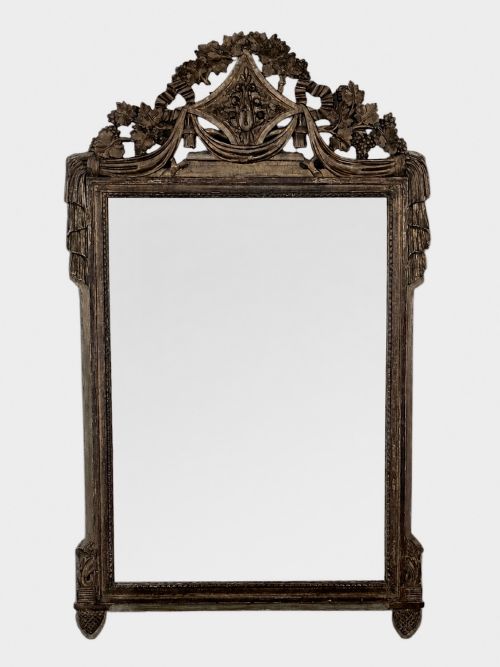


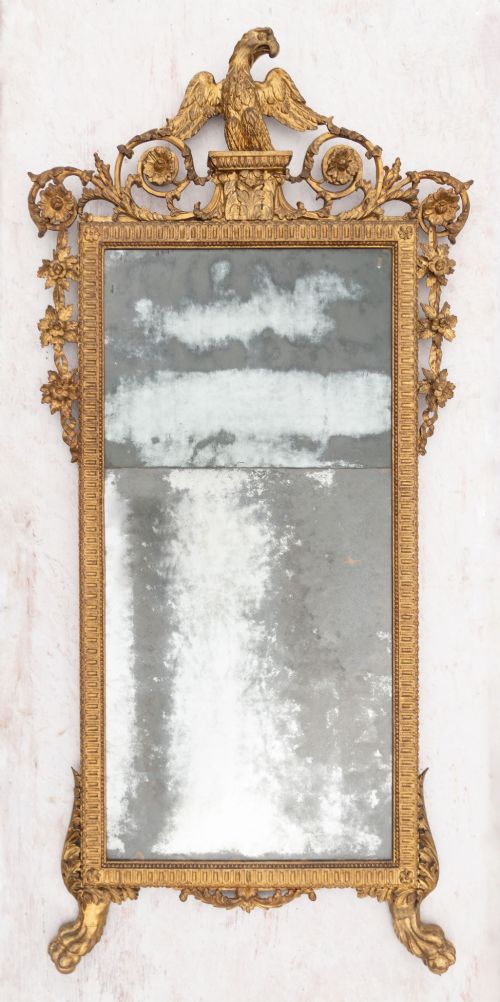
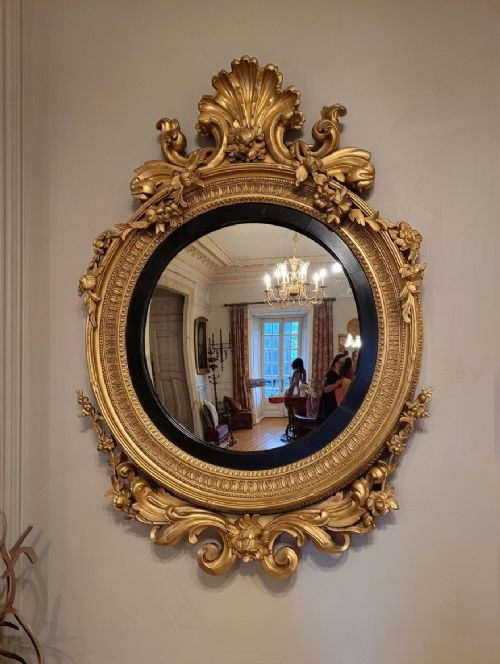
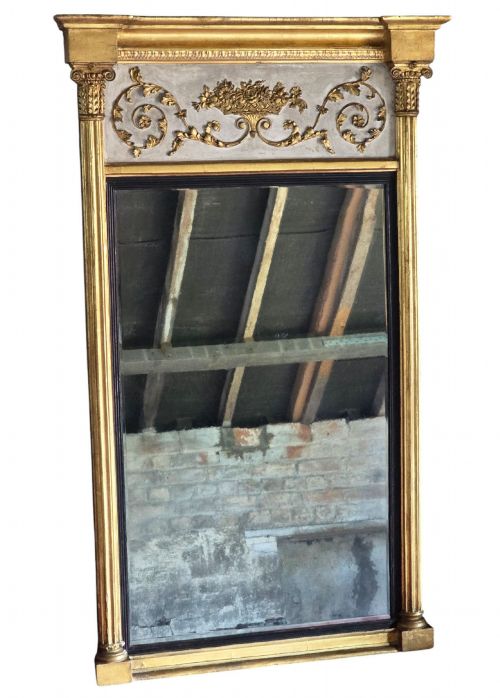
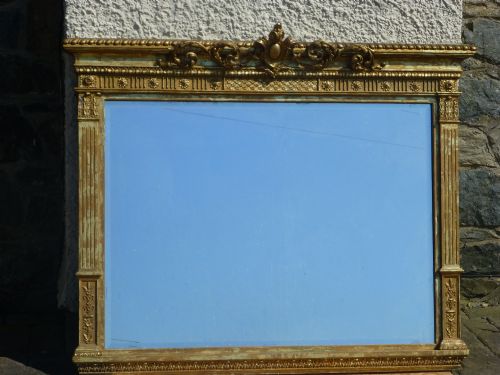

Neoclassical Overmantel Mirror
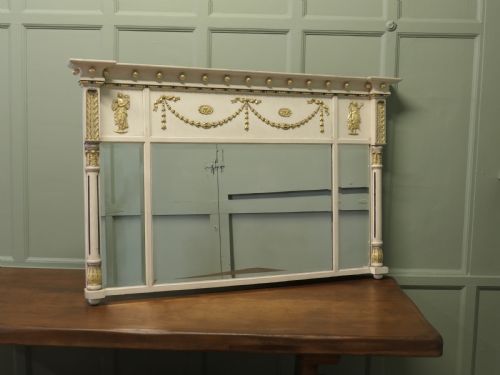
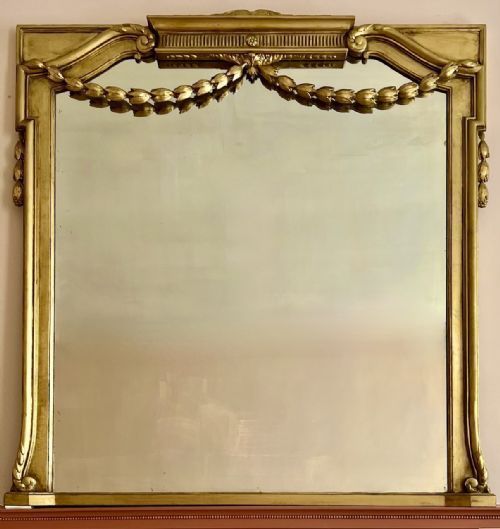
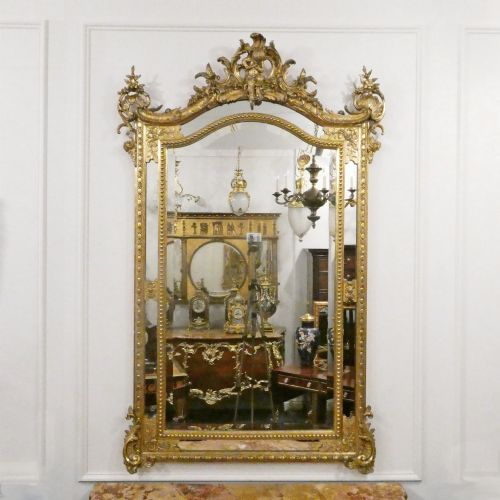
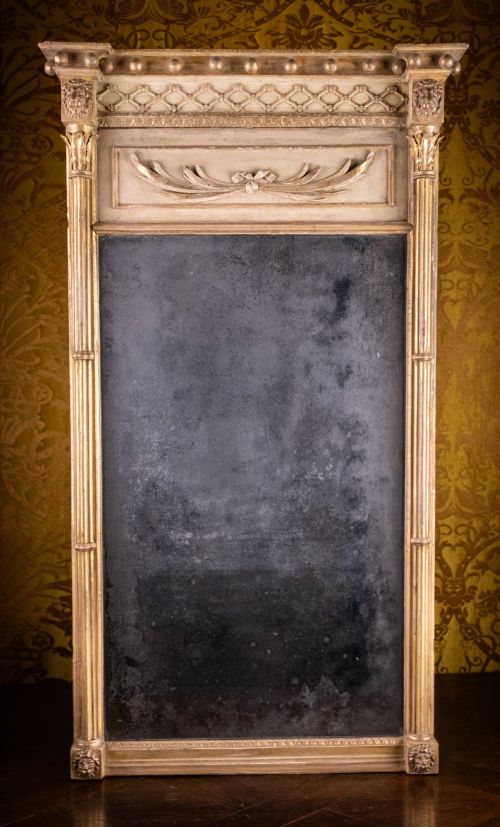
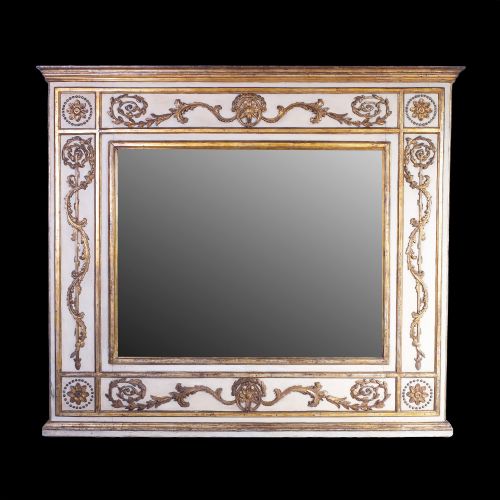
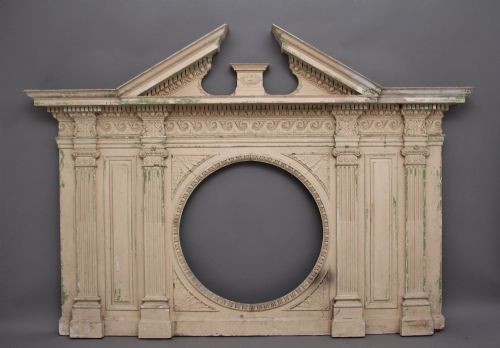
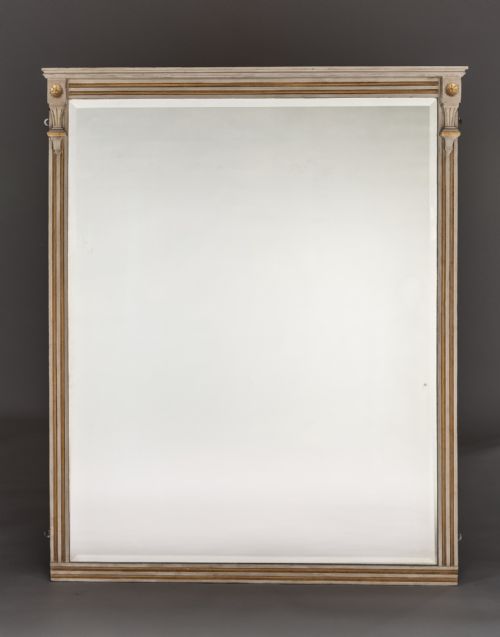
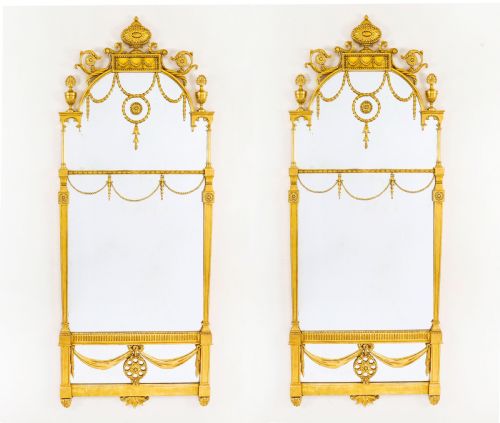
These pieces are neoclassical overmantel mirrors, designed to anchor a room above a fireplace with classical proportion and light.
Neoclassical Overmantel Mirror
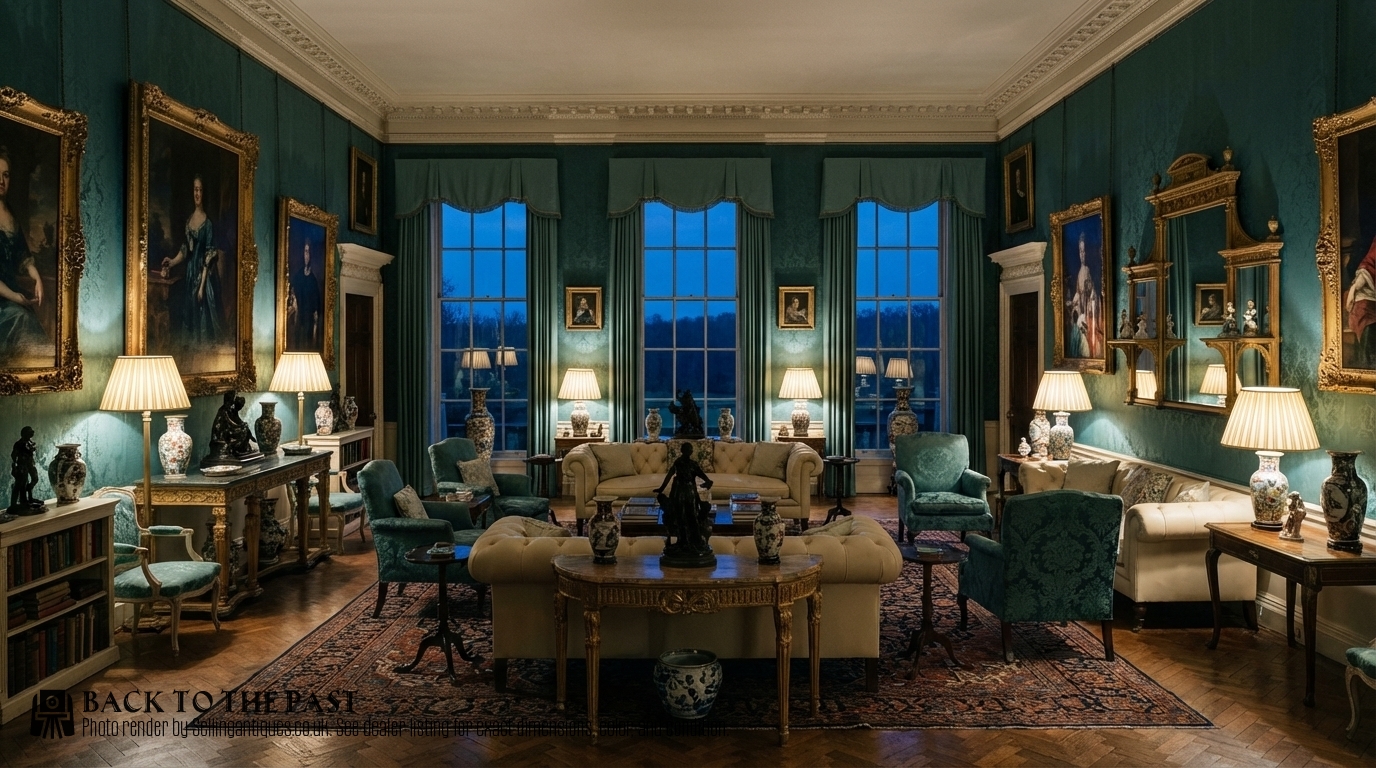
A neoclassical overmantel mirror brings architectural order and reflected light to a principal room, usually positioned centrally above a fireplace mantel. When searching for a neoclassical overmantel mirror, buyers encounter horizontal formats designed to span the width of a chimney breast, alongside related pier and wall mirrors.
The pieces on this page span the eighteenth century, the Regency era, and the Victorian period, extending through the late nineteenth and early twentieth centuries into Edwardian interpretations. Surviving examples reflect French, Italian, and English design traditions, including Adam revival and Louis XVI styles.
Forms range from simple rectangular plates to triptych configurations with triple plates, often incorporating painted pine, parcel-gilt details, and applied ornaments like lion masks or classical motifs. They function as both wall furniture and decorative focal points within period interiors.
How They Were Made
Makers constructed the timber frames using pine, wood, and painted wood, upon which they applied gesso and composition to model intricate surface decoration and classical motifs. These relief details were then gilded with leaf or finished with paint.
Glass plates were silvered using traditional methods, including mercury glass on earlier examples, held within frames designed to support wide horizontal spans or vertical triptych divisions.
Neoclassical Overmantel Mirror Retail Price Guide 2026
Typical asking prices for neoclassical overmantel mirror among the pieces listed under this phrase on Sellingantiques today, from the lower quarter to the upper quarter. They describe what is for sale here now, not the wider market.
Materials recorded here include giltwood, gesso, composition, painted wood, and mercury glass.
What Varies in Quality
Quality rests in the crispness of the modelled gesso and composition ornaments, where finely chased classical details and sharp architectural lines distinguish the superior examples from softer, mass-produced nineteenth-century interpretations. The depth and integrity of the original gilding or paint finish dictate the visual authority of the piece.
The retention of original mirror glass, whether single plates or triptych arrangements, contributes significantly to the integrity of an overmantel, alongside the structural stability of the heavy wooden frames supporting them.
The Neoclassical Overmantel Mirror Glossary
- Overmantel mirror
- A large wall glass specifically proportioned to hang on the chimney breast directly above a fireplace mantel.
- Giltwood
- Timber, commonly pine or carved wood, coated with gold leaf over a prepared gesso ground. This technique provides the luminous finish characteristic of formal period frames.
- Gesso
- A plaster mixture applied to wood frames and carved to create smooth surfaces or relief decoration before gilding. It allows for sharp architectural moulding.
- Composition
- A moulded putty material pressed into low-relief ornament and applied to frames as a substitute for hand carving. It is often found on nineteenth-century revival pieces.
- Trumeau
- A decorative wall mirror combined with a painted or carved panel, frequently executed in the Louis XVI style. These pieces often incorporate classical scenes or motifs above the glass.
- Pier glass
- A tall mirror designed to hang on the narrow wall space between windows. They share many decorative motifs with overmantels.
Neoclassical Overmantel Mirror: Frequently Asked Questions
Where should an overmantel mirror hang?
These mirrors are traditionally positioned centrally above a fireplace mantelpiece to reflect light and anchor the architectural proportions of the room. Their horizontal format is specifically scaled to match the width of the hearth below.
They also function effectively on principal salon walls where formal symmetry is desired, serving as the primary decorative focus of the interior.
How do I identify a Regency overmantel?
Regency pieces often display distinct classical restraint, incorporating architectural elements such as columned framing, ball-stud details, or classical motifs like lion masks. They frequently utilise triptych glass plates divided by slender margins.
Dating is supported by the construction methods of the timber frame and the presence of early gilding techniques characteristic of the early nineteenth century.
What is mercury glass?
Mercury glass refers to older mirror plates silvered using a mercury amalgam technique rather than modern chemical processes. This method produces a characteristic mottled, dark reflection with soft grey or speckled aged qualities.
Its presence is an indicator of age, commonly associated with mirrors produced around the turn of the nineteenth century and earlier.
What distinguishes Adam revival pieces?
Adam revival mirrors draw on the neoclassical designs of the eighteenth century, reinterpreted during later periods such as the late nineteenth century and Edwardian era. They feature delicate urns, swags, paterae, and fine beaded mouldings.
These pieces combine neoclassical symmetry with the crisper composition ornament typical of later revival craftsmanship.