



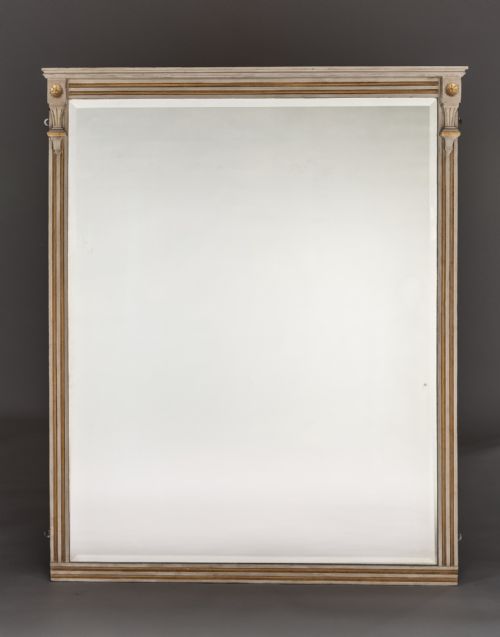
Victorian Chimney Mirror
A victorian chimney mirror is a grand architectural glass designed to sit above a fireplace, bringing depth and reflected light into a room.
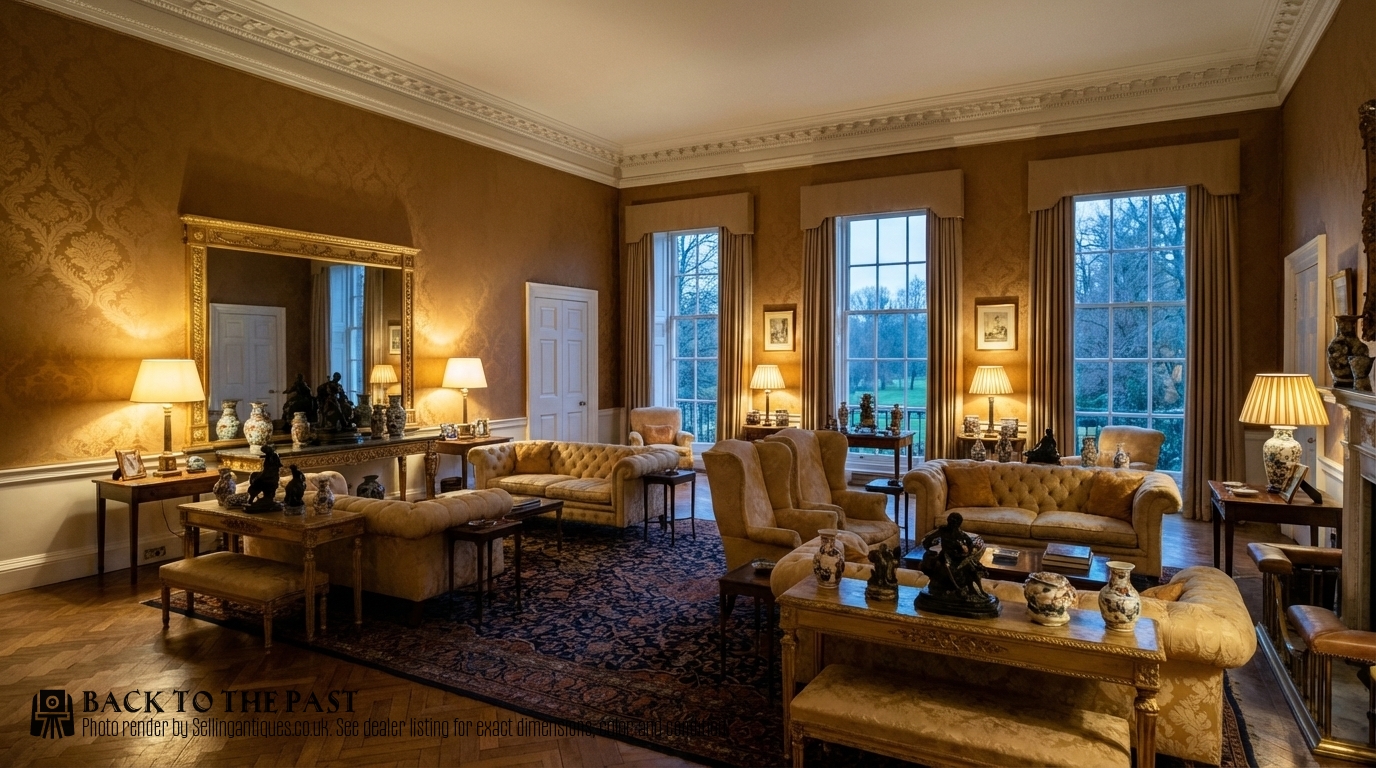
Victorian Chimney Mirror
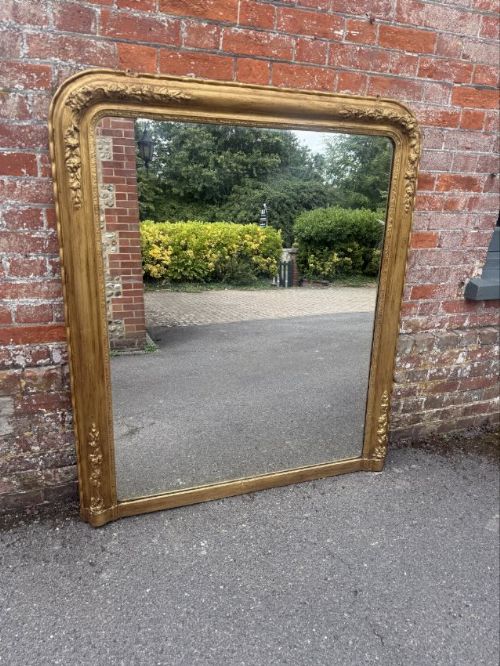
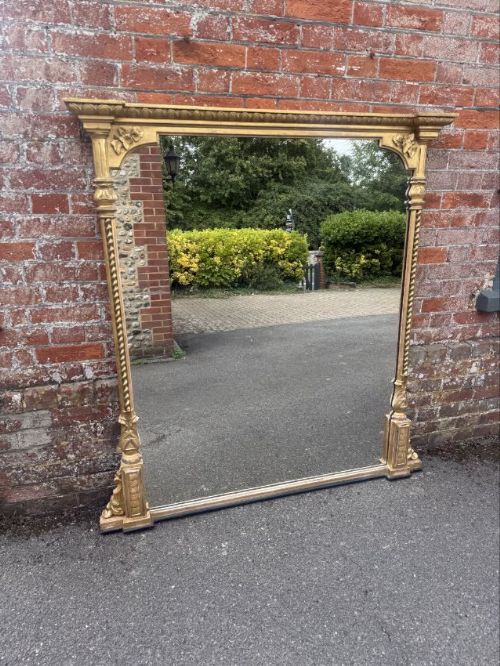
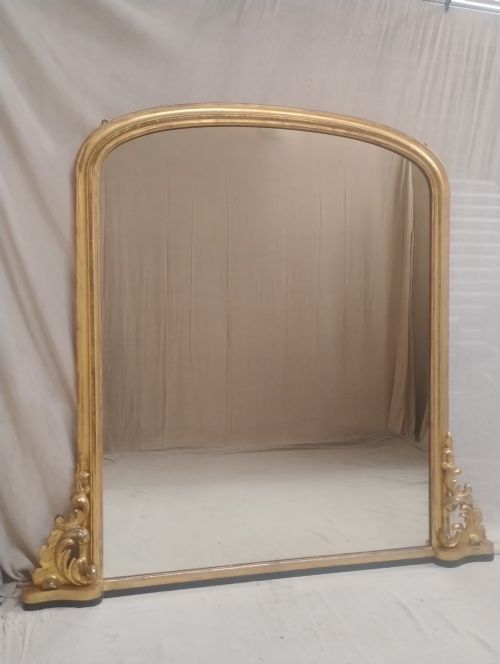
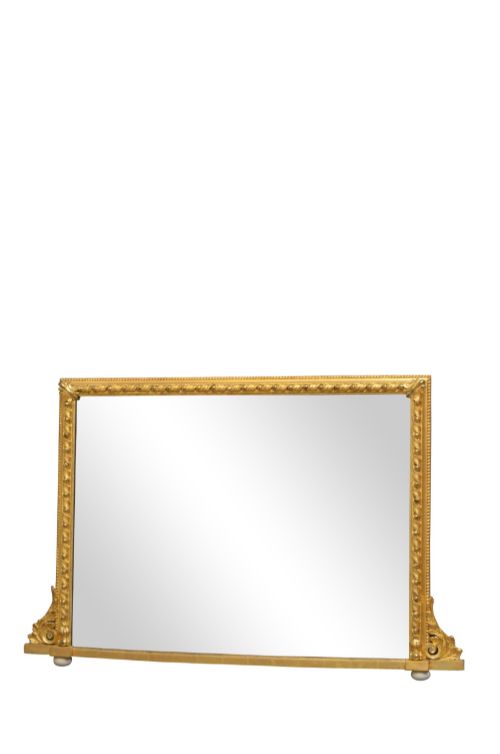
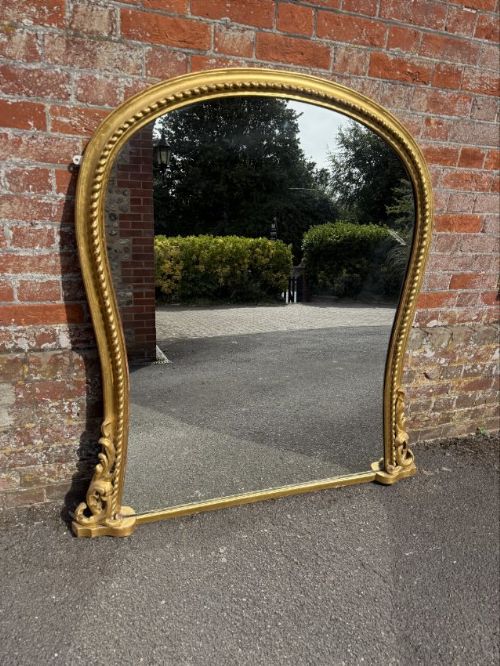
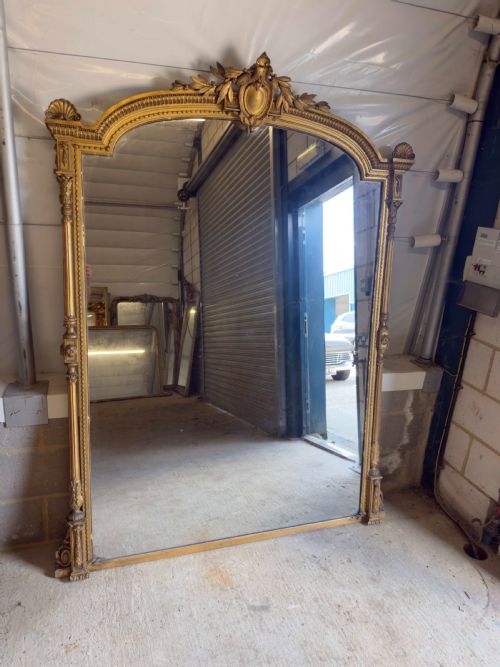
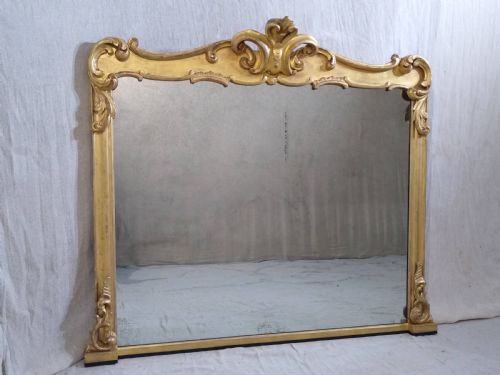
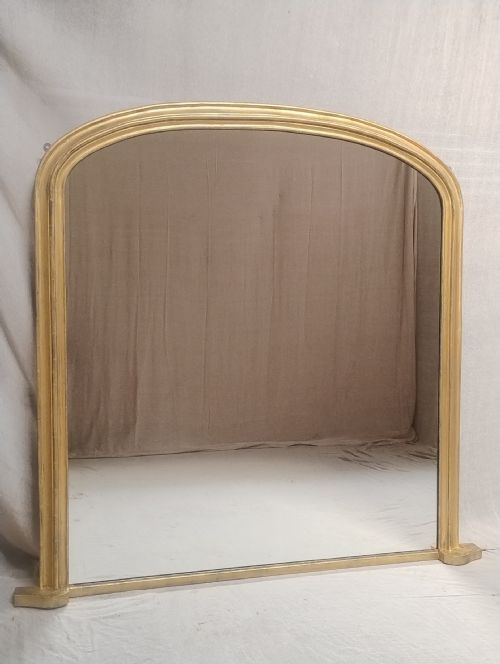
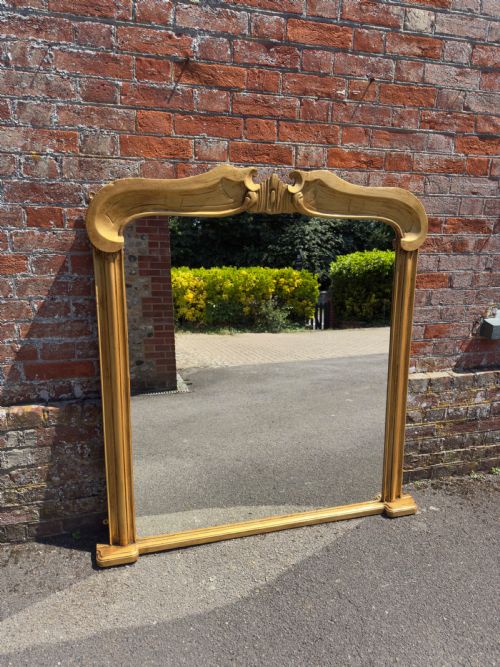
When searching for a victorian chimney mirror, buyers encounter substantial rectangular or arched frames built to occupy the broad wall space above a hearth. The versions most commonly found across these listings span the mid-to-late nineteenth century, arriving in forms such as overmantel mirrors and wall pier mirrors.
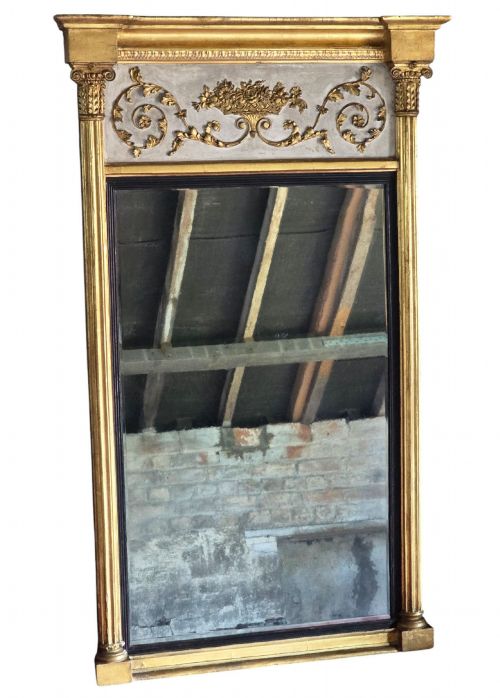
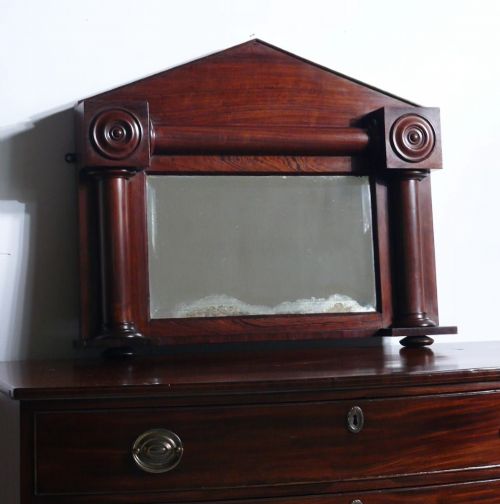
Makers of the period drew upon diverse stylistic influences, incorporating Louis Philippe, Rococo Revival, Neoclassical, and Victorian Gothic elements into the timber frames. These pieces were conceived to anchor a principal reception room, reflecting interior candle or gas light while serving as the visual centrepiece of the mantelpiece.
Origins remain predominantly English and Irish, with formats ranging from simple painted woodwork to heavily decorated architectural structures. Surviving examples demonstrate the scale and ambition of nineteenth-century interior design, functioning equally well in period homes and contemporary settings.
How they were made
Makers constructed the foundational frames using carved wood such as oak, mahogany, walnut, and rosewood, often applying layers of gesso to build up intricate relief decoration. Gold leaf and giltwood finishes were then applied to the prepared surfaces, creating a brilliant reflective exterior that caught the ambient light of the room.
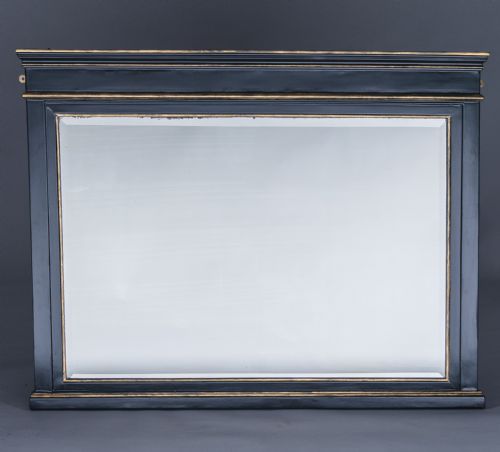
Alternative treatments included ebonising, painting, and parcel-gilt highlights, giving workshops flexibility in matching prevailing interior fashions. Mirror glass was set securely within these heavy wooden carcases, occasionally retaining original foxing and imperfections that indicate considerable age.
Listings feature periods spanning from 1850 to 1920, utilising materials such as gesso, giltwood, mahogany, and oak.
What varies in quality
The standard of a victorian chimney mirror rests upon the depth and crispness of the wood carving and gesso ornamentation. Master craftsmen achieved sharp relief work and fluid architectural lines, whereas lesser examples rely on simpler mouldings and coarser surface preparation.
The integrity of the original gilding and the condition of the glass plate further separate pieces. Superior examples preserve their original mercury or silvered mirror plates and intact giltwood surfaces, maintaining the visual harmony intended by the nineteenth-century workshop.
The Victorian Chimney Mirror Glossary
- Gesso
- A plaster-like mixture applied to wood frames to create a smooth surface for gilding or deep relief carving. It allows intricate decorative motifs to be moulded onto the timber carcase.
- Giltwood
- Timber that has been coated with thin sheets of gold leaf or metallic powder. This finish provides a durable, luminous surface characteristic of formal nineteenth-century mirrors.
- Overmantel
- A large mirror specifically proportioned to hang on the wall directly above a fireplace mantelpiece. These pieces frequently feature arched or shaped tops to fit architectural chimney breasts.
- Rococo Revival
- A nineteenth-century design style drawing on asymmetrical C-scrolls, naturalistic foliage, and shell motifs. It produces highly ornate, flowing frames with substantial visual movement.
- Foxed glass
- Mirror glass displaying dark spots and speckles caused by the degradation of the backing over time. Collectors often prize this natural ageing as proof of authenticity.
Victorian Chimney Mirror: Frequently Asked Questions
Where should I hang a chimney mirror?
These mirrors are traditionally positioned directly above a fireplace mantelpiece, where their broad proportions balance the hearth below. They also function effectively on any large, prominent wall in a principal room to create an illusion of space.
When hanging, ensure the substantial weight of the timber frame is secured properly into structural wall fixings rather than plaster alone.
How do I clean the glass safely?
Use a soft, dry cloth to remove dust from the glass and the delicate giltwood or gesso frame. Avoid spraying liquids directly onto the mirror surface, as moisture can seep behind the plate and accelerate the deterioration of the backing.
For stubborn marks, apply a mild cleaning solution to the cloth rather than the glass, taking care to keep all moisture away from antique wood and gold leaf.
Are the mirror plates original?
Many nineteenth-century mirrors retain their original glass, which can often be identified by slight distortions, minor surface scratches, and characteristic foxing. Replacement glass is sometimes fitted during the lifespan of the piece if the original plate was damaged.
Examining the edges and the rear of the mirror will usually reveal whether the plate has been secured with traditional glazier's points or modern fixings.
How do I identify the architectural style?
Stylistic periods can be read through the decorative motifs applied to the wooden frame, such as classical columns for Neoclassical pieces or flowing scrolls for Rococo Revival examples. Maker preferences and regional trends also influenced whether a frame featured austere ebonised finishes or elaborate giltwood carvings.
Comparing the pediment shape and framing details against known nineteenth-century design patterns helps determine the precise era of manufacture.