
Neoclassical Framed Artwork
Neoclassical framed artwork brings classical mythology and architectural motifs into domestic interiors through period paintings and engravings.
Neoclassical Framed Artwork
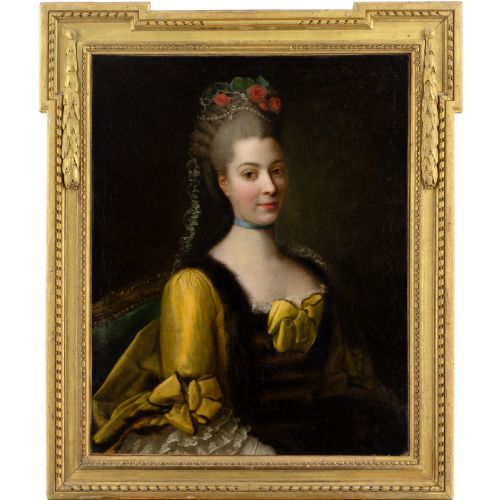
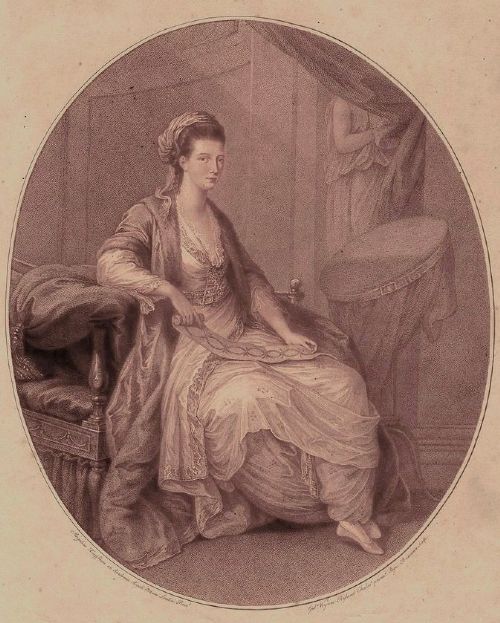
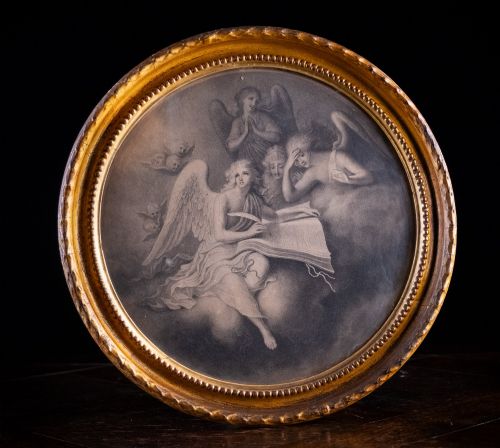
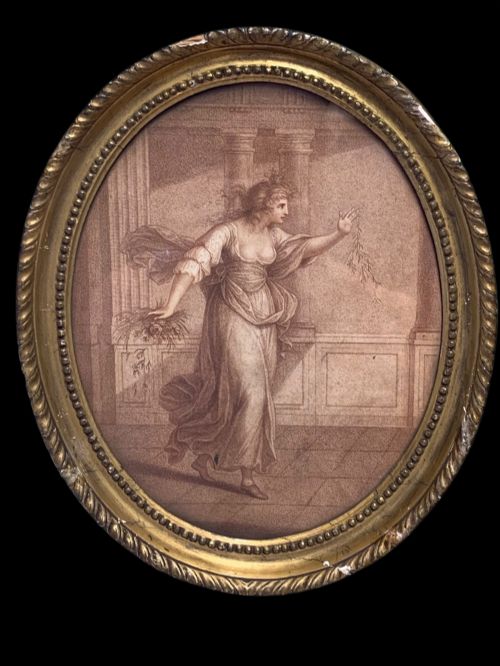
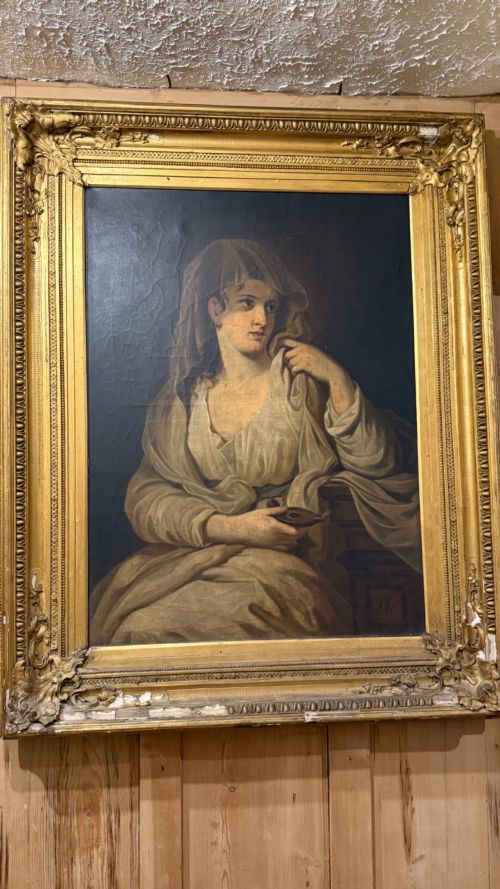
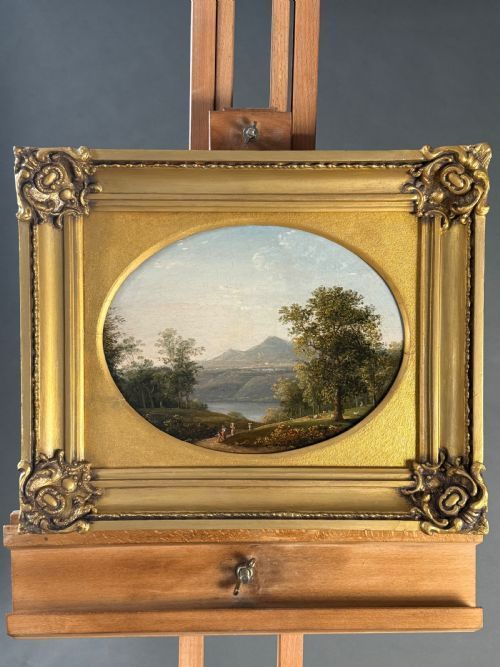
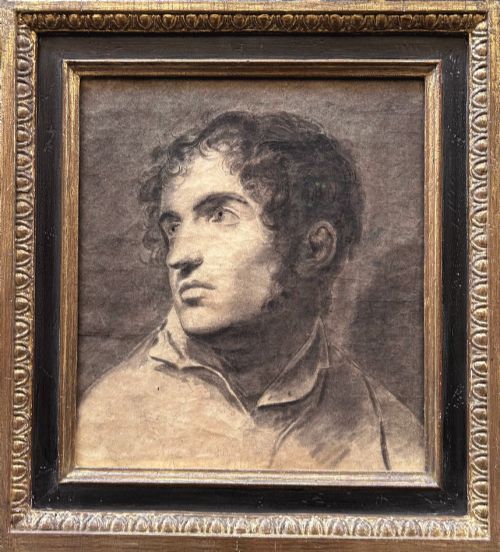
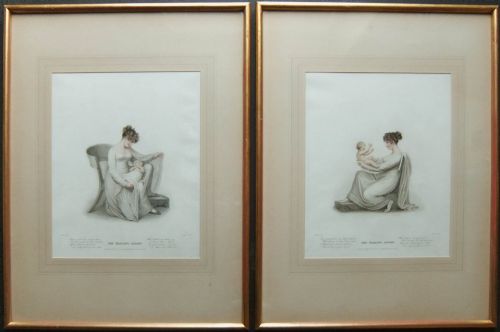
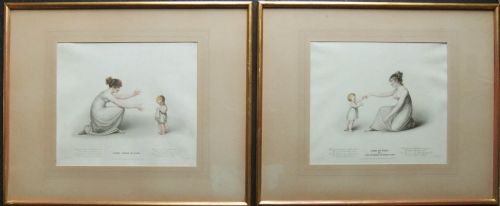
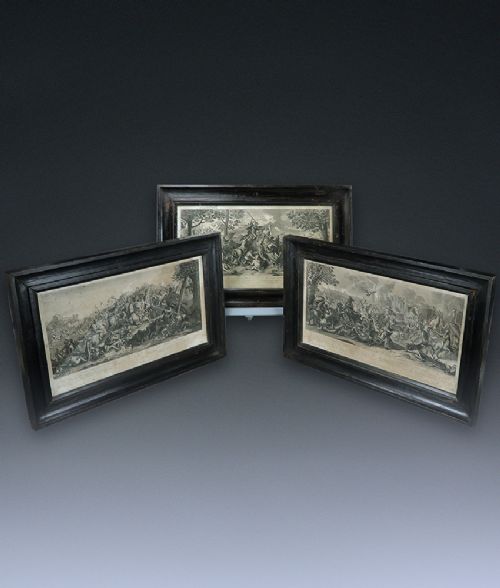
Neoclassical framed artwork encompasses a variety of historical mediums, including oil paintings, watercolours, gouache, and stipple engravings. These pieces draw heavily on ancient Greek and Roman themes, depicting mythical figures, deities, and classical architecture.
Buyers will encounter multiple centuries represented on this page, predominantly pieces originating from the eighteenth and nineteenth centuries. The selection ranges from grand portraits and allegorical scenes to detailed architectural prints intended for study and display.
The assortment includes works attributed to specific European schools and individual artists, alongside anonymous prints and drawings. Many items bear the hallmarks of the Grand Tour, reflecting the travels undertaken by collectors in earlier eras.
How they were made
Makers utilised traditional supports such as canvas, paper, wood, and silk to create these works. Pigments, ink, and oil were applied by hand, while prints relied on fine engraving techniques to reproduce detailed mythological and historical subjects.
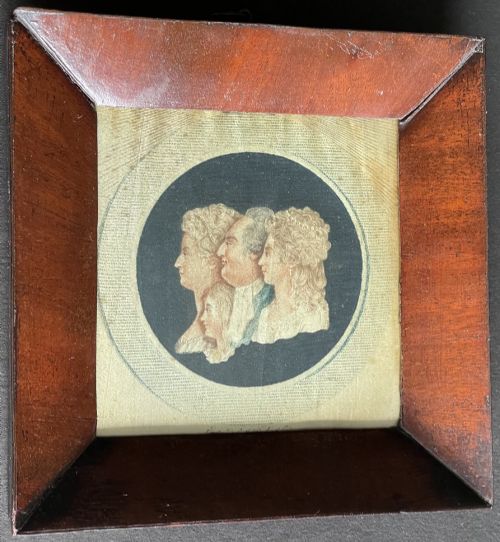
Presentation relied heavily on woodworking skills, with frames constructed from timber, giltwood, and gold leaf. These frames were designed to complement the classical aesthetic of the artwork enclosed within glass and wood borders.
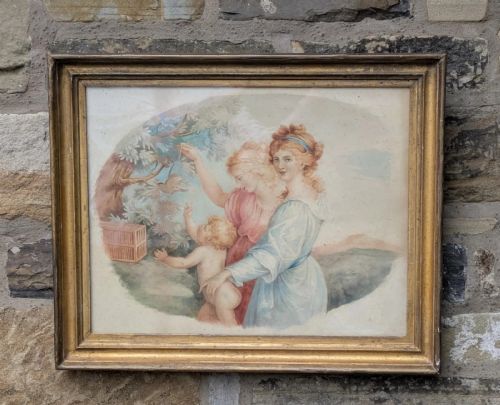
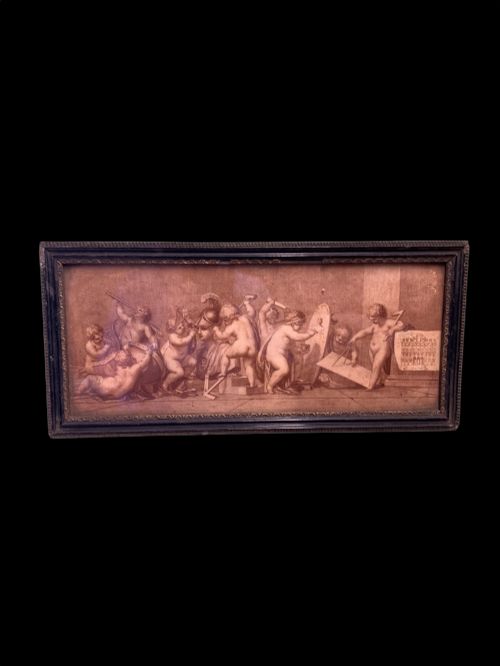
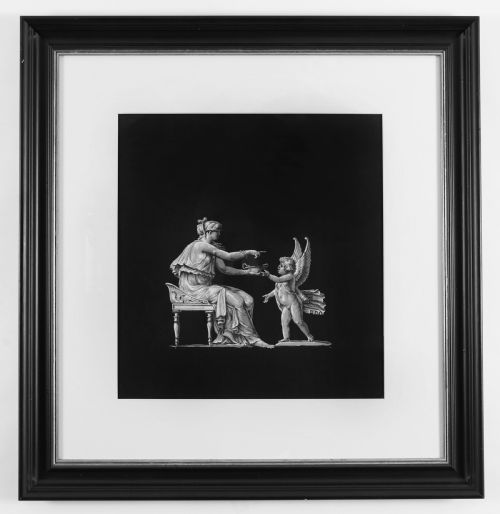
Several depictions of Cupid ensure that mischievous cherubs oversee domestic arrangements across the centuries.
What varies in quality
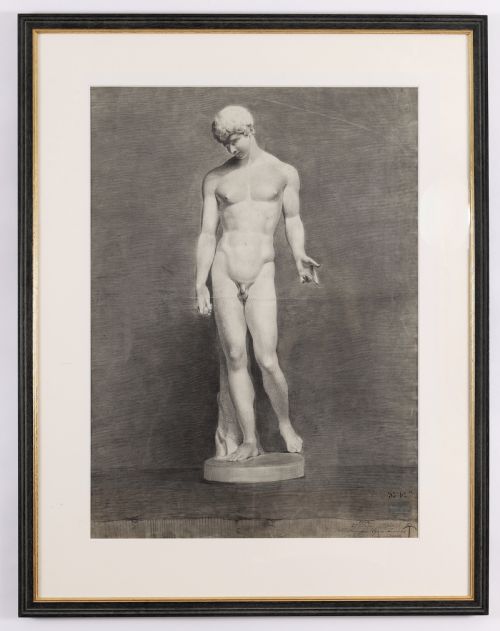
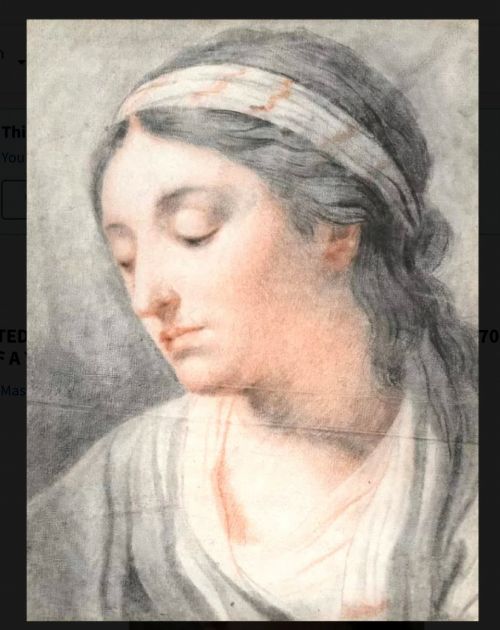
The execution of the painted or engraved line distinguishes superior examples from simpler pieces. Masterly handling of shadow, anatomical proportion, and facial expression elevates works by identified artists above standard commercial prints of the period.
The preservation of the original paper, canvas, and gilt framing determines the overall integrity of the piece. Finer items retain their original surface textures and gold leaf without heavy modern restoration obscuring the historic medium.
Jacob Philipp Hackert·Adam Buck·John Flaxman·Jean Baptiste Isabey·Louis Leopold Boilly
The Neoclassical Framed Artwork Glossary
- Stipple engraving
- A printmaking technique using dots to create tonal gradations and soft forms. This method was frequently employed for classical portraits and allegorical subjects during the eighteenth century.
- Grand Tour
- A traditional trip through Europe undertaken by upper-class young men to absorb classical culture. Souvenirs from these journeys included architectural watercolours and classical engravings.
- Giltwood
- Wood carved and coated with gold leaf or gold paint. It provides a reflective, ornate border typical of period picture frames.
- Gouache
- An opaque water-based paint that dries to a matte finish. Artists utilised this medium for vibrant illustrations of classical scenes and ruins.
- Mythological
- Depicting stories and figures from ancient Greek and Roman religion. These narratives form the primary subject matter for many neoclassical compositions.
Neoclassical Framed Artwork: Frequently Asked Questions
What periods do these artworks date from?
The pieces span from the late eighteenth century through the nineteenth century, with occasional examples from the early twentieth century. Most reflect the enduring popularity of classical revival aesthetics.
Buyers will find that eighteenth-century items often feature delicate engravings and portraits, while nineteenth-century pieces frequently include Grand Tour watercolours and architectural studies.
How were these pieces displayed historically?
These framed works were traditionally hung in drawing rooms, libraries, and galleries of country houses and urban townhouses. They served as markers of classical education and refined taste.
Collectors often grouped architectural prints or portrait pairs together on walls to create symmetrical displays suited to neoclassical interior design.
Are the frames original to the artwork?
Many pieces retain period giltwood or wood frames that match the era of the print or painting. Gilding techniques and timber construction help indicate whether a frame belongs to the same period.
Replacement frames do occur, but older frames generally exhibit appropriate wear, patination, and construction methods consistent with eighteenth and nineteenth-century joinery.
How do I care for antique paper and oil paintings?
Works on paper require protection from direct sunlight to prevent fading of inks and watercolours. Maintaining stable indoor humidity prevents the paper from warping or developing foxing.
Oil paintings on canvas or board benefit from gentle dusting with a soft, dry brush. Avoid using liquid cleaners on both the canvas surface and the surrounding gilt frame.