


Neoclassical Dressing Table
A neoclassical dressing table brings symmetrical lines, refined timber and classical mounts to the bedroom.
Neoclassical Dressing Table
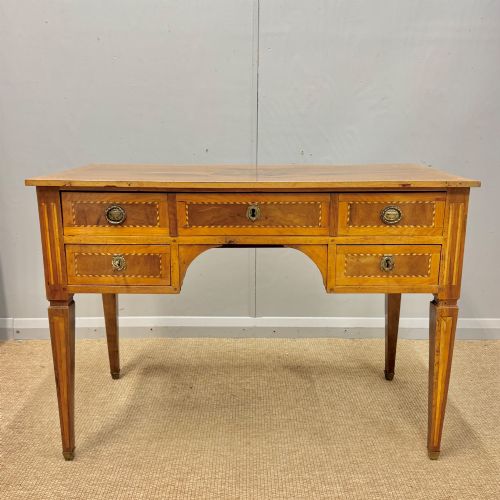
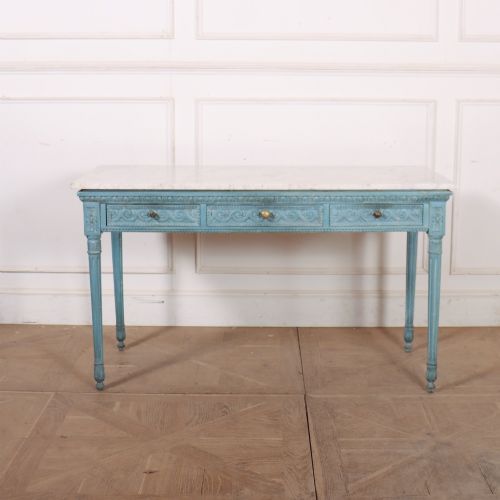
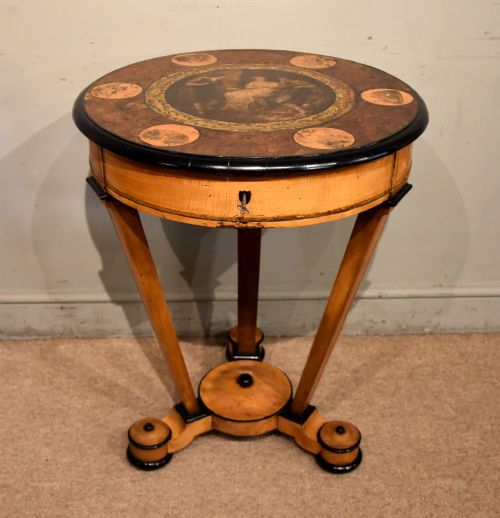
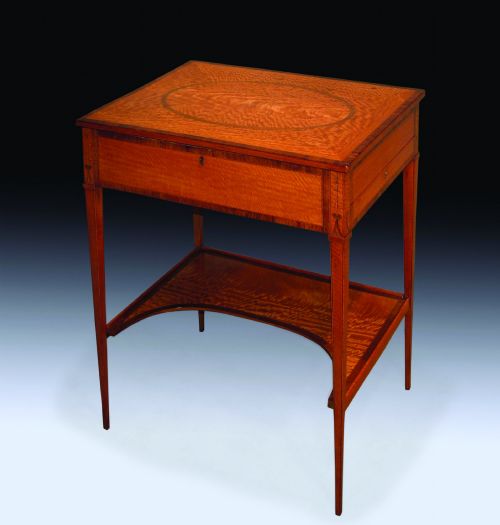
A neoclassical dressing table combines structural restraint with classical proportions, drawing upon eighteenth and nineteenth-century design vocabulary. These pieces take the form of dressing tables, desks, and occasional tables fitted with mirrors or surface compartments.
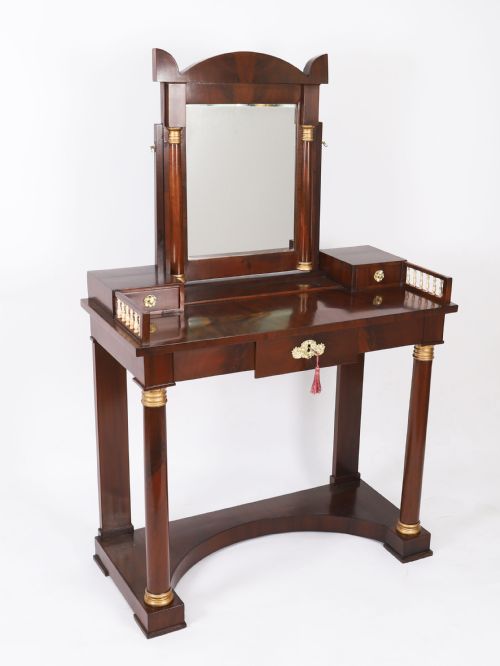
The version most commonly encountered on this page originates from nineteenth-century workshops, alongside eighteenth-century Sheraton and Hepplewhite examples. Pieces often incorporate associated dressing mirrors or freestanding pedestal glasses in brass and mahogany.
How they were made
Cabinetmakers utilised primary timbers such as mahogany, satinwood, and walnut, often enhanced with painted wood or ebonised details. Marquetry inlays and tooled leather surfaces appear across desk and table tops.
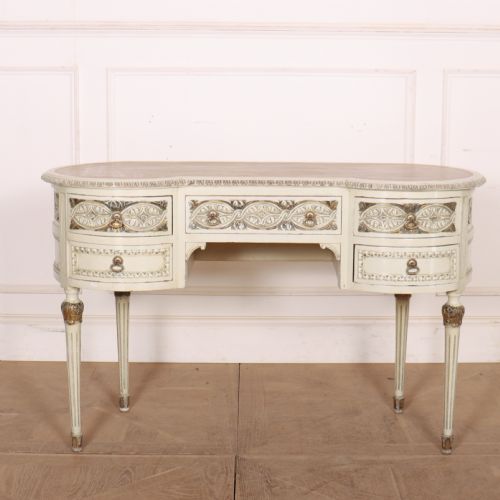
Decorative emphasis relies upon cast brass, gilt bronze, and ormolu mounts affixed to the timber frame. Marble inserts and inset glass panels complete the structural palette of these tables.
The furniture styles represented include French Empire, Biedermeier, Sheraton, and Gustavian variations.
What varies in quality
The refinement of the carving and the crispness of the brass or ormolu mounts define the upper tier of these pieces. Hand-cut marquetry and integrated decorative paintwork distinguish standard production from exceptional examples.
The integrity of the timber framing and the retention of original surface finishes dictate the overall execution. Surviving mirrors and fitted drawer compartments retain their original mounting hardware.
Posen of Frankfurt and Berlin
The Neoclassical Dressing Table Glossary
- Ormolu
- Gilded bronze mounts applied to furniture. This technique provides metallic contrast against dark mahogany and ebonised timber surfaces.
- Marquetry
- Inlaid wood veneers forming geometric or figurative patterns. Craftsmen utilised contrasting timbers to create decorative table tops.
- Ebonised
- Wood stained or painted to imitate ebony. This dark finish appears frequently on nineteenth-century frames and mouldings.
- Serpentine
- A wave-like curved furniture front with a convex centre flanked by concave sides. This profile softens the rectilinear geometry typical of the period.
Neoclassical Dressing Table: Frequently Asked Questions
How do I identify a neoclassical dressing table?
Look for symmetrical proportions, straight tapered legs, and classical architectural motifs such as columns and fluting. Ormolu mounts and fine timber veneers frequently define the style.
Surviving pieces often include associated dressing mirrors or integrated compartments designed for personal grooming items.
Are these tables suitable for daily use?
These tables function well as modern dressing desks or writing surfaces when placed in bedrooms or studies. Their sturdy timber construction accommodates everyday placement.
Care should be taken with antique polished surfaces and marble inserts to prevent liquid marks or scratching.
What is the difference between Empire and Sheraton styles?
Sheraton design relies upon lighter satinwood veneers, rectilinear forms, and delicate marquetry. French Empire pieces feature heavier mahogany structures with prominent cast bronze or brass mounts.
Both fall under the broader neoclassical umbrella but reflect distinct regional interpretations of classical antiquity.
Did these tables originally include mirrors?
Many dressing tables were manufactured with attached swing mirrors or accompanied by separate pedestal dressing glasses. Over time, mirrors and tables were occasionally separated.
Evidence shows both integrated dressing tables and standalone adjustable bronze mirrors from the same periods.