



Antique Mirror Vanity Desk
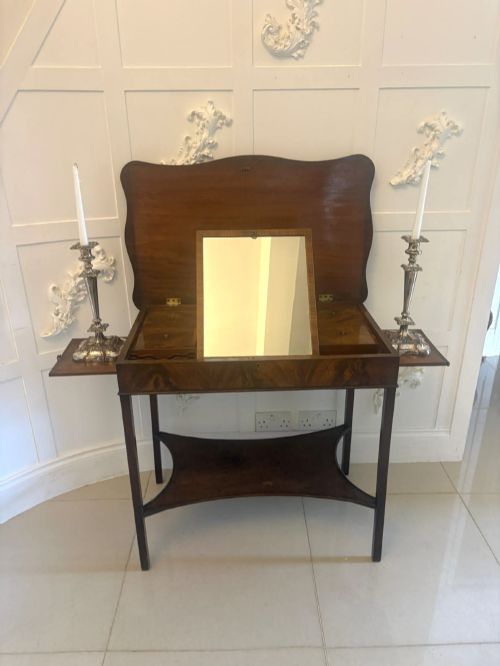
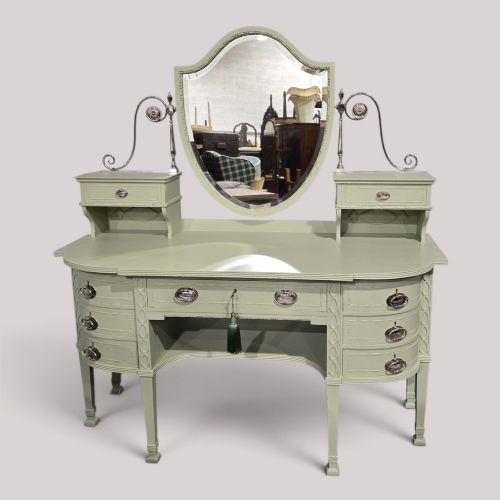
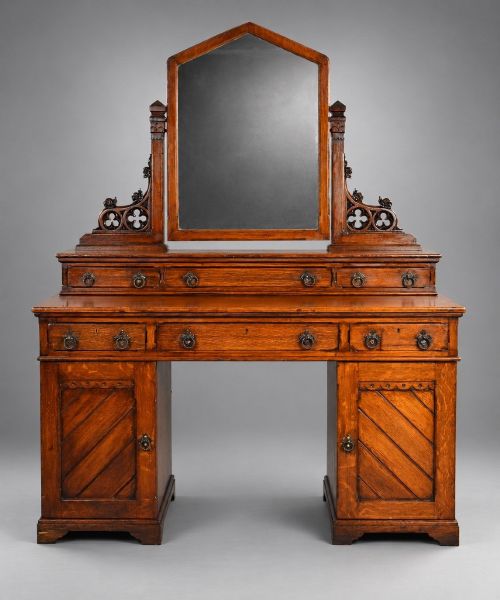
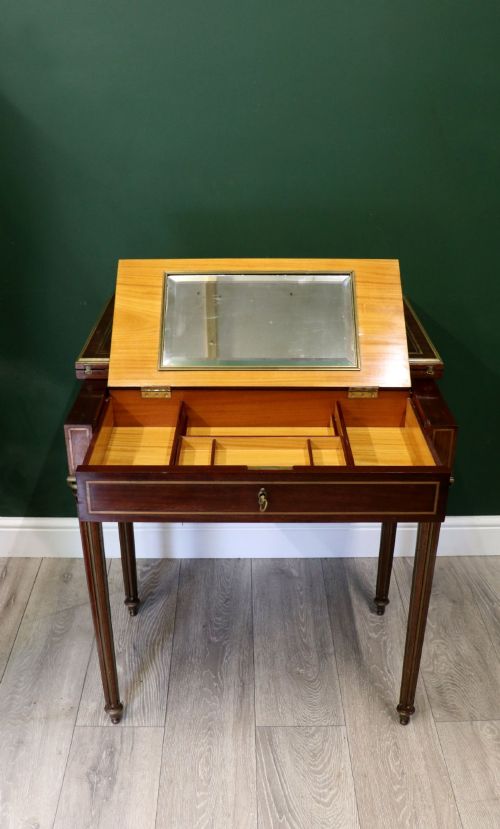
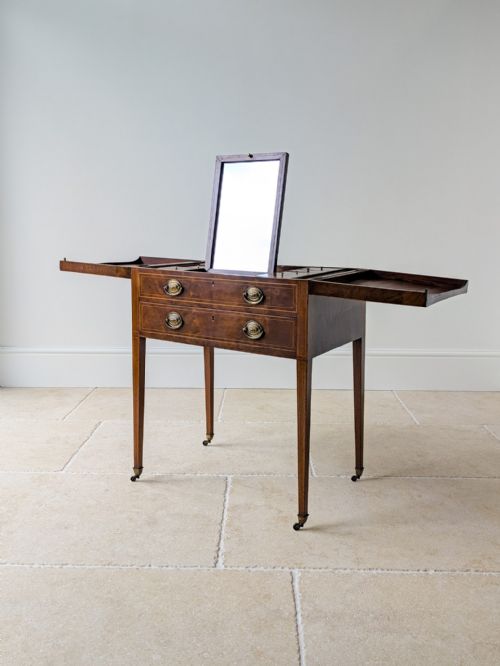
An antique mirror vanity desk combines a working surface with a glass plate, offering a practical station for grooming that spans multiple periods.
Antique Mirror Vanity Desk
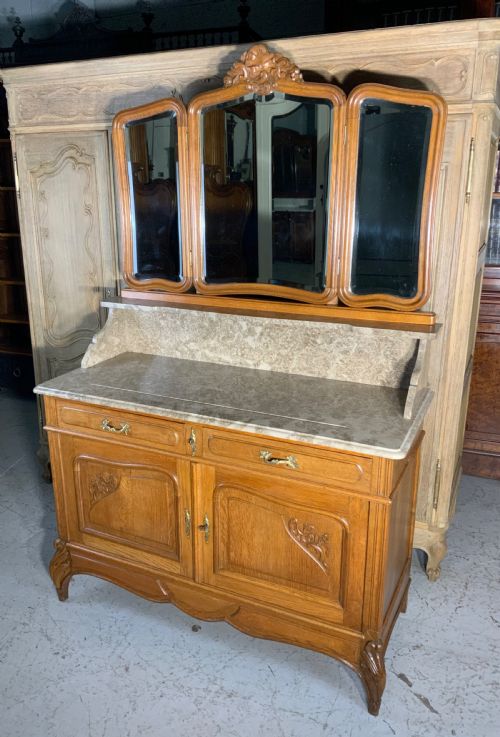
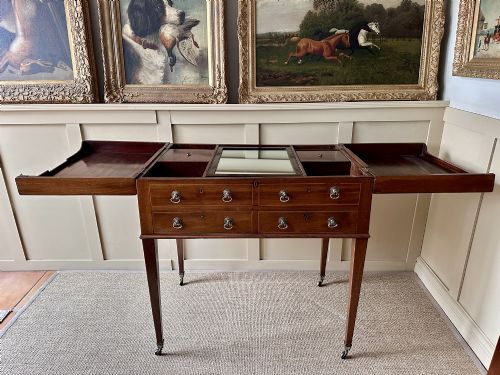
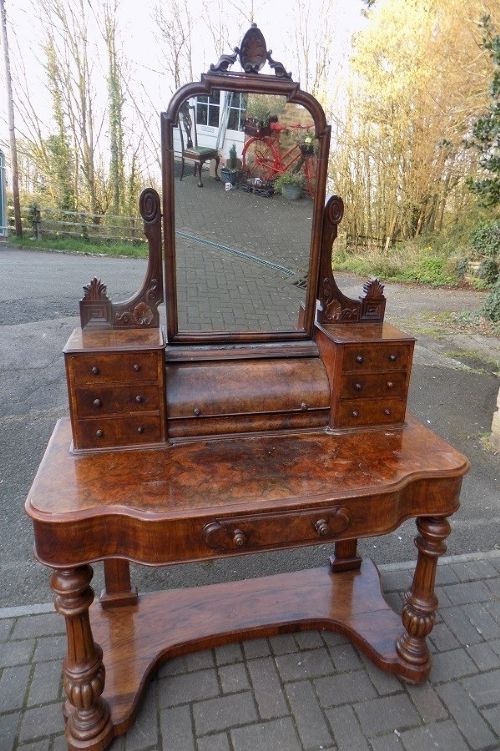
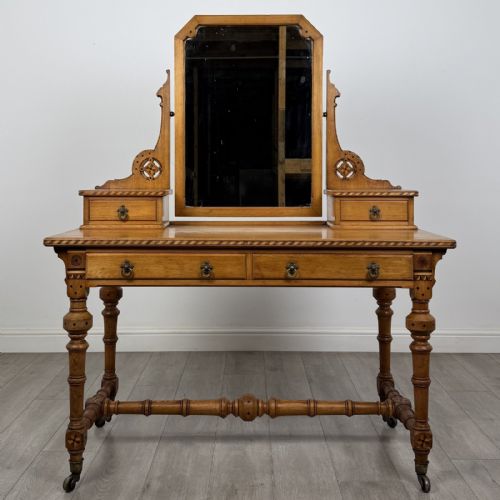
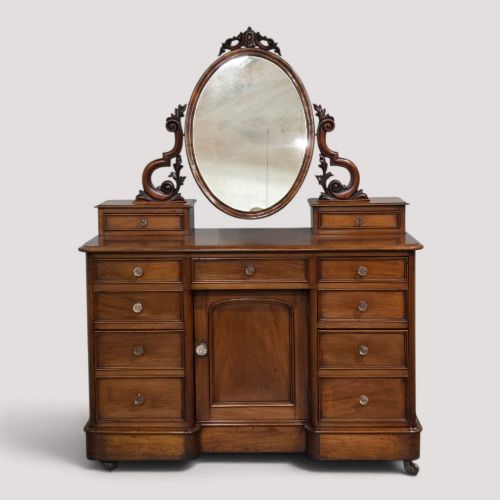
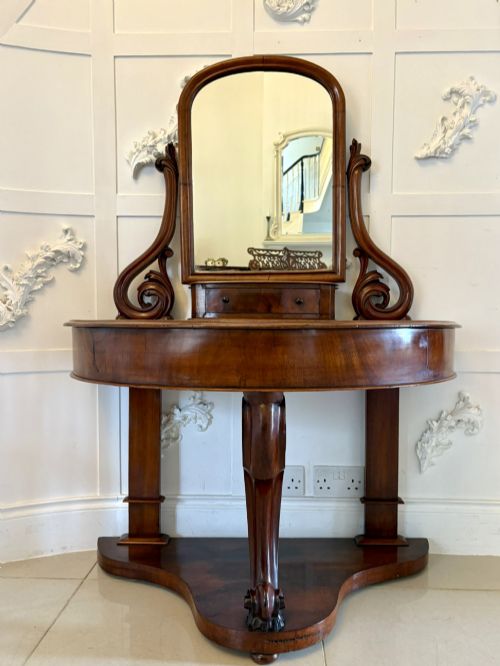
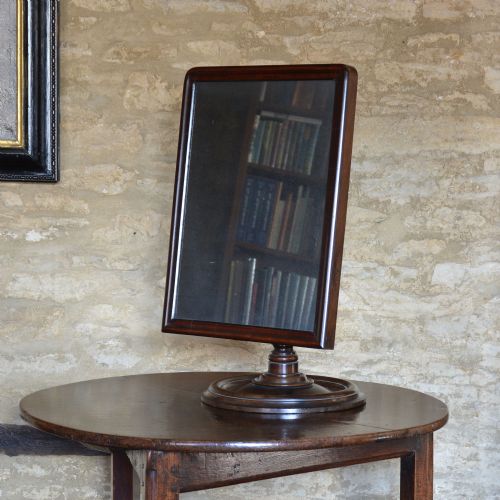
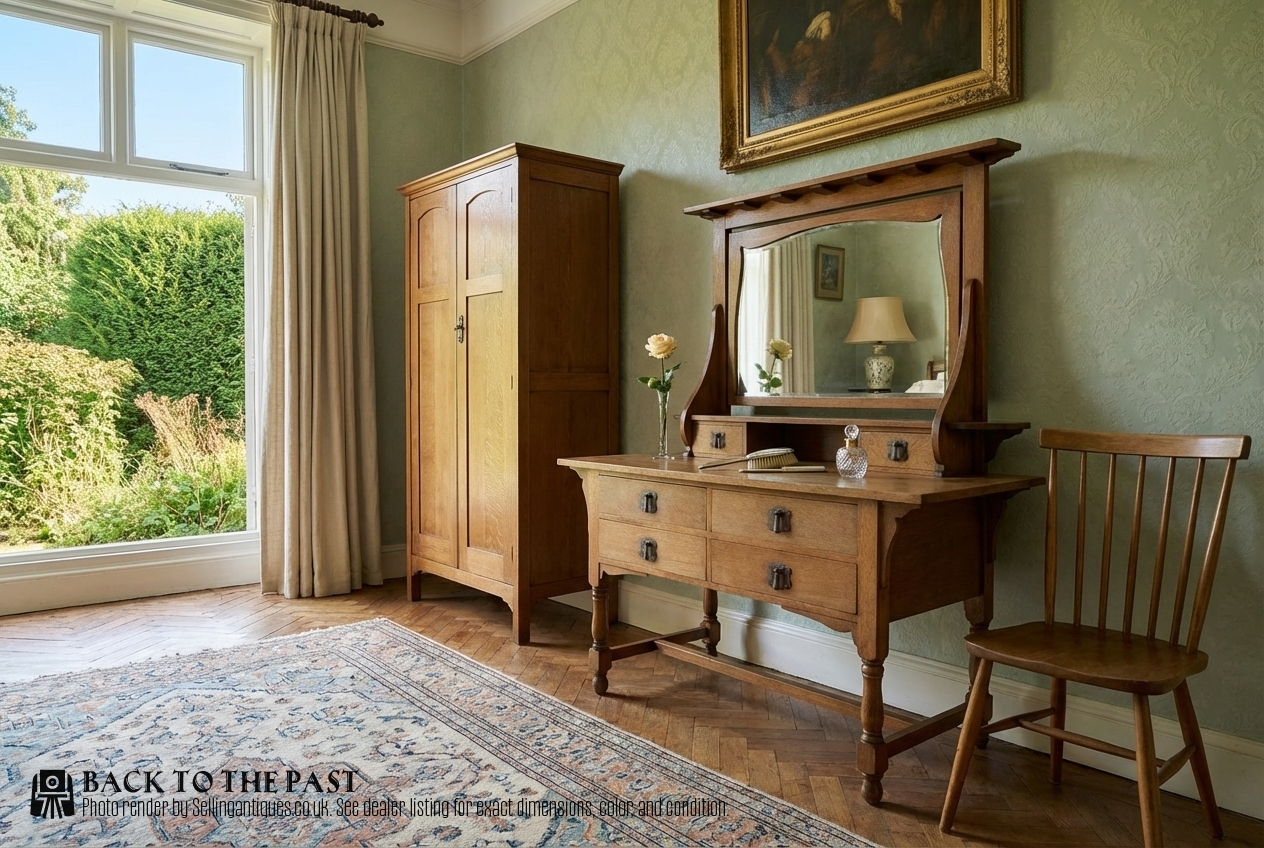
When you search for an antique mirror vanity desk, you encounter pieces designed for personal grooming and writing, spanning forms from dressing tables to shaving mirrors.
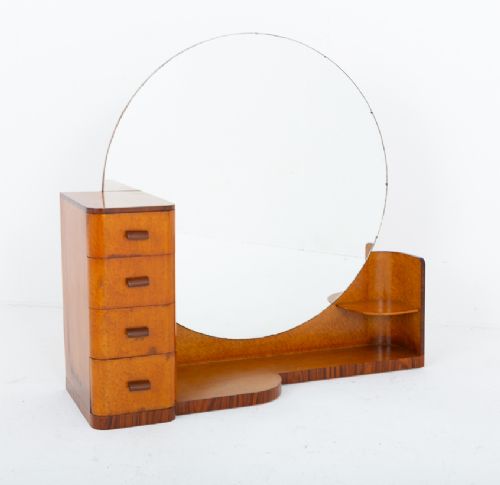
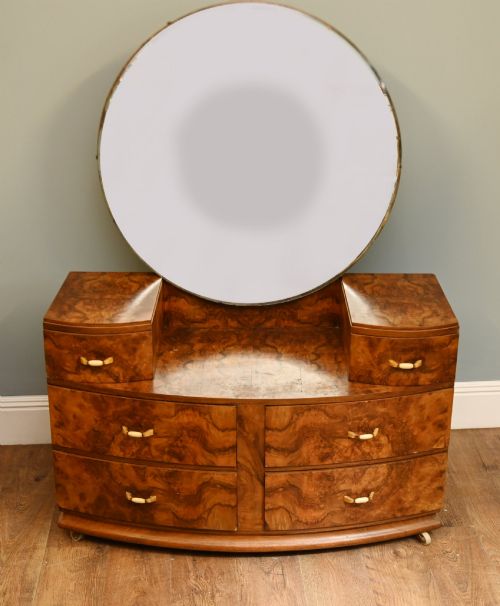
The versions most common on this page range from Victorian and Edwardian mahogany examples to Art Deco burr walnut pieces equipped with integral mirrors.
These items bring functional tabletop surfaces and adjustable glass plates into domestic spaces, drawing on Georgian, Victorian, and later design traditions.
Materials and Construction
Cabinet makers utilised solid timbers and veneers such as mahogany, walnut, burr walnut, satinwood, and oak, often mounting glass plates within adjustable frames.
Decoration involved carving, ormolu mounts, boxwood stringing, and lacquer work, supplemented by specialised hardware in brass, bronze, and pewter.
Makers constructed the carcases to support mirrored superstructures, incorporating drawers, pigeonholes, and washstand or bureau fitments.
Antique Mirror Vanity Desk Retail Price Guide 2026
Typical asking prices for mirror vanity desk among the pieces listed under this phrase on Sellingantiques today, from the lower quarter to the upper quarter. They describe what is for sale here now, not the wider market.
Listings include timber examples in mahogany, walnut, burr walnut, oak, satinwood, and maple across Georgian, Victorian, Edwardian, and Art Deco styles.
Distinctions in Quality
The standard of timber selection and veneer matching defines the visual weight of the piece, particularly where figured walnut or satinwood is deployed.
Joinery execution, from the cutting of drawer dovetails to the stability of the mirror supports, dictates how well the structure survives daily use.
Heals·Maple and Co·Thomas Rubergall·Louis Auguste Moreau
The Antique Mirror Vanity Desk Glossary
- Burr walnut
- A wood harvested from the wart or burl of a walnut tree, yielding swirling grain patterns prized for decorative veneer on cabinet fronts.
- Satinwood
- A dense, yellowish timber imported from tropical regions, utilised for fine inlay and banding on late-period furniture.
- Ormolu
- Gilt bronze ornamentation applied to furniture, common on French Empire pieces.
- Serpentine front
- A convex centre flanked by concave curves, shaping the front profile of a dressing table or chest.
Antique Mirror Vanity Desk: Frequently Asked Questions
What is an antique mirror vanity desk?
An antique mirror vanity desk is a piece of furniture designed for personal grooming and writing, combining a flat surface with an attached or tabletop mirror glass.
These items appear in various forms, including dressing tables, dressing chests, and gentleman's vanities across multiple periods.
How were vanity desks used historically?
Historically, these desks served as dedicated stations for morning routines, shaving, dressing, and correspondence in domestic bedchambers.
Users stored personal items, brushes, and documents within the integrated drawers and compartments while utilising the adjustable mirror glass.
How do I identify the period of a vanity desk?
Period identification relies on observing the primary timbers, hardware, construction methods, and stylistic vocabulary present in the piece.
Georgian examples display clean mahogany lines, Victorian pieces often feature heavy burr walnut or carved details, and Art Deco items exhibit streamlined geometric forms.
How do I care for wood and mirror glass?
Care involves maintaining stable indoor humidity levels to prevent timber movement and applying appropriate waxes to nourish the polished surfaces.
Mirror plates benefit from gentle cleaning without harsh chemicals to preserve the original silvering and glass integrity.