
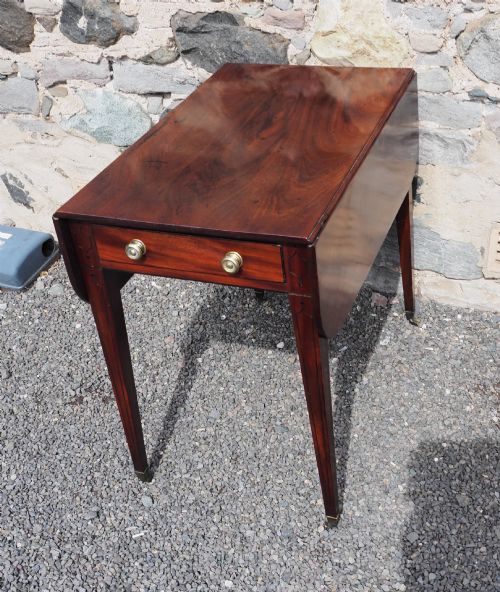


Hepplewhite Inlaid Desk
These hepplewhite inlaid desk pieces offer refined 18th-century writing surfaces and elegant cabinetry for a traditional study.
Hepplewhite Inlaid Desk
When you search for a hepplewhite inlaid desk, you encounter sophisticated forms originating primarily in the Georgian and 18th-century periods. These items combine practical writing compartments with delicate geometric stringing and contrasting timber details.
The pieces appearing on this page most frequently take the form of writing tables, cylinder secretaire cabinets, and estate writing desks from the George III era. They reflect the lighter proportions and graceful tapered legs characteristic of the style.
While many examples date directly to the 18th century, you also find related variants from the 19th century and Victorian periods. Each specimen demonstrates the enduring appeal of inlaid cabinetry designed for domestic correspondence and estate management.
Materials and construction methods
Cabinetmakers built these desks predominantly using solid mahogany and figured mahogany veneers over secondary support timbers. This dense foundation provided stability for intricate surface decoration and daily use.
Decorative contrasting wood such as satinwood and boxwood was utilised for fine line inlay and geometric bandings. Craftsmen carefully cut these lighter timbers to create crisp borders around drawers and top surfaces.
Listings for this phrase feature 18th Century, Georgian, 1800, 19th Century, and Victorian periods alongside mahogany, satinwood, and brass materials.
Assessing quality and craftsmanship
Superior examples distinguish themselves through the precision of their timber selection and the crispness of the inlay work. Finer pieces display tightly figured mahogany grains paired with meticulously fitted contrasting wood borders that remain flush with the surrounding surface.
The sophistication of the internal mechanism also sets a standard, particularly in pieces featuring tambour shutters, secret compartments, or complex sliding writing slides. Expert joinery ensures smooth movement in every drawer and folding flap without binding or excessive play.
The Hepplewhite Inlaid Desk Glossary
- Inlay
- A decorative technique where pieces of contrasting wood are fitted into recesses carved into the primary surface to create a flush pattern. This method defines the ornamented borders seen on classic cabinetry.
- Tambour
- A sliding door constructed from narrow vertical strips of wood glued to a canvas or leather backing. It allows smooth operation around tight curves on cylinder desks and writing cabinets.
- Secretaire
- A desk or cabinet fitted with a pull-down writing flap that conceals small drawers and pigeonholes. It provides a dedicated writing space that can be neatly closed away when not in use.
- Satinwood
- A durable, hard timber from tropical trees prized for its golden lustre and reflective grain. Cabinetmakers used it extensively for contrasting stringing and panel highlights.
Hepplewhite Inlaid Desk: Frequently Asked Questions
How do I date a hepplewhite inlaid desk?
Dating relies on examining the structural timber, construction methods of the drawer linings, and the style of the inlay. Eighteenth-century pieces typically feature hand-cut dovetails and native secondary woods beneath the mahogany veneers.
Later Victorian reproductions or adaptations often employ machine-sawn components and different interior labelling or finishing techniques. Comparing the secondary timbers inside the drawers provides the clearest indication of age.
Were these desks used for daily writing?
These pieces served as the primary administrative centres for Georgian households, used for correspondence, estate management, and keeping personal accounts. Their fitted interiors and numerous small drawers kept stationery and documents organised.
Writing tables and cylinder desks allowed owners to manage daily affairs in private withdrawing rooms or libraries. The inclusion of secret compartments provided secure storage for valuable papers and correspondence.
How do I care for antique mahogany furniture?
Maintenance requires keeping the timber away from direct sunlight and maintaining stable room humidity to prevent veneer lifting. Regular dusting with a soft, dry cloth preserves the finish without the need for heavy silicone polishes.
Applying a traditional beeswax occasionally helps nourish the wood and maintain its natural lustre. Avoiding excessive moisture is essential for protecting both the mahogany surface and the delicate boxwood inlay.
What is the difference between a writing table and a secretaire?
A writing table functions primarily as a freestanding desk with one or more drawers beneath the working surface. Its design emphasises an open layout suitable for general correspondence.
A secretaire incorporates enclosed compartments, often hidden behind a drop-front panel or a cylinder top, designed to conceal paperwork when closed. This provides a more private and structured storage system for sensitive documents.