



Neoclassical Bisque Sculpture
Neoclassical bisque sculpture brings classical restraint and matte white porcelain surfaces into nineteenth-century and Georgian interiors.
Neoclassical Bisque Sculpture
Neoclassical bisque sculpture encompasses figures, busts, and statuettes produced primarily during the eighteenth and nineteenth centuries, drawing heavily upon classical antiquity for subject matter. Buyers searching for neoclassical bisque sculpture encounter representations of mythological figures, literary heroines, and historical personages executed in unglazed white ceramic.
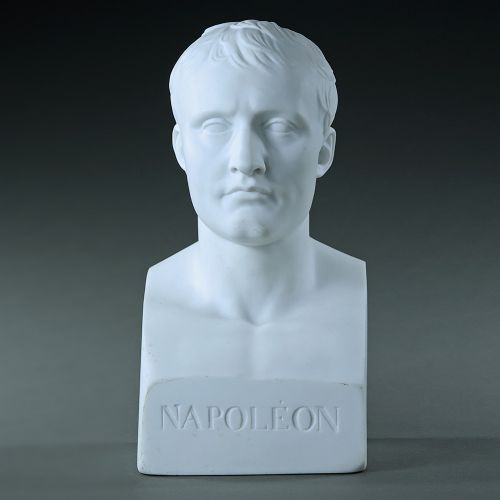
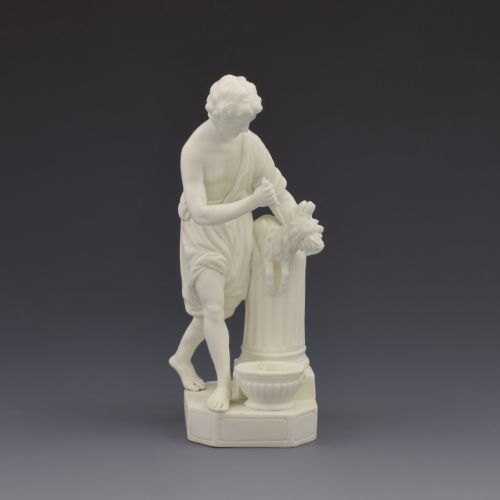
The objects appearing on this page span several distinct periods, notably Georgian, Victorian, and the wider nineteenth century, with origins in English and French manufactories. Forms range from cabinet-sized figurines and allegorical figure groups to larger scale portrait busts mounted on integral plinths.
Makers utilised various ceramic bodies, with parian porcelain and biscuit porcelain dominating the nineteenth-century examples, while earlier eighteenth-century pieces often emerge from factories such as Derby. These works capture the academic discipline of the neoclassical movement through smooth, matte surfaces that accentuate sculptural modelling over surface decoration.
How they were made
Bisque and parian porcelain achieve their characteristic unglazed, matte finish by firing the ceramic body without a protective vitreous coating. This technique allows the raw porcelain to retain a fine, marble-like texture that highlights the crisp lines of neoclassical drapery and anatomical detail.
Makers employed multi-part moulds to cast complex figural groups and portrait busts, capturing intricate elements such as hair, floral garlands, and animal attributes before the firing process. Certain works incorporate subsidiary elements like gold leaf or cobalt glazed ceramic accents to contrast against the primary white body.
Several figures maintain their classical dignity while accompanied by unexpected companions, including panthers, doves, and distressed cupids.
What varies in quality
Quality in these sculptures rests upon the crispness of the modelling and the fidelity of the cast to the original academic or classical source. Superior examples maintain sharp definition in facial expressions, drapery folds, and fine surface textures without the softening often seen in secondary production runs.
The choice of ceramic body also dictates the visual weight of the piece, as dense parian porcelain offers a heavy, marble-like density distinct from lighter biscuit wares. Furthermore, the sophistication of the composition, whether an isolated portrait bust or a complex multi-figure group, distinguishes standard factory output from exceptional sculptural studies.
Sèvres·Derby·Copeland
The Neoclassical Bisque Sculpture Glossary
- Bisque porcelain
- Unglazed ceramic fired once or twice to produce a porous, matte surface resembling marble. It is also frequently referred to as biscuit porcelain.
- Parian porcelain
- A fine-grained British development of the mid-nineteenth century designed to imitate carved marble. It contains a high proportion of feldspar which vitrifies during firing.
- Neoclassical
- A cultural movement spanning the eighteenth and nineteenth centuries that revived the forms, themes, and ideals of classical Greece and Rome. It prioritises symmetry, restraint, and mythological subject matter.
- Biscuit porcelain
- An alternative term for unglazed ceramic material used across European factories for figural and bust production. It absorbs no moisture and presents a smooth, chalky exterior.
- Soft-paste porcelain
- An early ceramic composition using frit and clay rather than hard-paste ingredients, common in eighteenth-century French and English production. It possesses a warmer tone and softer body.
Neoclassical Bisque Sculpture: Frequently Asked Questions
What is neoclassical bisque sculpture?
Neoclassical bisque sculpture refers to unglazed porcelain figures, busts, and statuettes inspired by ancient Greek and Roman art. These pieces were produced across the eighteenth and nineteenth centuries by prominent European factories.
They typically depict mythological figures, classical heroines, or historical personages in a matte white finish designed to emulate carved marble.
How do I clean parian porcelain?
Cleaning unglazed parian or bisque porcelain requires caution because the porous matte surface absorbs dirt and moisture readily. Dusting with a soft, dry brush is generally the safest maintenance method.
Avoid using water, chemical cleaners, or cloths that might leave lint trapped in the fine crevices of the modelling.
Are these pieces glazed?
Bisque and parian sculptures are intentionally left unglazed to produce a smooth, matte exterior. This lack of glaze distinguishes them from standard finished porcelain tablewares and decorative objects.
The unglazed surface allows light to diffuse across the ceramic body, accentuating the sculptural contours.
How can I tell the period?
Dating these sculptures involves examining the ceramic body, the manufacturing style, and any factory marks present on the base. Eighteenth-century biscuit porcelain often exhibits the softer bodies of early European manufactories.
Later nineteenth-century Victorian examples frequently utilise parian porcelain or bear specific factory attributions tied to known modellers.