

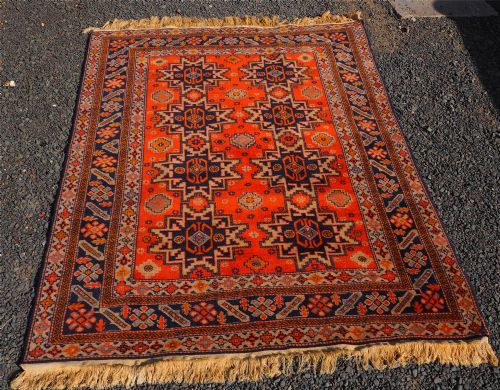
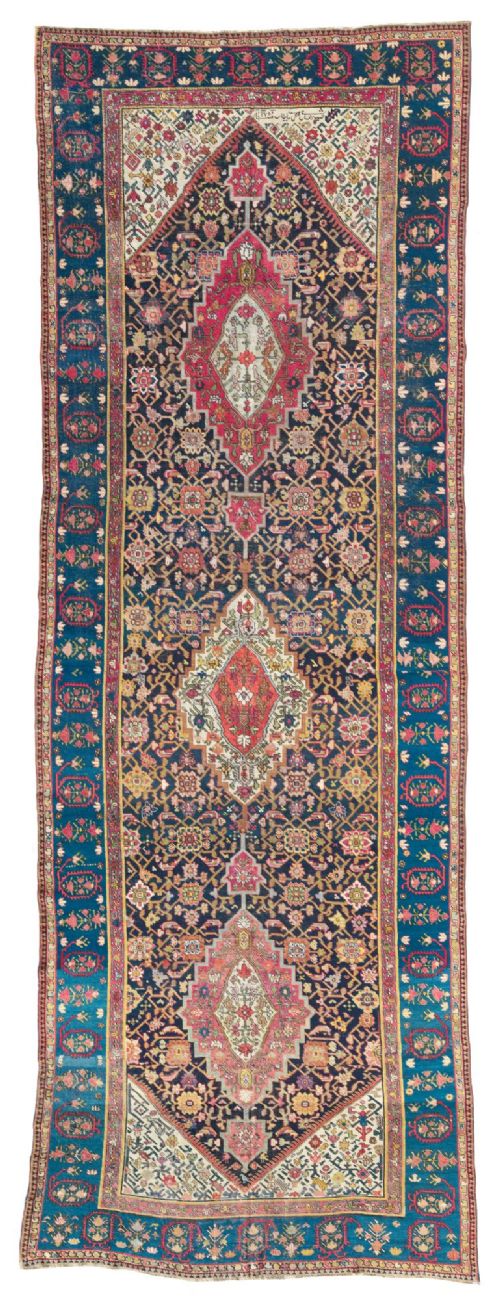
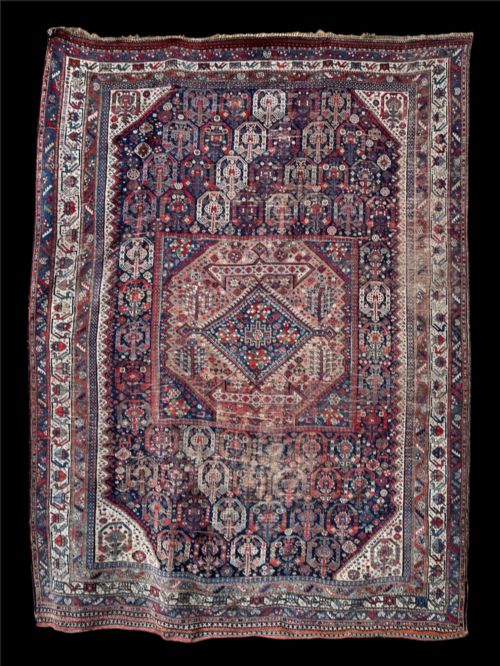
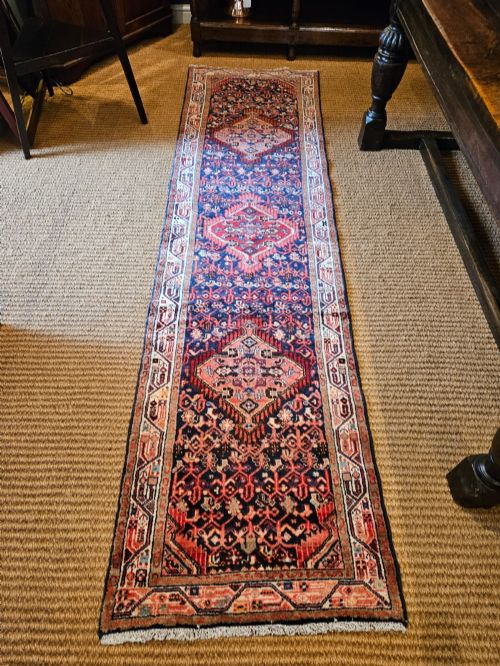

Navy Blue Runner Rug
A navy blue runner rug brings deep colour and centuries of tribal tradition straight to your hallway.
Navy Blue Runner Rug
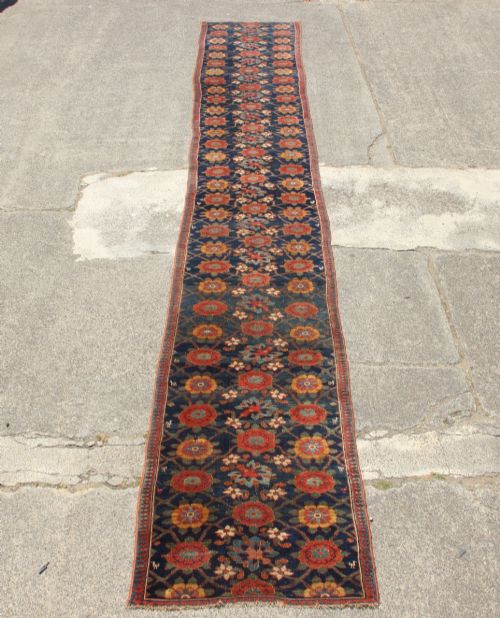
A navy blue runner rug provides a long, narrow format designed specifically for hallways and corridors. The evidence shows these pieces originate from tribal weaving traditions across the Caucasus and Persia.
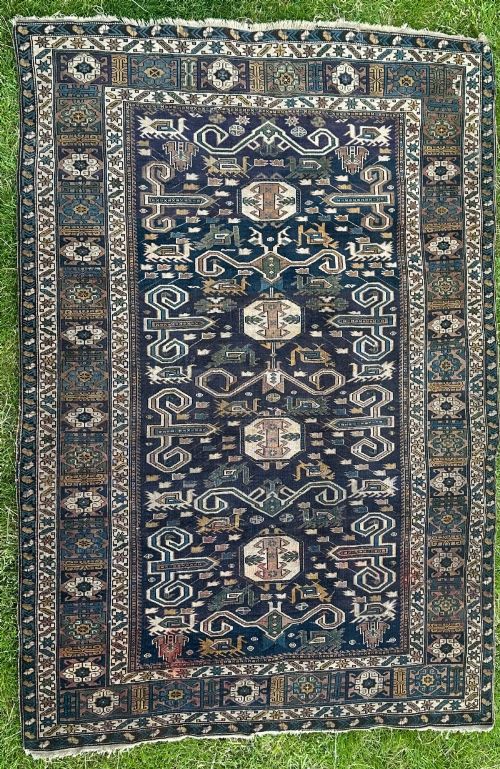
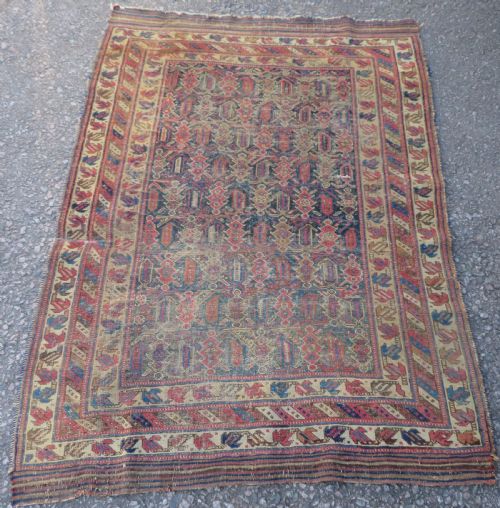
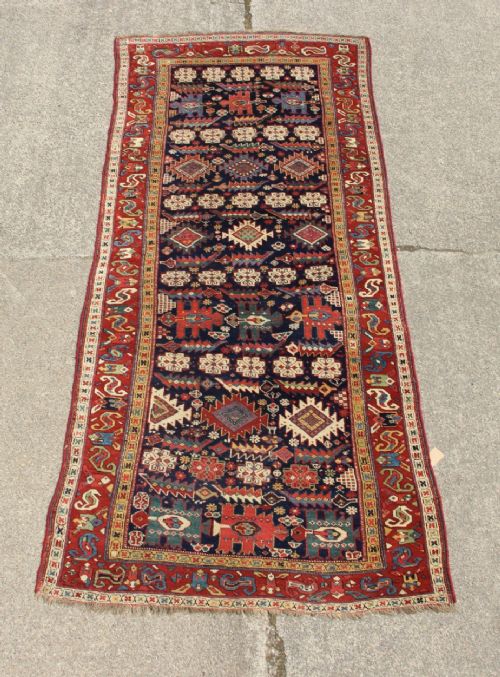
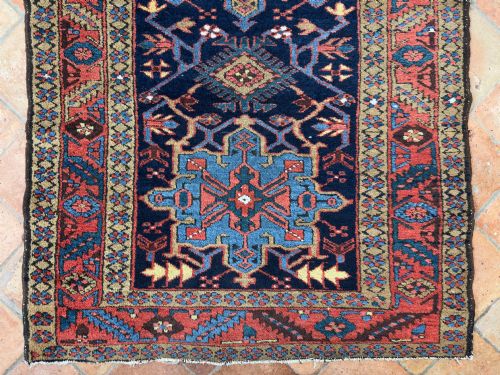
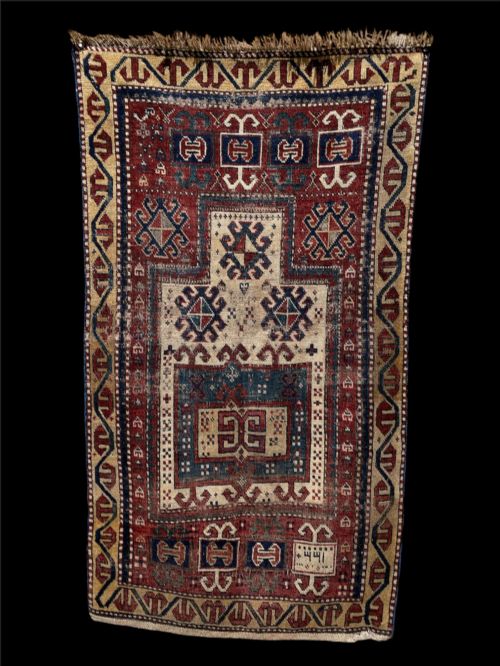
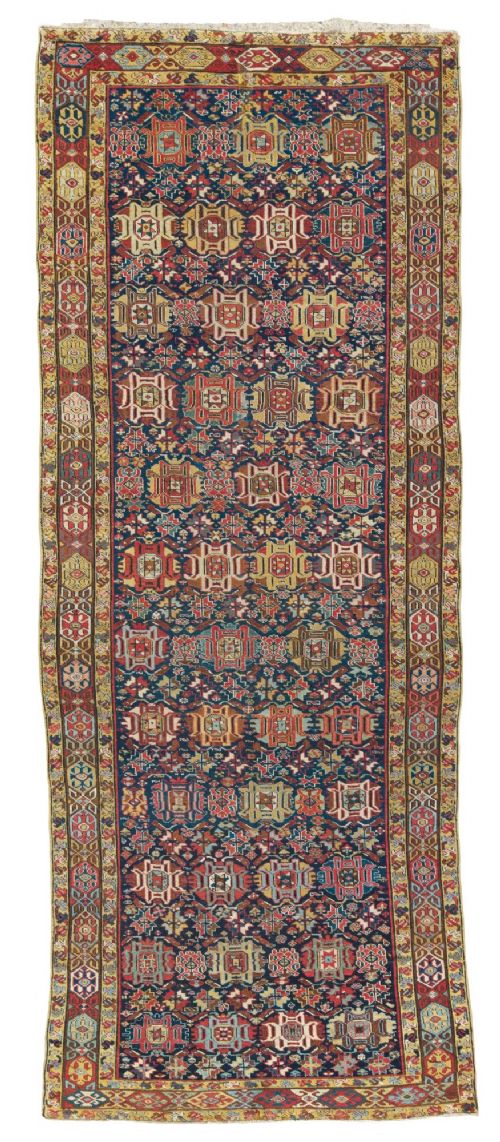
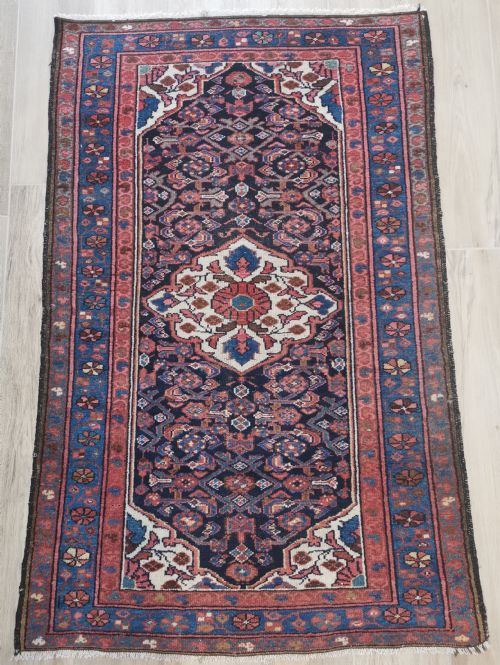
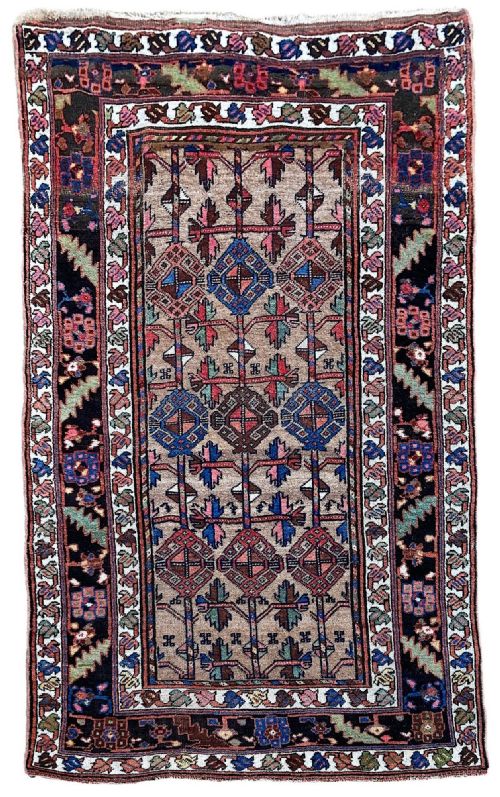
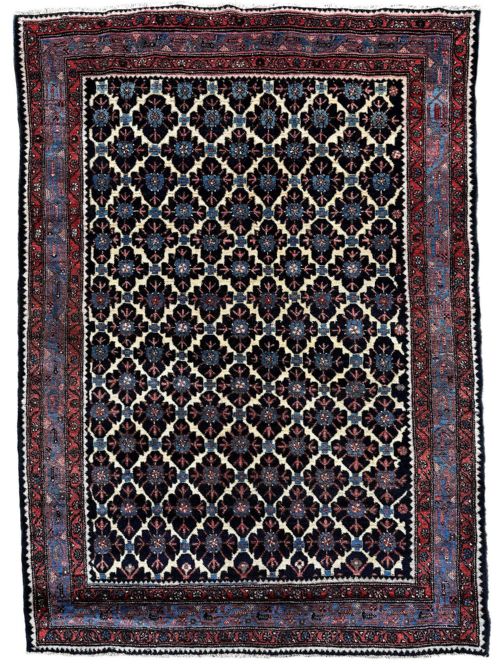
The selection includes specific regional types such as Caucasian Kazak, Bakhtiari, Kurdish, and Karadagh pieces. These traditional runners often display geometric motifs, boteh patterns, and all-over shrub designs.
The listed items span several decades from the late nineteenth century into the early twentieth century. Buyers encounter formats like hallway runners and long carpets woven in wool and cotton foundations.
How they were made
Weavers constructed these textiles using wool, hand-spun wool, and cotton materials. The foundation warps and wefts typically combine wool with cotton for structural stability in long formats.
The distinctive dark blue ground colours derive from natural dyes applied to hand-spun wool yarns. Artisans knotted these materials by hand to create durable pile surfaces meant for heavy domestic use.
Navy Blue Runner Rug Retail Price Guide 2026
Typical asking prices for navy blue runner rug among the pieces listed under this phrase on Sellingantiques today, from the lower quarter to the upper quarter. They describe what is for sale here now, not the wider market.
Materials recorded across the inventory include wool, cotton, hand-spun wool, and natural dyes.
What varies in quality
Quality rests in the fineness of the hand-spinning and the complexity of the regional design, such as Gendje boteh motifs or detailed shrub patterns. Better examples show superior crispness in the geometric drawing.
The depth and vibrancy of the natural dyes distinguish finer pieces from plainer iterations. Condition and the integrity of the original wool pile further separate standard corridor carpets from exceptional survivals.
The Navy Blue Runner Rug Glossary
- Boteh
- A traditional almond or pear-shaped motif representing a flower or cypress tree. This ancient symbol appears frequently in Caucasian and Persian weaving.
- Runner rug
- A long, narrow carpet format utilised primarily in hallways, stairs, and corridors. These pieces guide movement through domestic spaces.
- Natural dyes
- Colourants extracted from plants, roots, and insects before the advent of synthetic alternatives. They age gracefully and develop a rich patina over decades.
- Hand-spun wool
- Yarn spun manually on a drop spindle or wheel rather than by industrial machinery. This process creates irregular textures that absorb natural dye unevenly in a pleasing manner.
Navy Blue Runner Rug: Frequently Asked Questions
Where do these runner rugs originate?
The available pieces originate from historic weaving regions including the Caucasus, Kurdistan, and Persian territories like Bakhtiari and Karadagh.
Nomadic and village weavers produced these long formats for domestic use within their communities.
What materials are used in antique runners?
Traditional construction relies heavily on wool and hand-spun wool pile knotted onto cotton or wool foundations.
Weavers utilised natural dyes to achieve deep navy blue fields and contrasting geometric details.
How do I care for an antique wool runner?
Protect the textile with a quality underlay to prevent sliding and reduce pile friction in high-traffic hallways.
Vacuum gently without using a rotating brush bar and consult a specialist rug cleaner when washing is necessary.
How can I tell different tribal styles apart?
Caucasian pieces such as Kazak and Gendje runners tend to feature sharp geometric polygons and boteh motifs with crisp colour contrasts.
Kurdish and Bakhtiari alternatives often display softer all-over shrub designs and distinctive regional border arrangements.