


Nautical Canvas Art
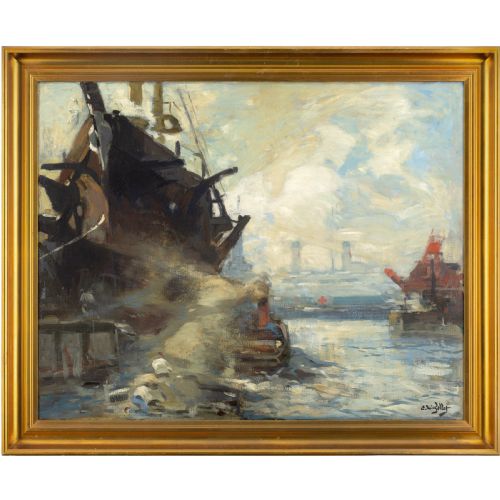
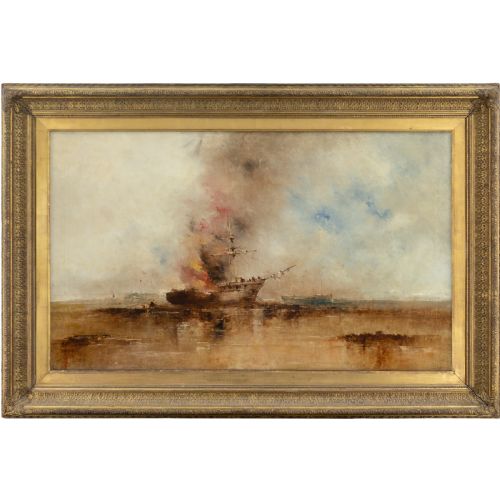
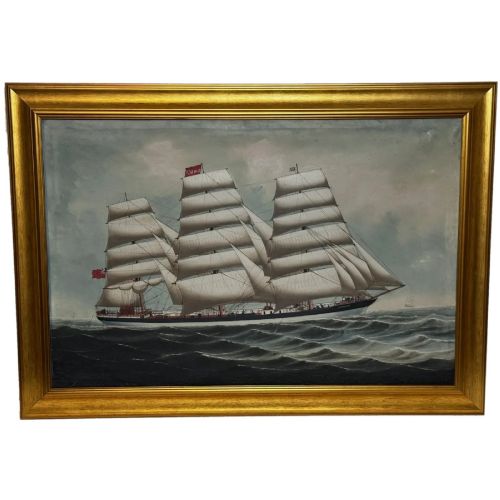
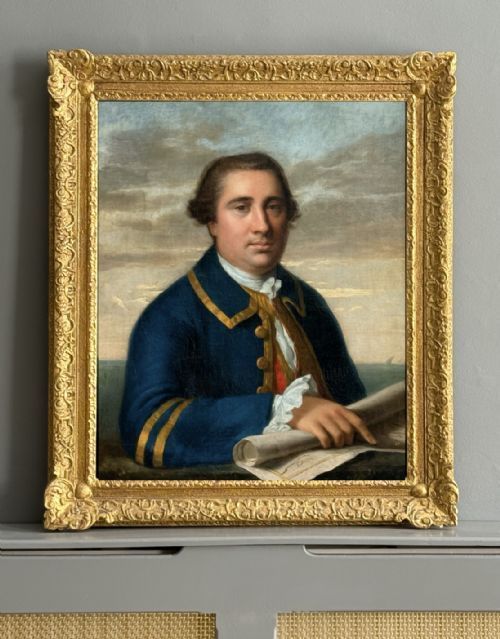
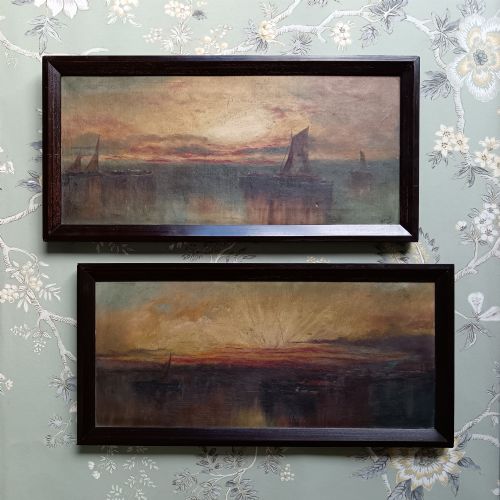
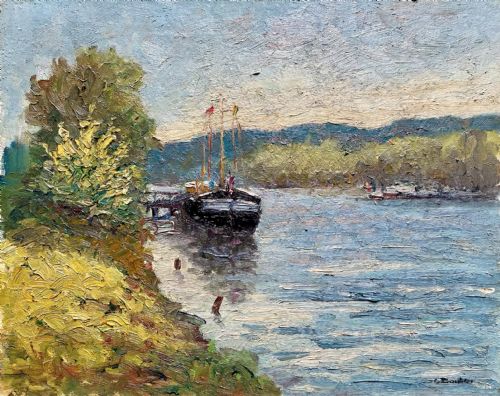
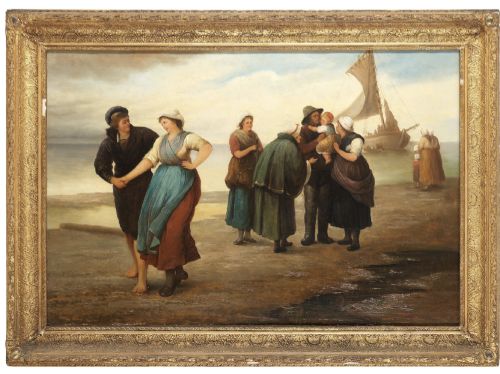
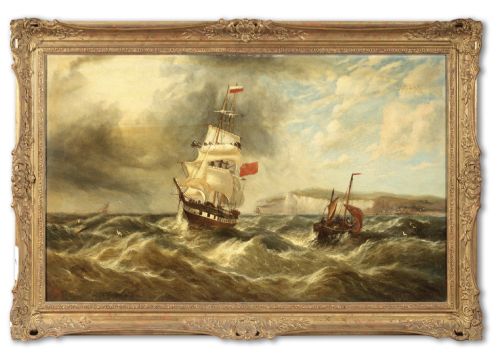
These nautical canvas art selections bring historical maritime scenes, rugged seascapes and harbour views into the home through original oil paintings.
Nautical Canvas Art
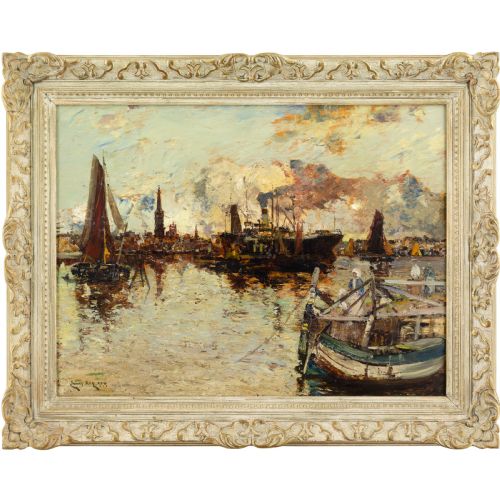
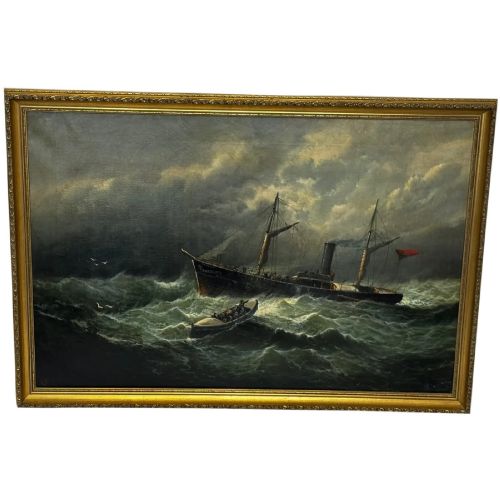
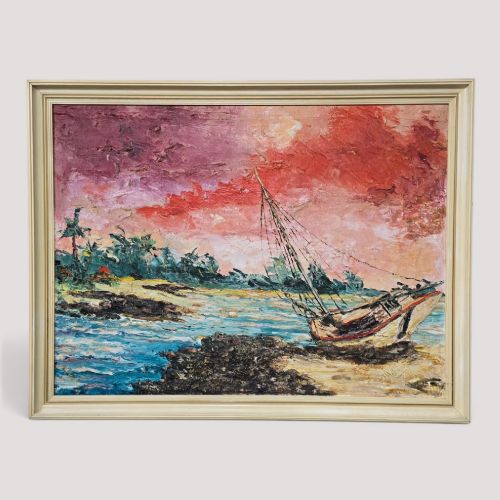
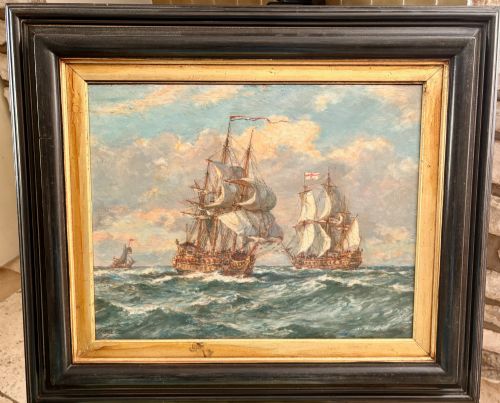
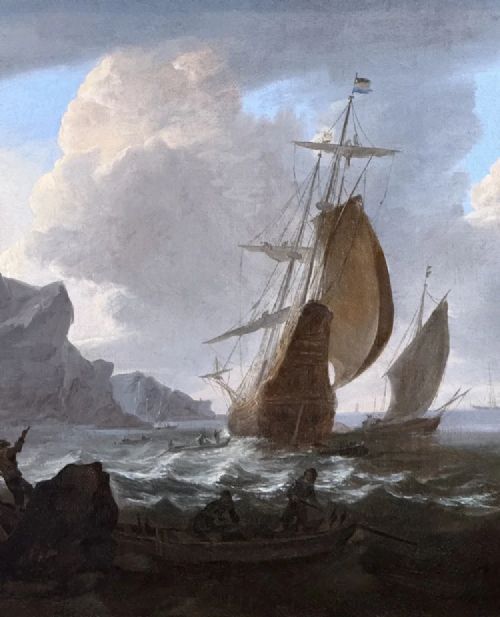
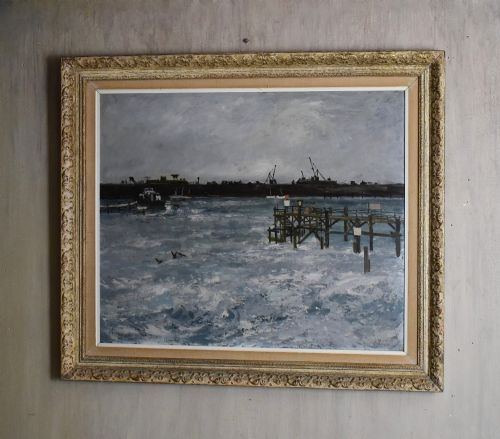
When you search for nautical canvas art, you encounter a specialised selection of marine paintings executed in oil on canvas and wood panels. These works span from seventeenth-century Dutch scenes to mid-twentieth-century harbour views and coastal landscapes.
The most common examples on this page are nineteenth-century and Edwardian maritime works, depicting sailing ships, rough seas, and port scenes by British, French, and Dutch painters.
Subjects range from historical naval vessels and merchant ships to quiet coastal sunsets and dramatic rescues, offering a tangible connection to maritime history.
How they were made
The primary technique recorded across these listings is oil paint applied to woven canvas stretched over wooden frames, occasionally with board used as a support. Many of these historical paintings retain their original gilt and giltwood frames, which complement the maritime subject matter.
Artists layered oil pigments to capture the luminosity of water, the texture of billowing sails, and the atmospheric conditions of coastal storms and peaceful harbours.
The listings span from the seventeenth century through the Edwardian era to the mid-twentieth century, predominantly featuring oil on canvas.
What varies in quality
Quality in these maritime paintings rests on the artist's ability to render the movement of water, the rigging of ships, and the play of light with conviction and anatomical accuracy. Finer works demonstrate a confident brushwork that conveys atmosphere and maritime knowledge without relying on stiff formulas.
The preservation of the original canvas, the stability of the paint layer, and the appropriateness and condition of the accompanying period frame also distinguish the superior examples from more ordinary decorative pieces.
LEMUEL FRANCIS ABBOTT·ABRAHAM HULK I·CHARLES NAPIER HEMY·JOHN WILSON CARMICHAEL·BONAVENTURA PEETERS
The Nautical Canvas Art Glossary
- Oil on Canvas
- A traditional painting medium where coloured pigments are suspended in a drying oil, usually linseed, and applied to a stretched fabric support. This combination allows for rich colour depth and subtle blending.
- Giltwood
- Wood carved and coated with a thin layer of gold leaf or gilt powder. These frames protect the edges of the canvas and provide a reflective border that enhances the artwork.
- Maritime Realism
- An artistic style focused on the accurate portrayal of ships, coastal topography, and marine weather conditions. Practitioners of this style required precise technical knowledge of naval architecture.
- Impasto
- A technique where paint is laid on an area of the surface in very thick layers, usually thick enough that the brush or painting-knife strokes are visible. It adds physical texture to representations of crashing waves or clouds.
Nautical Canvas Art: Frequently Asked Questions
What is nautical canvas art?
Nautical canvas art encompasses historical oil paintings depicting ships, seascapes, and coastal harbours from various centuries.
These works record maritime heritage through the eyes of artists who observed naval vessels, trading ships, and coastal life firsthand.
How do I date a marine painting?
Dating often relies on the style of the clothing, the type of vessel depicted, and the construction methods of the canvas and frame.
Signatures, dealer labels on the reverse, and documented exhibition history also help pinpoint the creation period.
Where should I hang a seascape?
Seascapes suit well-lit spaces where natural light can bring out the depth of the oil pigments and the detail in the rigging.
Traditional pieces pair effectively with period interiors, while impressionist or modernist coastal works contrast nicely against neutral modern walls.
Are these paintings original?
The listings consist of original hand-painted works rather than modern mass-produced reproductions.
Each piece reflects the individual hand, palette, and technique of the historical artist who created it.