
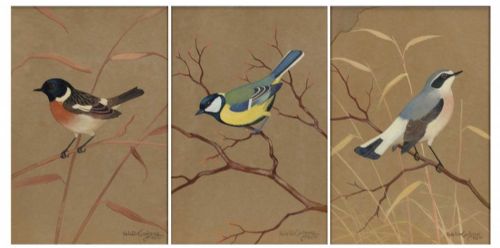
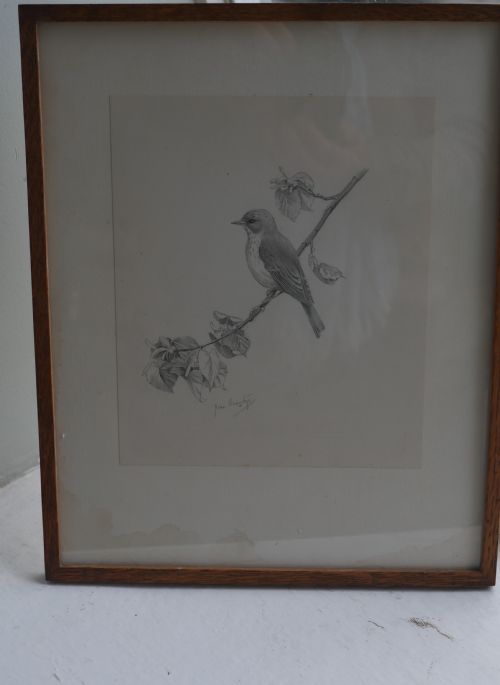


Natural History Artwork Framed
Natural history artwork framed brings together botanical studies, bird watercolours and animal prints preserved behind glass in wood and gilt frames.
Natural History Artwork Framed
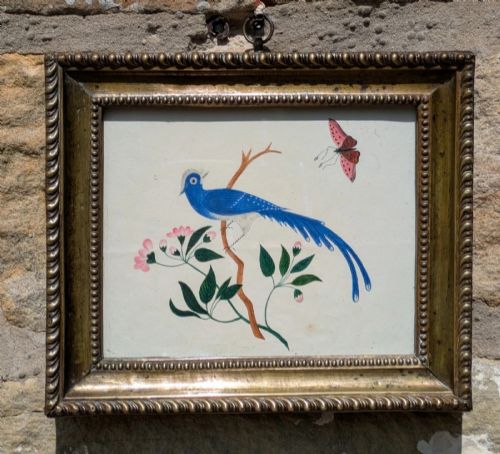
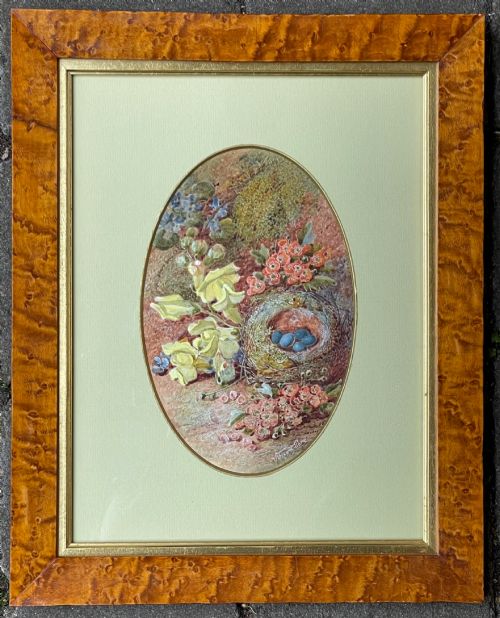
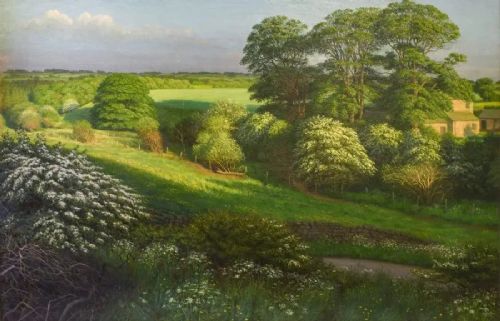
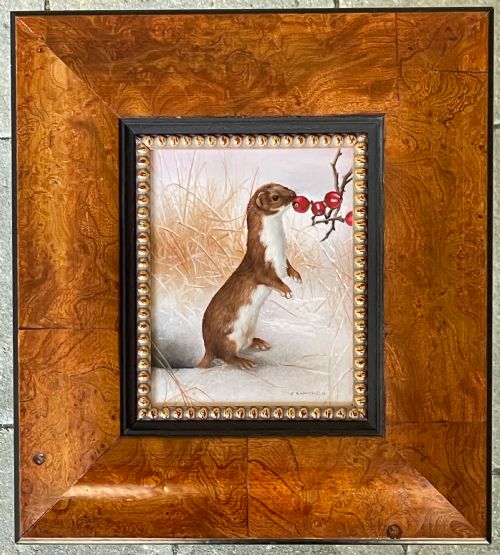
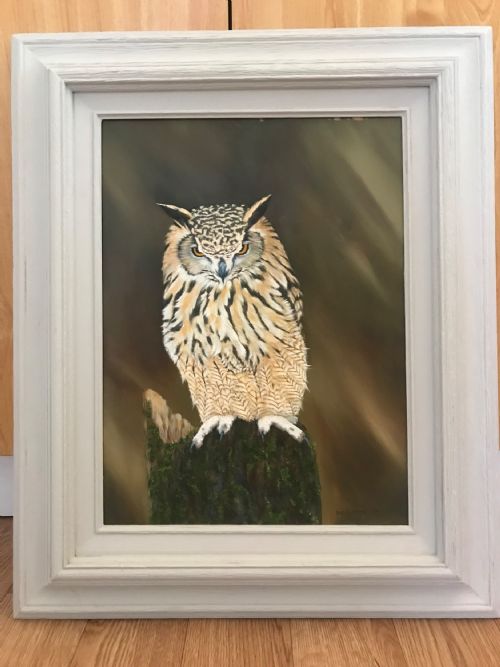
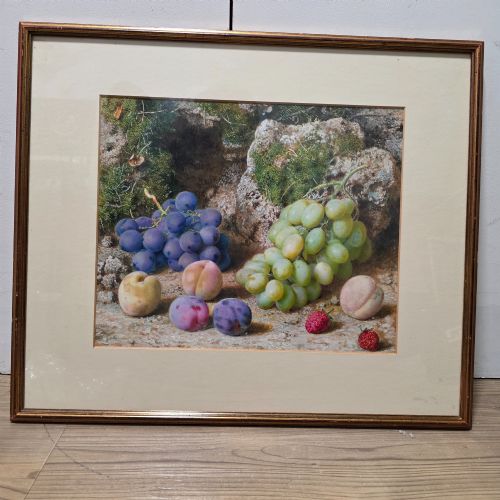
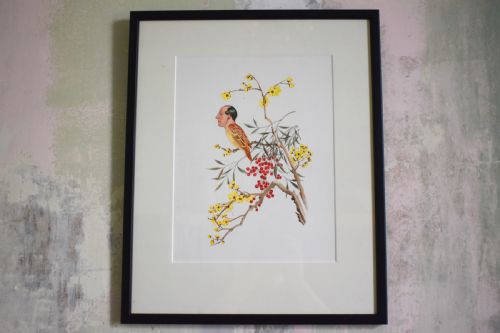
When you search for natural history artwork framed, you encounter wall art spanning the eighteenth century through to the mid-twentieth century, including Regency, Victorian and Edwardian examples. The selection consists of framed prints, watercolours, oil paintings and pencil drawings depicting birds, insects, animals and botanical subjects.
You are most likely to meet nineteenth century watercolours and twentieth century bird studies alongside hand-coloured engravings from earlier periods. These pieces take the form of individual paintings, pairs and matched sets presented in frames of wood or gilt.
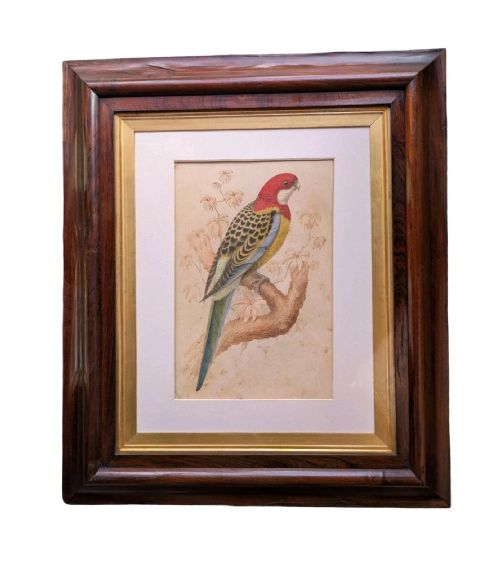
The subjects range from exotic parrots and garden birds to butterflies, insects and botanical specimens. Makers and artists represented include named painters and illustrators working across British and European schools.
Materials and Technique
The works utilise paper, panel and canvas as supports, marked with watercolour, gouache, ink, pencil and oil paint. Engravings and lithographs provide printed alternatives to hand-painted studies.
Framing materials comprise wood, gilt wood and glass, protecting delicate pigments and paper surfaces from environmental damage over the centuries.
Several pieces document unusual subjects including a skeleton anatomy of a rhinoceros and a monkey named Le Callitriche.
Quality and Execution
Quality rests upon the precision of the rendering and the skill of the artist in capturing anatomical detail and natural form. Hand-painted watercolours by documented artists command greater attention than standard decorative prints.
The preservation of the paper support and the vibrancy of the original pigments determine the visual impact of the piece. Period frames that complement the age of the artwork contribute to the integrity of the object.
The Natural History Artwork Framed Glossary
- Lithograph
- A print made from a drawing on limestone or metal plate. This technique allows for fine tonal gradations in printed natural history illustrations.
- Gouache
- An opaque water-based paint. It provides dense colour saturation in botanical and bird studies.
- Pith painting
- Watercolour applied to the cellular pith of the Tetrapanax papyrifer plant. This technique produces a distinctive velvet-like surface texture.
- Engraving
- An image incised into a metal plate with a burin. Hand colouring is frequently applied afterwards to enhance botanical and zoological details.
Natural History Artwork Framed: Frequently Asked Questions
What subjects do these framed pieces show?
The artworks display botanical studies, butterflies, insects, monkeys and various birds including parrots, owls and kingfishers.
Animals such as rhinos and domestic wildlife also appear across the oil paintings and engraved plates.
How should I hang these artworks at home?
Keep framed pieces away from direct sunlight to prevent the fading of watercolour pigments and coloured inks on paper.
Group matched sets of engravings together on a wall to maintain the visual balance established by their original series format.
Are these pieces original period items?
The selection includes eighteenth, nineteenth and twentieth century works created during the periods they represent.
Mediums range from original period watercolours and oil paintings to antique hand-coloured copperplate engravings.
How do I identify the age of a frame?
Period frames often utilise gilt wood or simple timber construction suited to the Victorian, Edwardian or Regency eras.
Construction methods and the presence of old glass help distinguish original mountings from later replacements.