
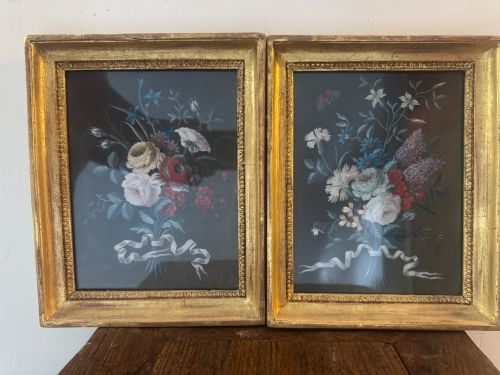
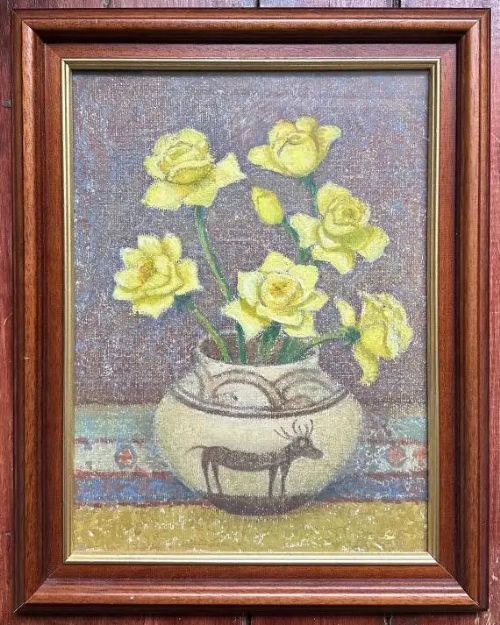
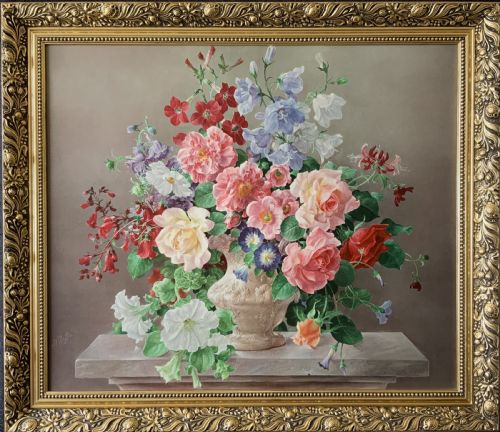
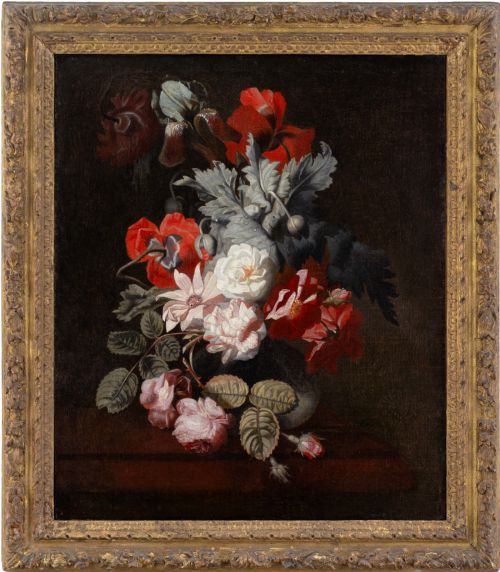


Vintage Framed Flower Print
These vintage framed flower print examples capture centuries of botanical and still life artistry, bringing enduring floral charm to interior walls.
Vintage Framed Flower Print
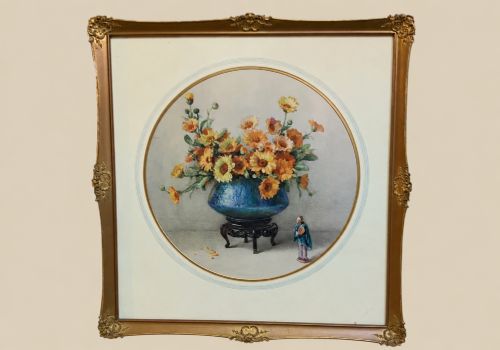
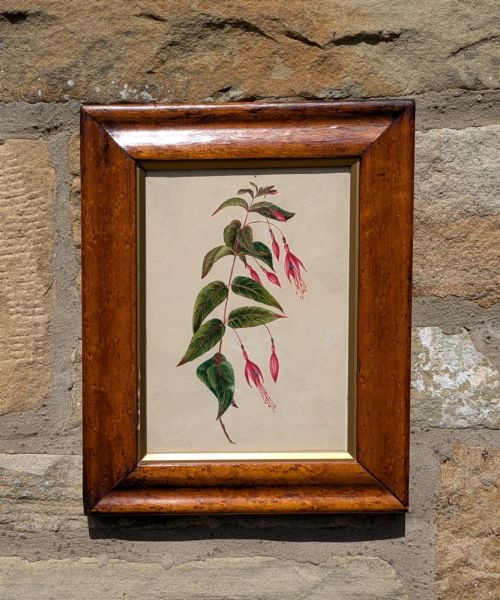
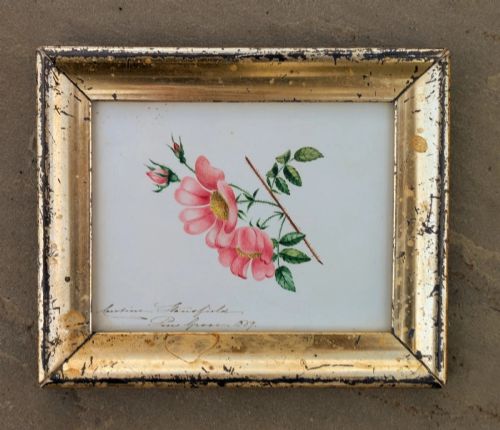
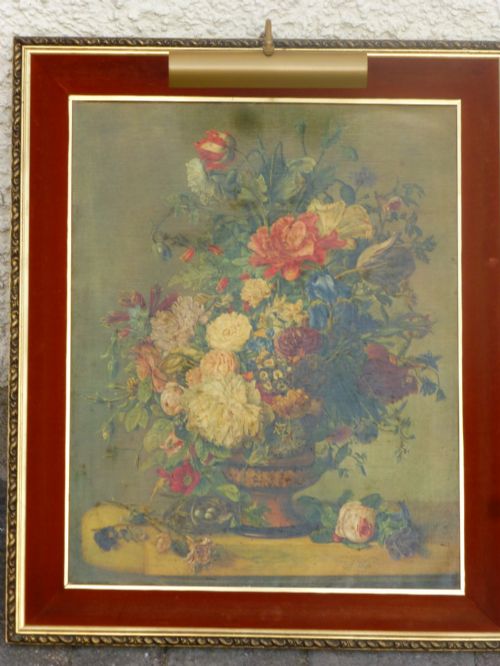
A vintage framed flower print encompasses a diverse selection of wall art, paintings, framed artwork, oil paintings, and prints and engravings centred on floral subjects. Buyers seeking a vintage framed flower print encounter pieces spanning the seventeenth century through to the mid-twentieth century, including works from the Victorian, Neoclassical, and Dutch Golden Age styles.
The assortment on this page ranges from delicate nineteenth century botanical watercolours and hand-coloured engravings to oil paintings and oleographs. Most items are presented within traditional wooden or gilt wood frames under glass, offering ready-to-hang wall art for domestic spaces.
Materials and construction methods
Artists and makers utilised paper, canvas, and board as the primary surfaces for applying watercolour, gouache, oil paint, or hand-colouring techniques upon engraved plates. These varied mediums define the character of each botanical specimen or still life composition.
Framing materials predominantly include wood, gold leaf, and gilt wood, frequently paired with protective glass layers. This combination of traditional framing and diverse painting mediums preserves the integrity of the paper and canvas works over centuries.
Materials recorded across the listings include watercolour, oil on canvas, gouache, and hand-coloured engraving on paper.
Distinctions in quality and execution
Quality is determined by the precision of the brushwork, the depth of colour in watercolours and oils, and the historical significance of the original artist or engraver. Fine details in botanical specimens distinguish master compositions from standard decorative prints.
The craftsmanship of the frame also influences the overall standard, with hand-gilded wood and period-appropriate mouldings elevating the presentation of the artwork.
Anton Weiss·Emma Fordyce MacRae·Harold Clayton·Simon Pietersz Verelst·Terence Loudon·Charlotte Isa James·Georg Wolfgang Knorr·Lilian Stannard·Owen Bowen·George Dionysius Ehret
The Vintage Framed Flower Print Glossary
- Oleograph
- A type of chromolithograph printed on canvas to imitate an oil painting. These prints capture the rich textures of original canvas works.
- Gouache
- An opaque water-based paint medium that creates vibrant and solid colour areas. Artists frequently used it for detailed botanical illustrations.
- Botanical specimen
- A scientific or artistic depiction of a plant species focusing on accurate detail. These pieces record floral subjects with meticulous precision.
- Gilt wood
- Wood coated with a thin layer of gold leaf or gold paint. This finish adds a reflective, decorative border to framed artworks.
Vintage Framed Flower Print: Frequently Asked Questions
How do I hang a heavy framed oil painting?
Ensure you use appropriate wall anchors and picture hooks rated for the weight of the wood and glass frame. Secure the hanging wire firmly to the wooden stretcher or frame back.
Position the artwork at eye level to best appreciate the detail of the oil on canvas or board composition.
Where should I place botanical watercolours?
Keep watercolours away from direct sunlight to prevent the pigments and paper from fading over time. Display them in rooms with stable humidity levels to protect the paper and frame.
Interior walls in hallways or living rooms provide ideal environments for enjoying these delicate botanical studies.
What is the difference between an engraving and a painting?
Engravings involve incising an image onto a plate to produce printed impressions, which were often hand-coloured afterwards. Paintings are unique handmade works created directly on canvas, paper, or board using mediums like oil, watercolour, or gouache.
Print examples offer multiple impressions of botanical plates, whereas oil and watercolour paintings remain singular artistic creations.
How do I identify a Victorian botanical piece?
Victorian pieces often display meticulous attention to plant anatomy, reflecting the nineteenth century enthusiasm for natural history and gardening. They frequently appear as detailed watercolours or hand-coloured prints on aged paper.
Stylistic cues and period framing materials help confirm the nineteenth century origins of these floral works.