




Yellow Floral Wall Art
Yellow floral wall art brings warmth and botanical colour into a room, spanning centuries of painted canvas, delicate watercolours, and woven textiles.
Yellow Floral Wall Art
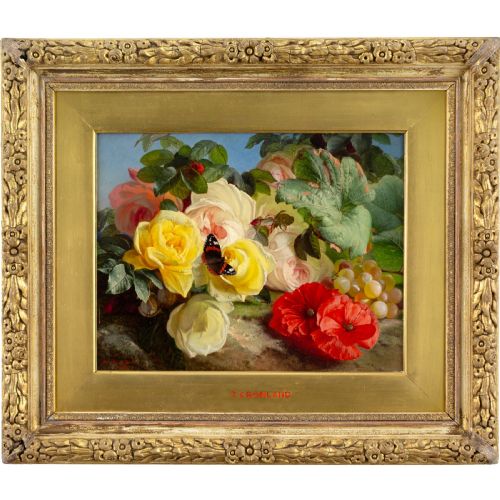
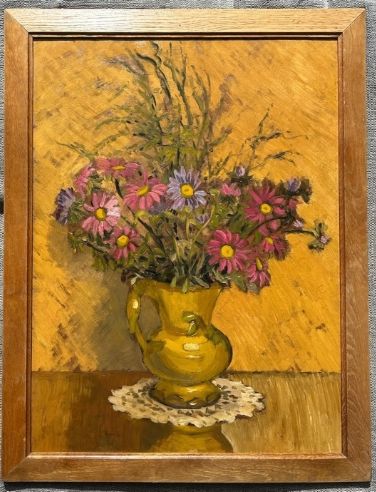
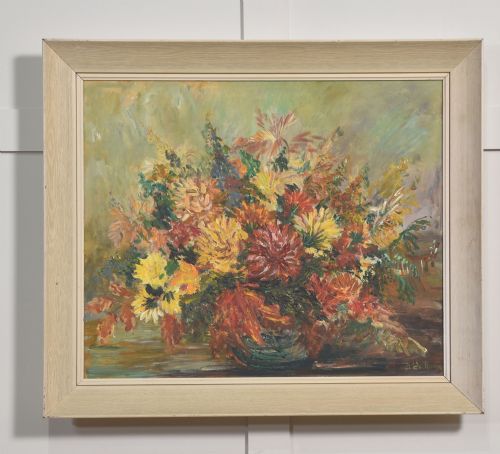
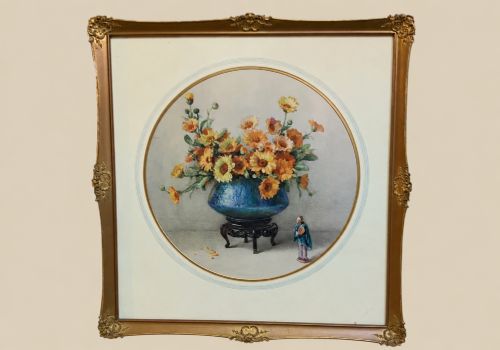
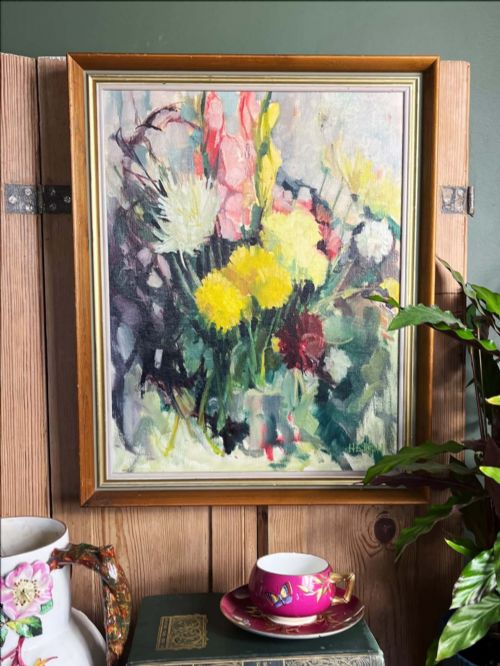
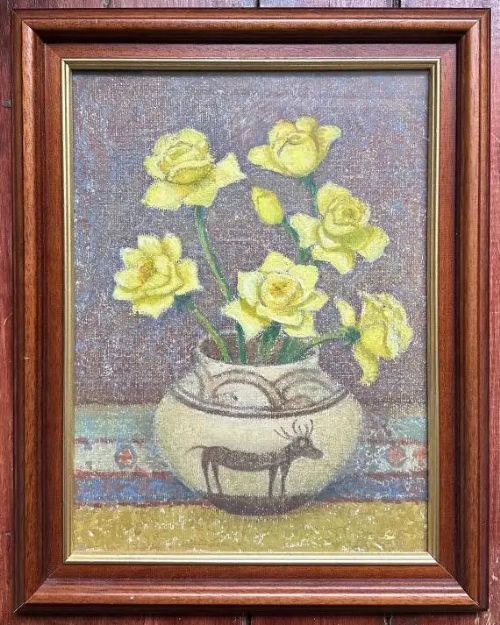
Yellow floral wall art encompasses diverse creative expressions focused on botanical subjects, appearing predominantly as oil paintings and watercolours alongside textile works. These pieces stretch from the Victorian era through the mid-century modern period, capturing floral displays in varied settings and mediums.
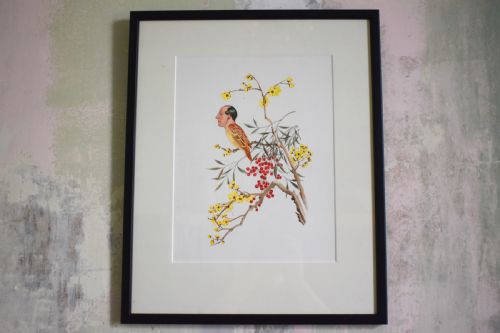
Buyers browsing this selection encounter framed canvas paintings, delicate watercolours on paper, and embroidered fabric panels. Mid-century impressionist works and Victorian still life studies form a significant portion of the available decorative pieces.
The origins span British, French, Dutch, and Belgian studios, reflecting distinct regional approaches to botanical representation. Whether selecting a textured oil on board or a fine needlework tapestry, collectors find works executed across multiple decades of artistic tradition.
Materials and construction methods
Makers utilised traditional supports including wooden panels, stretched canvas, and heavy paper, often housed within original frames incorporating gilt details. Oil paint and watercolour dominate the painted works, layered to achieve depth in petal formations and foliage.
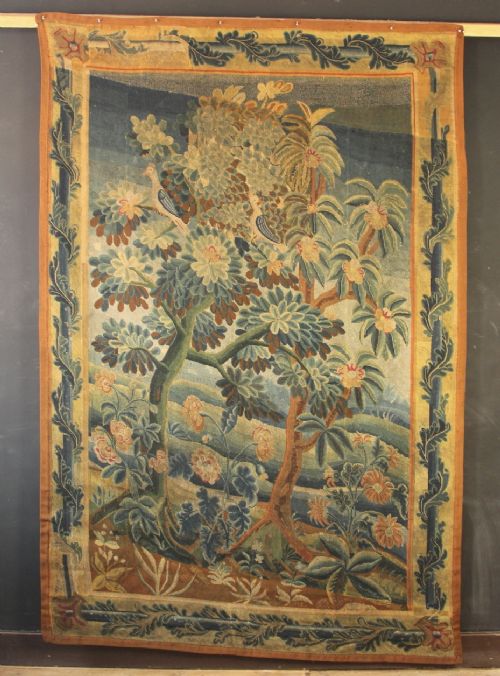
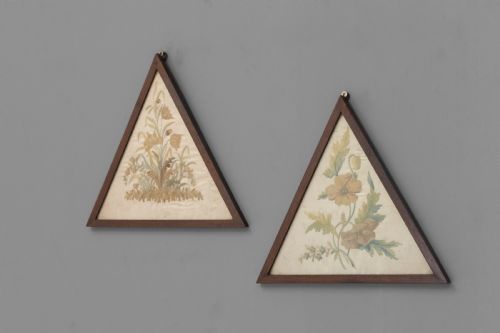
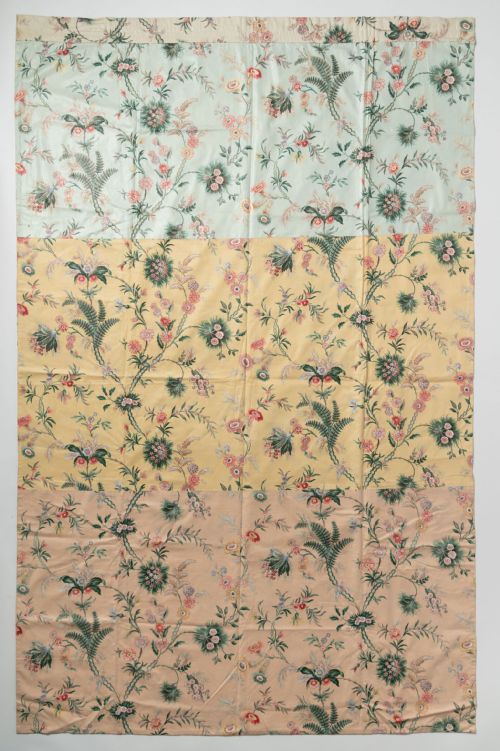
Textile examples demonstrate skilled needlework and embroidery upon fabrics like silk and linen, occasionally mounted as wall panels. Architectural pottery tiles also contribute to the category, formed from fired clay with glazed botanical motifs.
Materials range from oil paint and gilt wood to embroidered silk panels and architectural pottery.
Distinctions in craftsmanship and preservation
Quality reveals itself through the dexterity of brushwork and the preservation of the underlying material, whether canvas, board, or paper. Finer pieces demonstrate confident handling of light and pigment, capturing botanical structures with precision.
The integrity of the frame and the stability of the medium dictate the longevity and overall presence of the artwork. Textile panels depend on the tightness of the weave and the secure retention of historical thread colours.
Theude Grönland·Kenneth Cozens·Emma Fordyce MacRae·Amile Coppieters·James Stuart Park·Ernest Higgins Rigg·John Sherrin·Julien Stappers·Bertoldo Taubert·William de Morgan·Owen Bowen
The Yellow Floral Wall Art Glossary
- Still life
- An artwork depicting inanimate subject matter, typically featuring assembled groupings of cut flowers, fruit, or vessels. This genre allows artists to focus on colour harmony and texture.
- Impressionism
- A style of painting characterised by relatively small, thin, yet visible brush strokes and an emphasis on accurate depiction of light. Mid-century examples often apply this approach to floral subjects.
- Watercolour
- Paint consisting of colourants suspended in a water-soluble vehicle, typically applied to paper surfaces. It produces translucent washes well-suited for delicate botanical illustrations.
- Tapestry
- A form of textile art woven on a loom, frequently used historically for large wall hangings. These pieces combine decorative imagery with structural fabric support.
- Gilt
- A thin layer of gold applied to wood or metal frames to provide a reflective surface. This finish enhances the visual separation between the artwork and the surrounding wall.
Yellow Floral Wall Art: Frequently Asked Questions
What periods do these pieces date from?
The selection spans from the Victorian era through the early twentieth century and into the mid-century modern period. Pieces reflect the shifting artistic movements of their respective decades.
Works range from nineteenth-century watercolours to mid-century impressionist canvases and textile panels.
How should I hang textile wall art?
Textile art and tapestries require even support across their width to prevent sagging along the fabric grain. Professional mounting ensures the piece remains secure without damaging the historical threads.
Keep fabric panels away from direct sunlight to preserve the original dye pigments.
Are these works painted on canvas or board?
Makers utilised various supports depending on the period and medium, including stretched canvas, wooden boards, and heavy paper. Oil paintings frequently appear on canvas or board substrates.
Watercolours and botanical illustrations are typically executed on paper and framed behind glass for protection.
How do I identify mid-century pieces?
Mid-century works often display looser brushwork, vibrant palettes, and a focus on impressionist or modernist interpretations of floral displays. These pieces frequently date from the nineteen-fifties and nineteen-sixties.
Frames and backing materials from this era also offer clues to the creation date.