


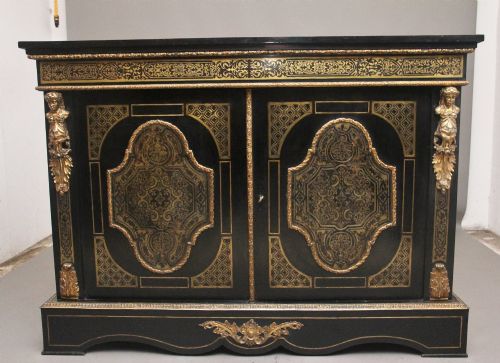
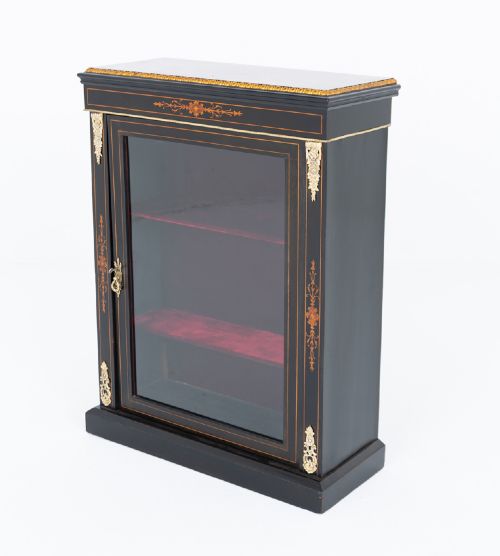
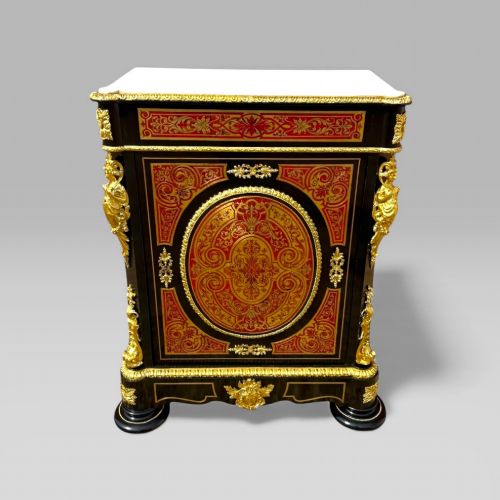


Napoleon III Credenza
These pieces bring rich ebonised surfaces and gleaming ormolu mounts to a room, offering display space and storage with distinct French flair.
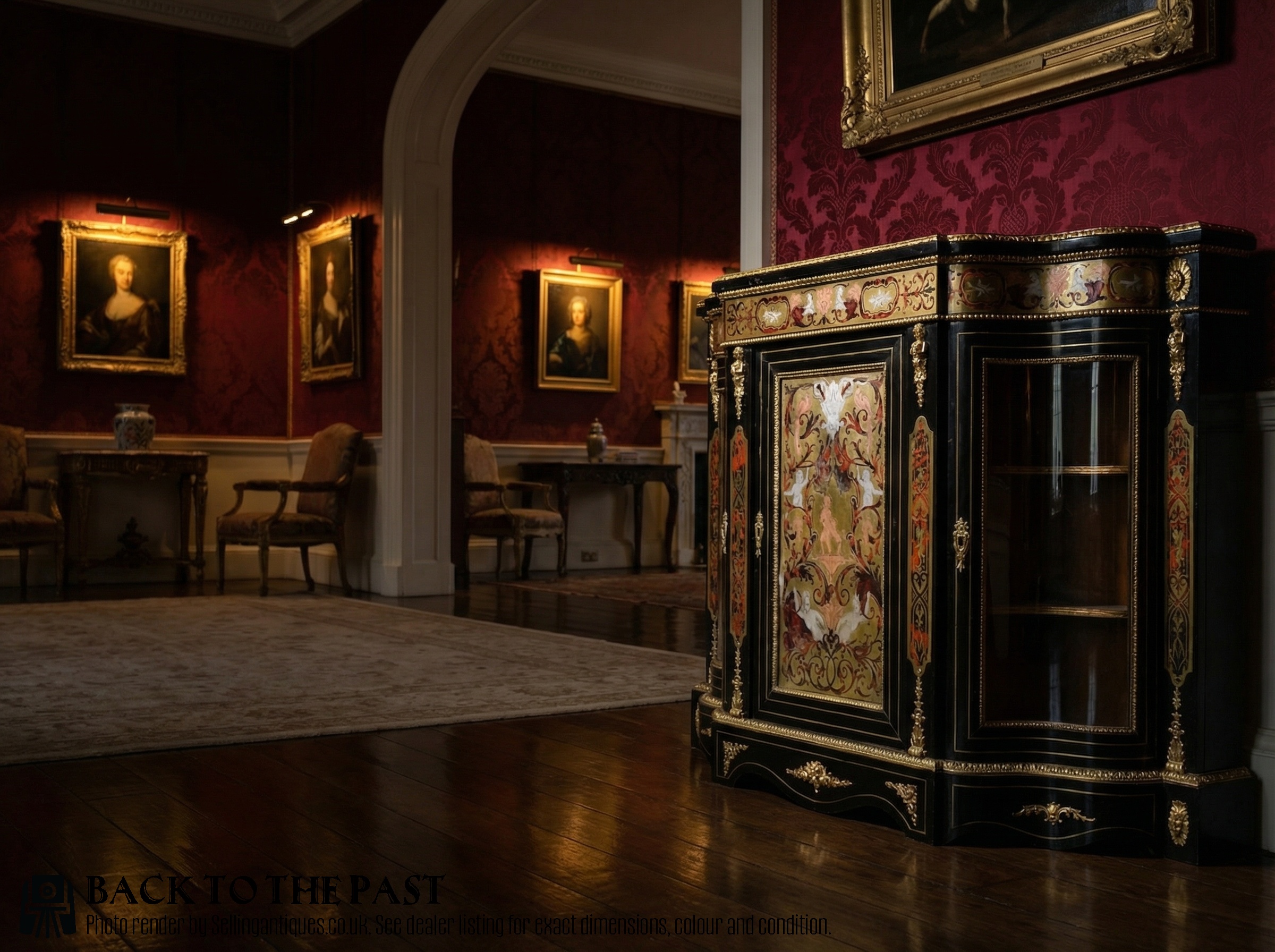
Napoleon III Credenza
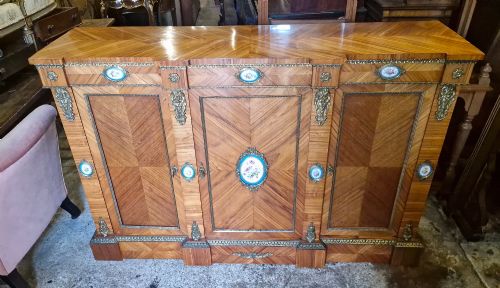
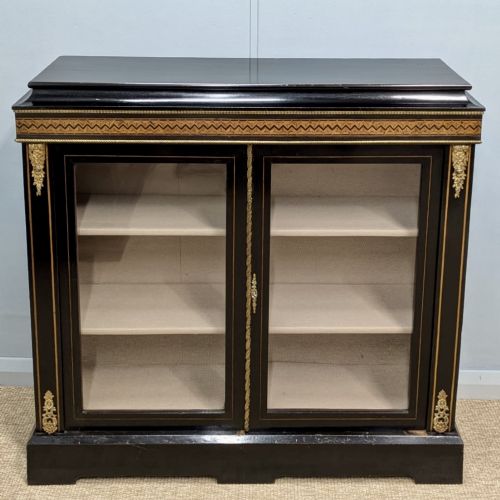
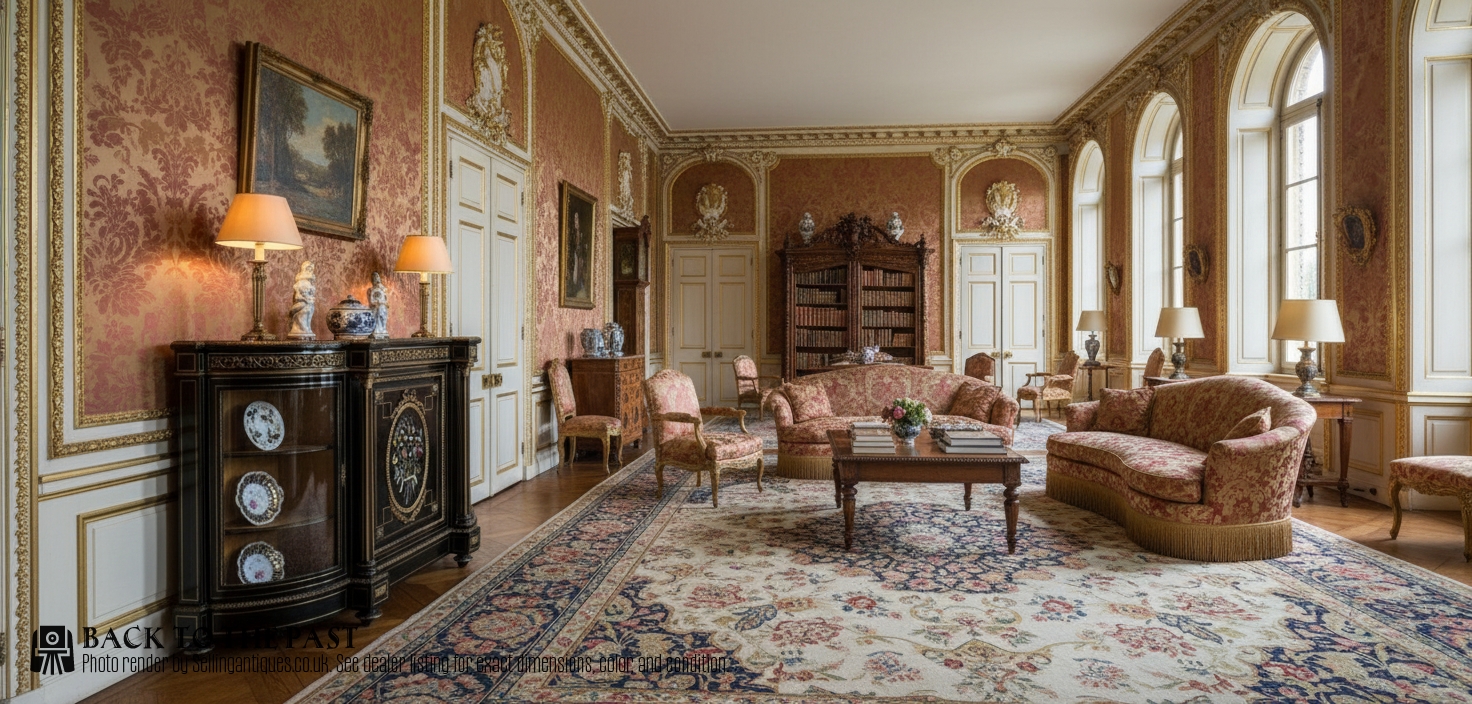
A napoleon iii credenza is a low, substantial cabinet designed for grand nineteenth-century interiors, often pairing display shelves with enclosed storage. The versions most commonly met on this page date from the middle to late nineteenth century and originate from French workshops.
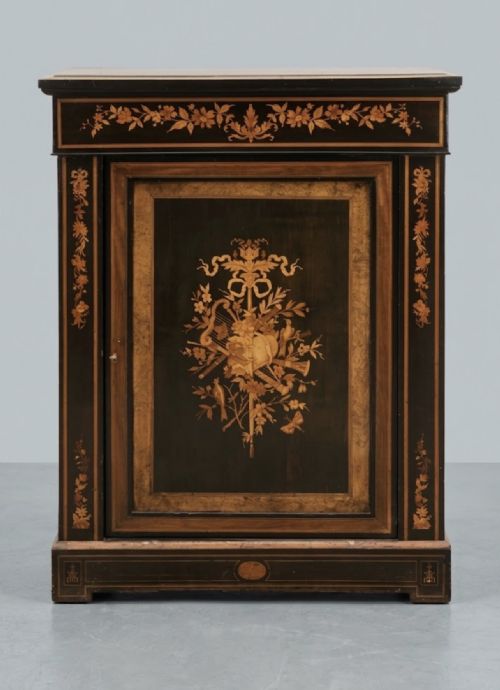
Makers utilised rich timbers and elaborate inlay techniques to catch the light, frequently topping the carcase with polished marble. Forms range from compact pier cabinets and side cabinets to monumental breakfront credenzas and bookcases.
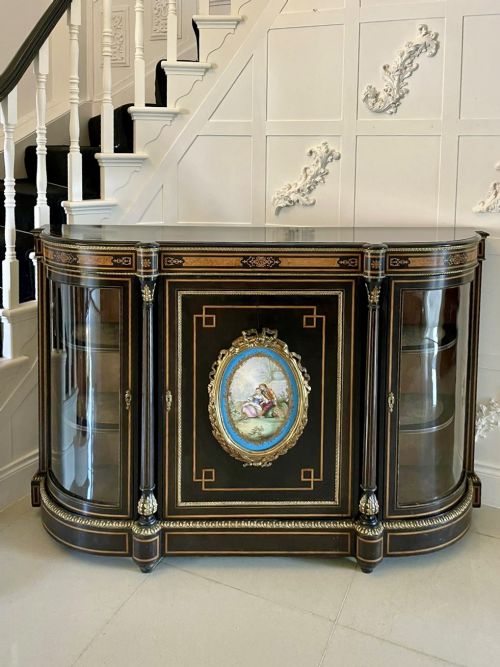
These items serve as focal points in a drawing room or dining room, providing a flat surface for ornaments alongside enclosed space for tableware or books. Their varied silhouettes incorporate serpentine fronts and glazed doors suited for displaying porcelain.
How they were made
Cabinet makers built these pieces using carcases of pine or oak, then veneered the exterior with exotic woods such as kingwood, rosewood, amboyna, and flame mahogany, or ebonised the timber to resemble ebony. Surfaces received intricate marquetry in floral patterns or elaborate boullework created from sheets of brass and tortoiseshell.
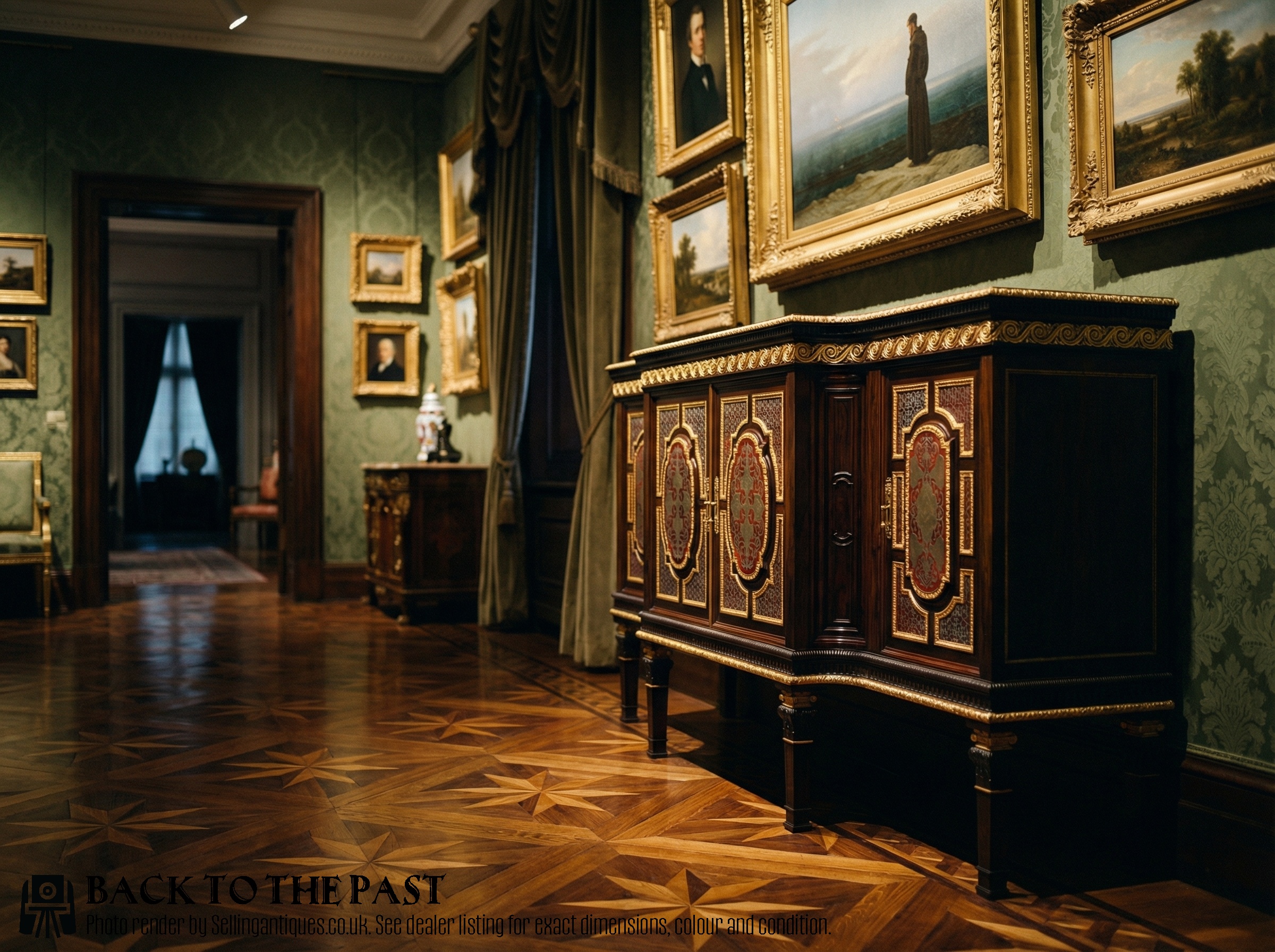
Gilt bronze and ormolu mounts were cast and chased to edge the doors, frame porcelain plaques, and accentuate the corners of the furniture. Marble tops, often shaped with serpentine edges, were fitted precisely to the upper surface of the cabinet.
Napoleon III Credenza Retail Price Guide 2026
Typical asking prices for napoleon iii credenza among the pieces listed under this phrase on Sellingantiques today, from the lower quarter to the upper quarter. They describe what is for sale here now, not the wider market.
Listings feature ebonised wood, kingwood, rosewood, and flame mahogany as the primary cabinet timbers.
What varies in quality
The degree of refinement in the ormolu mounts dictates much of the visual weight, with crisply chased bronze separating superior items from simpler castings. The complexity and precision of the brass and tortoiseshell inlay also mark the distinction between standard workshop output and exhibition pieces.
The choice and figuring of the underlying veneers, alongside the weight and thickness of the marble slab, signal the ambition of the original commission. Signed works by documented makers command closer attention for the integrity of their construction and detailing.
Paul Sormani·Beurdeley
The Napoleon III Credenza Glossary
- Boulle
- A form of marquetry employing brass and tortoiseshell cut together in opposing patterns, named after the French cabinet maker André-Charles Boulle. It creates a shimmering, contrasting surface across the front of the cabinet.
- Ormolu
- Gilt bronze mounts applied to furniture for decorative effect and protection of corners and edges. The metal is cast and then treated with gold leaf or mercury gilding.
- Pietra dura
- An inlay technique using cut and fitted polished coloured stones to create pictorial designs. Scenes or geometric patterns are set flush into a dark stone or wood background.
- Sevres
- Porcelain plaques produced by the French national factory, frequently mounted into the doors or friezes of nineteenth-century cabinets. They are typically hand-painted with floral subjects or pastoral scenes.
- Pier cabinet
- A narrow cabinet designed to stand against the wall space between windows. These pieces often feature a single glazed door and a marble top.
Napoleon III Credenza: Frequently Asked Questions
Where were these cabinets placed?
These items were traditionally positioned against main reception room walls or between large windows to make decorative use of architectural voids. Their low profile ensured they did not block natural light while offering a surface for lamps and ornaments.
In modern interiors, they serve a similar purpose in living rooms or hallways, grounding a large wall space and providing functional storage for books and ceramics.
How do I identify a boulle finish?
Boulle work is characterised by intricate patterns of polished brass set into a dark tortoiseshell background, or the reverse combination known as contre-partie. The metal catches the light while the dark ground provides depth and contrast.
Close inspection reveals fine hand-engraving across the brass surfaces to delineate petals, leaves, and scrollwork.
Are the marble tops original?
Marble tops on nineteenth-century French furniture were cut to fit the exact serpentine or breakfront contours of each individual carcase. Their edges are usually bevelled or moulded to match the style of the gilt bronze mounts below.
Original slabs show consistent weathering and matching weight, fitting flush without excessive gaps against the wooden frame.
What is the difference between a credenza and a pier cabinet?
A credenza is typically a wide, symmetrical piece featuring a central cupboard flanked by curved glazed display sections or open shelves. It commands a prominent wall and provides substantial storage.
By contrast, a pier cabinet is built on a much narrower footprint, designed to fit specific architectural wall spaces between windows with a single vertical door.