


Mythological Bronze Sculpture
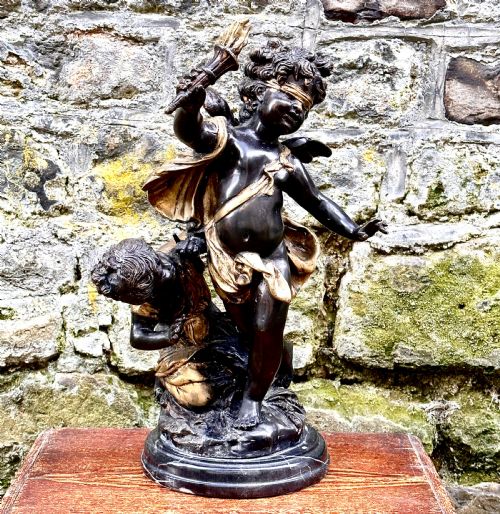
When you seek a mythological bronze sculpture, you encounter figures from classical antiquity cast in metal to bring ancient narratives into nineteenth-century interiors.
Mythological Bronze Sculpture
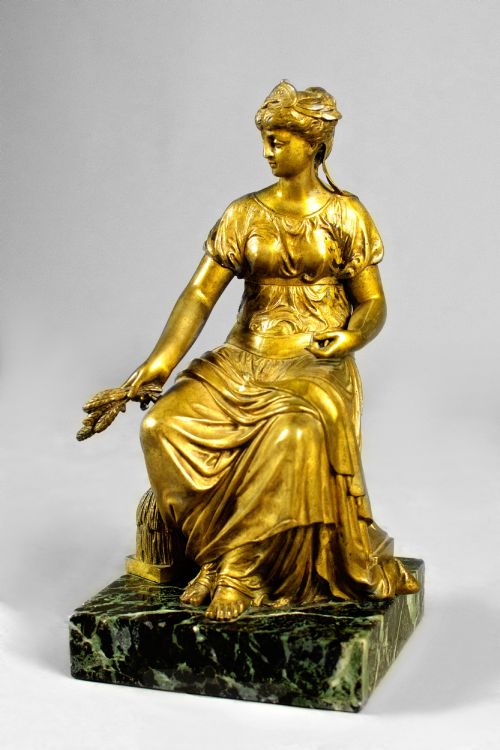
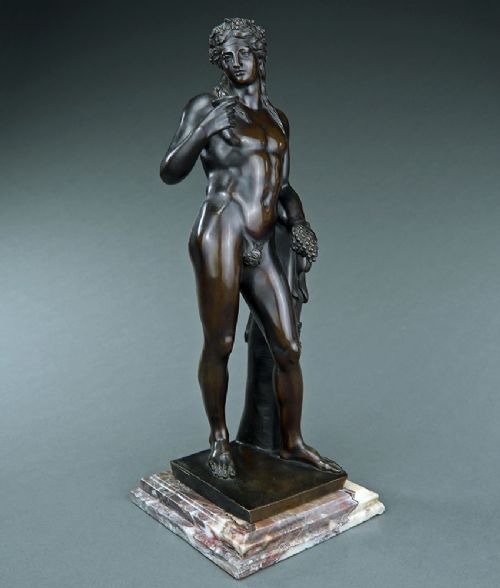
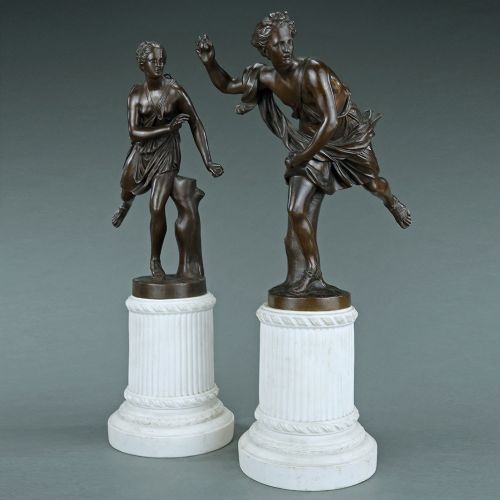
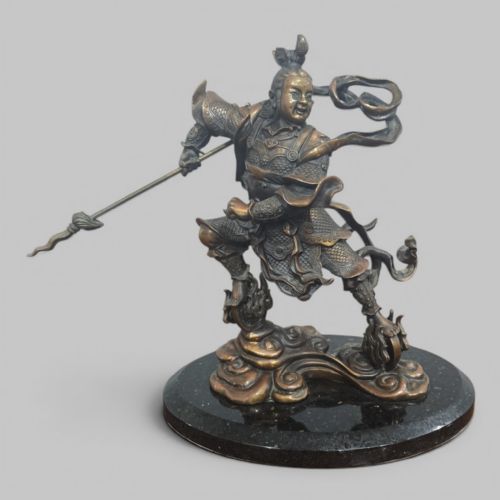
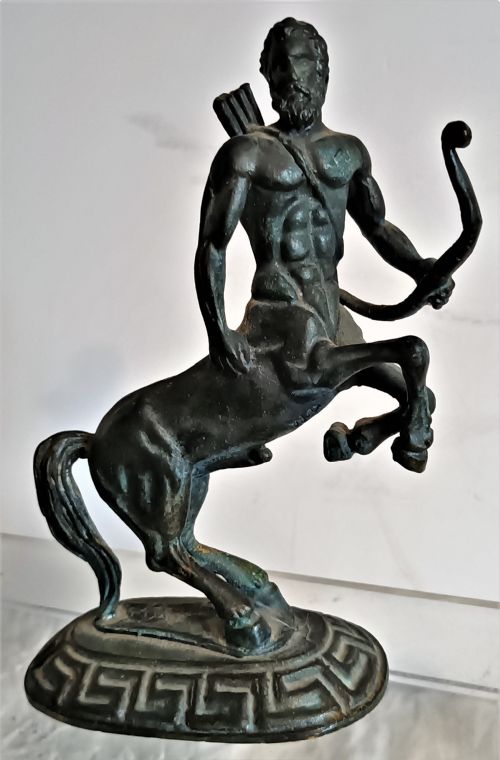
A mythological bronze sculpture typically depicts deities, satyrs, and heroes drawn from classical narratives, taking the form of cabinet bronzes, table lamps, and wall reliefs. These pieces span the eighteenth, nineteenth, and early twentieth centuries, with a strong representation of nineteenth-century French and Italian foundry work.
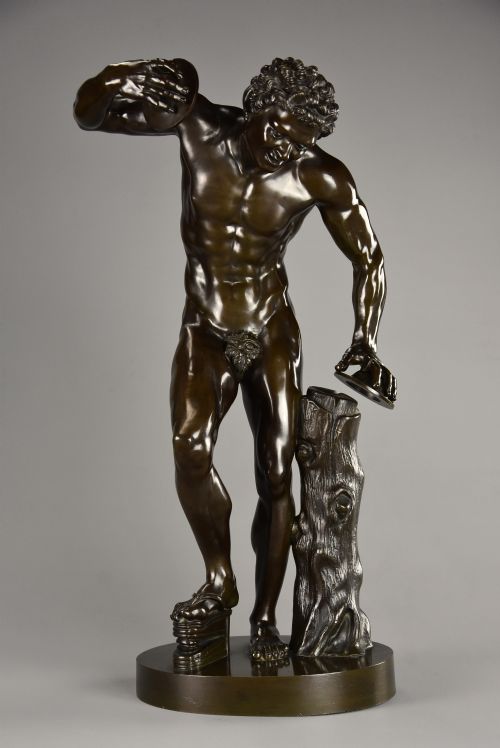
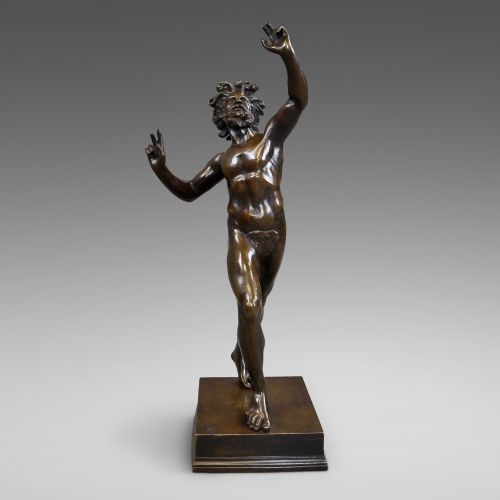
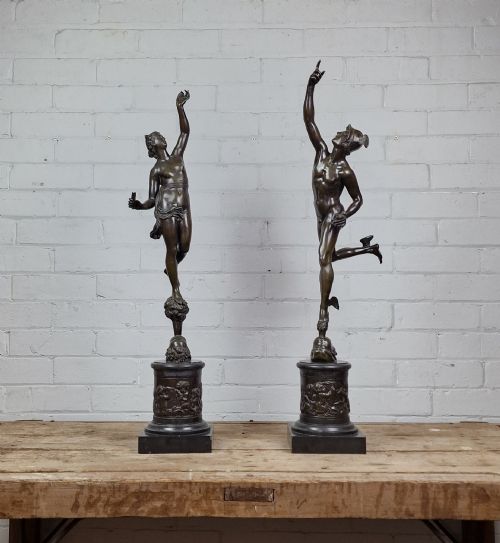
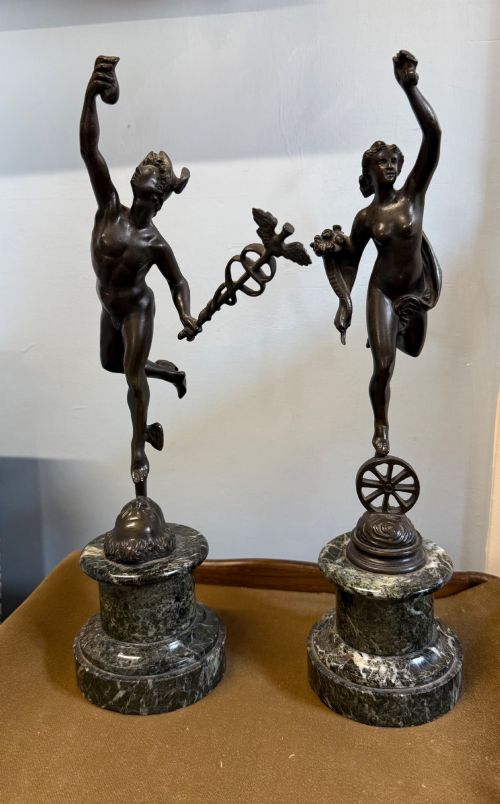
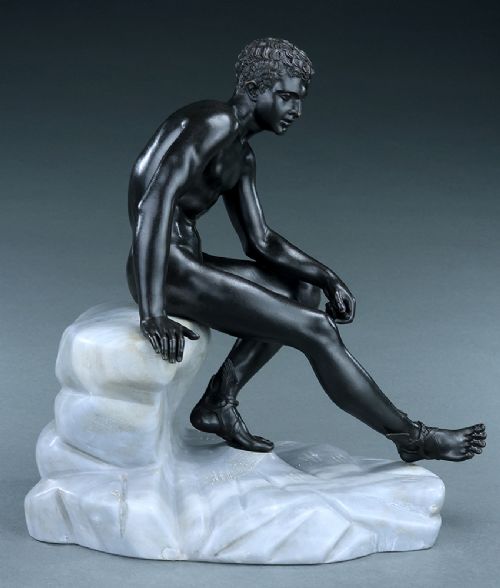
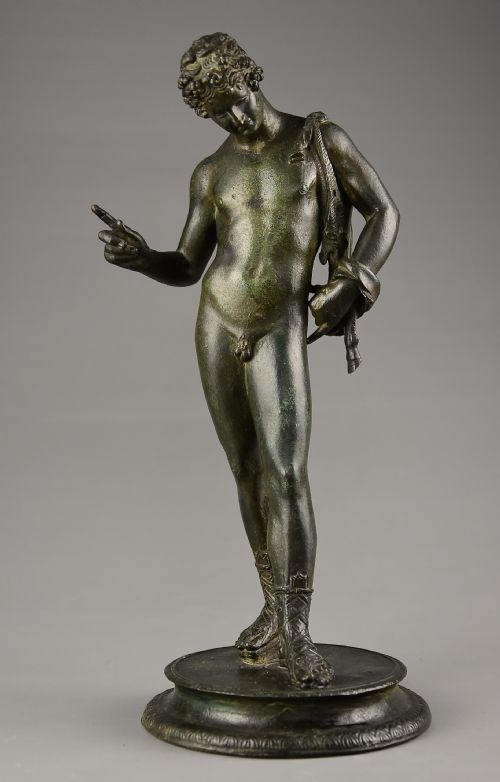
Grand Tour souvenirs from Italy form a distinct category within these listings, offering small-scale reductions of famous statues found in museums and archaeological sites. Figures such as the Dancing Faun, Narcissus, and Mercury appear frequently, often mounted on marble bases.
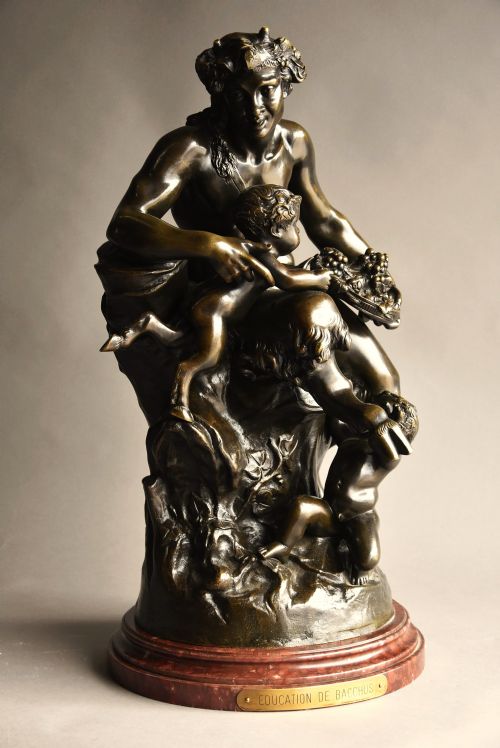
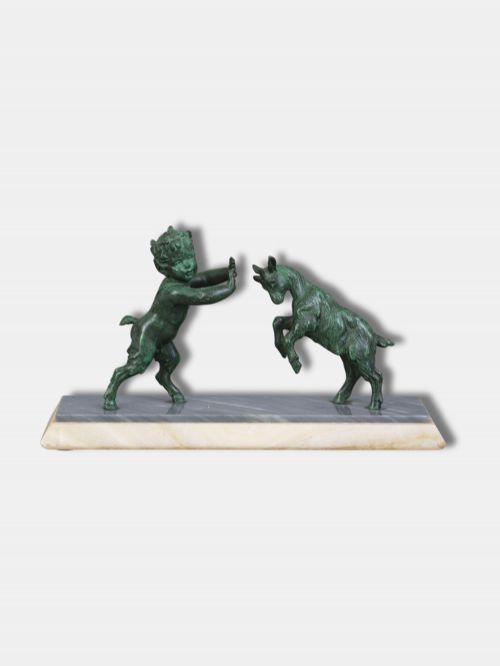
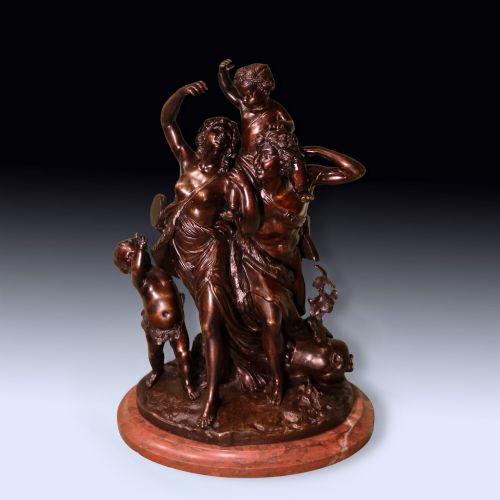
Larger foundry casts after renowned sculptors like Giambologna and Clodion also populate the selection, alongside Art Nouveau and Art Deco interpretations of mythological themes. These heavier groups depict complex multi-figure scenes including the abduction of the Sabines or satyrs with fauns.
Materials and casting
Foundries utilised traditional lost-wax or sand-casting methods to produce these bronzes, achieving fine detail in hair, drapery, and musculature. Artisans then applied chemical patination, ranging from deep black and dark green to warm brown tones, to simulate ancient buried metal or enhance sculptural depth.
Many figures are mounted upon integral or separate plinths made of white, grey, or veined marble, providing both visual weight and physical stability. Secondary elements occasionally incorporate patinated copper, brass, wood, or fabric shades in the case of figural lamps.
Mythological Bronze Sculpture Retail Price Guide 2026
Typical asking prices for mythological bronze sculpture among the pieces listed under this phrase on Sellingantiques today, from the lower quarter to the upper quarter. They describe what is for sale here now, not the wider market.
Several small satyrs and fauns cheerfully clutch grapes, pipes, and goats across the centuries.
Cast quality and finish
The depth and consistency of the patination contribute significantly to the visual success of the piece, with uneven or muddy chemical applications diminishing the tactile appeal. Furthermore, the quality of the marble base and the tightness of the mounting pins reveal the original cost and ambition of the work.
Barbedienne·Emile Carlier·Auguste Moreau·Albert Hussmann·Pierre Le Faguays
The Mythological Bronze Sculpture Glossary
- Grand Tour
- A nineteenth-century travel tradition where wealthy collectors acquired bronze souvenirs of classical antiquities in Italy. These small-scale reductions served as tangible proof of classical education and continental travel.
- Patination
- The chemical treatment applied to the surface of bronze to alter its colour and simulate age. Artisans used various acids and heat to produce dark green, brown, or black tones.
- Lost-wax casting
- A historic metalworking method where a wax model is melted out of a ceramic mould and replaced with molten bronze. This technique allows for complex undercuts and intricate surface details.
- Chasing
- The process of hand-finishing a raw bronze cast using chisels and punches. This stage removes casting flaws and sharpens surface textures.
- Cabinet bronze
- A small sculptural bronze designed for close inspection on a desk, shelf, or cabinet. These domestic pieces brought classical subjects into private nineteenth-century rooms.
Mythological Bronze Sculpture: Frequently Asked Questions
What is a Grand Tour bronze?
A Grand Tour bronze is a nineteenth-century souvenir cast in Italy, reproducing famous classical sculptures seen by travellers on their European journeys.
These reductions allowed collectors to display museum masterpieces within their own homes on smaller scales, often mounted on marble plinths.
How do I care for antique bronze?
Antique bronze requires minimal intervention, needing only occasional dusting with a soft, dry brush to prevent particulate accumulation.
Avoid using liquid cleaners, polishes, or abrasive cloths, as these substances can strip the original chemical patination and damage the metal.
Are these figures solid bronze?
Many nineteenth-century cabinet figures were cast hollow using the sand-casting or lost-wax method to save metal and reduce weight.
Hollow casting is standard practice for sculptural bronzes of this scale and does not indicate a lesser quality piece.
Why are marble bases used?
Marble bases provide necessary weight and stability for slender or dynamic figures that might otherwise tip over easily.
They also offer a formal architectural framing device that separates the sculptural subject from the furniture surface it rests upon.