



Multicoloured Wool Bag
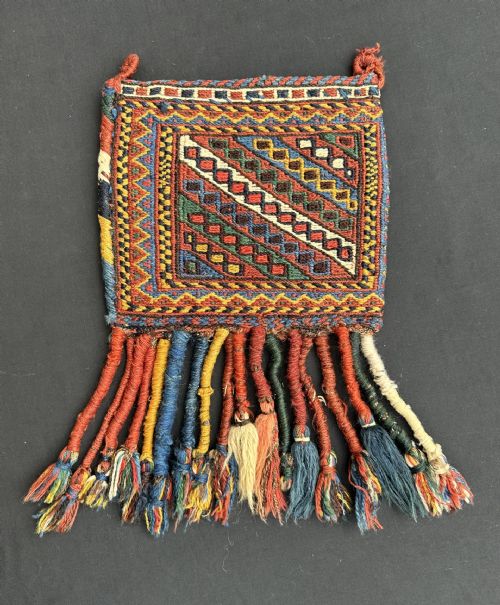
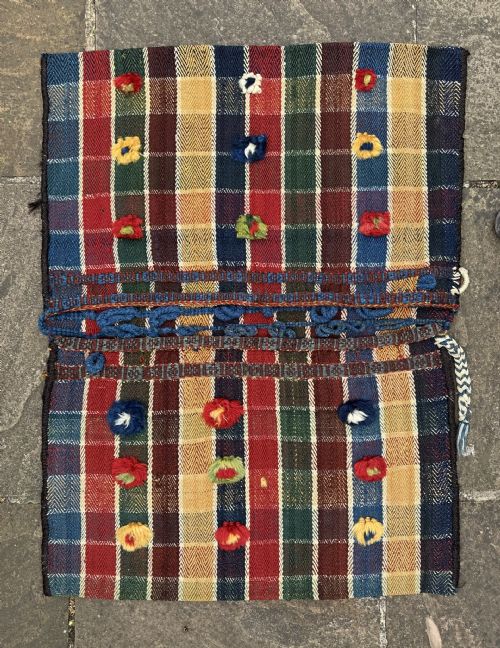
These multicoloured wool bag examples are tribal storage pouches and hanging textiles woven across Persia and Central Asia.
Multicoloured Wool Bag
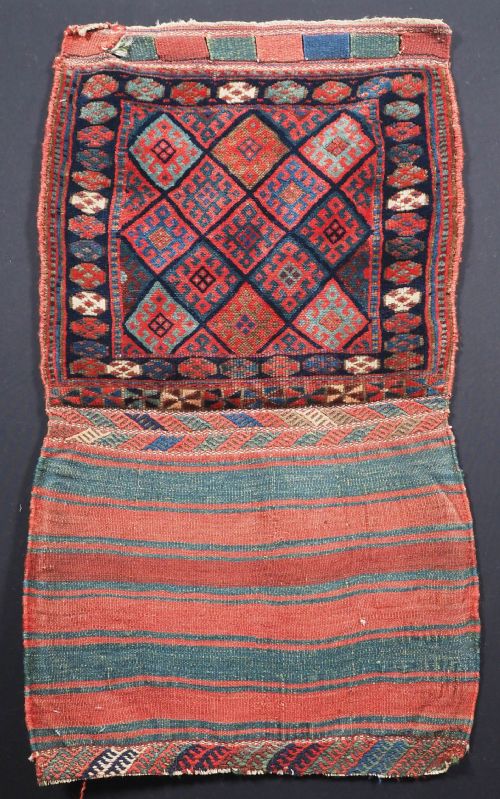
When you search for a multicoloured wool bag, you encounter utilitarian tribal items originating from nineteenth and early twentieth-century nomadic groups such as the Qashqa'i, Afshar, Shahsevan, Jaf Kurd, and Lakai Uzbek tribes. These pieces functioned as practical containers for salt, vanity items, water-pipes, spoons, or larger bedding storage known as mafrash and torba ilgich.
The objects span from the 1880s through the 1910s, reflecting diverse regional weaving traditions across Persia and Central Asia. You find smaller portable pouches alongside complete storage bags featuring flatweave backs and pile-woven faces.
Tribal textiles on this page range from specific confederacy work to regional tribal subsections, demonstrating the functional craft of nomadic daily life. Each piece carries the distinct structural design of its specific maker group.
How they were made
Weavers utilised hand-spun wool dyed with natural substances, supplemented by cotton, silk, and occasionally cowrie shells for ornamentation. The combination of pile weaving and plain weave structures provided both durability and decorative surface pattern.
Nomadic artisans constructed these bags using traditional upright looms set up in camps and settlements. The integration of wool and supplementary materials formed dense, resilient textiles intended for heavy daily use during migration.
Current listings feature pieces dated between 1880 and 1910, originating from Persian and Central Asian tribal groups.
What varies in quality
The distinction between standard and superior pieces rests on the precision of the tribal patterning, the richness of the natural dyes, and the integrity of the weave. Tighter knotting and well-preserved plain weave backs indicate higher craftsmanship.
Condition and completeness also define the grade of the textile, particularly when original backing materials and embellishments remain intact. The clarity of regional attribution enhances the significance of individual pouches.
The Multicoloured Wool Bag Glossary
- Mafrash
- A large rectangular storage bag used by nomadic tribes for bedding and household goods. These pieces are often encountered as complete examples or individual panels.
- Torba ilgich
- A hanging storage bag originating from Central Asian traditions, particularly associated with the Lakai Uzbek tribes. They served specific domestic functions within the yurt or tent.
- Plain weave
- A fundamental textile structure where warp and weft threads cross over and under each other without creating pile. This technique often forms the durable back panels of nomadic bags.
- Natural dyes
- Colourants derived from plant, insect, and mineral sources prior to the widespread adoption of synthetic alternatives. Their varied uptake creates the subtle shifts in hue seen across older textiles.
- Pile weave
- A technique where individual yarn loops are knotted onto the warp threads to create a textured surface. This method forms the patterned face of many tribal bags.
Multicoloured Wool Bag: Frequently Asked Questions
What were tribal bags used for?
Nomadic communities utilised these bags to store salt, vanity items, spoons, and water-pipes during seasonal migrations. Larger versions held bedding and household goods inside tents.
Their practical construction allowed them to withstand the rigours of camp life while serving as decorative elements within the domestic space.
How do I care for a wool bag?
Keep textile pieces away from direct sunlight to prevent natural dye fading. Gentle vacuuming with a mesh screen protects the wool and prevents fibre degradation.
Avoid hanging heavy items inside antique pouches, as the historical fabric and stitching are sensitive to sustained weight.
How can I tell tribal groups apart?
Tribal attribution relies on distinctive structural designs, colour palettes, and knotting techniques specific to regions like Fars Province, Kerman, or Uzbekistan. Qashqa'i work differs visibly in motif from Shahsevan or Lakai Uzbek weaving.
Examining the weave density and back panel construction provides further clues to the originating confederacy.
What is a plain weave back?
The plain weave back refers to the flat, un-knotted reverse side of a tribal bag. This construction reduced weight and provided flexibility while the bag hung against tent poles or pack animals.
Well-preserved plain weave backs are a notable feature valued by collectors of nineteenth-century nomadic textiles.