





Multicolour Rug Runner
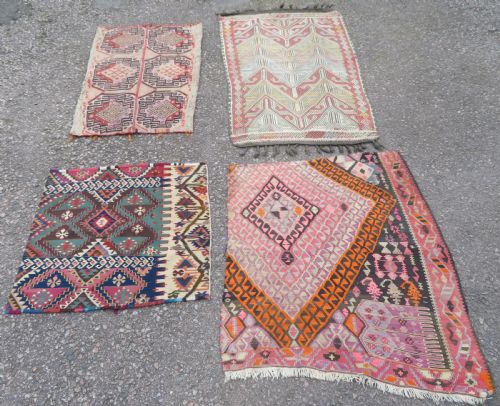
A multicolour antique rug runner brings bold tribal geometry and rich wool pile into narrow hallways and long spaces.
Multicolour Rug Runner
A multicolour antique rug runner typically takes the form of a long, narrow floor covering originating from tribal and village traditions across the Caucasus, Persia, Anatolia, and Central Asia. These pieces serve to warm timber corridors and define elongated spaces with distinct geometric motifs and repeating patterns.
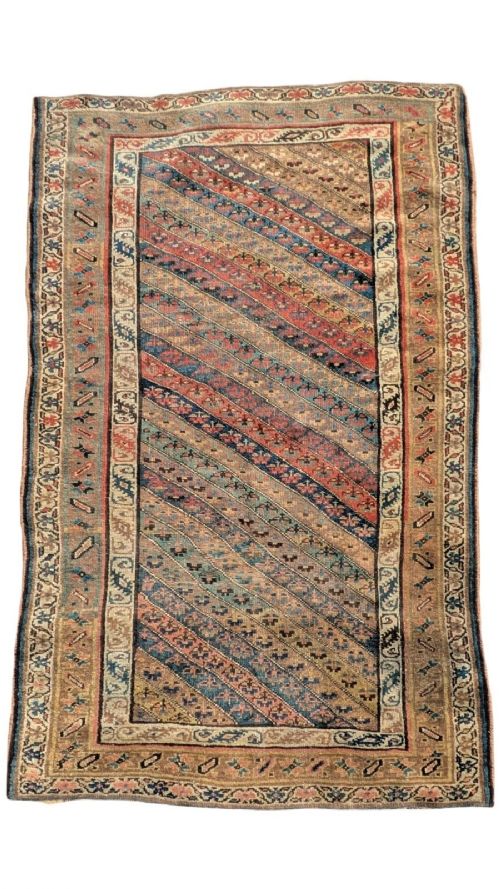
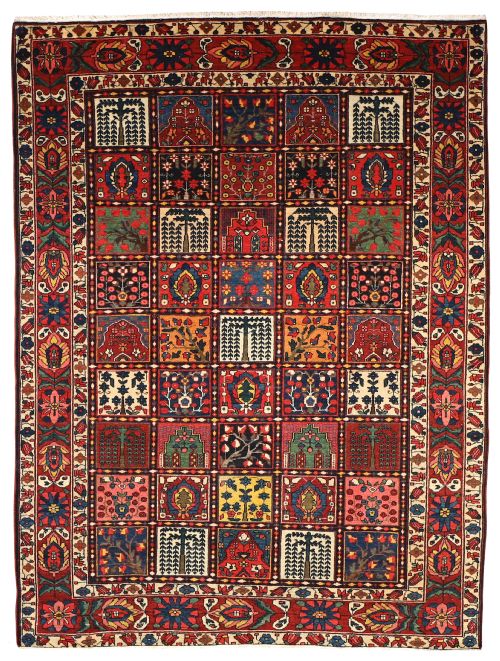
The selection here encompasses Caucasian, Persian tribal, Anatolian tribal, and Central Asian styles, spanning periods from the mid-nineteenth century through the early twentieth century. Buyers encounter narrow formats featuring repeat medallion, latch hook, and diagonal stripe designs woven by specific regional groups.
Village and nomadic weavers constructed these runners using traditional floor looms, resulting in durable textiles designed for practical daily use. The formats range from flatwoven kilims to pile carpets, reflecting the diverse heritage of tribal workshops.
How they were made
Weavers relied principally on wool, cotton, and silk, employing wool for durable surface piles and structural foundations, while cotton and occasional silk provided stability and fine detail. These natural fibres were spun by hand and dyed using traditional methods to achieve lasting chromatic depth.
Production methods alternated between knotted pile construction and flatweaving techniques such as kilim construction, where the weft threads are tightly packed to create crisp geometric boundaries. Many regional pieces, including Turkish and Central Asian examples, utilised specialised slit-weave methods or robust double-part assembly.
Multicolour Rug Runner Retail Price Guide 2026
Typical asking prices for multicolour rug runner among the pieces listed under this phrase on Sellingantiques today, from the lower quarter to the upper quarter. They describe what is for sale here now, not the wider market.
Some nineteenth-century weavers split their kilims down the middle just to sew them back together with spirited irregular tension.
What varies in quality
Quality in these textiles rests upon the precision of the weave and the crispness of the graphic design, where tighter knotting and finer wool yield sharper geometric outlines. Pieces displaying unusual repeat patterns, such as banded designs or scarce striped boteh layouts, demonstrate superior artistic ambition from the weaver.
The integrity of the material foundation and the retention of strong, saturated natural colours distinguish finer examples from standard production. Structural balance across long narrow dimensions ensures the runner lies flat and withstands foot traffic.
The Multicolour Rug Runner Glossary
- Kilim
- A flatwoven textile produced without a pile by tightly interweaving warp and weft strands. This technique creates a smooth, reversible fabric often decorated with bold geometric motifs.
- Runner
- A long, narrow carpet format specifically proportioned for corridors, hallways, and staircases. These pieces balance length with restricted width.
- Medallion
- A central ornamental design motif placed symmetrically within the field of the rug. It frequently employs geometric or latch-hook outlines.
- Boteh
- A traditional teardrop or paisley-like motif representing a floral shoot or cypress tree. It appears frequently in repeat patterns across Caucasian and Persian weaving.
- Warp
- The stationary vertical threads stretched tightly on a loom that form the foundational skeleton of the rug. Wefts and knots are built upon this grid.
Multicolour Rug Runner: Frequently Asked Questions
Where should I place a long runner?
These narrow formats suit hallways, corridors, and bedside areas where floor space is restricted. Their elongated proportions guide the eye and protect high-traffic floorboards.
Ensure you measure the corridor width and allow clear margins of exposed wood on either side for the best visual balance.
How do I care for antique wool runners?
Vacuum gently using a suction-only attachment without a rotating brush roll to protect the historic wool pile and flatwoven edges. Regular rotation distributes wear evenly across the length of the piece.
Professional specialist cleaning is recommended every few years to remove embedded dust safely without disturbing the natural dyes.
What distinguishes tribal designs from city rugs?
Tribal runners display bold, geometric abstraction, stark colour contrasts, and motifs passed down through nomadic family traditions. These patterns reflect local village environments rather than formal court workshops.
City carpets often feature intricate curvilinear florals, whereas tribal pieces emphasise angular medallions, stripes, and repeating symbols.
Are flatwoven kilims durable enough for hallways?
Flatwoven kilims offer sturdy, low-profile surfaces that withstand frequent foot traffic when paired with a suitable underlay. Their lack of pile makes them easy to maintain in narrow spaces.
Ensure a quality non-slip rug pad is placed underneath to prevent shifting and cushion the textile against hard stone or timber floors.