




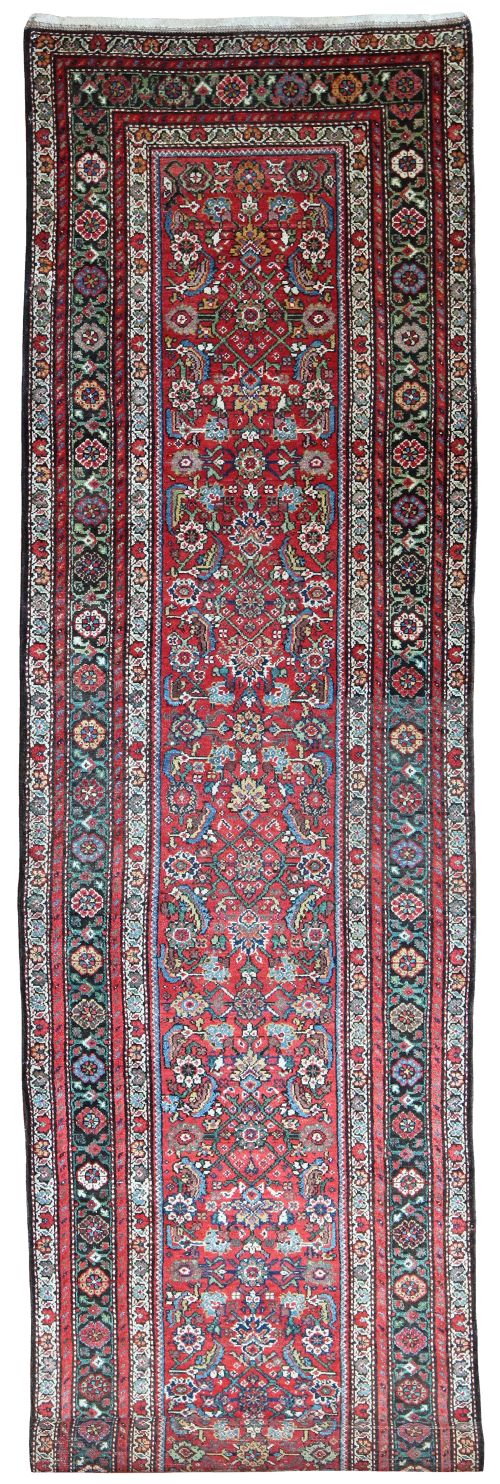
Oriental Passage Rug
An oriental passage rug brings narrow spaces alive with centuries of tribal weaving and geometric design.
Oriental Passage Rug
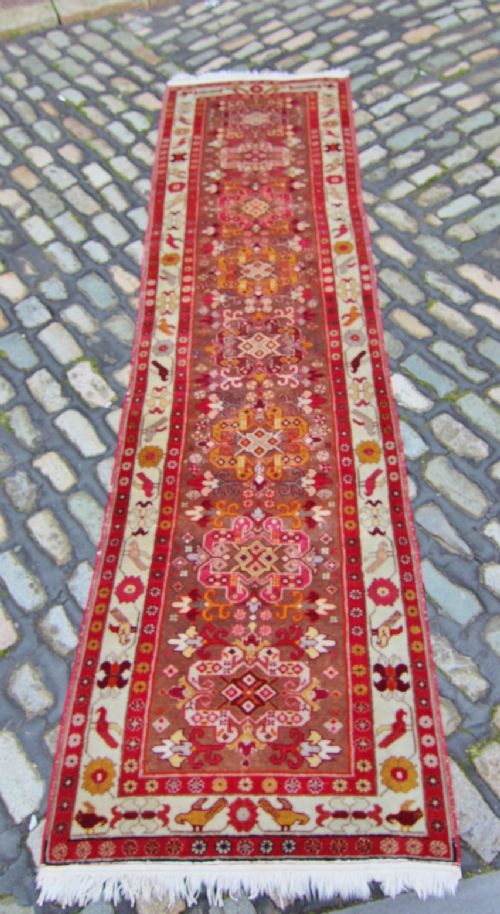
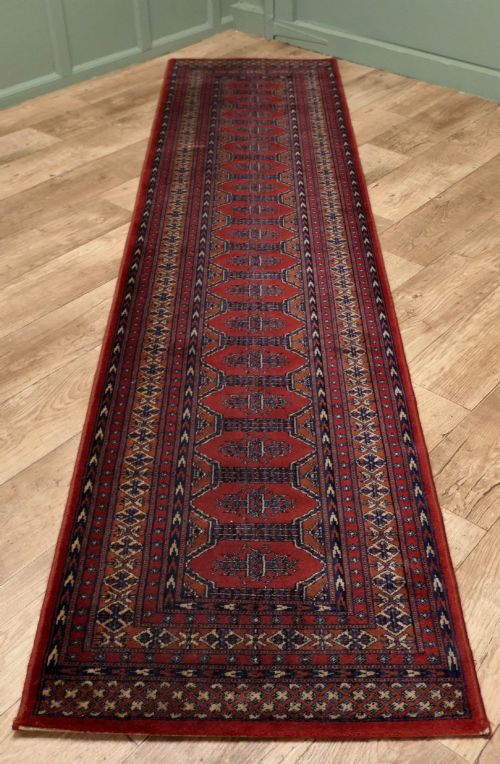
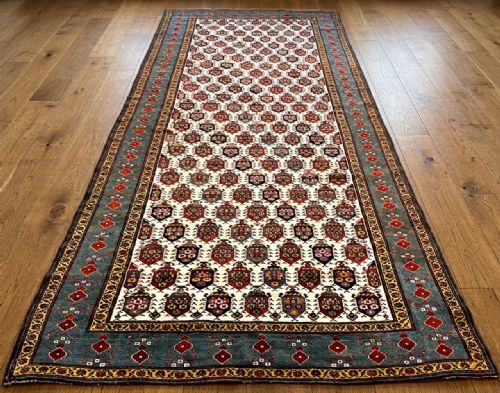
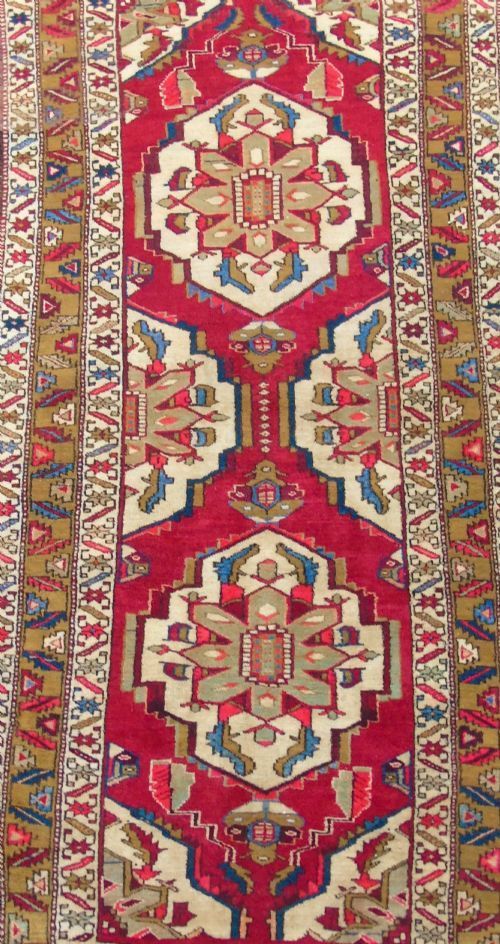
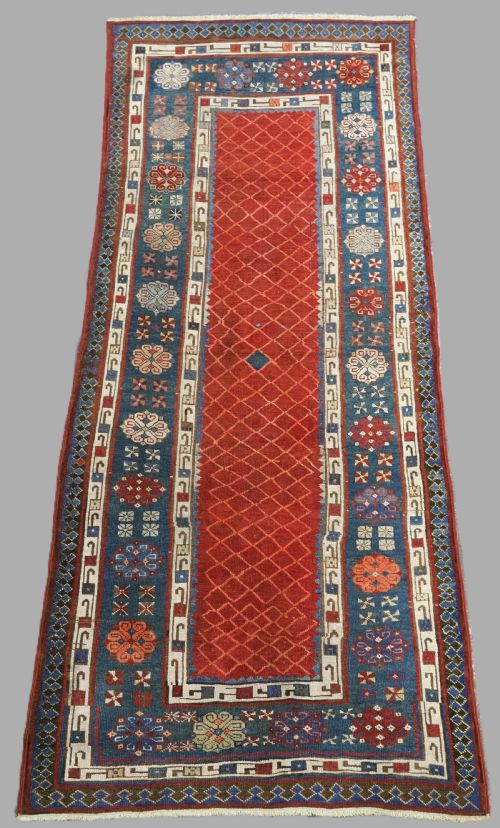
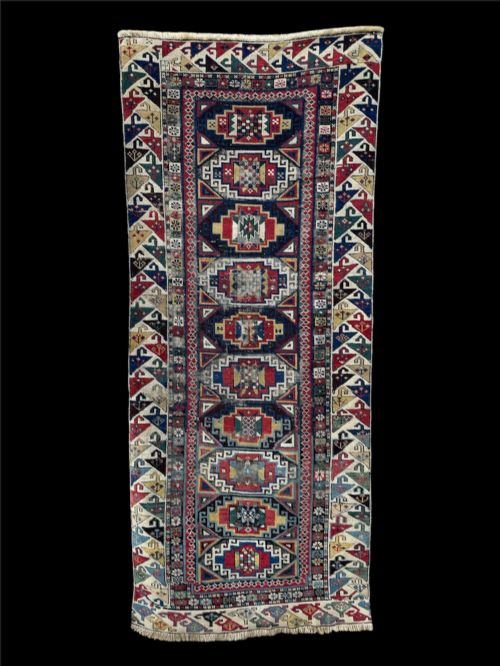
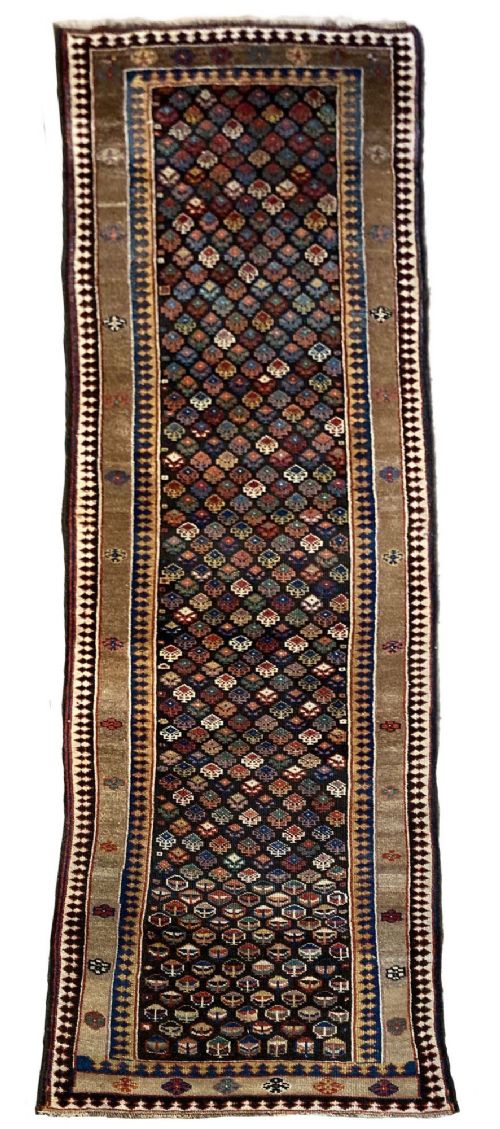
When you search for an oriental passage rug, you are looking at long, narrow floor coverings designed for corridors, hallways, and staircases. The pieces on this page span from the nineteenth century into the early twentieth century, originating primarily from Persian and Caucasian weaving traditions. These textiles bring functional utility to transitional spaces while displaying complex regional motifs.
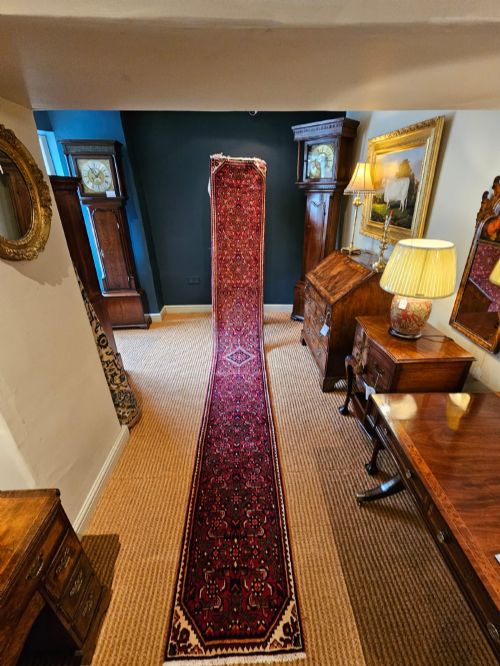
The format is typically elongated, ranging from compact hallway runners to exceptionally long gallery carpets intended for grand corridors. Common regional attributions include Heriz, Kurdish, Talish, Shirvan, and Ferahan, each bringing distinct tribal patterns to the narrow floor format. Buyers meet various widths and lengths tailored for specific architectural passageways.
Materials and construction methods
These floor coverings rely on natural wool for both the pile and the foundation yarns, often combined with cotton for structural stability in specific regional types. The wool provides resilience and rich dye absorption, which allows natural pigments to soften gracefully over decades of use. Hand-knotted construction ensures structural integrity along the elongated dimensions required for heavy foot traffic.
Weavers utilised traditional vertical looms to knot individual tufts by hand, creating dense pile surfaces designed to endure prolonged wear in hallways. Natural dyes extracted from plants and minerals produce the characteristic muted tones and varied palettes seen across Caucasian and Persian examples. The selvages and ends are typically finished by hand to secure the outer edges against fraying.
Oriental Passage Rug Retail Price Guide 2026
Typical asking prices for oriental passage rug among the pieces listed under this phrase on Sellingantiques today, from the lower quarter to the upper quarter. They describe what is for sale here now, not the wider market.
Listings feature pieces dated across the nineteenth and early twentieth centuries, spanning from the 1880s through the 1930s.
Factors that distinguish quality
Quality in these textiles rests upon the density of the knotting and the crispness of the geometric or floral drawing. Finer knots permit more intricate detail in medallions, lattice layouts, and shrub motifs, separating standard village productions from finer workshops. Wool quality also dictates longevity, with lanolin-rich fleece maintaining a softer handle and better resistance to wear.
The integrity of the original dimensions and the retention of complete borders heavily influence the desirability of a runner. Examples that preserve their full length without awkward side-cutting demonstrate superior initial craftsmanship and careful historical preservation. Furthermore, the vibrancy and harmony of the natural dye palette determine the visual success of the piece.
The Oriental Passage Rug Glossary
- Runner
- A long, narrow carpet format specifically proportioned for hallways, corridors, and staircases. This shape directs movement through narrow architectural spaces.
- Pile
- The upright yarn loops that form the usable surface of the textile. Hand-knotted pile provides cushioning and protects the structural foundation underneath.
- Medallion
- A central symmetrical ornamental motif placed in the field of the rug. It serves as the primary focal point of the design composition.
- Boteh
- A recurring teardrop or almond-shaped motif representing a floral shoot or cypress tree. This ancient symbol appears frequently in Persian and Kashmiri textile traditions.
- Selvage
- The reinforced outer edge binding running parallel to the length of the rug. It prevents the side warp threads from unravelling under tension.
Oriental Passage Rug: Frequently Asked Questions
Where should I place a runner?
These long formats suit hallways, corridors, and staircases where foot traffic demands durable floor protection. Their narrow proportions also fit alongside beds or in galley kitchens.
Ensure the dimensions match the passage length while leaving adequate floorboards exposed at the edges for a balanced interior look.
How do I care for wool rugs?
Regular gentle vacuuming without a rotating brush bar prevents dirt from settling deep into the wool pile. Professional cleaning by specialists in antique textiles ensures the natural dyes remain stable.
Keep the piece out of direct, harsh sunlight to protect the natural wool colours from fading unevenly over the years.
How do I identify regional styles?
Caucasian pieces typically feature bold geometric lattices, stark medallions, and bright primary colours. Persian examples often incorporate more intricate curvilinear floral elements, boteh sprays, or structured Heriz patterns.
Examining the knot density, end finishes, and wool characteristics helps attribute the textile to specific weaving groups like Kurdish or Shirvan.