
Mirror with Shelf
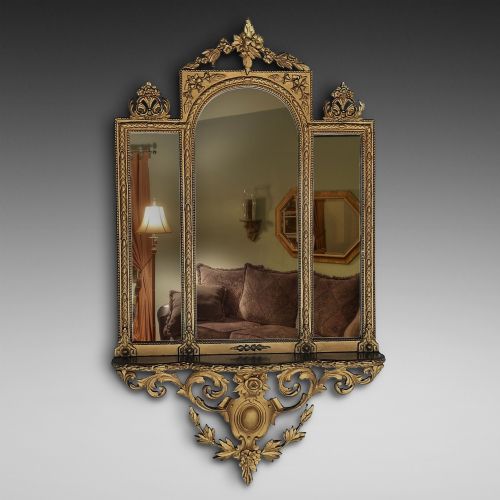
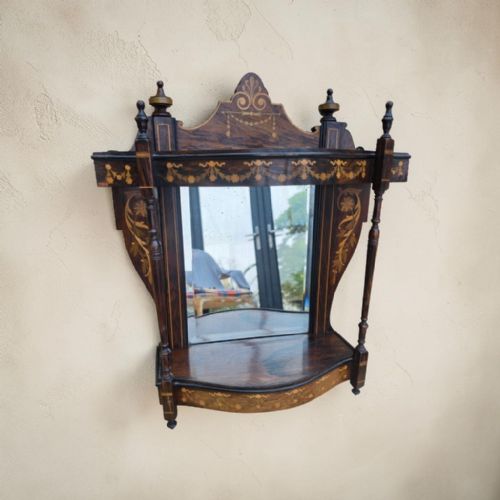
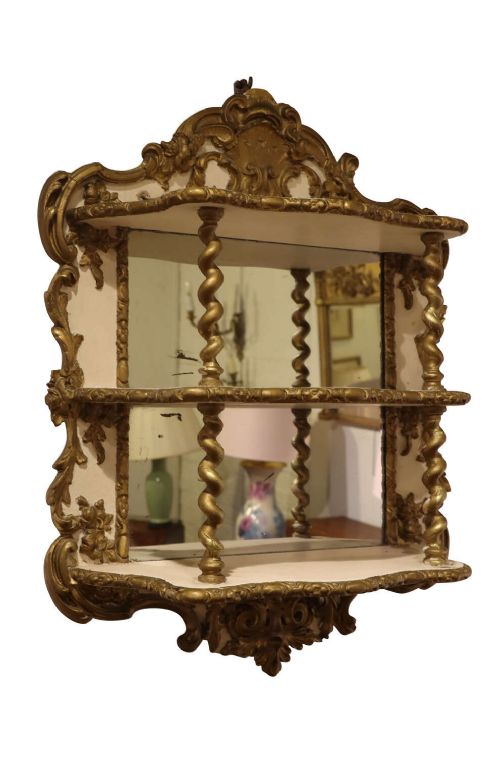
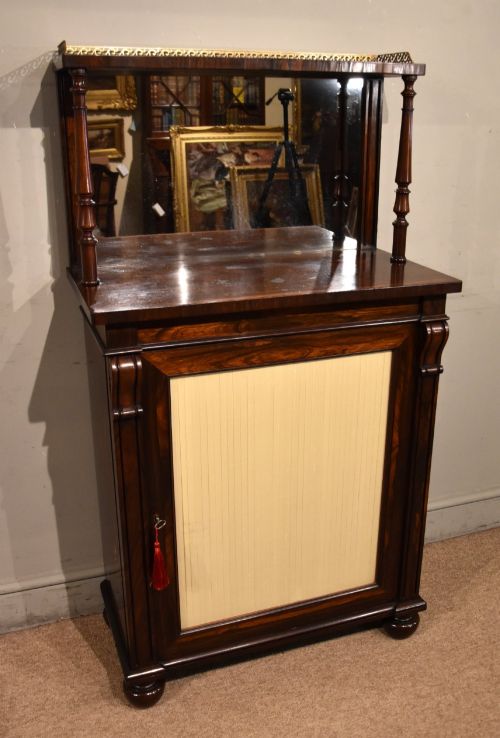
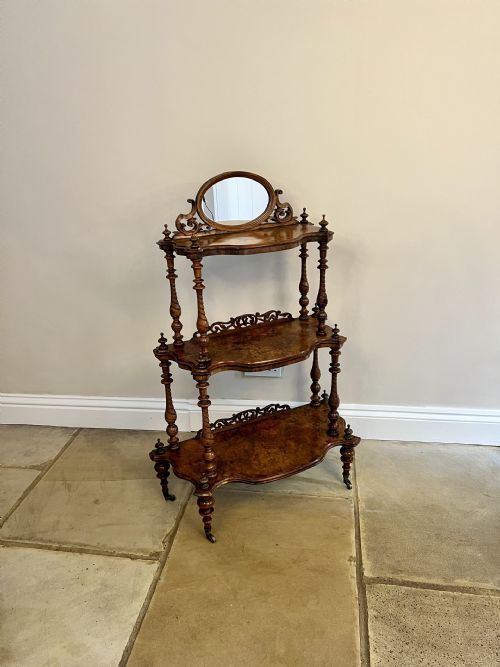
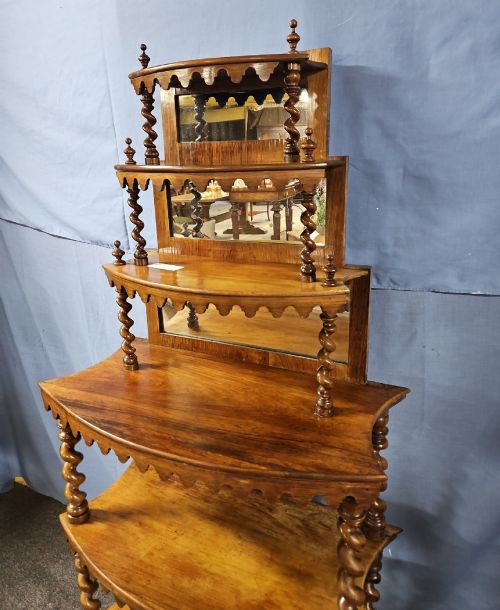
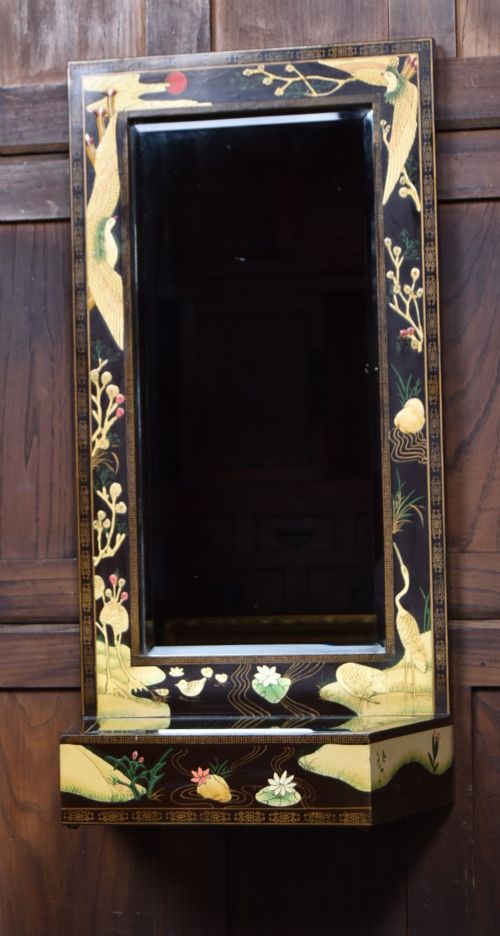
A mirror with shelf combines a reflective glass plate with a practical display ledge, emerging in various period iterations from hallway stands to overmantels.
Mirror with Shelf
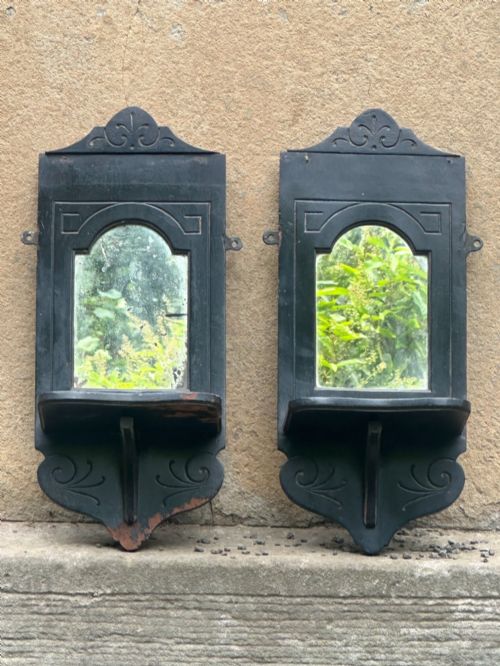
When you search for a mirror with shelf, you encounter pieces designed for practical utility and decorative display, merging reflective glass with a supporting ledge. These functional items appear primarily as wall-mounted hallway mirrors, cloakroom fittings, and overmantel units equipped with brackets or built-in consoles.
The versions most likely to meet you on this page date from the nineteenth and early twentieth centuries. Victorian and Edwardian examples predominate, alongside Art Deco ironwork designs and occasional George IV or William IV pieces.
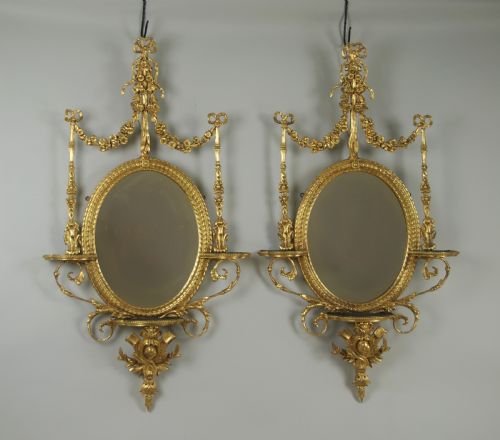
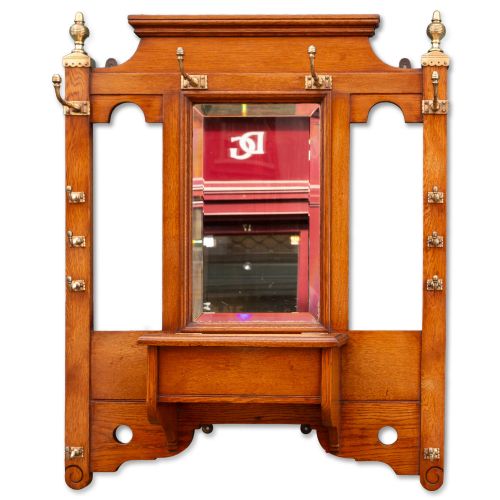
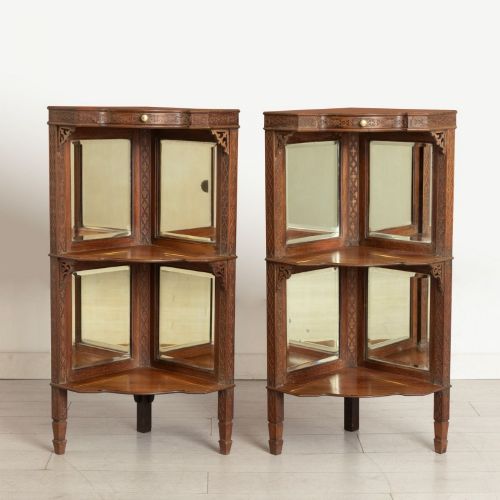
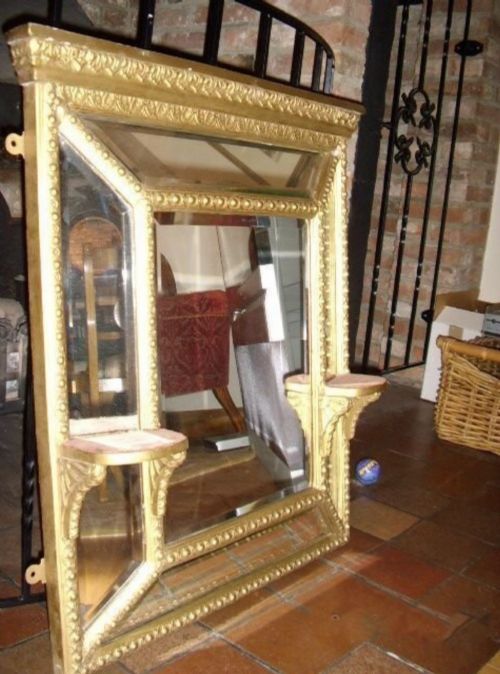
Forms range from compact oak and mahogany hall stands with marble or wooden ledges to large gilt-framed wall mirrors featuring display brackets. Some incorporate coat hooks or umbrella stands, serving as multi-purpose furniture for reception rooms and entrances.
How they were made
Cabinetmakers and joiners constructed these pieces using a variety of timbers including oak, mahogany, walnut, rosewood, and pine. Frames frequently feature decorative treatments such as giltwood, gesso, ebonisation, or inlaid veneers.
Glass plates are set within rebated frames, sometimes with bevel-cut edges or cushion moulding. Metal elements like brass, bronze ormolu, iron, and chrome appear on structural brackets, coat hooks, and vanity mountings.
Several Edwardian hall mirrors explicitly served as a last look station for hats, coats, and final adjustments before stepping out.
What varies in quality
The standard of execution depends on the crispness of carved wooden details, the precision of marquetry inlay, and the retention of original gilding or surface finishes. Superior examples display substantial timber construction and secure bracket joinery capable of supporting weight.
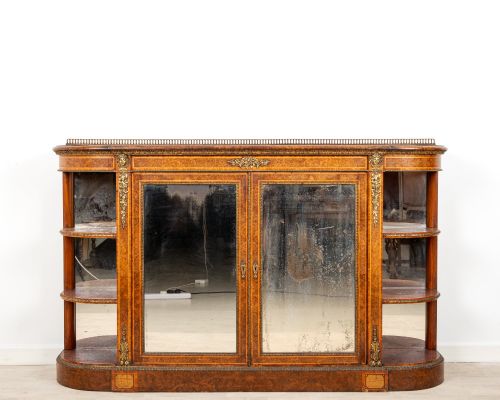
The integrity of the mirror plate contributes significantly to the overall character, with original silvered glass showing appropriate age alongside bevelled edges. Ormolu mounts, brass fittings, and marble display surfaces add distinct tiers of craftsmanship.
Gillows
The Mirror with Shelf Glossary
- Overmantel mirror
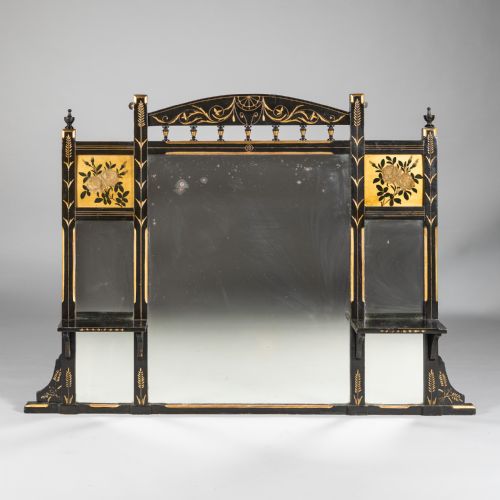
- A large mirror designed to hang specifically above a fireplace mantelpiece. It frequently incorporates a shelf or console base for ornaments.
- Giltwood
- Timber carved and coated with a thin layer of gold leaf or gilt gesso. This finish defines many formal Victorian and neoclassical wall mirrors.
- Credenza
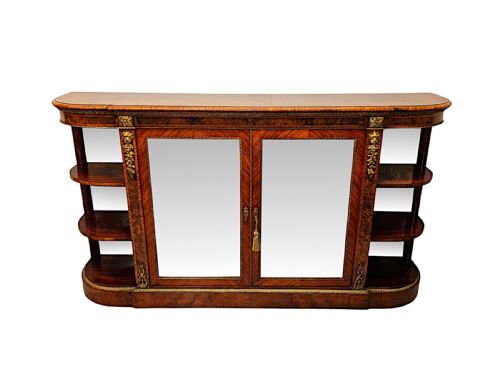
- A sideboard or cabinet featuring mirrored doors and display surfaces. Several variations include superstructure shelves and mirrored backs.
- Chiffonier
- A compact sideboard or cabinet developed during the Georgian and Victorian periods. These often incorporate marble tops, drawers, and upper mirror assemblies.
- Girondole
- An ornate wall mirror featuring attached candle sconces or brackets. They reflect candlelight to illuminate period rooms.
Mirror with Shelf: Frequently Asked Questions
Where were these mirrors used?
These items typically hung in entrance halls, reception rooms, and cloakrooms where occupants needed a last look before leaving the house.
Overmantel versions sat above fireplaces in principal rooms to reflect light and display small decorative objects on their integral ledges.
How do I date a mirror?
Dating relies on stylistic clues, construction methods, and timber choices characteristic of periods like the Victorian, Edwardian, and Art Deco eras.
Examining the backing boards, screw types, and the method of silvering on the glass plate provides further chronological evidence.
Can these hold heavy items?
The weight capacity depends entirely on the construction of the shelf brackets and how securely the frame is fixed to the wall.
Pieces with solid hardwood frames and robust structural ledges support small ornaments, clocks, or daily essentials quite securely.
Are the glass plates original?
Many surviving pieces retain their original glass plates, which often display characteristic foxing, light oxidation, and subtle distortions.
Replacements occur when old glass sustained damage, though period replacements still exhibit traditional bevel cuts and thickness.