
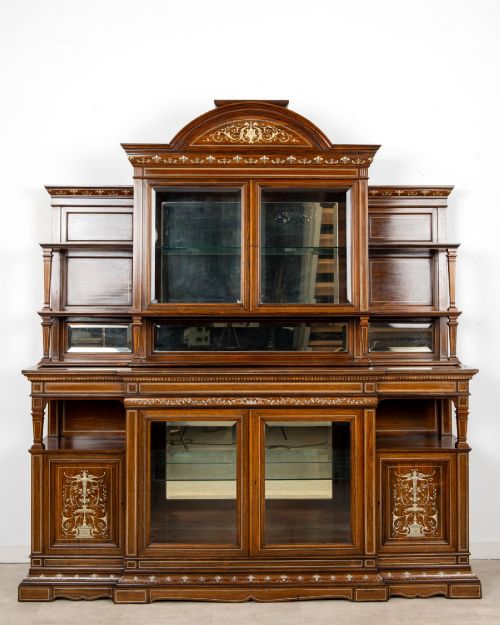
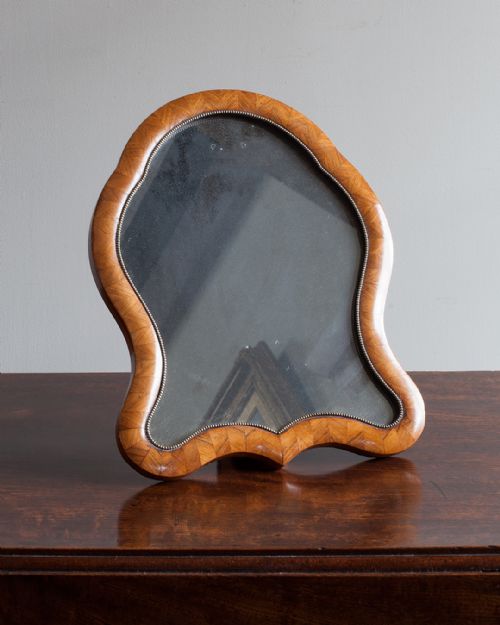
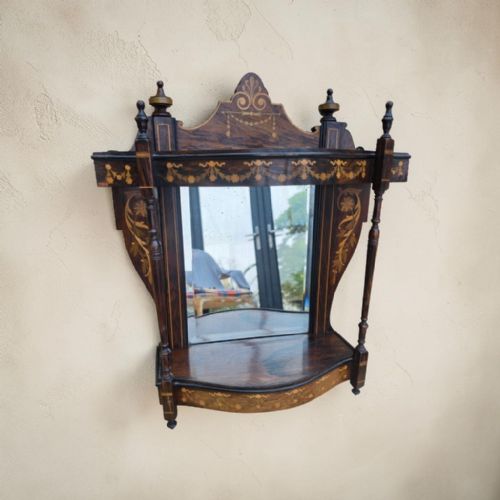
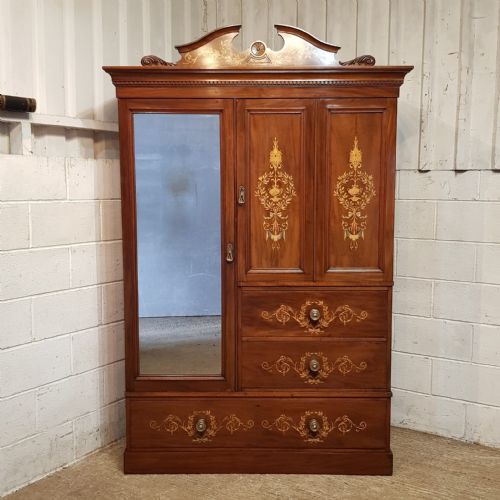
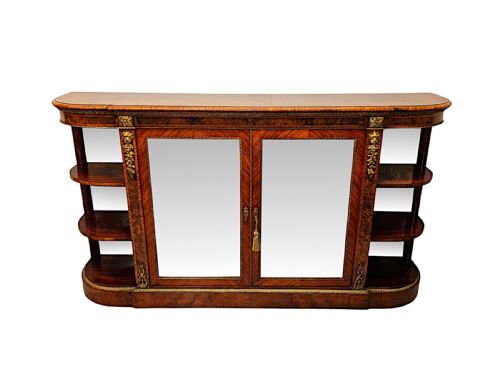
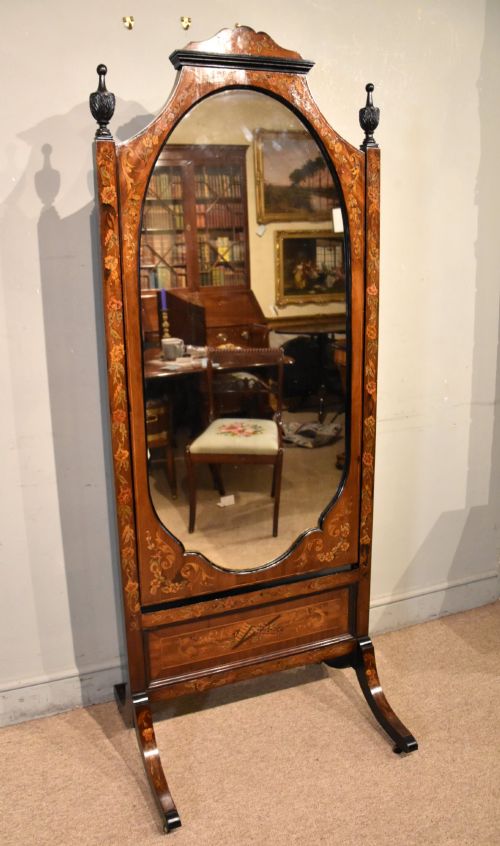
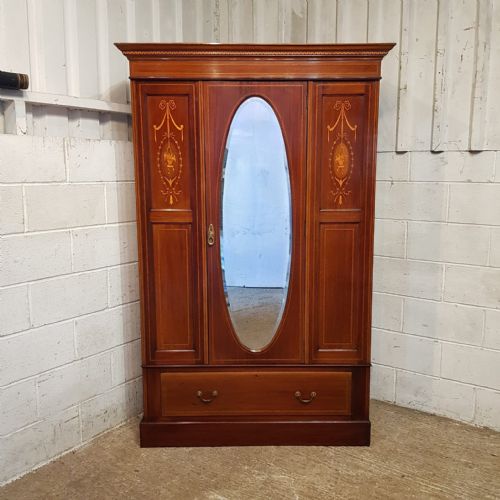
Victorian Marquetry Mirror
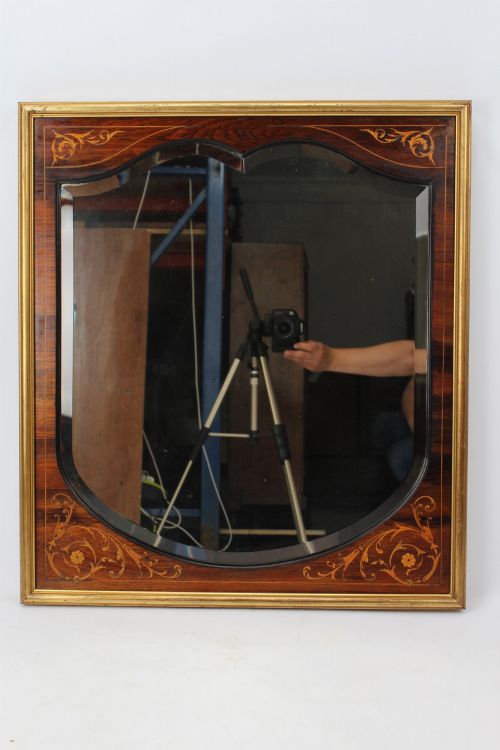
A victorian marquetry mirror brings together contrasting timbers and reflective glass to catch the light in a room.

Victorian Marquetry Mirror
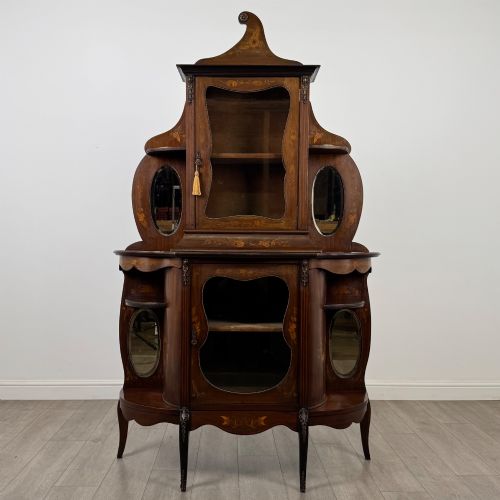
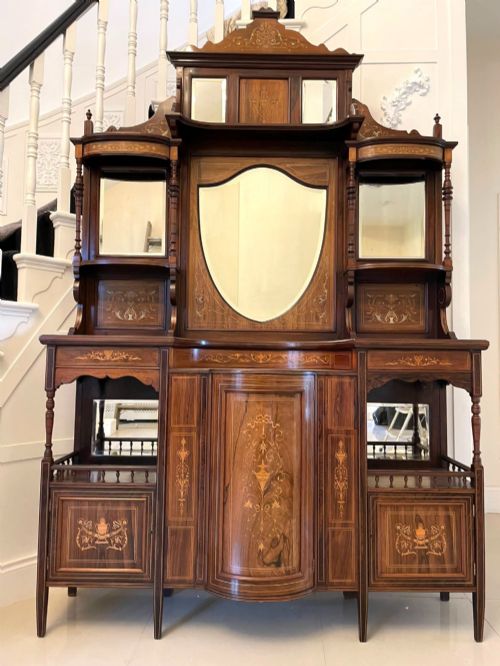
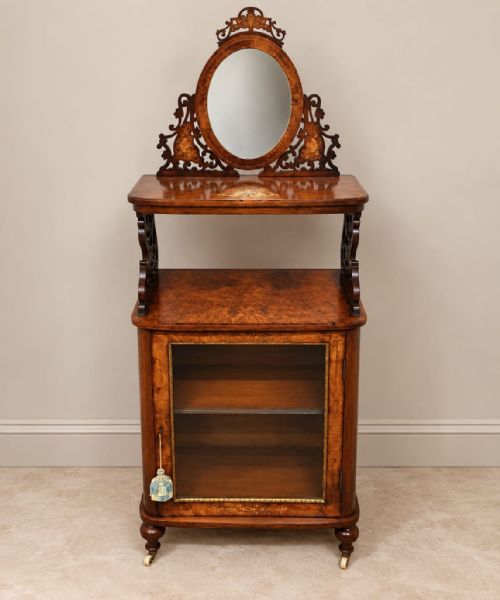
A victorian marquetry mirror appears in domestic spaces as a wall-mounted glass, an overmantle piece, or a cheval glass set within a frame of figured wood.
The pieces on this page span the nineteenth century, including specific dates from eighteen fifty to nineteen hundred, reflecting the tastes of the period.
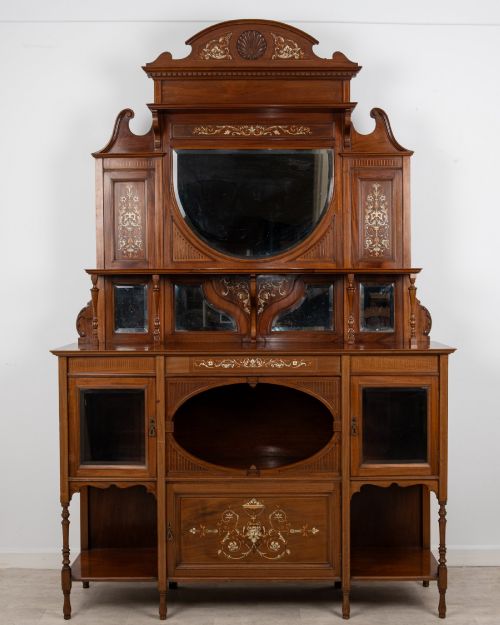
Makers such as Gillows, Maple & Co, and Edwards & Roberts contributed to this tradition, producing fitted furniture alongside these decorative mirrors.
Materials and Technique
Cabinet makers utilised rosewood, walnut, and mahogany as primary timbers, often enhanced by satinwood and sycamore details.
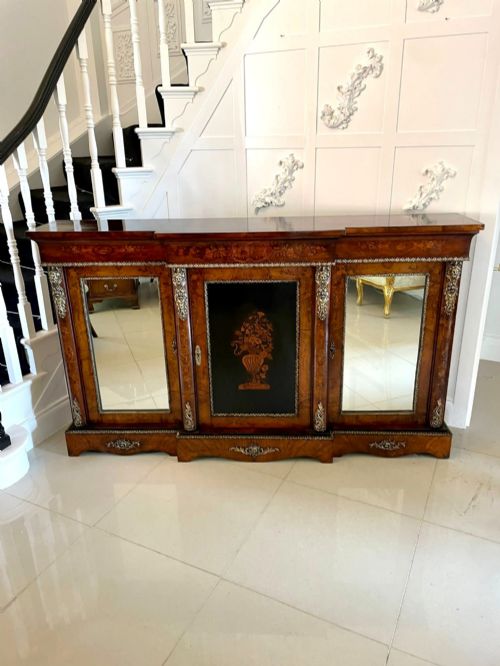
Marquetry panels involve precise cutting and fitting of contrasting veneers into the wood surface to create floral or geometric patterns.
Mounts in ormolu and brass provide structural accents alongside glass mirror plates.
Victorian Marquetry Mirror Retail Price Guide 2026
Typical asking prices for victorian marquetry mirror among the pieces listed under this phrase on Sellingantiques today, from the lower quarter to the upper quarter. They describe what is for sale here now, not the wider market.
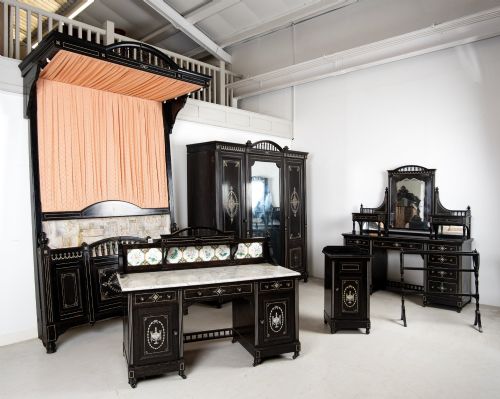
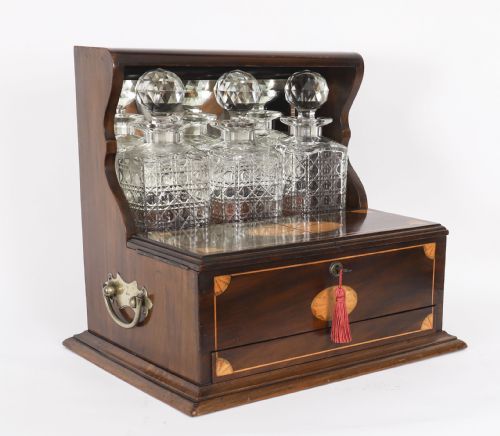
Some nineteenth-century mirrors arrived paired with coal boxes and tantalus sets in unified bedroom suites.
Standards of Craftsmanship
The finesse of the marquetry cutting determines how sharply the floral and geometric motifs contrast against the surrounding timber grain.
The selection of figured woods, such as burr walnut or rosewood, dictates the visual depth of the frame before polishing takes place.
Signatures or stamps from documented workshops separate standard production pieces from those attributed to leading nineteenth-century makers.
Collinson & Lock·Gillows·Maple & Co·Edwards & Roberts
The Victorian Marquetry Mirror Glossary
- Marquetry
- Decorative veneer work forming pictures or patterns by assembling thin pieces of wood. This technique relies on precision to fit different timbers together seamlessly.
- Overmantle mirror
- A large glass designed to hang directly above a fireplace mantelpiece. These frames often match the proportions of Victorian chimney breasts.
- Cheval mirror
- A full-length glass mounted on a swivelling frame between vertical uprights. This form allows the user to adjust the angle of reflection.
- Ormolu
- Gilded bronze applied as decorative mounts to furniture and mirror frames. The material adds metallic contrast to the timber surfaces.
- Burr walnut
- Timber taken from the wart or growth on a walnut tree, yielding complex swirling grain patterns. Cabinet makers prized this wood for high-status surfaces.
Victorian Marquetry Mirror: Frequently Asked Questions
What is a victorian marquetry mirror?
A victorian marquetry mirror is a decorative looking glass framed in wood decorated with fitted veneer patterns. These pieces date from the nineteenth century and reflect the interior design styles of the period.
The frames combine timbers like rosewood or walnut with lighter contrasting woods. They range from small hanging mirrors to large overmantle and cheval designs.
Where were these mirrors placed?
These mirrors were positioned above fireplaces, on principal drawing room walls, or in bedrooms alongside matching furniture suites. Larger examples served to reflect light and expand the sense of space in Victorian rooms.
Overmantle versions sat securely on mantelpieces, while hanging examples utilised wall fixings. Cheval mirrors stood independently on the floor for dressing purposes.
How do I date a mirror?
Dating relies on timber selection, structural joinery, and the style of the marquetry work. Pieces often correspond to specific decades between eighteen fifty and nineteen hundred.
Makers' stamps or labels on the reverse provide definitive chronological markers. Stylistic shifts from early Victorian walnut to late Victorian ebonised finishes also aid identification.
How do I care for the wood?
Maintenance involves keeping the timber away from direct sunlight and moisture fluctuations to protect the veneer. Gentle dusting preserves the polished surface without damaging the fine inlay.
Avoid abrasive cleaners on both the wood and the glass plate. Natural wax applied sparingly helps maintain the lustre of the nineteenth-century polish.