
Inlaid Wooden Mirror
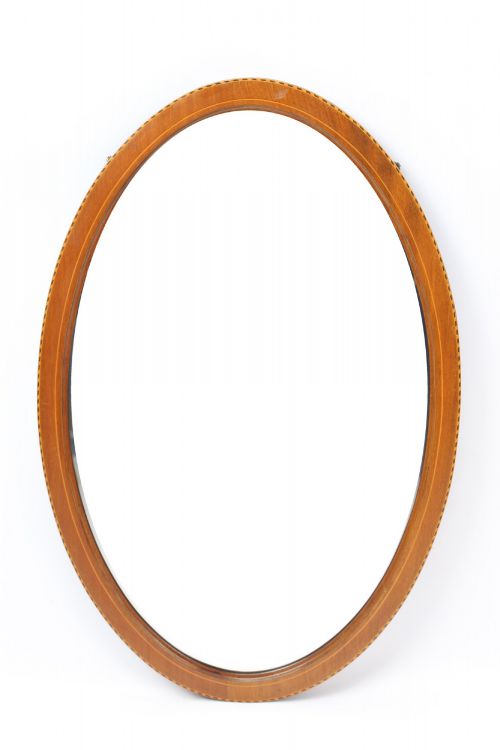
An inlaid wooden mirror brings together contrasting timbers and reflective glass, offering practical depth and refined surface detail to an interior.

Inlaid Wooden Mirror
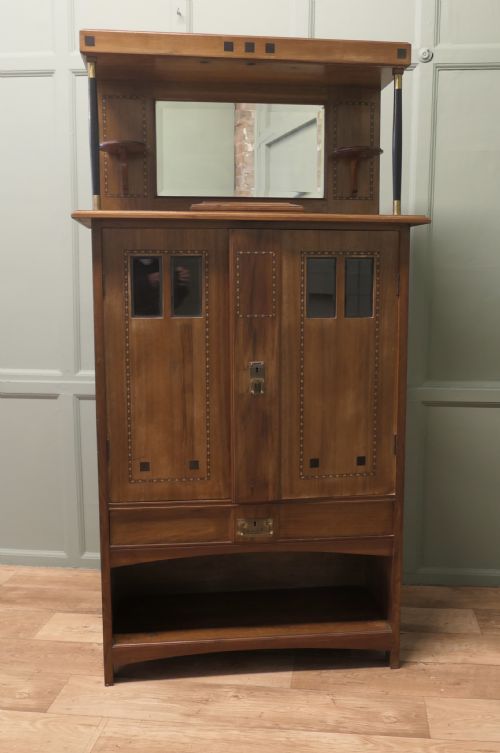
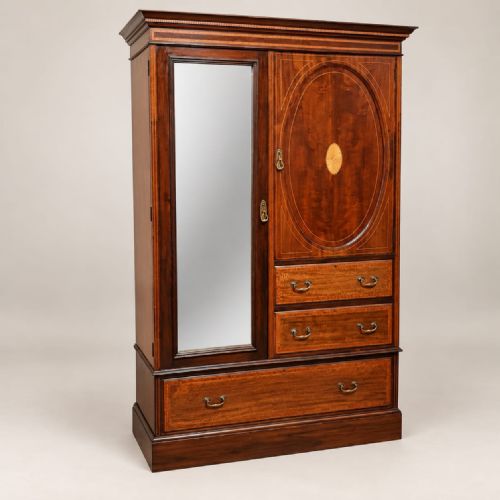
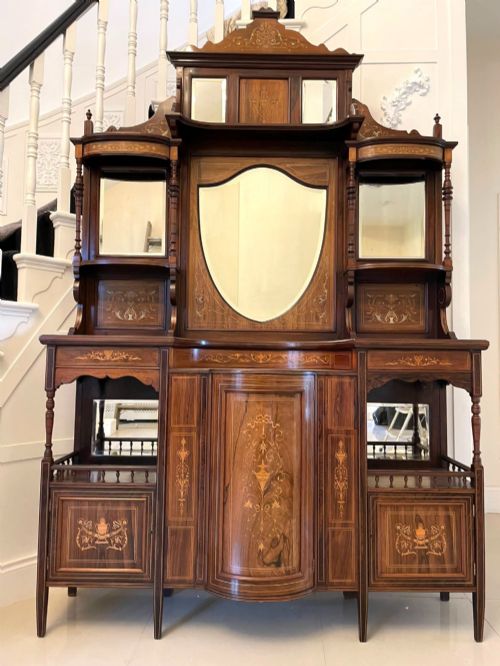
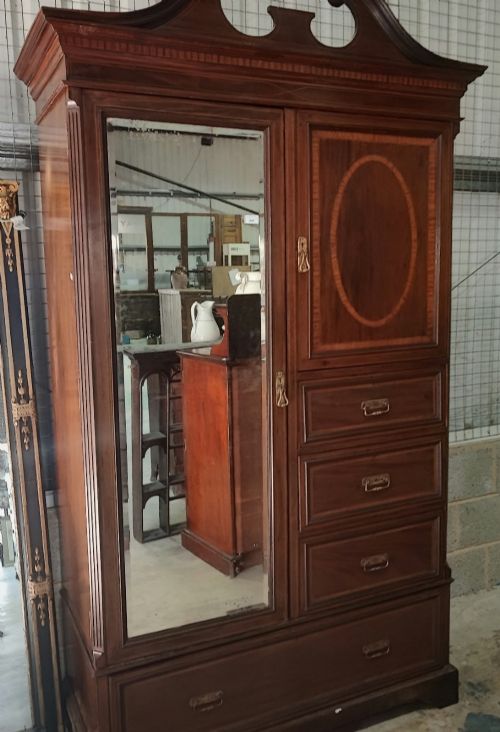
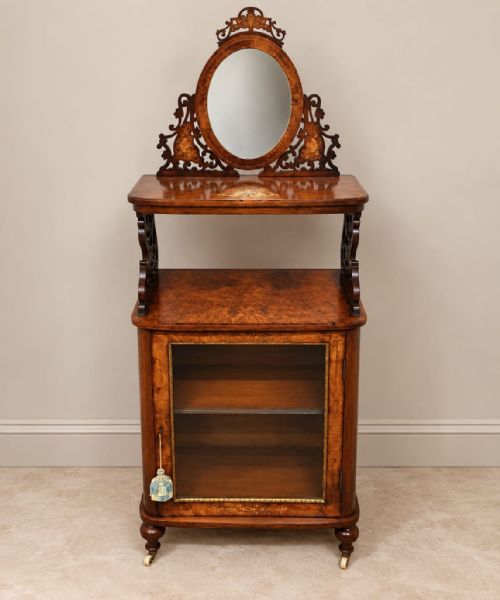
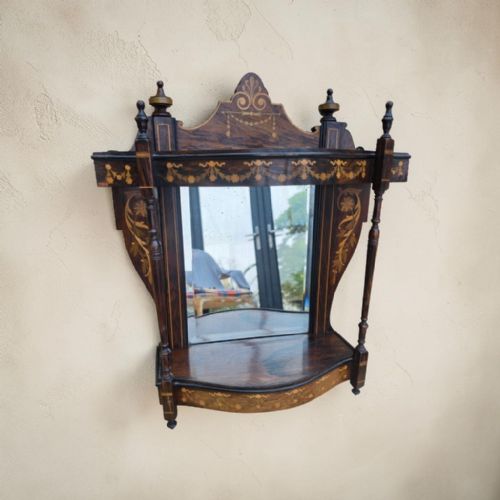
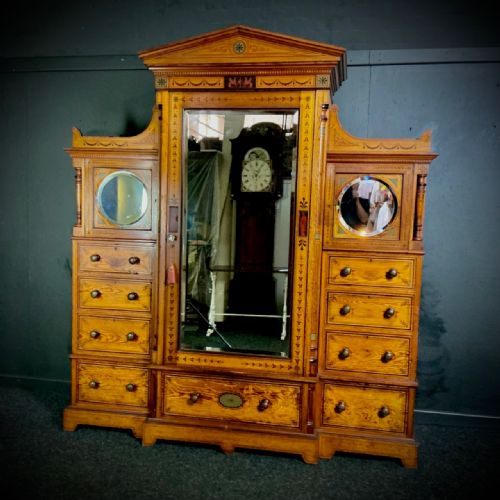
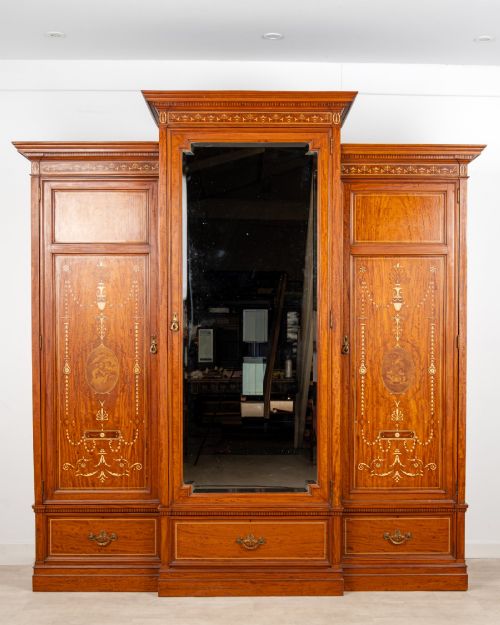
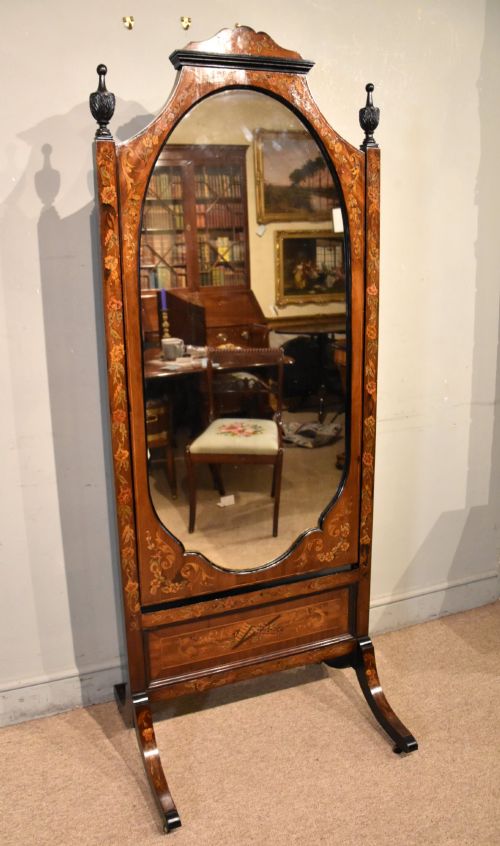
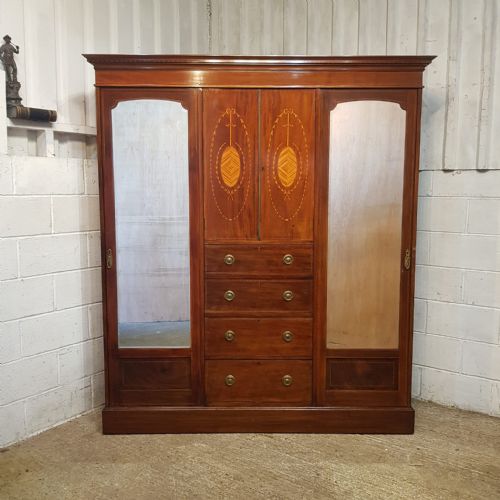
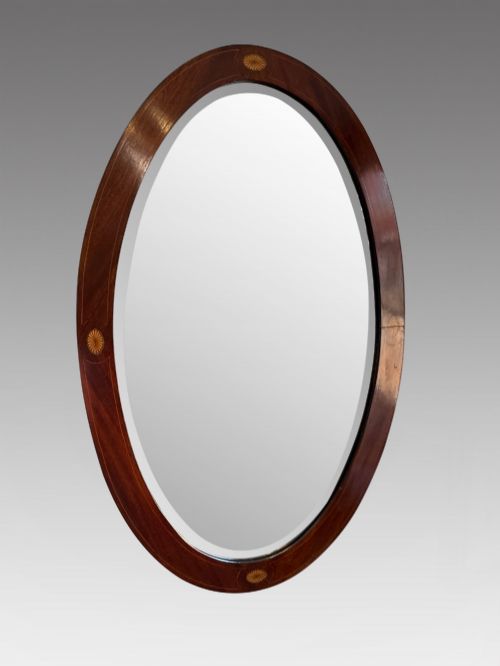
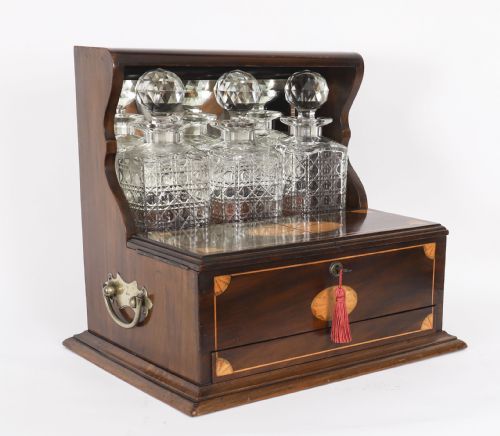
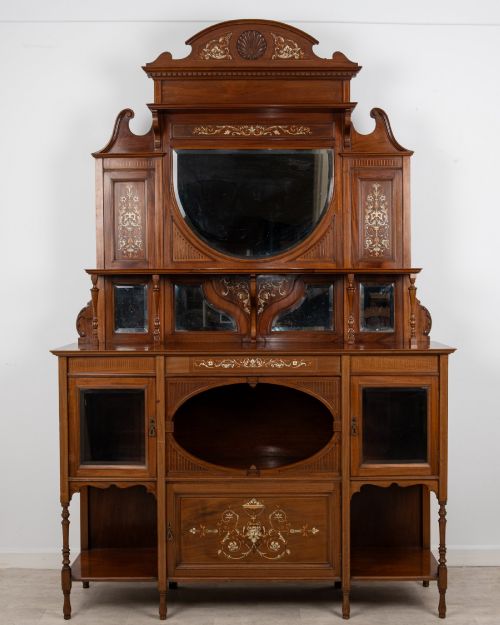
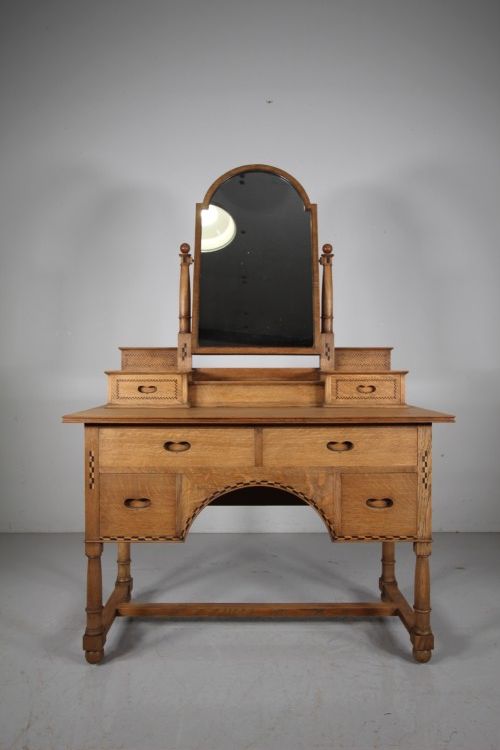
An inlaid wooden mirror typically takes the form of wall-hanging glass, overmantel pieces, or dressing mirrors produced during the nineteenth and early twentieth centuries. These objects combine functional reflective surfaces with decorative woodwork suited to period rooms.
Originating across British, Dutch, and Indian workshops, these mirrors reflect diverse regional aesthetics while maintaining a shared reliance on timber frames and contrasting inlay techniques.
Materials and Construction
Frames are constructed from solid timbers and veneers including mahogany, walnut, rosewood, satinwood, oak, and beech. Craftsmen utilised these woods to provide stable bases for decorative surface work.
Inlay work incorporates wood marquetry, bone, and mother-of-pearl, set directly into the timber ground. Brass fittings and bevelled mirror glass complete the construction of the finer surviving examples.
Craftsmen occasionally embedded ivory and bone into shisham wood frames to create intricate geometric patterns that survived centuries of domestic use.
Assessing Quality and Execution
Quality rests in the precision of the inlay work and the selection of the timber veneer. Sharp junctions between contrasting woods indicate careful hand execution by skilled cabinetmakers.
The choice of secondary materials, such as heavy brass hardware and genuine mirror glass rather than standard modern replacements, distinguishes superior examples from standard production pieces.
Edwards and Roberts·Heals·Maple and Co·Wylie Lochhead·Gillows
The Inlaid Wooden Mirror Glossary
- Inlay
- The technique of inserting pieces of contrasting material into a recessed wooden base to form a decorative design. This method defines the surface patterns seen across the frames.
- Marquetry
- Elaborate wood inlay assembled to form pictorial or geometric patterns across a veneer. It creates complex tonal variations on the surface of the timber.
- Overmantel
- A large mirror designed to hang specifically above a fireplace mantelpiece. These pieces often feature integrated shelving or architectural mouldings.
- Satinwood
- A durable, yellow-toned timber frequently utilised for fine cabinetwork and contrasting inlay details. Its polished surface catches ambient light effectively.
- Mashrabiya
- An architectural lattice technique incorporating intricate woodwork, occasionally found in imported panel work. It represents specialised regional joinery traditions.
Inlaid Wooden Mirror: Frequently Asked Questions
How do I hang a heavy wooden mirror?
Heavy frames require secure wall fixings distributed evenly across the primary wooden structure rather than relying solely on old brass rings or thin wire.
Consulting a professional ensures the weight is supported correctly without placing strain on the antique joints.
Are the mirror plates original?
Many period pieces retain their original glass, which often exhibits slight foxing, minor silvering loss, or gentle distortion.
Replacement glass is sometimes fitted during restoration to improve reflection clarity for daily use.
How do I clean inlaid wooden frames?
Dust the timber gently with a soft, dry cloth and avoid commercial polishes containing silicone or heavy solvents.
Microfibre cloths prevent scratching the delicate boundary lines between the inlay and the surrounding wood.
What distinguishes Edwardian mirrors from Victorian ones?
Victorian pieces generally favour denser timbers like rosewood and burr walnut with heavier, ornate proportions.
Edwardian designs tend toward lighter satinwood and mahogany frames reflecting Sheraton Revival lightness.