

Edwardian Hallway Mirror
An edwardian hallway mirror brings practical warmth and reflective light to an entrance space through period craftsmanship.
Edwardian Hallway Mirror
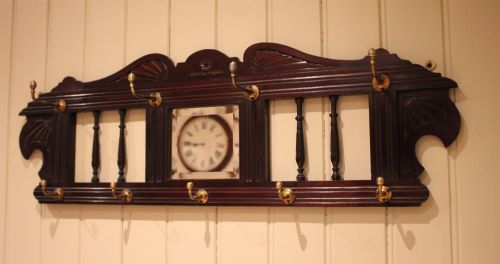
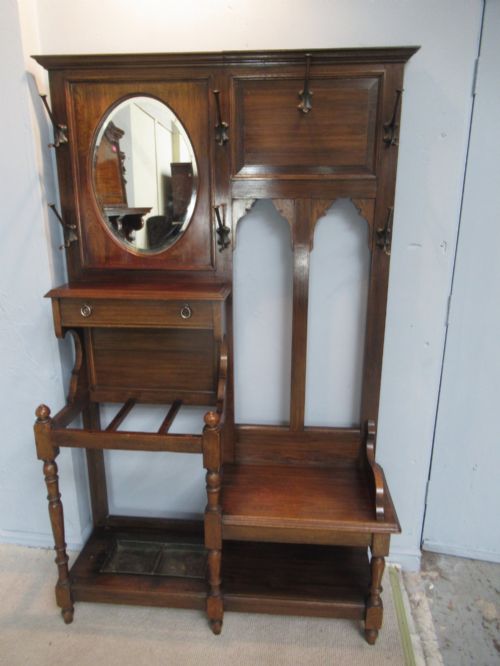
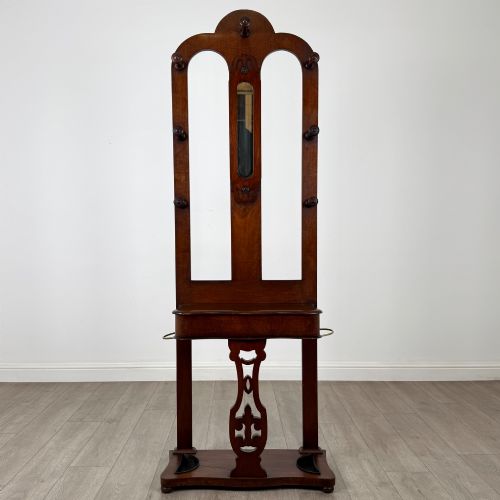
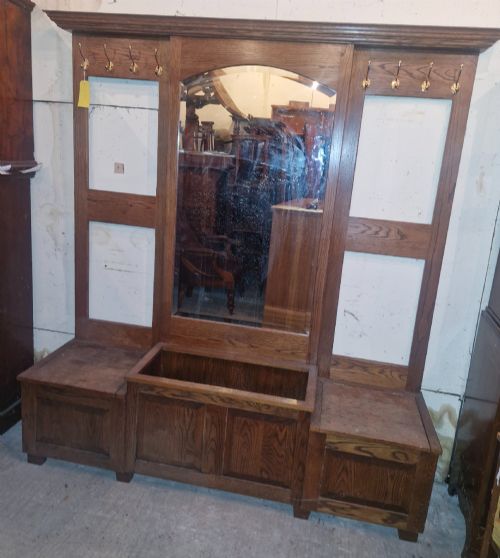
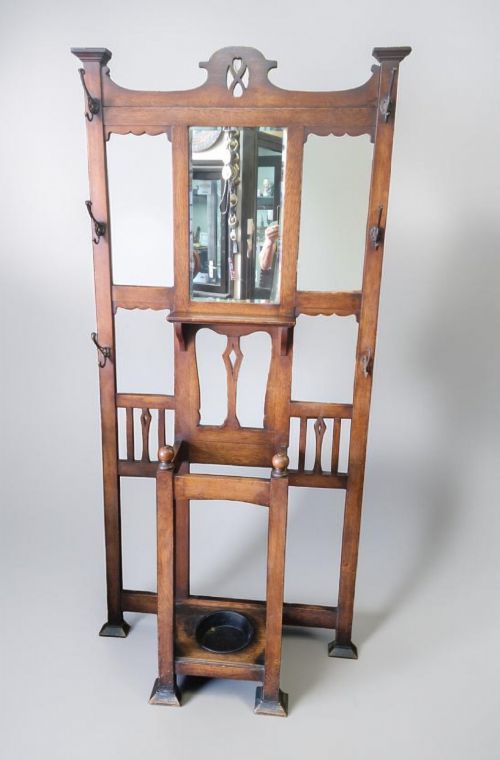
When you search for an edwardian hallway mirror, you encounter a practical furnishing designed to serve the entrance of a home. These objects frequently appear as wall-hung glasses paired with coat hooks, shelves, or umbrella stands.
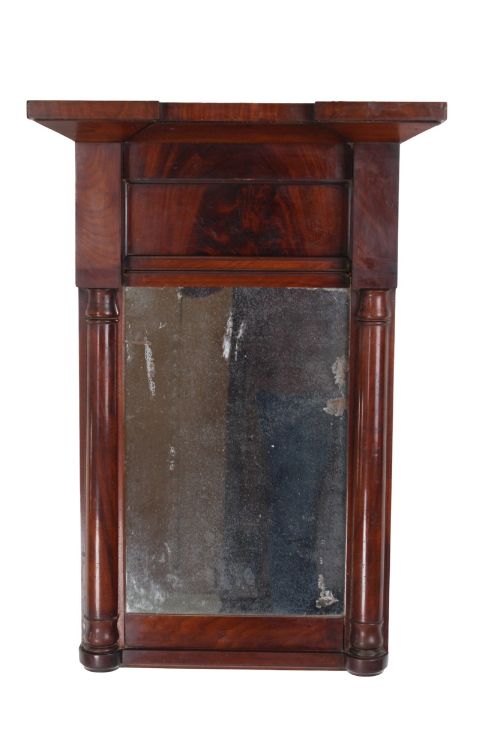
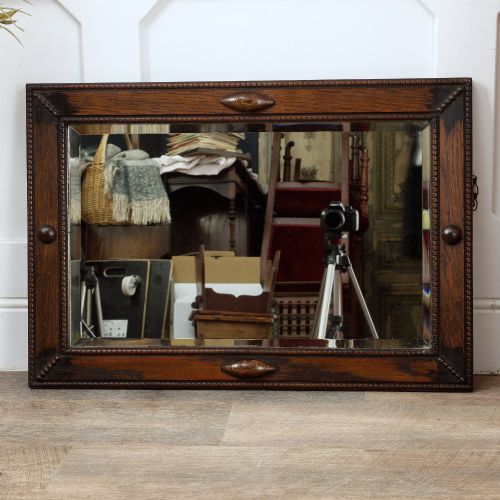
The pieces on this page span the Edwardian era alongside surrounding periods like the late Victorian years and the early twentieth century. You will find both simple wooden frames and larger combined hall stands built for daily domestic utility.
Materials and Technique
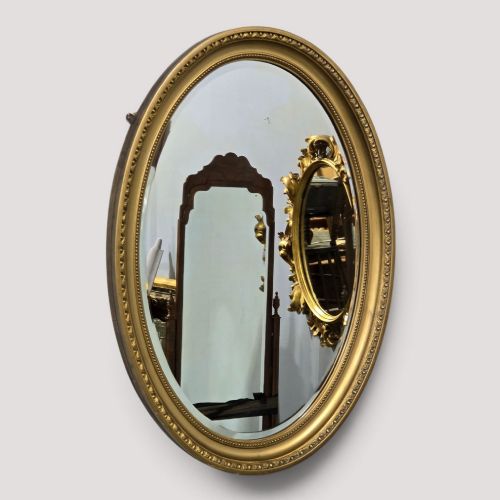
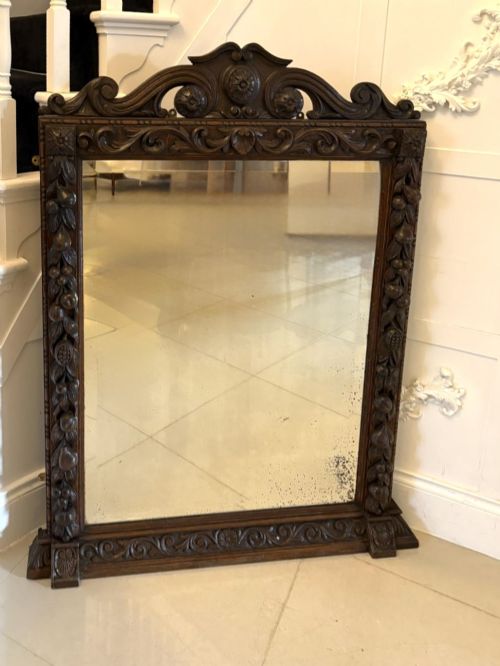
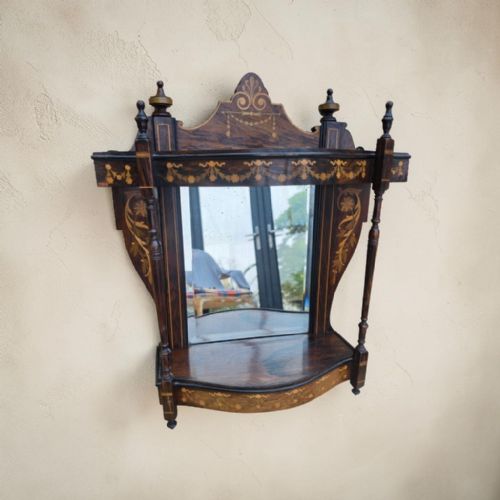
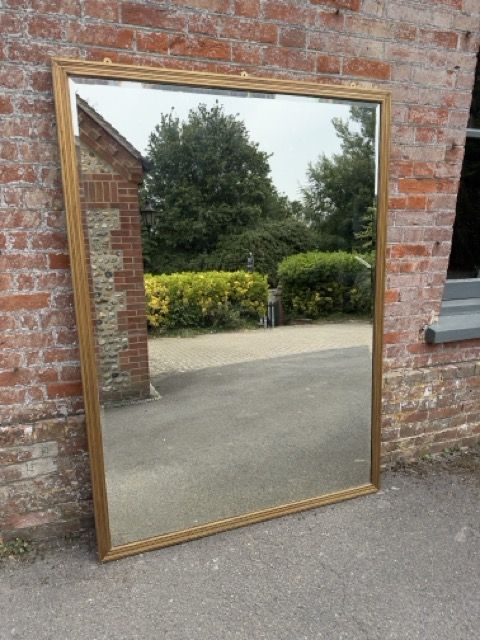
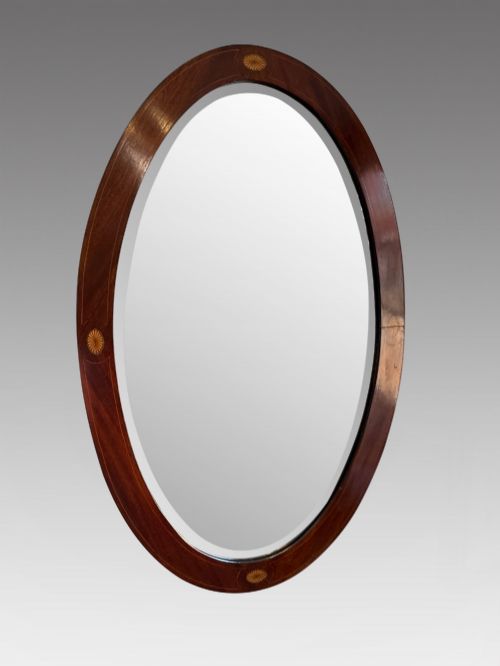
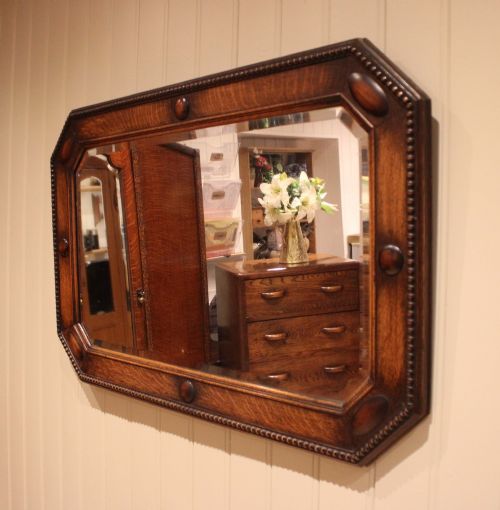
Cabinetmakers constructed these frames using timbers such as mahogany, oak, and walnut, frequently incorporating inlay or carved details. Giltwood and gesso also appear on polished wall mirrors from the period.
Functional items integrate brass coat hooks and valet pegs directly into the wooden backboards alongside bevel-edged mirror glass. Joinery methods rely on traditional cabinet construction to support heavy hanging loads.
The listings demonstrate a strong presence of oak and mahogany across Edwardian wall mirrors and multifunctional hall stands.
Markers of Excellence
Superior examples display crisp hand-carving and careful timber selection, whereas simpler pieces rely on plain sawn boards. The depth of the moulding and the weight of the brass fittings distinguish workshop standards.
The integration of secondary functions, such as integrated umbrella trays or glove boxes, elevates the ambition of the design. Original mirror glass with gentle foxing maintains greater character than modern replacements.
The Edwardian Hallway Mirror Glossary
- Pier Mirror
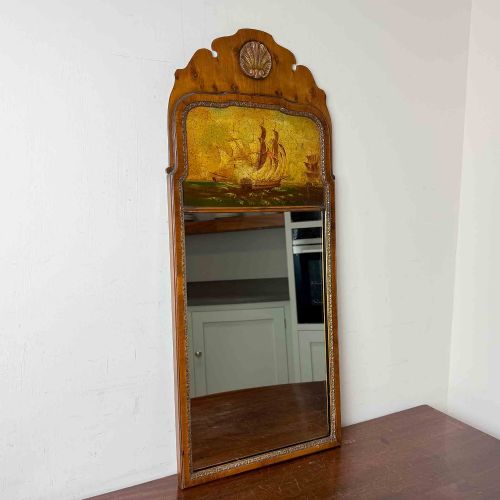
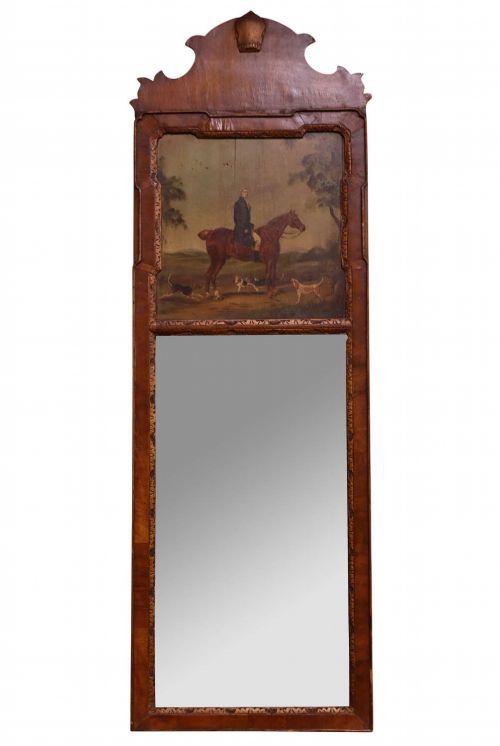
- A tall, narrow glass designed to hang on the wall between windows or above a low console table. It reflects additional light into a dark entranceway.
- Hall Stand
- A multi-functional piece combining a mirror, coat hooks, glove compartments, and umbrella stands. These units anchored the hallway of a period home.
- Gesso
- A plaster-based material applied to wooden frames before gilding or painting. It provides a smooth surface for intricate moulded ornament.
- Bevel-Edged
- Glass with an angled, polished perimeter that catches the light. This treatment signifies finer glazing techniques.
Edwardian Hallway Mirror: Frequently Asked Questions
Where should I hang a hall mirror?
Position the glass opposite a light source to brighten a narrow entrance hall. Ensure the height allows family members to check their appearance before leaving the house.
Secure the frame using sturdy fixings screwed directly into wall studs. Combined stands require flat floor placement with adequate clearance for hanging coats.
How do I care for antique mirror glass?
Clean the reflective surface gently using a soft cloth and mild glass cleaner applied sparingly. Avoid letting moisture seep behind the silvering along the edges.
Feed the wooden frame periodically with appropriate wax to nourish the grain. Keep brass hooks polished with a non-abrasive cloth to preserve the metal.
Did Edwardian mirrors come with coat hooks?
Many hallway examples included brass or iron hooks for hats, coats, and scarves. These items functioned as combined cloakroom units for daily visitors.
Simpler wall-hung versions focused solely on the reflective glass and small display shelves. Both formats catered to the demands of Edwardian domestic organisation.