
Dark Wood Overmantel
A dark wood overmantel anchors a chimney breast with substantial presence, offering rich grain and historic weight to a room.
Dark Wood Overmantel
A dark wood overmantel brings architectural definition to a fireplace, functioning as both a focal point and a reflector of light in a room. Buyers seek these pieces to anchor large wall spaces above mantels, drawing the eye upward with substantial proportions.
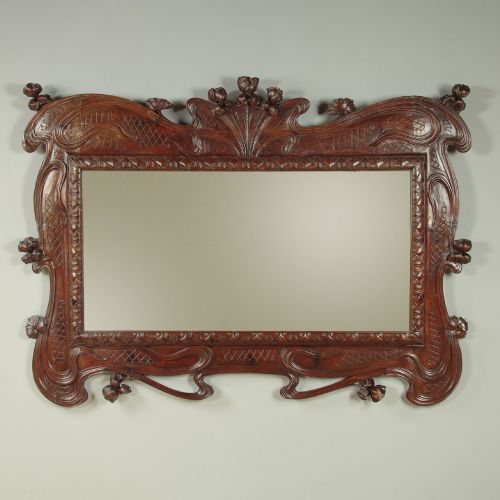
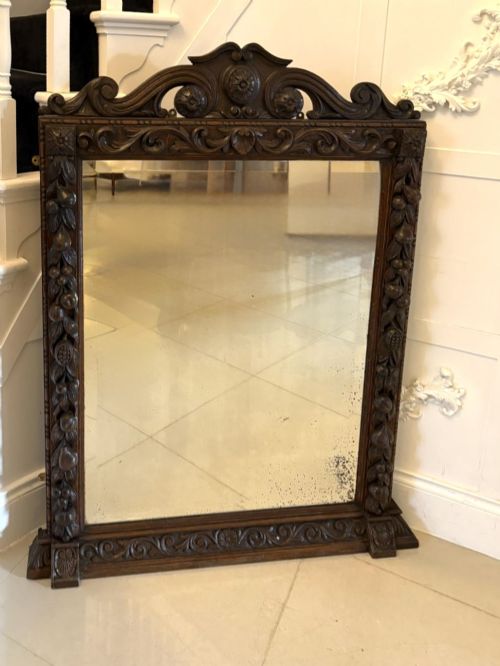
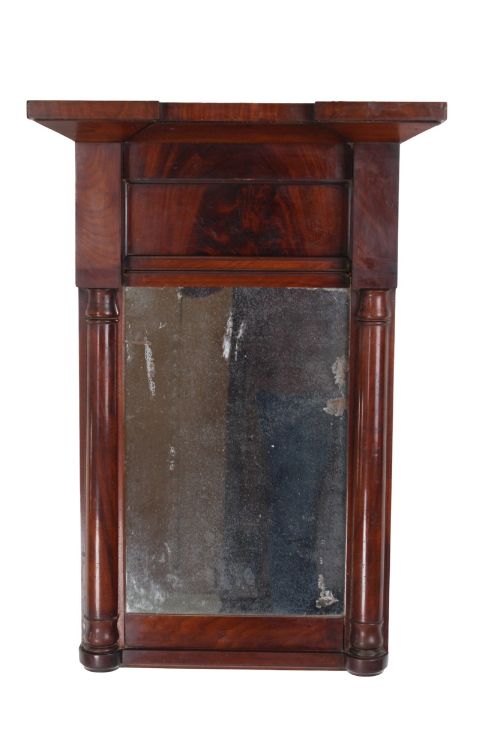
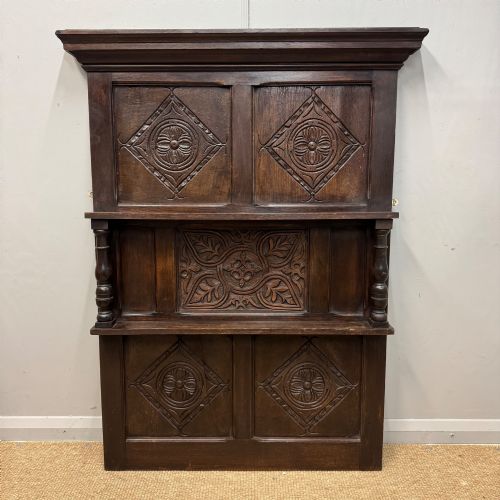
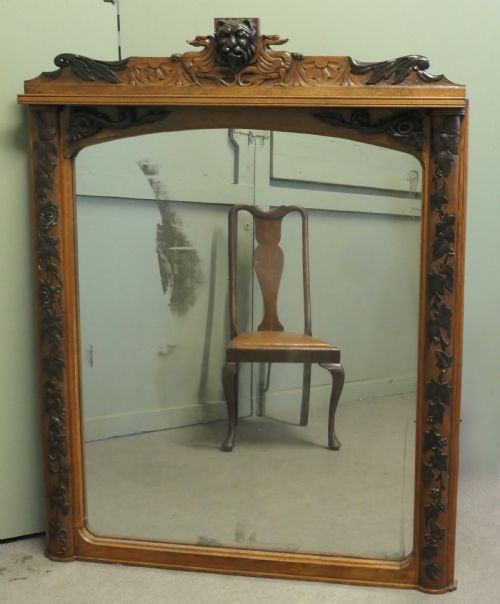
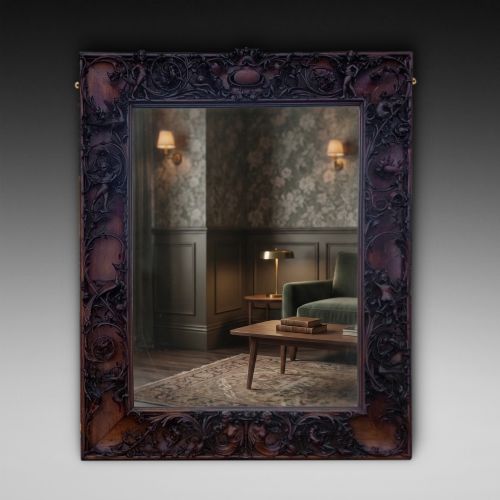
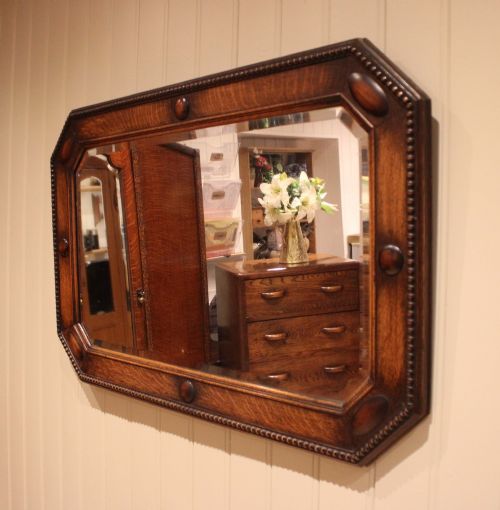
The pieces appearing on this page span several centuries and styles, though heavy Victorian and Edwardian examples in carved oak, mahogany, and walnut dominate the selection. These versions often display generous dimensions designed to sit comfortably above period hearths.
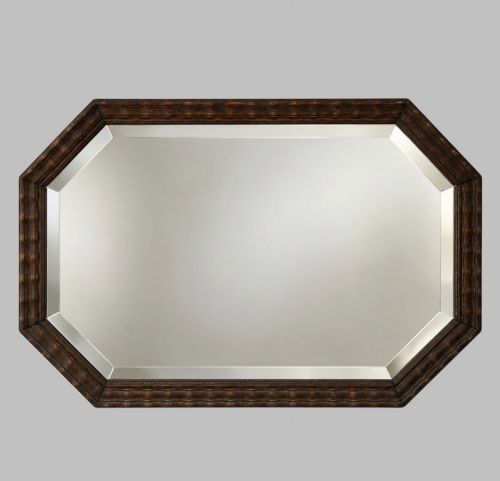
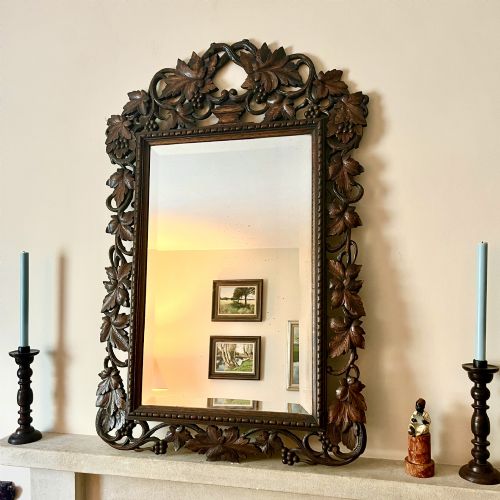
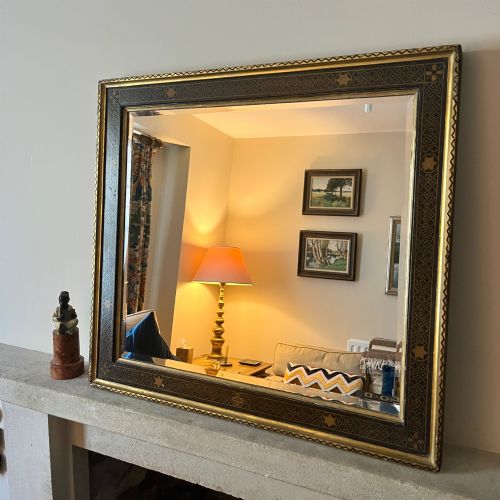
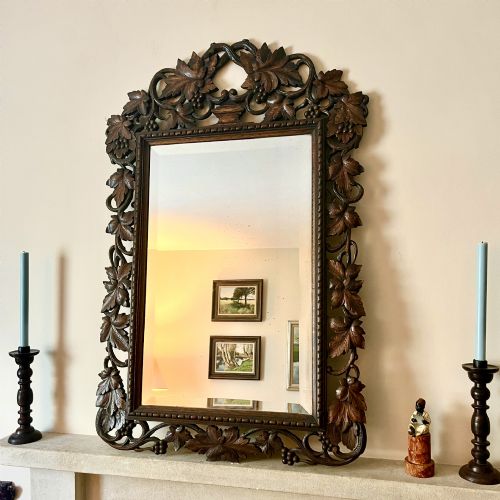
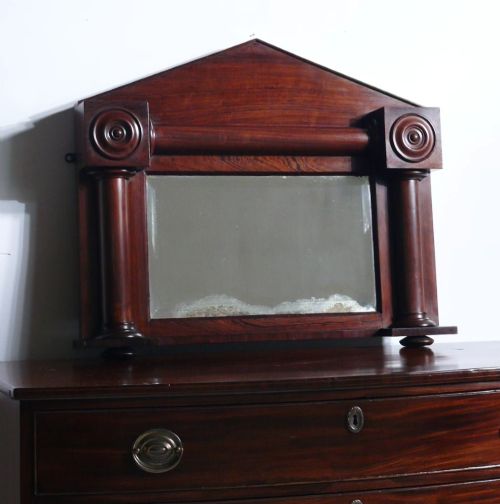
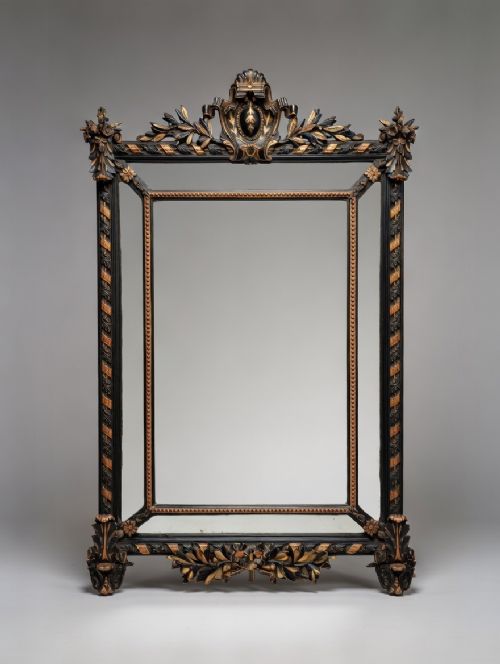
Craftsmen built these mirrors to command attention, frequently incorporating bevelled glass plates alongside architectural elements such as side columns and crestings. The variety ranges from restrained rectangular frames to heavily carved revival designs influenced by Gothic and French Renaissance aesthetics.
Materials and Construction
Makers relied primarily on dense hardwoods such as oak, mahogany, walnut, and rosewood, chosen for structural stability and deep natural tones. These timbers frequently underwent extensive carving, shaping solid frames or applying decorative veneers to simpler sub-structures.
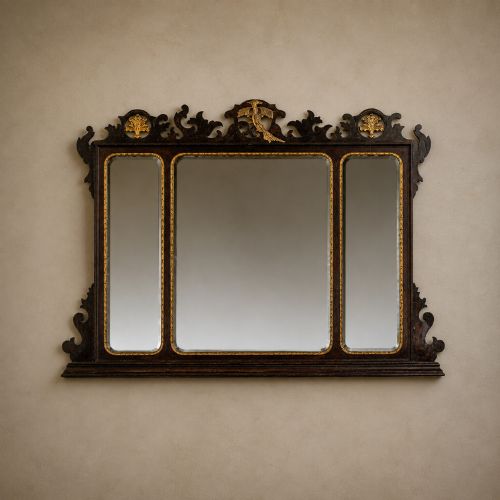
Mirrored glass plates, often bevelled by hand, sat within rebated frames and were secured at the rear by wooden backing boards. Gilding, parcel-gilt accents, and ebonising appeared alongside marquetry inlays to highlight specific architectural details and decorative motifs.
Dark Wood Overmantel Retail Price Guide 2026
Typical asking prices for dark wood overmantel among the pieces listed under this phrase on Sellingantiques today, from the lower quarter to the upper quarter. They describe what is for sale here now, not the wider market.
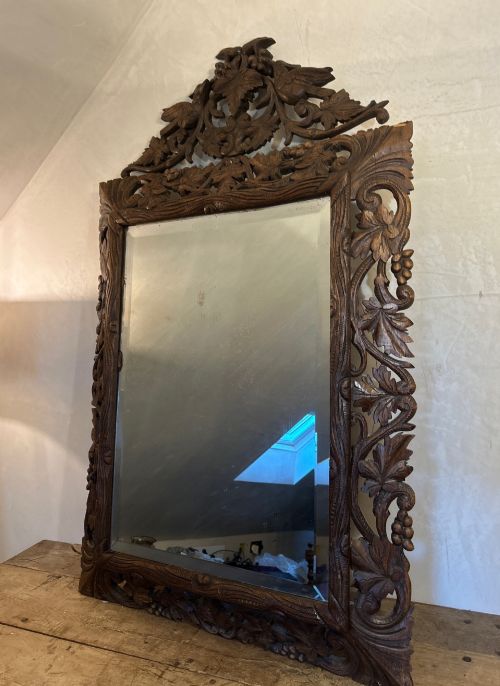
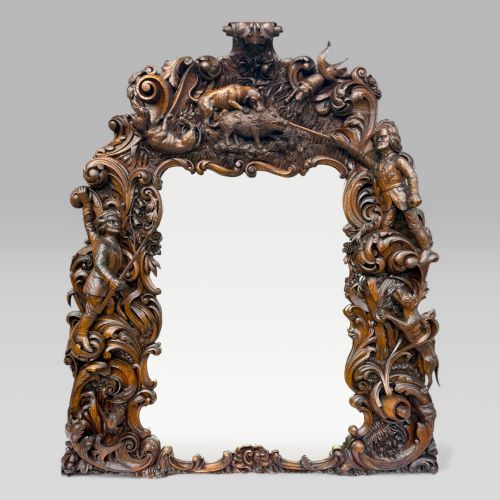
One hunting lodge mirror includes a Ho-Ho bird cresting, bringing mythological foliage directly into the Victorian parlour.
Assessing Craftsmanship and Depth
Depth of carving and clarity of timber grain separate standard framing from exceptional output. Pieces demonstrating superior skill exhibit crisp undercut foliage, balanced proportions, and integrated joinery rather than superficial applied ornamentation.
The original condition of the glass plate and the integrity of the wooden frame dictate the overall preservation. Superior examples retain their original mercury or silvered mirror plates, showing natural ageing without compromising the reflective surface.
Waring and Gillow
The Dark Wood Overmantel Glossary
- Overmantel
- A large mirror or panel designed to hang specifically above a fireplace mantelpiece. These fixtures often repeat the architectural language of the surrounding hearth.
- Bevelled glass
- A mirror plate with edges angled and polished to a thinner profile. This technique creates a prismatic border that catches and refracts light.
- Parcel-gilt
- Partially gilded woodwork where gold leaf highlights specific carved details against a contrasting dark wood base. It draws attention to architectural flourishes.
- Pier mirror
- A tall, narrow mirror designed to hang on the wall space between windows. They share construction methods with overmantels but serve different spatial functions.
- Marquetry
- Decorative veneer work created by fitting small pieces of varied wood or shell into a patterned background. This technique decorates flat surfaces on Edwardian frames.
Dark Wood Overmantel: Frequently Asked Questions
How do I choose the right size overmantel?
Measure the width of your mantelpiece, ensuring the mirror does not exceed the width of the shelf below. Keeping the frame slightly narrower than the mantel maintains visual balance in the room.
Consider ceiling height when selecting vertical proportions. Taller pieces draw the eye upward, while horizontal formats suit lower mantel shelves.
How do I identify Victorian oak from earlier styles?
Victorian examples often display heavier machinery-assisted cutting alongside deep, machine-roughed carving. They frequently adopt revival styles like Gothic or French Renaissance with bold proportions.
Earlier 17th-century pieces rely on hand-riven timber and pegged joinery with simpler mouldings. Examining the rear construction boards and tool marks helps clarify the manufacturing era.
How do I care for antique dark wood frames?
Dust the timber regularly with a soft, dry cloth to prevent particulate accumulation. Avoid silicone-based polishes, which can build up on historic wax or shellac finishes over time.
Keep the mirrors away from direct sunlight and fluctuating heat sources to prevent the wood from splitting. Occasional application of a suitable museum-grade wax preserves the sheen of the grain.