
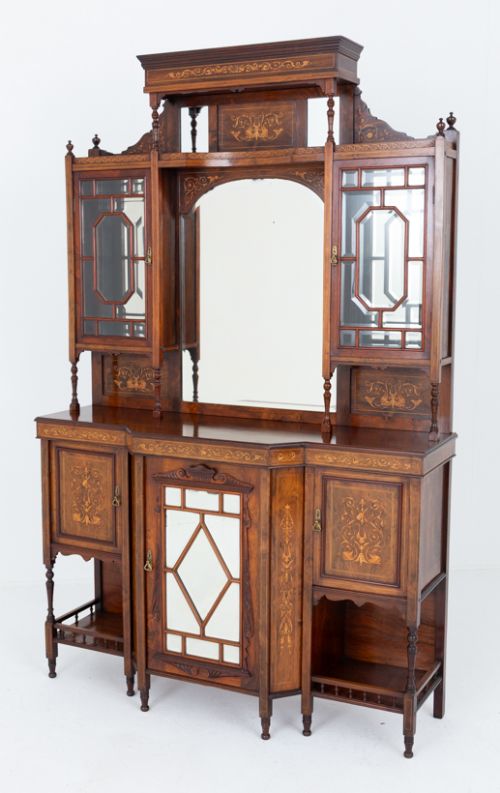


Inlaid Rosewood Mirror
An inlaid rosewood mirror brings rich timber and delicate detail together, offering a reflective surface framed by centuries of cabinet-making skill.
Inlaid Rosewood Mirror
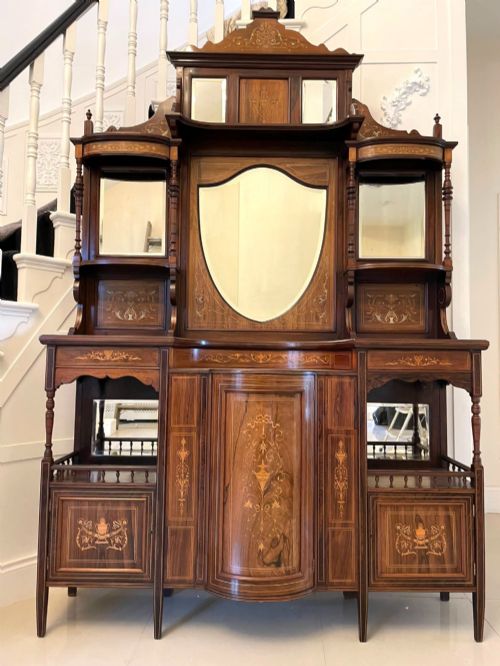
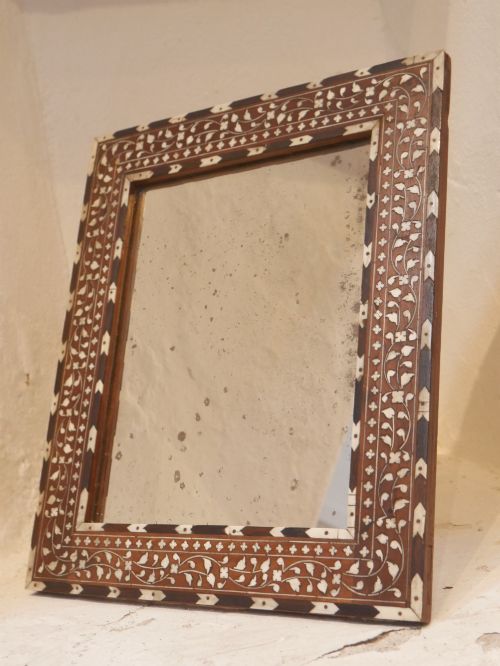
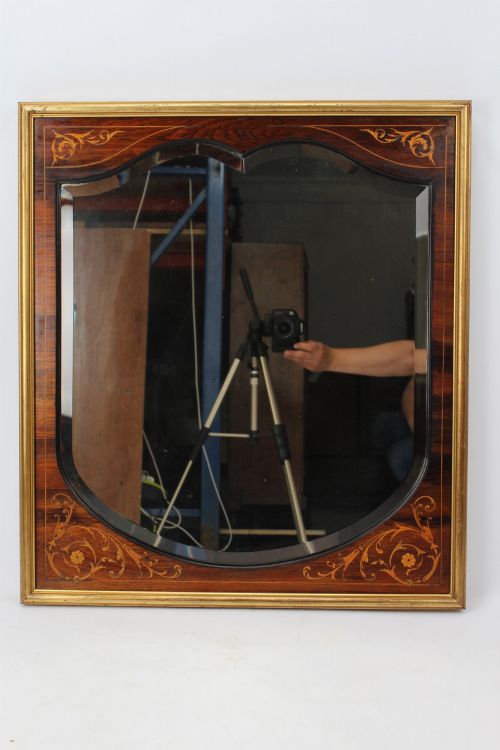
An inlaid rosewood mirror is a decorative looking glass framed in dense, dark timber and detailed with lighter contrasting wood or metal. These pieces serve both a practical domestic function and act as ornamental focal points within a room.
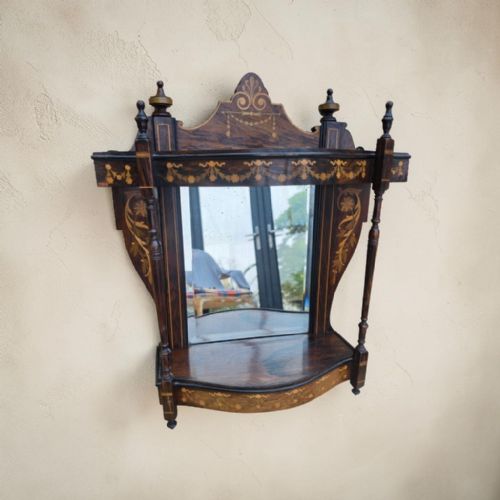
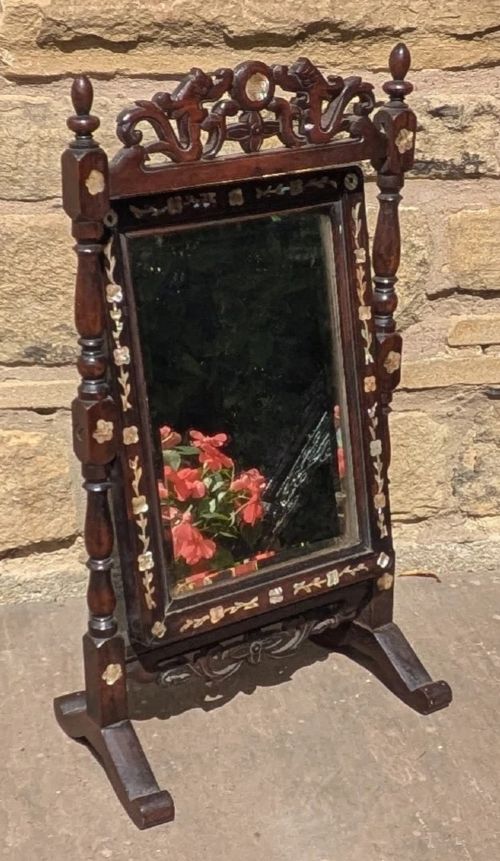
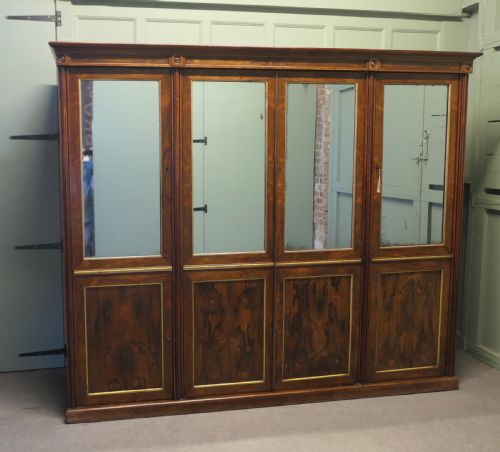
The versions most commonly met on this page are wall-mounted examples, overmantels designed to sit above a fireplace, and standing cheval mirrors. They span periods from the Regency era through to the Edwardian years, with Victorian examples appearing frequently.
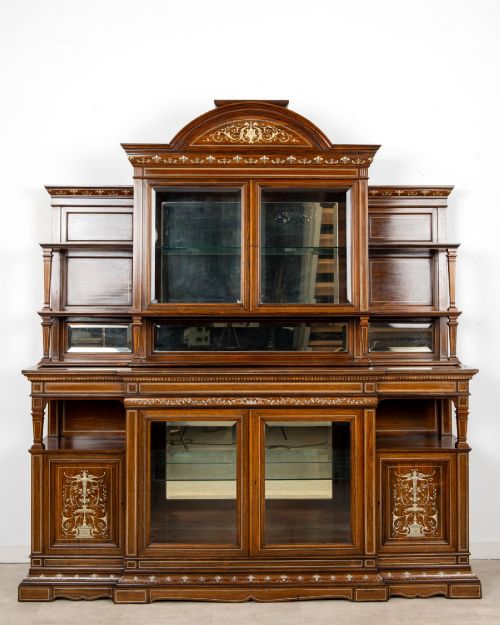
Makers often combined the mirror glass with shelves, brass fittings, or flanking cabinetry, turning a simple wall glass into a substantial piece of furniture. Surviving examples reflect the shifting tastes of the nineteenth and early twentieth centuries.
How they were made
Cabinet makers utilised dense rosewood as the primary framing timber, often selecting pieces with distinct grain patterns and deep natural colouration. This heavy wood provided a sturdy structural base for supporting both large mirror plates and smaller decorative shelves.
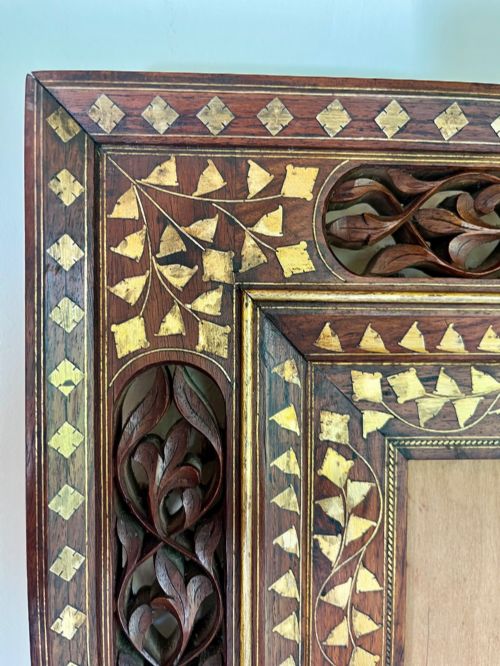
Contrasting materials such as satinwood, boxwood, and brass were inlaid into the surface to create intricate marquetry patterns and geometric borders. Craftsmen carefully cut recesses into the rosewood base to receive these lighter woods and metals, securing them flush before polishing.
Several mirrors arrive with tiny built-in shelves once intended to hold visiting cards or small porcelain trinkets.
What varies in quality
The refinement of the marquetry and inlay work separates standard production from exceptional pieces, with finer examples featuring tight, clean lines and complex botanical or geometric motifs. The depth and clarity of the rosewood grain also dictate the visual weight and appeal of the frame.
Structural joinery and the retention of original glass plates influence the standing of an individual mirror. Pieces that preserve their original brass hardware, fitted shelves, and mercury-silvered glass demonstrate superior original manufacture.
Collinson and Lock·Gillows·Jas Shoolbred
The Inlaid Rosewood Mirror Glossary
- Marquetry
- Decorative veneer applied to a structure in patterns and pictures. It differs from inlay by being assembled on a paper backing before being glued to the surface.
- Overmantel
- A large mirror designed to hang specifically above a fireplace mantelpiece. These often incorporate small display shelves or gilt accents.
- Cheval mirror
- A full-length looking glass suspended on a vertical swiveling frame between four legs. They allow the viewer to see their entire outfit.
- Satinwood
- A durable, yellowish timber native to India and Sri Lanka used extensively for contrasting inlay. Its lustrous grain catches the light effectively.
- Chiffonier
- A low cabinet with doors, often featuring a mirror or shelving superstructure. In these listings, they frequently appear alongside related mirror-backed pieces.
Inlaid Rosewood Mirror: Frequently Asked Questions
Where should I hang an overmantel mirror?
These large mirrors are traditionally secured directly above a fireplace mantelpiece to reflect light and anchor the room's proportions.
Ensure the wall fixings match the substantial weight of the rosewood frame and any integrated side shelving.
How do I care for rosewood frames?
Dust the timber regularly with a soft, dry cloth and keep the mirror away from direct sunlight and damp conditions.
Avoid modern chemical sprays, as they can damage the aged polish and loosen delicate boxwood or brass inlays.
What is the difference between marquetry and inlay?
Marquetry covers the entire surface of the wood in a pictorial veneer puzzle, while inlay involves setting pieces directly into carved channels in the solid rosewood.
Both techniques were used across Victorian and Edwardian workshops to create contrasting surface decoration.
Are these mirrors heavy to mount?
Due to the density of rosewood timber and the weight of the glass, these frames are considerably heavier than modern mirrors.
Professional installation into solid masonry or direct stud work is strongly recommended for larger wall-mounted examples.